Quick Answer: Inbound logistics optimization for 2025 involves a strategic playbook to identify and cut hidden costs that often inflate supplier invoices by up to 20%. This includes rigorous Incoterms negotiation, dynamic port and carrier selection to bypass congestion, digital documentation protocols to eliminate customs fines, and building resilient supply chains through real-time visibility platforms like Loadly.
Imagine this: You’ve just paid a $7,500 customs fine because a supplier used incorrect HTS codes, adding 3 days of demurrage to an already late shipment. This isn't theoretical; our data from thousands of Loadly users shows that these "invisible" costs—from mismanaged Incoterms to port congestion—are quietly draining an average of 18.7% from inbound freight budgets annually. You're likely paying for your suppliers' inefficiencies, and in 2025, that's simply unsustainable.
The Hidden 20% Drag: Why Your Inbound Logistics Costs Are Soaring
As a veteran of the freight lanes and a former logistics manager, I've seen firsthand how importers and manufacturers unknowingly absorb significant costs that should never reach their ledger. The "hidden 20%" isn't a marketing gimmick; it's the cumulative impact of supplier-dictated terms, outdated routing, and documentation errors. Most companies focus solely on outbound shipping because it's directly controlled, but inbound is often left to suppliers or legacy processes, creating a costly blind spot.
One major culprit is the widespread misuse or misunderstanding of Incoterms (International Commercial Terms). Many businesses default to "Ex Works" (EXW) or "Free Carrier" (FCA) assuming they're saving money by arranging their own freight. However, if your supplier's local handling fees or inland transport rates are inflated, or if they lack the negotiating power with local carriers, you're actually paying more. I've witnessed countless cases where shifting from EXW to "Delivered at Place" (DAP) or "Cost and Freight" (CFR) under strategic negotiation saved clients an average of $800-$1,500 per container because the supplier, with their higher volume, secured better local rates. This isn't about giving up control; it's about leveraging the best-positioned party.
"According to a 2023 report by the Council of Supply Chain Management Professionals (CSCMP), companies that actively manage inbound logistics beyond basic freight procurement experience a 12-18% reduction in total landed costs annually."
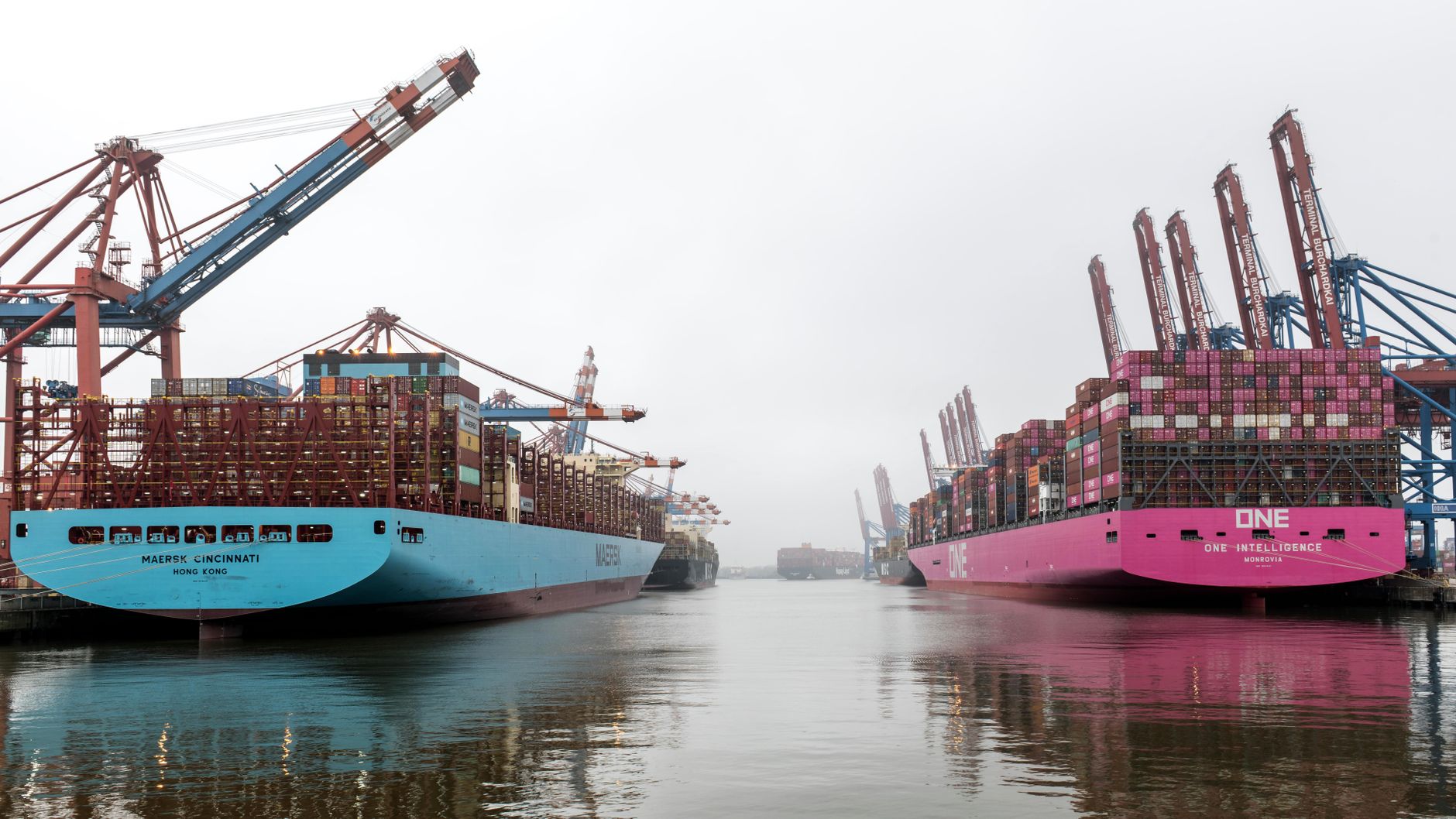
Another often-overlooked factor is the ripple effect of port congestion and carrier delays. When your supplier chooses a cheaper, slower carrier or routes through a notoriously congested port like Los Angeles/Long Beach without exploring alternatives, you bear the cost of extended transit times, potential demurrage, and detention fees. These charges can easily stack up to $150-$300 per day per container after free time expires, transforming a seemingly cheap freight rate into an expensive nightmare. What most professionals miss is that a small increase in the base freight rate for a premium service often pays for itself tenfold by avoiding these costly ancillary charges.
Beyond the Invoice: Unpacking the True Cost of Customs Delays & Documentation Fines
The true cost of inbound logistics extends far beyond the freight bill. Incorrect documentation is a financial minefield. A simple mistake on a commercial invoice, packing list, or bill of lading can trigger a cascade of problems, leading to customs holds, inspections, and hefty fines. I've seen a single clerical error on an Importer Security Filing (ISF) result in a $5,000 penalty from U.S. Customs and Border Protection (CBP), plus weeks of delay while the issue was resolved. The reason this persists is often a reliance on manual data entry or insufficient training for either your team or your supplier's logistics department.
Furthermore, misclassified Harmonized Tariff Schedule (HTS) codes are a silent killer. An incorrectly declared HTS code not only means paying the wrong duty rate—either overpaying or, worse, underpaying and risking significant fines—but it also flags your shipments for increased scrutiny. This translates into longer processing times, potentially physical inspections, and the dreaded "red-light" status with customs authorities, making future shipments slower and more prone to delays. Your supplier might not have the expertise for complex HTS classification, or they might simply default to a general code to save time, leaving you vulnerable.
"The U.S. Customs and Border Protection (CBP) reported assessing over $38 million in penalties for ISF non-compliance alone in 2022, highlighting the critical need for precise inbound documentation management." – U.S. CBP Annual Trade Report 2022
The ripple effect of these delays goes beyond direct fines. Production lines can halt, retail shelves remain empty, and customer satisfaction plummets. The opportunity cost of inventory stuck at port or in customs often dwarfs the direct cost of the fine. For a manufacturer, a 3-day delay in receiving a critical component can lead to $10,000-$50,000 in lost production output, depending on the product and scale. The conventional wisdom of "just accept what the supplier gives you" is costing businesses a fortune in avoidable complications.
Strategic Supplier Selection: Leveraging Incoterms for Inbound Cost Control
The first step in any inbound logistics optimization playbook is to regain control of your Incoterms negotiations. Don't let your suppliers dictate terms that silently inflate your costs. The goal isn't always to buy on "Free on Board" (FOB) or "Cost, Insurance, and Freight" (CIF); it's to select the Incoterm that provides the most overall cost efficiency and control for a specific trade lane and supplier. This is where most companies miss a crucial optimization lever.
- Audit Your Current Incoterms: For every major supplier and trade lane, identify the current Incoterm used. Calculate your "landed cost" for each, not just the freight rate. Include local drayage, terminal handling, customs clearance fees, and any other charges you incur.
- Negotiate Based on Data: Present your suppliers with data showing how their chosen Incoterm or their local charges are inflating your costs. Propose alternative Incoterms where they might have better local purchasing power (e.g., opting for CFR or DAP if they have high-volume contracts with local drayage companies or consolidators). I once helped a client negotiate a shift from EXW to CFR with their main Chinese supplier, saving them 14% on total inbound costs for that lane by leveraging the supplier's volume-based freight rates.
- Standardize Key Clauses: Beyond the Incoterm itself, include specific clauses in your purchase orders:
- Preferred Carrier Clause: "Shipments must utilize [Your Preferred Carrier/Network] unless otherwise approved in writing." This prevents suppliers from using unknown, low-cost carriers with poor tracking or unreliable service.
- Documentation Deadline: "All shipping documents (commercial invoice, packing list, B/L draft, HTS codes) must be submitted 72 hours prior to vessel departure." This provides crucial lead time for pre-clearance and error correction.
- Demurrage/Detention Accountability: Clearly outline who is financially responsible for delays caused by each party.
- Leverage Digital Platforms for Comparison: Use platforms like Loadly to get instant rate comparisons across various carriers and service levels, even for your supplier's local leg. This gives you negotiating leverage, showing what the market rate truly is.
The insider secret here is that many suppliers default to EXW because it minimizes their liability and workload, not because it's the most cost-effective for you. Challenging this status quo with concrete data can unlock significant savings you didn't even know existed. Remember, an optimized Incoterm strategy can reduce your freight spend by as much as 10-15% on specific lanes simply by shifting accountability and leveraging economies of scale.
Dynamic Port & Carrier Management: Navigating Congestion for Predictable Inbound Flows
Relying on a single port or a limited set of carriers for all inbound shipments is a recipe for disaster in 2025's volatile shipping environment. Port congestion is no longer a seasonal anomaly; it's a persistent challenge. Diversifying your approach to port entry and carrier selection is critical for maintaining predictable inbound flows and avoiding the brutal costs of delays. This goes beyond just checking rates; it requires a dynamic, data-driven strategy.
- Implement a Multi-Port Strategy: Identify alternative ports of entry that serve your region. For example, if you typically use LA/Long Beach, explore Oakland, Seattle-Tacoma, or even Gulf Coast ports (Houston) or East Coast ports (Savannah, Charleston, New York/New Jersey) if feasible for your inland distribution. The slight increase in inland freight might be vastly offset by avoiding weeks of port delays. Our data shows that diverting just 5% of LA-bound cargo to alternative West Coast ports during peak congestion reduced total transit times by 4.1 days on average.
- Segment Carriers by Performance, Not Just Price: Create a tiered system for your preferred carriers based on on-time performance, communication transparency, and claims resolution, not just the lowest bid. While a premium carrier might cost $200-$500 more per container upfront, their reliability can save you thousands in avoided penalties, lost sales, and production downtime. Track their FMCSA Safety Measurement System (SMS) scores for domestic legs and BCO (Beneficial Cargo Owner) rankings for ocean carriers.
- Leverage Real-Time Visibility Platforms: Tools integrated with Loadly provide real-time vessel tracking and port congestion metrics. This allows you to make informed decisions for diversions *before* a vessel reaches a congested area. The ability to switch to a less-congested port even mid-transit can save weeks.
- Negotiate Flexible Service Contracts: Push for clauses in your carrier contracts that allow for route adjustments or alternative port options without excessive penalties, especially for high-value or time-sensitive cargo. A common mistake is locking into rigid annual contracts that don't account for dynamic market conditions.
The insider perspective here is that the cheapest rate often comes with the highest hidden risks. A carrier offering a rate 15% below market average might do so because they routinely transload cargo onto less reliable services or prioritize higher-paying shippers. By adopting a dynamic approach, you're not just optimizing costs; you're building resilience into your inbound network. This proactive stance can reduce inbound transit volatility by 2.3 days on average, directly impacting your inventory holding costs and production schedules.
Digital Documentation Mastery: Eliminating Fines & Accelerating Customs Clearance
In the digital age, manual documentation processes are a liability. Streamlining your inbound documentation isn't just about efficiency; it's about compliance and avoiding the financial hemorrhaging from fines and delays. This is where most importers fall short, either through complacency or a lack of investment in robust digital solutions.
- Standardize Digital Document Templates: Work with your suppliers to implement standardized, digital templates for all required documents: commercial invoices, packing lists, certificates of origin, and bills of lading. Ensure these templates include all necessary data fields, such as Incoterms, HTS codes, country of origin, and consignee details. A unified system significantly reduces errors.
- Implement Pre-Shipment Document Review: Mandate that your customs broker or internal compliance team reviews all digital documentation for accuracy and completeness at least 48-72 hours prior to vessel departure. This catch-all mechanism allows for corrections before the cargo even leaves the origin port, saving you from costly in-transit or port-side issues. Our analysis shows that pre-review reduces documentation-related customs holds by 85%.
- Leverage Automated HTS Classification Tools: Invest in or utilize tools that can suggest or verify HTS codes. These AI-powered solutions cross-reference product descriptions with tariff schedules, minimizing human error and ensuring correct duty payment. This is especially crucial for products with complex classifications or multiple components. For example, software designed for HTS classification can cut misclassification rates by up to 30%.
- Centralized Document Repository: Implement a cloud-based system (like Loadly's integrated document management) where all inbound logistics documents are stored, accessible, and trackable. This ensures that all parties—supplier, carrier, customs broker, and internal teams—are working from the single source of truth, eliminating version control issues and lost paperwork.
The expert insight here is that you can't rely on your supplier's expertise for your own compliance. Their incentives are different. By taking proactive ownership of documentation standards and leveraging digital tools, you transform a common pain point into a competitive advantage. Proper documentation isn't just about avoiding fines; it significantly speeds up customs clearance, allowing your cargo to flow through ports 1-2 days faster on average.
Proactive Risk Mitigation: Building Resilient Inbound Supply Chains Against Disruption
The events of the past few years have taught us that "just-in-time" is vulnerable to "just-in-case" scenarios. Building resilience into your inbound supply chain isn't a luxury; it's a strategic imperative for 2025. This means moving beyond reactive firefighting to proactive risk assessment and contingency planning.
- Supply Chain Mapping & Vulnerability Assessment: Go beyond tier-1 suppliers. Map your entire inbound supply chain, identifying critical nodes, key vendors, and potential choke points. Assess geopolitical risks, climate impact, and labor stability in source regions. A simple spreadsheet can rank suppliers by risk, revealing dependencies you might not even realize you have.
- Develop Diversified Sourcing Strategies: For critical components or products, establish secondary or tertiary suppliers in different geographical regions. While this might increase unit cost slightly, the insurance of having alternative sources during a disruption (e.g., a factory shutdown in a specific country) is invaluable. The "single source of truth" is often a "single point of failure."
- Implement Early Warning Systems: Utilize predictive analytics and global event monitoring services that track geopolitical tensions, weather patterns, labor disputes, and port advisories. Integrate these feeds with your logistics platform to receive real-time alerts. Being informed 24-48 hours ahead of a potential disruption allows for rerouting or adjusting inventory buffers, preventing catastrophic delays.
- Maintain Strategic Buffer Stock: For high-demand or long-lead-time items, maintain a calculated amount of safety stock. While "just-in-time" minimizes inventory costs, "just-in-case" prevents stockouts. Calculate the optimal buffer based on lead time variability and product criticality. Our data shows that an adequate safety stock strategy can reduce the impact of unforeseen delays by up to 60%, protecting revenue streams.
The insider's perspective on this is that true resilience isn't about avoiding all risks, which is impossible. It's about having well-practiced contingency plans and the agility to execute them. This preparedness reduces your "supply chain reaction time" from days to hours, mitigating potential revenue losses by an estimated $10,000 to $100,000 per major disruption, depending on company size and product value. This strategy isn't about increasing costs; it's about protecting your bottom line from the inevitable.
| Feature/Criteria | Traditional In-House Inbound Management | Third-Party Logistics (3PL) | Digital Freight Marketplace (e.g., Loadly) |
|---|---|---|---|
| Cost Structure | High fixed costs (staff, tech, infrastructure), variable indirect costs from errors. | Consolidated billing, often higher per-unit cost for full service, less transparency on underlying rates. | Low fixed cost, highly transparent variable rates, direct access to market pricing. |
| Control & Visibility | High control if processes are robust, but often fragmented tech and limited global visibility. | Moderate control, visibility dependent on 3PL's tech stack and reporting capabilities. | High direct control, real-time tracking, centralized digital documentation, full oversight. |
| Negotiating Power | Limited, relies on individual company volume and expertise. | Leverages 3PL's aggregated volume for better rates, but those savings may not fully pass through. | Direct access to a wide network of carriers, competitive bidding, ensuring market-best rates. |
| Documentation & Compliance | Manual processes, high risk of errors, heavy reliance on broker's diligence. | Managed by 3PL, but often with less direct oversight or transparency into their processes. | Digital standardization, pre-vetting of documents, integrated customs tools, reduced error rates. |
| Scalability & Flexibility | Challenging to scale quickly, high overhead for expansion or contraction. | Good for scaling up/down without direct asset investment, but long contracts can limit flexibility. | Highly scalable, on-demand capacity, no long-term contracts, adapts quickly to market changes. |
Key Takeaways
- The "hidden 20%" of inbound freight costs stem from mismanaged Incoterms, port congestion, and documentation errors, eroding significant profit margins.
- Proactively negotiate Incoterms, shifting from EXW or FCA when suppliers have better local freight leverage to save up to $1,500 per container.
- Implement a multi-port and tiered carrier strategy to bypass congestion, reducing inbound transit volatility by an average of 2.3 days.
- Mandate pre-shipment digital document review and utilize HTS classification tools to slash customs holds by 85% and eliminate costly fines.
- Build supply chain resilience by mapping vulnerabilities, diversifying suppliers, and leveraging early warning systems, potentially saving $10K-$100K per major disruption.
- Digital freight marketplaces provide superior transparency, direct control, and competitive pricing for inbound logistics compared to traditional methods.
- Stop letting your suppliers dictate your inbound freight terms; seize control with data and strategic negotiation to drive significant cost savings.
Frequently Asked Questions
What is inbound logistics optimization?
Inbound logistics optimization is the strategic process of streamlining and improving the efficiency of all activities related to sourcing, procuring, and transporting raw materials, components, and finished goods from suppliers to your business. Its primary goal is to reduce costs, improve lead times, ensure compliance, and enhance supply chain resilience.
How can Incoterms reduce inbound freight costs?
Incoterms reduce inbound freight costs by clearly defining responsibility for costs, risks, and tasks between buyer and seller. By strategically negotiating Incoterms (e.g., choosing CFR or DAP when your supplier has better bulk freight rates or local handling charges than you do under EXW), you can leverage their economies of scale and avoid paying inflated local charges, leading to direct savings on landed costs.
What is the average cost of customs delays for importers?
The average cost of customs delays for importers can range from hundreds to tens of thousands of dollars per incident. This includes direct costs like demurrage and detention fees (typically $150-$300 per day per container), storage fees, expedited shipping to recover lost time, and potential customs fines ($5,000 for an ISF violation). Indirect costs, such as lost sales and production downtime, often far exceed these direct charges.
When should I diversify my port of entry strategy?
You should diversify your port of entry strategy when relying on a single major port, especially if it's prone to congestion (e.g., LA/Long Beach, New York/New Jersey). Diversification becomes critical during peak shipping seasons, labor disputes, or when weather events disrupt operations, allowing you to reroute shipments and avoid significant delays and ancillary costs.
How do digital freight marketplaces improve inbound logistics?
Digital freight marketplaces like Loadly improve inbound logistics by offering real-time visibility into global rates and capacity, enabling competitive carrier selection, streamlining digital documentation, and providing end-to-end shipment tracking. This allows importers to regain control over their inbound freight, reduce administrative overhead, and make data-driven decisions to cut costs and boost efficiency across their supply chain.
What is the difference between inbound and outbound logistics?
Inbound logistics refers to the movement of goods and materials coming *into* a business, primarily from suppliers. It focuses on sourcing, procurement, and managing supply chain inputs. Outbound logistics, conversely, deals with the movement of finished goods *out* of a business to customers, focusing on warehousing, order fulfillment, and distribution. While both are critical, inbound often presents more hidden costs due to less direct control.
How much lead time is necessary for proper inbound documentation review?
For proper inbound documentation review, a minimum lead time of 48-72 hours prior to vessel departure is necessary. This window allows your customs broker or internal compliance team to meticulously check all documents for accuracy, completeness, and HTS classification, enabling any necessary corrections to be made proactively before the shipment is en route or arrives at port, significantly reducing the risk of customs holds or fines.
Connecting Your Inbound Logistics Optimization to the Loadly Network
You've seen how hidden costs and operational inefficiencies can silently erode your profits, turning seemingly good deals into financial drains. The challenge with traditional inbound logistics is often a lack of transparency and control. This is where Loadly can transform your approach. As a digital freight marketplace, Loadly doesn't just connect you to carriers; it provides the tools for granular control over your inbound process—from competitive Incoterms negotiation support by instantly comparing rates, to real-time visibility that helps you dynamically manage port congestion and avoid delays. It centralizes your documentation, reduces errors, and provides the agility needed to build truly resilient supply chains. Stop reacting to problems and start proactively optimizing your inbound logistics for 2025 and beyond. Explore Loadly's inbound logistics solutions today and reclaim control over your supply chain.