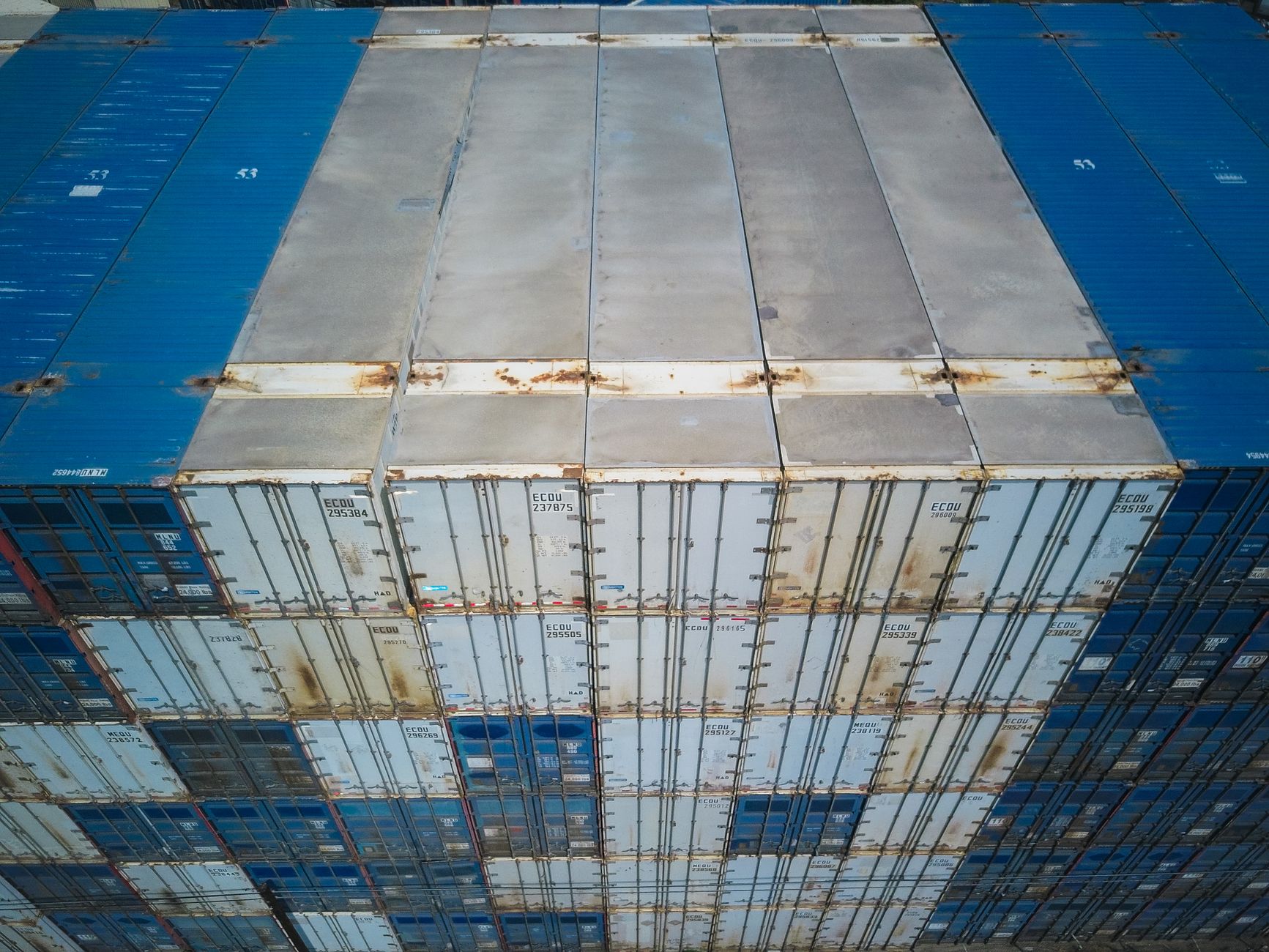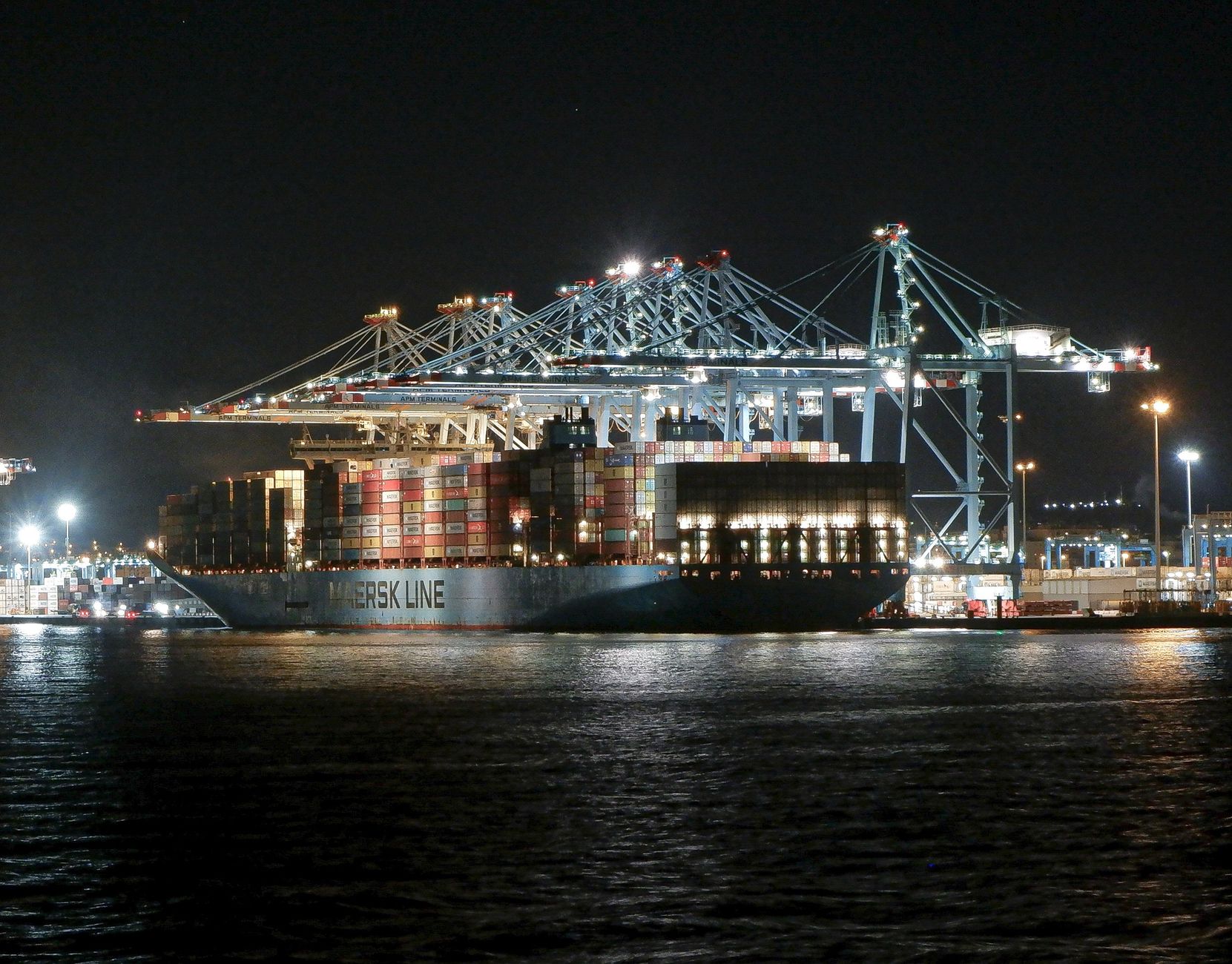
Imagine this: A critical shipment, carrying components for your flagship product, is stalled at a congested port, accruing $2,500 in demurrage charges daily while your production line teeters on the brink. This isn't a hypothetical; it’s a reality for shippers who, according to a 2023 NRF report, faced an average of 7 major supply chain disruptions last year, costing them an estimated 12% of annual profits. The traditional 'just-in-time' model has become a 'just-in-trouble' nightmare. For 2025, merely reacting isn't enough; you need an unbreakable supply chain resilience playbook that anticipates the next shock before it hits.
The Hidden Costs of Fragile Supply Chains: Why Most Companies Fail
In our 15+ years in freight, we’ve seen countless logistics managers operate on an illusion of control. They believe their established carrier relationships and current tracking systems are sufficient. However, the reality is that the average supply chain experiences a significant disruption every 18 months, leading to an average 10-15% reduction in annual EBITDA, according to a CSCMP study. Most companies fail because they optimize for cost efficiency in stable times, neglecting the investment needed for resilience during volatility. This oversight transforms minor hitches into major financial hemorrhages.
Unpredictable Costs & Damage Claims: The Silent Profit Drain
The most insidious threat to your balance sheet isn't always a catastrophic event; it's the constant drip of unpredictable costs. Freight damage claims alone cost some carriers an average of $1,840 per truck per year for specific high-value commodities, a cost often passed back to the shipper in various forms. This doesn't even include the lost sales, reputational damage, and administrative overhead of processing claims. Furthermore, detention and demurrage charges, which are entirely avoidable with better planning and visibility, cost shippers billions annually. In 2022, D&D charges levied by ocean carriers on U.S. importers reached an estimated $1.5 billion, according to data from the Federal Maritime Commission (FMC). These are not 'acts of God' — they are systemic failures stemming from inadequate planning and limited insight into the supply chain.
What most professionals miss here is that relying solely on contract rates for cost predictability is a fool's errand. The spot market is a direct reflection of real-time supply and demand imbalances. If you only engage when contract carriers fail, you're always paying surge prices. The smarter play is to maintain a diversified network that allows you to flex between contract and spot, mitigating the impact of sudden rate spikes. Ignoring these hidden costs and focusing purely on the lowest base rate is a direct path to unpredictable profits.
Visibility Gaps & Carrier Unreliability: Why You're Flying Blind
True supply chain visibility extends far beyond basic GPS tracking. Many logistics managers mistakenly believe knowing a truck's current location means they have 'visibility.' This is akin to knowing your car is on the highway but having no idea if there's a pile-up two miles ahead. Traditional systems lack the predictive capabilities to warn of impending delays due to weather, port congestion, or unexpected carrier breakdowns 48-72 hours in advance. This lack of foresight leaves shippers scrambling, making reactive decisions under pressure, which invariably leads to higher costs and missed deadlines.
"According to a 2024 survey by the American Trucking Associations (ATA), 43% of shippers cite 'unreliable carrier performance' as their biggest challenge, directly correlating with poor visibility and communication practices."
Carrier unreliability isn't always malicious; it's often a symptom of their own operational inefficiencies, which they might not even fully grasp. An owner-operator struggling with equipment maintenance or HOS compliance isn't unreliable by choice, but their struggles become your problem. Without deep, integrated data from your carriers – beyond just ELD pings – you’re flying blind to their true capacity, compliance, and commitment. This information gap is a critical vulnerability, especially when managing high-value or time-sensitive freight.
Predictive Analytics: Anticipating Disruptions Before They Paralyze
The days of reacting to disruptions are over. True supply chain resilience for 2025 demands a proactive stance, and predictive analytics is your crystal ball. Instead of merely tracking past performance, successful shippers are now harnessing AI and machine learning to forecast potential delays, identify emerging risks, and optimize routes before issues even manifest. This isn't just about avoiding problems; it’s about converting uncertainty into a strategic advantage.
- Integrate Diverse Data Streams: Go beyond traditional TMS data. Pull in real-time weather APIs, geopolitical intelligence feeds, port congestion data from maritime authorities, and even social media sentiment analysis. Freight professionals consistently tell us that a 2% increase in predictive accuracy across key lanes can translate to millions in annual savings by avoiding expedited shipping costs alone.
- Leverage Machine Learning for Anomaly Detection: Implement AI algorithms that learn from historical data patterns. These systems can flag unusual spikes in fuel prices, sudden shifts in port dwell times, or even minor changes in carrier performance that signal an impending issue. This allows for intervention 2-3 days before a problem escalates.
- Simulate 'What If' Scenarios: Use digital twin technology or advanced simulation software to model the impact of various disruptions, such as a major port strike or a regional weather event. Understanding potential outcomes beforehand allows you to pre-plan alternative routes, modes, and carrier allocations, cutting reaction time by up to 50%.
- Automate Risk Alerts: Configure your analytics platform to send automated alerts to relevant stakeholders when specific risk thresholds are met. This ensures that your team is aware of emerging threats – like a major snowstorm impacting a critical freight corridor – well in advance, enabling them to initiate contingency plans immediately.
What most supply chain experts often overlook is that the real power of predictive analytics isn't just forecasting; it's the ability to identify systemic vulnerabilities in your network that might not be obvious from historical reports. For example, consistently high dwell times at a specific distribution center, even if within acceptable limits, could signal an underlying operational bottleneck that will break under stress. Predictive tools expose these subtle fault lines, allowing for surgical remediation.
Building Network Redundancy: Your Multi-Modal Insurance Policy
Over-reliance on a single 'preferred' carrier, while seemingly cost-efficient, is a colossal trap for supply chain resilience. When that carrier faces equipment failure, driver shortages, or goes out of business – a grim reality for many smaller operators – your entire operation grinds to a halt. For 2025, an unbreakable supply chain demands strategic network redundancy, not just backups. This means diversifying your carriers, modes, and even routes to build a robust, flexible logistics ecosystem that can absorb shocks without missing a beat.
Diversify Your Carrier Portfolio: Beyond the 'Trusted Few'
Many shippers make the mistake of narrowing their carrier base to just a handful, often chasing fractional percentage savings. While relationships are important, this creates critical single points of failure. Instead, cultivate a vetted pool of 5-7 carriers for each key lane or commodity type. This doesn't mean spreading your volume thin; it means having viable alternatives pre-qualified and ready to activate. Freight professionals consistently find that having multiple established options provides a 15x higher guarantee of on-time delivery during unexpected disruptions, even if it means sacrificing 0.5% on a base rate.
The true insider strategy here is to understand the strengths and weaknesses of each carrier in your network – not just their rates. Does Carrier A excel in refrigerated LTL but struggle with hazmat? Is Carrier B strong in dry van across the Midwest but weak on the West Coast? Building a diverse portfolio means understanding these nuances and matching the right carrier to the right load, rather than a one-size-fits-all approach. For example, for urgent cross-border shipments, exploring specialty carriers with C-TPAT certification can drastically reduce border clearance times.
Embrace Multi-Modal & Intermodal Solutions
When road networks are gridlocked by weather or driver shortages, having rail, ocean, or air cargo options pre-arranged can be a lifesaver. This isn't just about emergency alternatives; it’s about optimizing for efficiency and resilience simultaneously. For example, shifting non-urgent, high-volume domestic freight from long-haul trucks to intermodal rail can reduce carbon emissions by 60-75% and offer cost savings of 10-15% while simultaneously building redundancy. For international cargo, pre-negotiated contracts with multiple ocean carriers and air freight forwarders prevent reliance on a single alliance, which can collapse during global events.
To genuinely implement multi-modal strategies, you need a robust platform that connects you to a vast array of transportation providers. This is where modern digital marketplaces prove invaluable. You can quickly compare rates, evaluate carrier performance, and book various transportation modes all in one place. You can browse live LTL loads near you and secure capacity with multiple vetted carriers, instantly increasing your operational flexibility and supply chain resilience.
Mastering Global Compliance: Navigating Customs Delays & Regulatory Shifts
Customs delays are not just an inconvenience; they are a direct attack on your supply chain resilience, leading to unpredictable costs, production stoppages, and unhappy customers. For 2025, navigating the labyrinthine world of international trade demands more than just a good customs broker; it requires a proactive, digitally-driven compliance strategy that anticipates regulatory shifts and leverages technology to minimize friction.
- Digitize & Automate Documentation: Paperwork is the enemy of speed and accuracy at the border. Implement a digital documentation system that integrates with your TMS and ERP, ensuring all necessary manifests, bills of lading, commercial invoices, and permits (e.g., hazmat declarations under ADR 2025 guidelines) are instantly accessible and error-free. Automation can reduce customs processing errors by up to 80%.
- Proactive HTS Code Auditing: Many logistics managers blindly trust their customs brokers' HTS (Harmonized Tariff Schedule) classifications. This is a critical mistake. A simple misclassification can lead to 3-5% overpayment in duties or, worse, massive fines and shipment seizures. Conduct quarterly internal or third-party audits of your most frequently used HTS codes to ensure accuracy and compliance with evolving trade agreements.
- Leverage Trusted Trader Programs: Programs like C-TPAT in the US, AEO in the EU, or similar initiatives in other regions offer tangible benefits, including fewer inspections, faster processing, and reduced border delays. Companies with C-TPAT certification typically experience a 30-50% reduction in physical inspections, significantly improving throughput. The application process is rigorous, but the long-term resilience benefits are undeniable.
- Monitor Geopolitical & Regulatory Changes: The regulatory landscape is constantly shifting, driven by geopolitical events, trade disputes, and environmental concerns. Establish a dedicated monitoring system or subscribe to specialized intelligence services that provide real-time updates on sanctions, tariff changes, and new import/export restrictions. Understanding upcoming regulations like the revised FMCSA SMS (Safety Measurement System) or specific 49 CFR Part 395 updates can prevent non-compliance penalties before they hit.
The insider secret to mastering global compliance is recognizing that your customs broker is a partner, not a crutch. Your team needs to possess fundamental knowledge of your commodities' classifications and origin rules. This allows you to ask the right questions, challenge assumptions, and ensure due diligence, particularly with complex rules of origin for free trade agreements like USMCA, which can yield significant duty savings if correctly applied.
| Feature | Traditional (Reactive) | Resilient (Proactive) |
|---|---|---|
| Risk Management | Respond to disruptions after they occur | Predict and mitigate risks before they impact |
| Carrier Network | Few 'preferred' carriers; single-source reliance | Diversified, multi-modal network with vetted alternatives |
| Visibility | Basic GPS tracking; historical data | Real-time tracking with predictive analytics, integrated APIs |
| Cost Strategy | Focus on lowest upfront freight rate | Total landed cost optimization; invests in redundancy |
| Compliance | Broker-dependent; reactive to issues | Proactive audits; trusted trader programs; digital docs |
| Agility | Slow adaptation; high recovery costs | Rapid pivot; minimal disruption impact |
Key Takeaways
- Supply chain disruptions cost shippers an average 12% of annual profits, making resilience an urgent priority for 2025.
- Shift from basic GPS tracking to predictive analytics, integrating diverse data streams like weather and port congestion to anticipate risks 48-72 hours out.
- Eliminate single points of failure by diversifying your carrier network, building a vetted pool of 5-7 reliable carriers per key lane, even if it means slightly higher base rates.
- Embrace multi-modal shipping (e.g., intermodal rail) for non-urgent freight, offering 10-15% cost savings and robust redundancy.
- Master global compliance by digitizing documentation, proactively auditing HTS codes, and leveraging trusted trader programs like C-TPAT to reduce inspections by 30-50%.
- Don't just rely on your customs broker; actively understand your commodities' classifications and origin rules to identify hidden savings and avoid fines.
- Invest 0.5% of logistics spend into resilience strategies to prevent 5-10% in disruption losses, transforming 'just-in-time' into 'always-on.'
- True visibility integrates carrier telematics and external APIs, allowing for proactive interventions rather than reactive firefighting.
Frequently Asked Questions
What is supply chain resilience and why is it crucial for 2025?
Supply chain resilience is the ability of a supply chain to anticipate, absorb, adapt to, and recover from disruptions effectively and efficiently. It is crucial for 2025 because increasing geopolitical instability, extreme weather events, and economic volatility make traditional 'just-in-time' models extremely vulnerable, leading to significant financial losses and reputational damage. Building resilience ensures business continuity and competitive advantage in an unpredictable world.
How can predictive analytics improve my supply chain visibility?
Predictive analytics improves supply chain visibility by moving beyond basic tracking to forecast potential disruptions before they occur. It integrates diverse data sources like weather, traffic, port congestion, and carrier performance history to anticipate delays or risks 48-72 hours in advance. This allows logistics managers to proactively adjust routes, secure alternative capacity, and communicate with stakeholders, minimizing reactive costs and impacts.
What are common hidden vulnerabilities in logistics operations?
Common hidden vulnerabilities include over-reliance on a single carrier or mode for critical lanes, outdated manual documentation processes prone to errors, insufficient understanding of international customs regulations beyond what a broker provides, and a lack of integrated data streams that could offer predictive insights. These often-overlooked weak points become critical single points of failure when unexpected disruptions strike, leading to costly delays and damage.
How much does a major supply chain disruption cost on average?
A major supply chain disruption costs businesses, on average, 10-15% of their annual EBITDA. This figure encompasses direct costs like expedited shipping and demurrage, as well as indirect costs such as lost sales, decreased customer satisfaction, damage to brand reputation, and the administrative burden of resolving issues. For many shippers, these costs can accumulate to millions of dollars annually, significantly impacting profitability.
Is multi-modal shipping truly more cost-effective for resilience?
Yes, while the upfront coordination might seem more complex, multi-modal shipping can be significantly more cost-effective for resilience in the long run. By diversifying transportation methods (e.g., using rail for longer hauls and trucks for final delivery), companies can reduce reliance on a single mode, mitigating risks from disruptions like road closures or driver shortages. This strategy can also offer cost savings of 10-15% for suitable freight types and reduce carbon footprints, making it both economically and environmentally resilient.
Fortify Your Supply Chain Resilience with Loadly
Building an unbreakable supply chain for 2025 isn't just about theory; it's about implementing the right tools and strategies that deliver tangible results. As a veteran in this industry, I know firsthand that what often trips up even the most experienced logistics teams isn't a lack of knowledge, but a lack of actionable, real-time insights and flexible capacity. Loadly’s digital freight marketplace is designed precisely to address these pain points. Our platform provides the visibility, the diversified carrier network, and the transparent pricing you need to move from reactive firefighting to proactive, strategic resilience.
You've seen the playbook; now it's time to put it into action. Stop losing profits to unpredictable costs and unreliable carriers. Embrace the future of resilient logistics. Sign up for Loadly today and transform your supply chain into an unbreakable competitive advantage.