Quick Answer: To avoid container demurrage and detention fees, shippers must proactively negotiate extended free time, implement real-time tracking with predictive analytics for precise ETA management, streamline drayage operations by pre-booking chassis and drivers, and maintain robust communication with all logistics partners, focusing on data-driven decision-making rather than reactive problem-solving.
Imagine getting hit with a $3,500 surprise bill for a single container that sat at port just five days too long. This isn't a hypothetical horror story; it's a daily reality for countless logistics managers and freight shippers who face exorbitant container demurrage & detention fees in 2025. These charges aren't just an annoyance; they're a silent killer of profit margins, often adding 15-25% to your total freight cost, and unless you fundamentally change your strategy, these hidden costs will only escalate.
The Hidden Costs of Container Demurrage & Detention
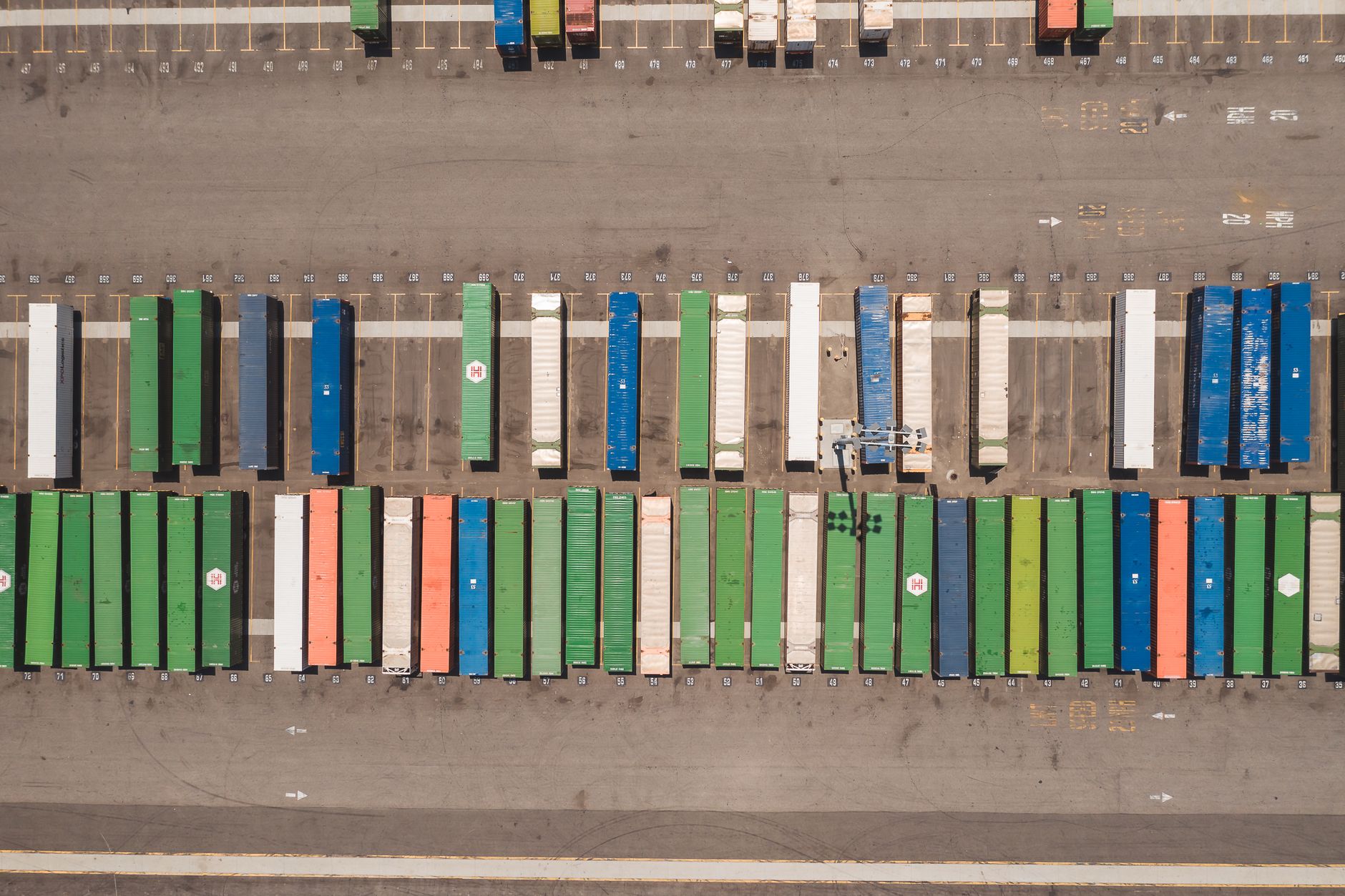
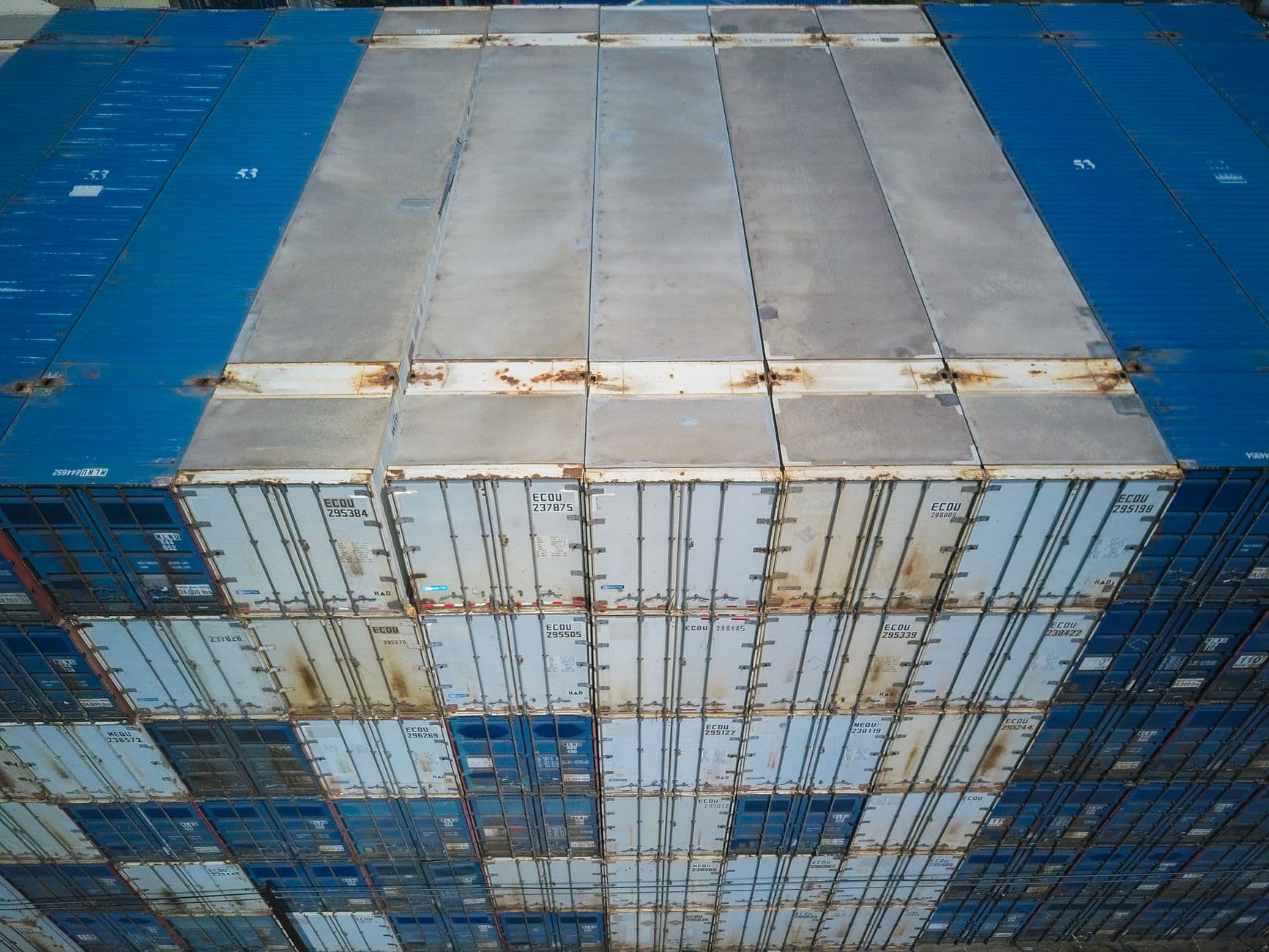
For too long, container demurrage & detention (D&D) have been treated as unavoidable evils—the cost of doing business. As a veteran who’s navigated everything from dispatcher queues to high-stakes brokerage deals, I can tell you that mindset is costing you thousands. Demurrage, the fee charged by the ocean carrier for containers occupying space at the terminal beyond the allotted free time, typically ranges from $100 to $400 per day. Detention, charged when the carrier's equipment (the container itself) is kept outside the port longer than allowed, can run $75 to $350 per day. These aren't minor penalties; they're financial landmines.
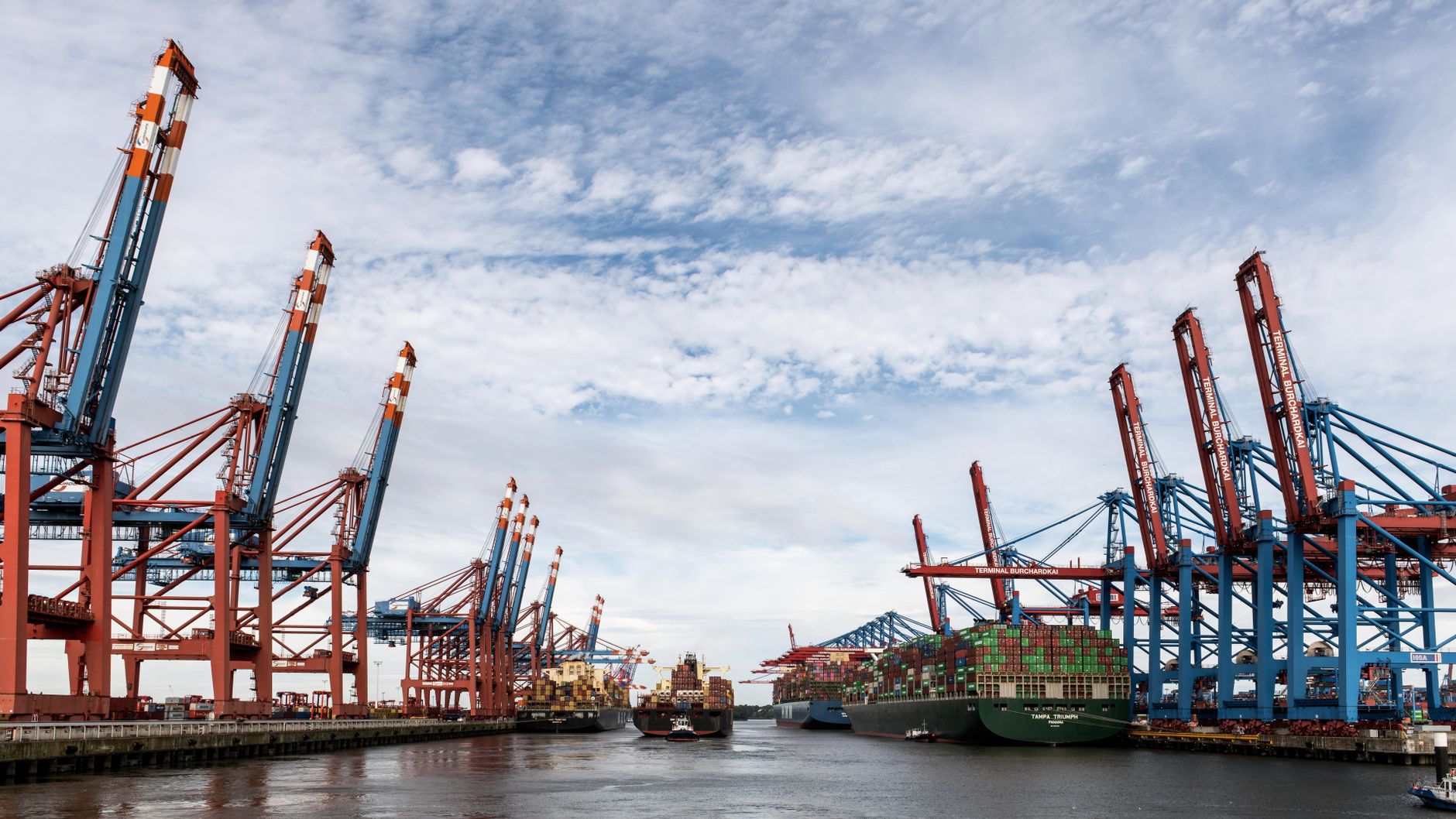
Most shippers only look at the base ocean freight rate, completely missing the fact that D&D can inflate their total landed cost by 15% or more if not managed meticulously. The root causes are often multifaceted: unforeseen port congestion, customs delays, chassis shortages, last-mile drayage inefficiencies, and critically, a lack of proactive, real-time visibility. When I was running my own trucks, a single hour's delay often meant missing a follow-on load, illustrating the cascading impact that starts long before the D&D clock even ticks. This isn't just about paying for storage; it's about paying for inefficiency across the entire supply chain.
"According to a 2023 FreightWaves survey, 68% of shippers cited unexpected demurrage and detention fees as a significant financial burden, with 45% reporting an average increase of over 10% on their total freight spend due to D&D — 2023."
The core problem isn't that ports are always congested; it’s that most traditional shipping processes operate on a reactive model. An email arrives stating your free time is almost up, and suddenly you're scrambling. This reactive approach is inherently flawed in a 2025 logistics landscape that demands precision and foresight. Your competition isn't just getting better rates; they're systemically eliminating these parasitic fees.
Why Your Current Strategy Fails: Beyond "Plan Ahead"
The generic advice to "plan ahead" or "communicate clearly" is a broken record in logistics, and frankly, it's why so many still struggle with container demurrage & detention. True planning in 2025 goes far beyond a calendar reminder. Your current strategy likely fails because it lacks granular data, relies on static communication, and often treats every shipment as a standalone event without leveraging cumulative intelligence.
I've seen countless logistics managers get burned because they assumed standard free time would be sufficient, only to be ambushed by unexpected vessel delays or customs holds. The industry-standard 3-5 days of free time is rarely enough for complex shipments navigating today's dynamic ports. Relying solely on carrier-provided portals for updates, while helpful, often provides data that's already stale, lacking the predictive edge needed to truly anticipate and mitigate issues.
"A recent analysis by the Journal of Commerce found that average port dwell times for import containers increased by 1.8 days across major U.S. ports between 2019 and 2023, making standard free time even more precarious for shippers — 2024."
Furthermore, many shippers fail to understand the nuanced interplay between ocean carrier, port terminal, customs, drayage provider, and consignee. A delay in one link isn't just a delay; it's a compounding interest accruing D&D charge. The fundamental flaw is a lack of end-to-end, integrated visibility that transforms disparate data points into actionable insights. Without this, you're essentially driving blind, waiting for the impact rather than steering clear of it. It's time to shift from hoping for the best to actively engineering for success.
Mastering Free Time: Your First Line of Defense Against Demurrage
Your first, and most potent, weapon against container demurrage & detention is aggressive free time negotiation. This isn't a perk; it's a strategic imperative. Most shippers passively accept the standard 3-5 days. This is a critical mistake that costs millions across the industry annually. I've personally seen how an extra 2-3 days of free time can prevent 70% of potential demurrage charges on a busy lane.
- Analyze Historical Data & Lane Specifics: Before you even think about booking, pull your historical data. What are your average dwell times for specific ports, commodities, and seasons? Don't just look at one carrier's performance; analyze the entire lane's reality. A shipper moving auto parts into the Port of Long Beach during peak season needs different free time than one moving textiles into Houston off-peak. Know your baseline.
- Negotiate Aggressively & Early: This conversation needs to happen *before* the contract is signed, ideally during your annual bid. Push for 7-10 days of free time as your standard, especially on high-volume lanes. Carriers are far more willing to concede on free time when they're securing a large, committed volume. Explain the cost savings this provides to *them* by ensuring smoother, quicker container turnover on their equipment.
- Audit Carrier Contracts Regularly: Don't just sign and forget. Regularly review your carrier contracts for D&D clauses. Are the rates competitive? Are there hidden surcharges? What are the dispute resolution processes? A strong contract with favorable D&D terms can save you up to $1,800 per container compared to standard, punitive clauses. Most professionals miss that the D&D rates themselves are negotiable, not just the free time.
The insider truth here is that carriers price in a certain amount of D&D risk. By demonstrating a proactive approach and negotiating longer free time, you're signaling a more predictable, less problematic relationship, which can make them more flexible. An additional three days of free time, for instance, could save a shipper $600 to $1,200 on demurrage alone for a single container, depending on the port and carrier rates.
Leveraging Technology for Predictive Detention Avoidance
In 2025, relying on sporadic email updates or carrier-specific portals for tracking is like using a flip phone in a smartphone era. To truly avoid container demurrage & detention, you need real-time, predictive visibility that integrates across your entire supply chain. This means moving beyond knowing where your container is, to knowing where it *will be*, and what challenges it might face.
- Integrate API-Based Tracking Beyond Carrier Portals: Your ocean carriers have APIs; so do most ports and major drayage providers. Instead of logging into multiple systems, integrate these data streams into a single dashboard. This gives you a unified, up-to-the-minute view of vessel arrival, container discharge, gate-out predictions, and drayage movements. Loadly’s platform, for instance, offers robust real-time tracking that helps you proactively manage your shipments and even browse live LTL loads near you for drayage or onward transport, drastically improving visibility.
- Set Smart Alerts and Geofencing: Implement automated alerts for critical milestones: vessel at anchorage, container discharged, first day of demurrage approaching, drayage driver en route, and empty return. Use geofencing to trigger notifications when a container enters or exits specific zones, allowing you to react within minutes, not hours or days. This granular alerting system is crucial for a 20-30% reduction in reactive fire-fighting.
- Utilize Predictive AI for Congestion Hotspots: Modern visibility platforms don't just show you current data; they use historical trends and machine learning to predict potential delays. Identify which ports are experiencing surges, which terminals have chassis shortages, or which customs offices are backlogged. This allows you to divert, re-prioritize, or pre-arrange alternative solutions *before* your container is caught in the vortex. Shippers leveraging predictive analytics have reported an 18-25% reduction in demurrage and detention incidents compared to those relying on static tracking.
The insider's edge here is understanding that not all "real-time" data is created equal. True predictive visibility anticipates problems by analyzing historical dwell times for specific vessel lines, commodities, and terminals, not just providing current location. This allows you to schedule drayage more accurately, often saving $500-$1,000 per shipment by avoiding unnecessary driver wait times or re-deliveries.
Optimizing Drayage Operations to Combat Port Congestion
While ocean carriers get blamed for demurrage, a significant portion of detention fees, and even some demurrage, stems from inefficiencies in your drayage and last-mile operations. This is where the rubber meets the road, and often, where the clock runs out.
- Pre-Clear Customs & Prepare Documentation Proactively: Don't wait until the vessel is docking to ensure your customs paperwork is in order. Engage your customs broker weeks in advance. Any discrepancies, missing permits, or holds can delay release and chew through your free time. Aim for customs release at least 48 hours prior to vessel arrival, a step that often gets overlooked but can prevent days of demurrage.
- Pre-Book Chassis & Drayage Capacity: This is a non-negotiable in congested ports. Chassis pools are notoriously unreliable. Secure your chassis and drayage driver *before* your container hits the ground. Work with drayage partners who have access to private chassis pools or their own equipment, rather than relying solely on shared pools. A missed drayage appointment due to chassis unavailability or driver shortage can trigger immediate detention charges, costing $150-$500 in rescheduling fees and extra D&D per incident.
- Streamline Communication with Drayage Providers & Consignees: Provide clear, concise instructions to your drayage provider, including exact pick-up numbers, terminal appointments, and delivery windows. Crucially, ensure your consignee is ready to receive the container immediately. Unprepared receiving docks are a major source of detention. Implementing a standardized check-call protocol, perhaps every 2 hours on live loads, ensures everyone is aligned. The most seasoned logistics managers understand that a proactive phone call is often more effective than 10 emails when coordinating drayage.
An insider tip: Many shippers don't realize that some drayage carriers offer "drop-and-hook" services, which can be invaluable for avoiding detention. Instead of a live unload, the driver drops the loaded container and picks up an empty, allowing the consignee more time to unload at their convenience, often for a minimal extra fee. This strategy alone can reduce driver detention by 75% on average, shifting the burden from time-sensitive live unloads.
Key Takeaways
- Negotiate extended free time (7-10 days) with ocean carriers during annual bids to save $600-$1,200 per container.
- Implement API-based, real-time tracking with predictive analytics to anticipate delays and reduce D&D incidents by 18-25%.
- Pre-clear customs at least 48 hours before vessel arrival to prevent initial demurrage accrual.
- Secure drayage and chassis capacity before your container lands, prioritizing providers with private chassis.
- Streamline communication with drayage partners and consignees, utilizing a check-call protocol for 20-30% faster turnarounds.
- Audit your carrier contracts regularly, understanding and negotiating D&D clauses beyond just free time.
- Consider drop-and-hook drayage services to shift unloading pressure and reduce driver detention by up to 75%.
- Understand that D&D fees are preventable surcharges, not unavoidable costs, requiring a proactive, data-driven approach.
Frequently Asked Questions
What is the difference between container demurrage and detention?
Container demurrage is a fee charged by the ocean carrier for using their equipment (the container) while it occupies space at the port terminal beyond the allotted free time. Detention, on the other hand, is a fee charged by the carrier when their equipment is kept outside the port (at the consignee's facility or during transit) for longer than the agreed-upon free time.
How much does demurrage and detention typically cost per day?
Demurrage charges can range from $100 to $400 per day, with rates often escalating significantly after the initial free time period. Detention fees are generally in the range of $75 to $350 per day. These costs can vary widely depending on the port, the shipping line, equipment type, and current market conditions.
What are the primary causes of demurrage and detention fees?
The primary causes include port congestion and delays in vessel arrival/unloading, customs holds or incomplete documentation, chassis shortages at the port, inefficient drayage operations, and unprepared consignees leading to prolonged unloading times. Unexpected issues at any point in the supply chain can quickly trigger these charges.
Can I negotiate free time to avoid these fees?
Yes, absolutely. Negotiating extended free time (typically 7-10 days instead of the standard 3-5) is one of the most effective strategies to mitigate demurrage and detention. This negotiation should ideally occur during annual carrier contract discussions, leveraging your shipping volume to secure more favorable terms.
How can real-time tracking help reduce container demurrage and detention?
Real-time tracking provides granular visibility into your container's journey, from vessel movements to drayage progress. By integrating data via APIs and setting up smart alerts, logistics managers can anticipate potential delays, pre-emptively address issues like customs holds or chassis shortages, and proactively coordinate drayage and receiving, thereby significantly reducing the risk of incurring D&D charges.
Streamlining Your Supply Chain & Avoiding Container Demurrage Detention with Loadly
The reality of container demurrage & detention fees in 2025 demands a proactive, data-driven strategy. As someone who’s battled these costs from every angle, I know the frustration of seeing your hard-earned margins erode. The strategies outlined here—aggressive free time negotiation, leveraging predictive visibility, and optimizing drayage—aren't theoretical; they're battle-tested tactics that work. The difference between those who thrive and those who merely survive often boils down to mastering these hidden costs.
You don't have to face this challenge alone. Modern platforms are designed to bring the necessary visibility and control directly to your fingertips. Ready to take control of your supply chain and eliminate hidden fees? Join the Loadly platform today and connect with reliable carriers that prioritize efficiency.