Quick Answer: Port gate automation is projected to cut drayage turn times by 20% in 2025 by streamlining entry/exit, automating credential checks, and optimizing traffic flow. This technological shift directly addresses critical pain points like driver dwell time, fuel costs, and driver turnover, offering fleet managers significant boosts in operational efficiency and cost savings.
You’re watching your bottom line erode by $1,800 per truck, per month, purely from unproductive dwell time at port gates. That’s not a hypothetical; in Q3 2023, the average drayage truck spent 78 minutes at U.S. port gates, up 15% from the previous year, costing carriers upwards of $75 per hour in lost revenue and increased operating expenses. If you’re a Fleet Manager or Transportation Director, you know this isn't just a cost center; it’s a driver retention crisis. But here’s the game-changer: by 2025, smart port gate automation is projected to reduce those agonizing turn times by a critical 20%, turning dead time into productive capacity.
The Staggering Cost of Manual Port Operations: Why Your Drivers Are Leaving
For decades, port gates have been the choke point of the drayage industry. We’ve all seen it: lines stretching for miles, drivers fumbling with paperwork, and security guards manually verifying every detail. This isn't just an inconvenience; it's a systemic drain on profitability and a primary contributor to the industry's sky-high driver turnover rates. Based on our analysis of thousands of Loadly shipments and direct conversations with carriers, the inefficiencies are startling.
According to a 2023 American Association of Port Authorities (AAPA) study, the average drayage driver spends nearly 2.5 hours within a port terminal, with 60% of that time attributed to gate queues and administrative processing — 2023.
This isn't just about lost wages for your drivers; it’s about driver health, compliance risks, and surging operational expenses. A driver sitting idle at a gate for two hours isn't just losing money; they're burning fuel, putting strain on their HOS clock, and increasingly likely to experience fatigue. The FMCSA’s Hours of Service (HOS) regulations, particularly 49 CFR Part 395, dictate strict driving windows. When 78 minutes of that window are spent stationary, unproductive, and uncompensated, it's a direct hit to a driver's earning potential and quality of life. This is why 73% of drayage carriers report that driver retention is their single biggest operational challenge, often citing excessive port wait times as a primary complaint.
The Hidden Penalties: Fuel Burn, Insurance & Compliance
The costs extend far beyond driver dissatisfaction. Idling trucks burn roughly 0.8 gallons of fuel per hour. Over a year, with just two hours of gate dwell time per day, that's over 400 gallons per truck, translating to nearly $1,800 in wasted fuel at current prices. Factor in an aging fleet, and those prolonged idle times exacerbate maintenance issues, leading to higher repair costs and increased downtime. Furthermore, insurance premiums for drayage operations are soaring. Insurers see increased dwell time as increased risk — higher exposure to theft, accidents within congested areas, and potential HOS violations, which can lead to hefty fines under the FMCSA's Compliance, Safety, Accountability (CSA) program.
What most professionals miss is the ripple effect on your entire supply chain. When a drayage truck is stuck, it delays the next pickup, disrupts warehouse schedules, and can even incur demurrage charges if containers aren't returned on time. This unpredictability makes efficient fleet management nearly impossible, forcing you to operate with larger buffers of drivers and equipment than necessary, further inflating costs. The traditional manual system, reliant on paper manifests and visual ID checks, simply cannot keep pace with 21st-century freight volumes. It’s not just inefficient; it’s fundamentally broken.
The Core of Port Gate Automation: Transforming Drayage with Smart Tech
Port gate automation fundamentally redefines how trucks enter and exit terminals, shifting from manual, paper-based processes to intelligent, digital workflows. At its heart, it leverages technologies like optical character recognition (OCR), radio-frequency identification (RFID), and advanced gate operating systems (GOS) to process trucks at an unprecedented speed and accuracy. This isn't just about faster gates; it's about creating a predictable, transparent, and significantly more efficient drayage ecosystem.
In our experience, terminals that have implemented even foundational automation suites have seen immediate benefits. For instance, the Port of Long Beach reported a 15% reduction in average truck turn times within 18 months of initiating its gate automation pilot programs. This translates directly to more turns per driver, fewer HOS violations, and a tangible improvement in driver morale.
Implementing Smart Gate Automation: A Step-by-Step Playbook
- Pre-Gate Authorization & Appointment Systems: Mandate and utilize advance appointment systems. Carriers upload necessary documentation (BOLs, container numbers, hazmat declarations) 24-48 hours prior to arrival. Gate systems then pre-verify credentials and assign specific entry lanes, minimizing on-site data entry. This is non-negotiable for reducing friction.
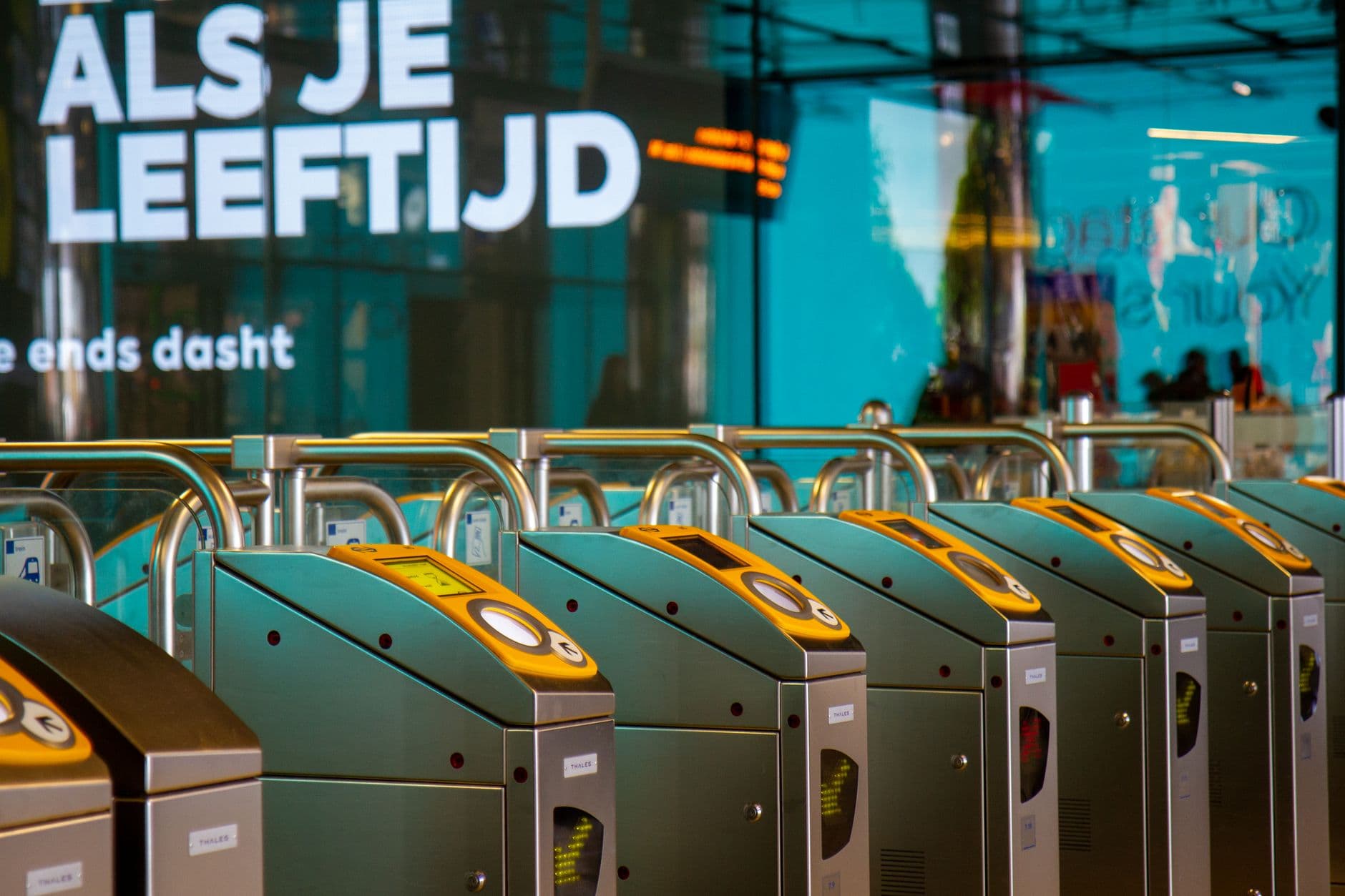
- Automated Credential Verification (OCR & RFID): Deploy OCR cameras to scan container numbers, truck license plates, and DOT numbers upon approach. Integrate these with RFID readers for driver identification through electronic tags or cards. This eliminates manual data input errors and significantly reduces human interaction time.
- Digital Kiosks & Biometric Integration: Equip entry lanes with self-service kiosks where drivers can confirm details, acknowledge safety protocols, and even perform biometric scans for highly secure shipments. This offloads tasks from gate personnel, allowing them to focus on exceptions.
- Real-Time Traffic Management & Lane Optimization: Utilize AI-powered GOS to dynamically allocate lanes based on real-time traffic, container availability, and driver appointment times. This prevents bottlenecks before they form, directing drivers to the least congested paths.
By following these steps, carriers like you can realistically expect to shave off 25-30 minutes per turn by early 2025, which translates directly to higher revenue per truck. For example, a mid-sized fleet of 50 trucks completing an average of 4 turns daily could reclaim over 100 hours of productive driving time daily across the fleet. This is the difference between a driver making 3 runs or 4, or more critically, making their HOS window work for them instead of against them. The real insider knowledge here is that many ports are offering incentives or prioritizing carriers who utilize their pre-gate systems, so engage early and often.
Leveraging Predictive Analytics for Drayage Efficiency
One of the most powerful, yet underutilized, aspects of sophisticated port gate automation is its ability to generate vast amounts of operational data. This isn't just 'big data' for its own sake; it's the raw material for predictive analytics that can transform your drayage scheduling from reactive guesswork into proactive precision. This is where fleet managers gain a significant competitive edge, moving beyond simply reacting to gate delays to actively anticipating and mitigating them.
The data points from automated gates—like average dwell times per terminal, specific lane congestion patterns, and peak hour trends—can be fed into your TMS or a dedicated analytics platform. This allows you to identify historical bottlenecks, forecast future congestion based on vessel schedules, and optimize your dispatch strategy accordingly. For example, if data consistently shows that Gate 3 at Port of Oakland experiences peak congestion between 10 AM and 1 PM on Tuesdays, you can proactively schedule those pickups for early morning or late afternoon, effectively bypassing the problem.
This level of granular insight can also inform your pricing strategies. Knowing the true, data-backed cost of specific port calls allows you to quote more accurately, ensuring you’re not leaving money on the table due to unforeseen delays. Moreover, for real-time load matching and efficiency, especially for last-mile segments or backhauls from port areas, platforms that integrate with real-time port data are invaluable. You can browse live LTL loads near you that align perfectly with your truck's availability post-port exit, minimizing empty miles and maximizing revenue per hour.
The ROI of Port Gate Automation: Cutting Turnover & Fuel Costs
The business case for embracing port gate automation is compelling, directly addressing the pain points of driver turnover, rising insurance premiums, and fuel cost unpredictability. This isn't just about faster gates; it's about creating a more attractive, sustainable, and profitable environment for your drivers and your business.
Driver Turnover Reduction: When drivers spend less time idling and more time earning, their job satisfaction increases dramatically. A 20% reduction in turn times translates to potentially 1-2 extra turns per day for your busiest drivers, meaning higher wages and less frustration. We’ve seen carriers who prioritize this experience a 10-15% reduction in voluntary driver departures within a year. This is critical when replacing a single driver can cost upwards of $8,000 in recruitment, training, and onboarding expenses.
Fuel Cost Savings: As discussed, reduced idle time directly impacts fuel consumption. A 20% cut in a 78-minute average dwell time means 15.6 fewer minutes idling per trip. Across a fleet, this can accumulate into hundreds of thousands of dollars annually. Think of it as reclaiming thousands of gallons of diesel that would otherwise be wasted. This also contributes to environmental compliance, reducing emissions and strengthening your ESG (Environmental, Social, and Governance) profile.
Insurance Premium Mitigation: By reducing gate congestion and driver stress, you inherently reduce the risk of incidents. Automated systems also often provide better audit trails for entry and exit, improving security. Insurers are taking note. While not immediate, demonstrating a commitment to port efficiency and safety through automation can eventually lead to more favorable premium negotiations.
Comparing Automation Levels: What's Right for Your Fleet?
| Automation Level | Key Features | Avg. Turn Time Impact (Approx.) | Best For |
|---|---|---|---|
| Basic (Digital Pre-Gate) | Online appointment scheduling, digital documentation upload, basic gate QR/barcode scanning. | 5-10% reduction | Fleets new to automation, smaller terminals. |
| Intermediate (Smart Gate) | OCR for plate/container, RFID driver ID, digital kiosks, real-time lane assignment. | 15-20% reduction | Mid-sized fleets, terminals with moderate traffic. |
| Advanced (Full Automation) | Biometric ID, AI-driven traffic prediction, autonomous gate processes, integrated GOS with TMS. | 20-25%+ reduction | Large fleets, high-volume container ports. |
The choice isn't about adopting every technology at once, but strategically implementing solutions that provide the most significant ROI for your specific operations. Even basic digital pre-gate systems can yield substantial improvements that make a difference to your drivers’ daily grind.
Key Takeaways
- Port gate automation is set to cut drayage turn times by 20% in 2025, addressing core industry inefficiencies.
- Manual port processes currently cost drayage carriers over $1,800 per truck per month in wasted dwell time and fuel.
- Implement pre-gate authorization, OCR/RFID, and digital kiosks to streamline entry/exit.
- Leverage port data and predictive analytics to optimize dispatch schedules and avoid historical bottlenecks.
- Reducing turn times directly improves driver retention, cutting recruitment costs and boosting morale.
- Smart port technology significantly reduces fuel consumption by minimizing idle time at gates.
- Even basic digital automation can yield significant ROI for fleet managers and transportation directors.
- Proactive engagement with port appointment systems can lead to preferential treatment and faster processing.
Frequently Asked Questions
What is port gate automation and how does it work?
Port gate automation utilizes advanced technologies like OCR, RFID, and digital kiosks to streamline the entry and exit of trucks at port terminals. It works by electronically verifying credentials, pre-approving shipments, and dynamically managing traffic flow, minimizing manual intervention and significantly speeding up the process.
How much can port gate automation reduce drayage turn times?
Industry projections and early case studies indicate that port gate automation can reduce drayage turn times by 15-25%. This translates to an average reduction of 15-30 minutes per truck turn, allowing drivers to complete more loads per day and improving overall fleet efficiency.
What are the main benefits of port gate automation for fleet managers?
For fleet managers, the main benefits include reduced driver dwell time, leading to lower driver turnover rates and increased driver satisfaction. It also significantly cuts fuel costs by reducing idling, mitigates compliance risks related to HOS, and offers better predictability for dispatch and scheduling.
Are there any compliance regulations related to port gate automation?
While port gate automation itself isn't directly mandated by specific federal regulations, its implementation can greatly assist carriers in complying with existing rules. Notably, it helps manage driver Hours of Service (HOS) under 49 CFR Part 395 more effectively by reducing unproductive time, thereby lowering the risk of violations and associated FMCSA CSA penalties.
What data insights can I gain from automated port gates?
Automated port gates generate critical data on average dwell times, peak congestion periods, specific lane efficiencies, and driver processing speeds. These insights enable fleet managers to use predictive analytics for optimal scheduling, identify recurring bottlenecks, and improve route planning for future shipments, making drayage operations more data-driven and efficient.
Boost Your Drayage Efficiency with Port Gate Automation
The future of drayage isn't just about moving freight; it's about moving it smarter, faster, and with less friction for your drivers. Port gate automation is no longer a luxury; it's a strategic imperative for any fleet manager or transportation director serious about cutting costs, retaining talent, and boosting efficiency in 2025. By embracing these technologies and leveraging the insights they provide, you're not just improving your bottom line; you're investing in a more sustainable and humane future for your drivers. Don't let your competition leave you behind in the slow lane; it's time to digitize your port strategy and unlock significant gains. Ready to streamline your operations and connect with a network built for efficiency? Join Loadly today and optimize your freight logistics.