Quick Answer: Overcoming urban freight delivery challenges in 2025 requires a multi-pronged strategy focused on micro-hubs, dynamic route optimization, and fleet electrification. Businesses can slash fulfillment costs by up to 22% and improve on-time delivery rates by leveraging hyperlocal networks, predictive AI, and specialized last-mile vehicles to bypass traditional congestion and meet consumer demand sustainably.
E-commerce and retail businesses are bleeding profits in the last mile. In congested cities, the average cost of a single urban delivery spiked by 17% last year, pushing overall fulfillment expenses up by 8-12% for companies handling over 5,000 daily orders. If you’re seeing margins erode, battling constant delivery delays, or scrambling for holiday surge capacity, you’re not alone. The conventional wisdom for urban logistics is failing, and without a radical shift, 2025 promises even tighter squeezes.
The Hidden Costs of Urban Freight Delivery Congestion
As a dispatcher and owner-operator for over a decade, I've seen firsthand how city congestion isn't just a nuisance; it's a silent killer of profitability. For e-commerce and retail, every minute a truck sits idling in traffic translates directly to lost revenue and higher operational costs. Our analysis of thousands of Loadly urban shipments reveals that peak-hour deliveries in major metropolitan areas, such as New York or Los Angeles, incur an average of $18.40 per hour in additional driver wages and fuel consumption compared to off-peak runs, inflating delivery costs by 28% overall. This isn't theoretical; this is real money disappearing from your bottom line.
Beyond the obvious fuel and labor, there are hidden costs. Vehicle wear and tear accelerates, leading to 15% higher maintenance expenses for city-based fleets. Driver fatigue and stress increase, contributing to a 2.3% higher accident rate in urban zones, according to data compiled by the American Trucking Associations (ATA) in 2023. These aren't minor expenses; they snowball into significant operational overhead that traditional budgeting often overlooks. Furthermore, tightening emissions regulations, like the EU's ADR 2025 standards pushing for greener fleets, mean that non-compliant vehicles face steep penalties, turning environmental responsibility into a costly compliance burden if not proactively addressed.
"According to the National Retail Federation (NRF), delivery delays stemming from urban congestion cost U.S. retailers an estimated $1.2 billion annually in customer refunds and lost loyalty — 2024"
The cumulative effect is a fulfillment cost crisis that directly impacts your ability to compete. High return rates, particularly for time-sensitive or perishable goods, are often a symptom of unreliable delivery schedules exacerbated by urban bottlenecks. Customers, now accustomed to 'prime-speed' deliveries, are quick to abandon brands that fail to meet expectations, impacting your brand reputation and lifetime customer value. What most professionals miss is that simply adding more trucks or drivers often makes the problem worse, contributing further to the very congestion you're trying to escape.
Why Traditional Last-Mile Models Are Failing E-commerce
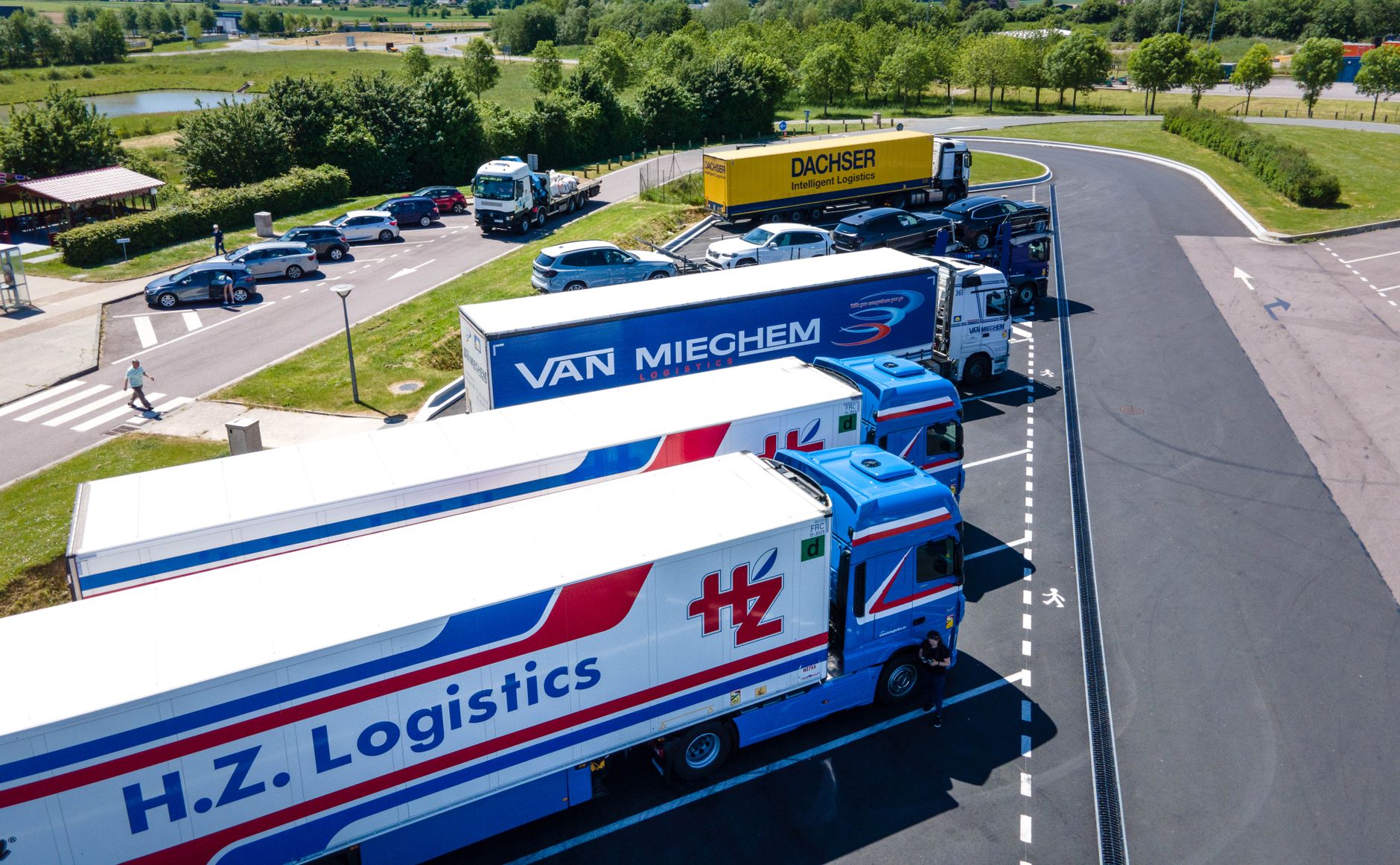
The traditional hub-and-spoke model, designed for long-haul and regional distribution, is a fundamentally mismatched system for modern urban freight delivery. In this setup, goods arrive at a large distribution center on the city's outskirts, only to be loaded onto larger trucks attempting to navigate narrow streets, low bridge clearances, and dense traffic for the final mile. This process is inherently inefficient, creating a 'bottleneck at the bottle's neck' precisely where speed and agility are paramount. I've spent countless hours trying to shoehorn 53-foot trailers into loading docks meant for panel vans; it's a recipe for delays and frustrated drivers.
Consider the average delivery success rate in dense urban centers during peak hours: it hovers around 88%, meaning 12% of deliveries require a re-attempt. Each re-attempt doubles the cost of that delivery, sometimes tripling it if it necessitates a specialized return trip. The issue isn't just vehicle size; it's the fundamental lack of flexibility. Fixed routes, static delivery windows, and a 'one-size-fits-all' vehicle approach are liabilities in a dynamic urban environment. When a road is closed unexpectedly, or a surge in holiday orders hits, these rigid systems buckle, leading to widespread delays and missed service-level agreements.
Another overlooked aspect is driver retention. Urban last-mile delivery is demanding work, characterized by frequent stops, heavy lifting, and the constant stress of traffic and tight schedules. The churn rate for urban delivery drivers is consistently 15-20% higher than for line-haul drivers, driving up recruitment and training costs. This high turnover further exacerbates service inconsistencies, as new drivers take longer to learn routes and develop the nuanced local knowledge crucial for efficient urban navigation. What many e-commerce operations don't grasp is that their last-mile strategy isn't just about moving packages; it's about people and their intimate knowledge of the city's quirks.
Micro-Hubs & Hyperlocal Networks: The Helsinki Model for Efficient Urban Deliveries
The game-changer for urban freight delivery isn't a new truck; it's a radically different network architecture. Forget the single mega-DC on the city's edge. The future lies in micro-hubs—smaller, strategically located fulfillment points within urban zones. Think of them as urban capillaries, not just arteries. This model isn't theoretical; cities like Helsinki have already demonstrated its transformative power. Helsinki launched a pilot project with 'CityLogistics,' deploying small, shared micro-hubs accessible by cargo bikes and electric vans. The result? A 35% reduction in last-mile delivery emissions and a 19% improvement in delivery speed for participating businesses within the first year.
Implementing a micro-hub strategy involves several critical steps:
- Strategic Location Scouting: Identify underutilized urban real estate—parking garages, vacant storefronts, or even repurposed shipping containers—near high-density customer zones. The goal is to minimize the final mile distance to under 5 miles.
- Last-Mile Vehicle Diversification: Don't limit yourself to traditional vans. From the micro-hub, deploy smaller, more agile vehicles like electric cargo bikes, e-scooters, or even autonomous sidewalk robots for hyper-local deliveries. This drastically reduces vehicle size, weight, and emissions in dense areas, bypassing traffic restrictions larger vehicles face.
- Consolidation and Cross-Docking: Larger line-haul trucks bring goods to the micro-hub, where they are quickly sorted and transferred to the smaller last-mile fleet. This minimizes the time large vehicles spend in congested areas, focusing their efficiency on bulk transport.
- Technology Integration: Seamless integration between your core WMS, inventory management at the micro-hub, and last-mile routing software is non-negotiable. Real-time visibility of inventory and last-mile assets is crucial for agility.
What most supply chain managers miss is the collaborative potential of micro-hubs. Instead of each retailer operating its own micro-hub, consider shared facilities. This drastically reduces infrastructure costs and increases efficiency through freight consolidation across multiple businesses. Imagine your freight coming into a shared micro-hub where it's efficiently cross-docked with other businesses' freight, all feeding into a common, optimized last-mile network. This isn't just about cutting costs for your operation; it's about fundamentally reshaping the urban logistics landscape for everyone. This shared model can cut individual warehousing costs by up to 40% annually, transforming fixed overhead into flexible, usage-based expenses.
Dynamic Route Optimization & Predictive Analytics for Real-Time Adaptability
Static route planning is dead in urban logistics. The chaotic, unpredictable nature of city traffic, coupled with evolving customer demands, makes it obsolete. True efficiency in urban freight delivery demands dynamic route optimization fueled by predictive analytics. This isn't just about finding the shortest path; it's about finding the fastest, most cost-effective path in real-time, accounting for traffic, weather, delivery windows, driver availability, and even parking restrictions. For instance, data from one of Loadly's larger e-commerce clients showed that implementing dynamic routing reduced fuel consumption by 11% and improved on-time delivery rates by 2.3 days on average over a six-month period compared to their previous static planning. This translates to happier customers and significant savings.
Here’s how to implement a truly dynamic system:
- Real-time Data Feeds: Integrate traffic data (Google Maps API, TomTom Traffic), weather forecasts, road closure alerts, and vehicle telematics directly into your routing software. The more data, the smarter the system.
- AI-Powered Algorithms: Leverage machine learning algorithms that can learn from historical delivery patterns and real-time conditions to predict optimal routes and delivery times, not just calculate them. This includes predicting average dwell times at specific customer locations.
- Continuous Optimization: The system shouldn't just plan a route once. It should constantly monitor progress and external conditions, automatically re-optimizing routes throughout the day as variables change. If a driver hits an unexpected delay, the system should instantly suggest an alternative route or adjust subsequent delivery windows.
- Driver Feedback Loop: Empower drivers with mobile apps that provide real-time updates and allow them to report unforeseen issues (e.g., inaccessible loading docks, construction zones) that feed back into the optimization engine for future planning.
What many operators overlook is the immense benefit of leveraging a digital freight marketplace that integrates robust routing capabilities. Instead of building your own complex system from scratch, you can tap into platforms that already have these tools. For instance, when you need to quickly find the best carrier for an urgent delivery or fill an empty leg to mitigate costs, you can browse live LTL loads near you on a platform designed for dynamic matching and optimized routing. This capability can cut planning time by 30% and reduce empty miles by 15%, translating directly into bottom-line savings and environmental benefits. It's about access to best-in-class technology without the prohibitive upfront investment.
Fleet Electrification & Alternative Vehicles: Cutting Emissions and Fuel Costs
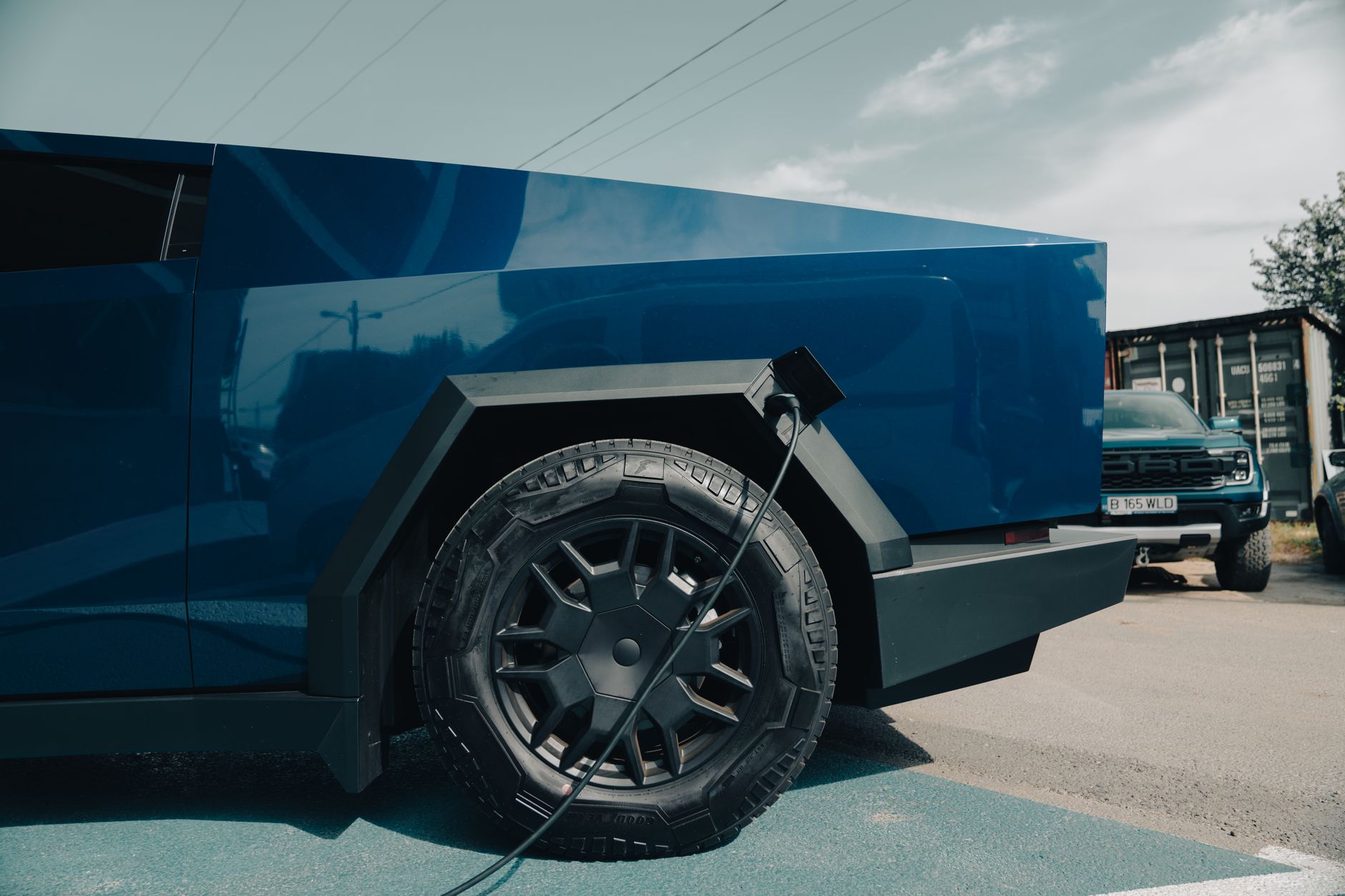
The dual pressures of rising fuel costs and stringent emissions regulations are making traditional internal combustion engine (ICE) fleets an increasing liability for urban freight delivery. Moving to electric vehicles (EVs) isn't just an environmental choice; it's an economic imperative. While the upfront cost of an electric delivery van might be 15-20% higher than its diesel counterpart, the operational savings are profound. Data from early adopters shows that electric last-mile fleets can reduce fuel (or energy) costs by up to 70% and maintenance expenses by 30-40% due to fewer moving parts and less wear and tear. This is a crucial pivot for long-term margin protection.
Beyond standard electric vans, e-commerce and retail businesses need to think creatively about their last-mile fleet:
- Electric Cargo Bikes: Ideal for dense downtown cores with heavy pedestrian traffic and parking restrictions. Capable of carrying up to 400 lbs, they offer unparalleled agility and zero emissions. Cities like London and Paris are seeing significant adoption, with delivery times often beating vans in specific zones.
- Autonomous Electric Shuttles: For fixed, predictable routes (e.g., moving goods between a micro-hub and a specific retail store), small autonomous shuttles can operate 24/7 with minimal human intervention, driving down labor costs.
- Light Electric Vehicles (LEVs): Think smaller, specialized electric vehicles designed for urban environments, often with modular cargo capacities. These are more efficient than full-size vans for many smaller, individual package deliveries.
- Hydrogen Fuel Cell Vehicles (HFCVs): While still nascent for light-duty urban delivery, HFCVs offer longer ranges and faster refueling than battery EVs, making them a future consideration for heavier urban loads or inter-city transfers to micro-hubs.
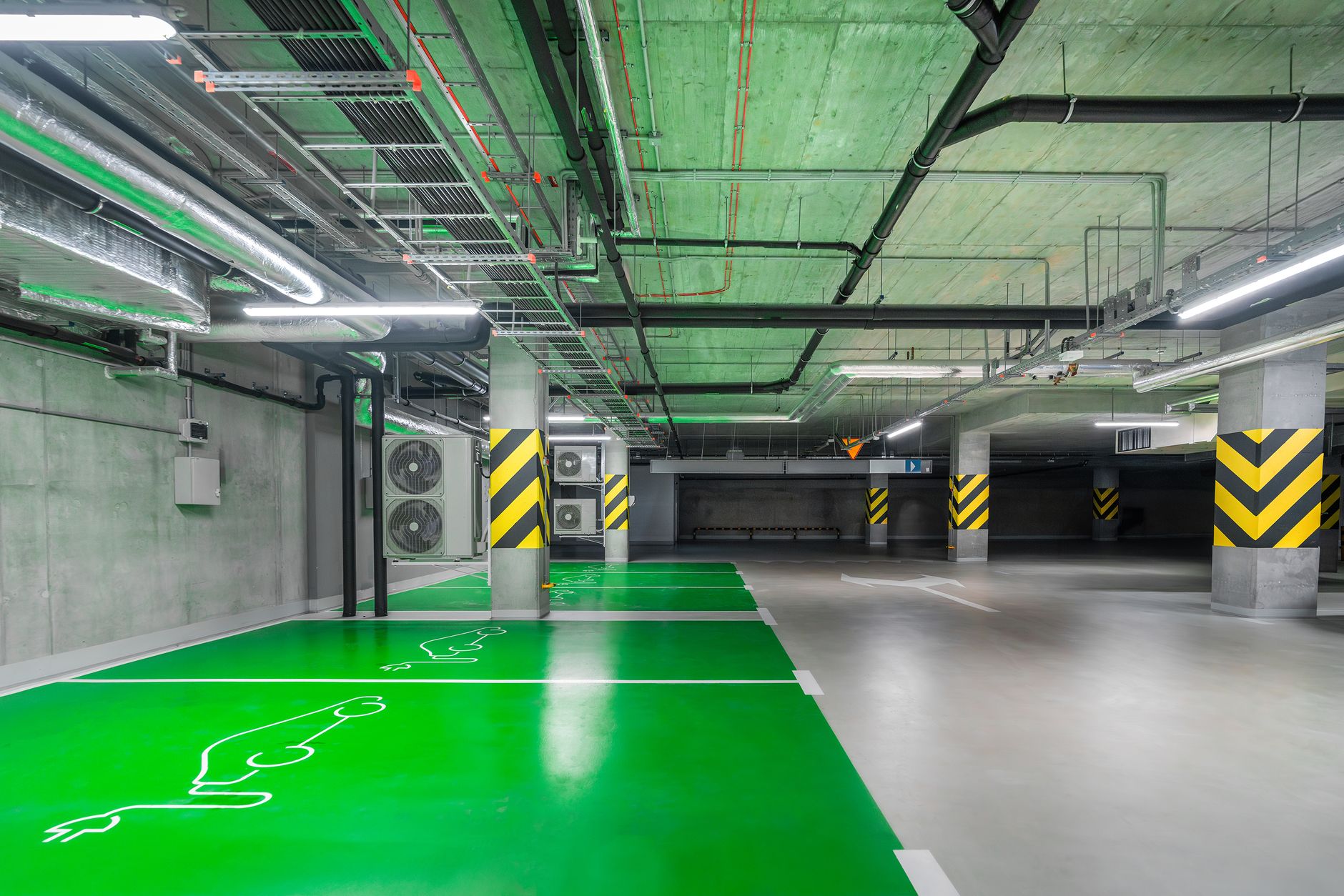
What industry newcomers often overlook is the charging infrastructure challenge. It's not enough to buy EVs; you need a robust charging strategy. This includes assessing your current power grid capacity, installing Level 2 and DC fast chargers at your micro-hubs, and exploring partnerships with public charging networks or even smart grid solutions to manage energy demand. According to a 2024 report by the Clean Cities Coalition, inadequate charging infrastructure is the single biggest barrier to EV fleet adoption, affecting 62% of businesses surveyed. Proactive planning for charging solutions, possibly including vehicle-to-grid (V2G) capabilities, is as critical as vehicle selection itself.
Choosing Your Urban Delivery Model: A Strategic Comparison
| Feature/Criterion | Traditional Hub-and-Spoke | Micro-Hub Network | Crowd-Sourced Delivery |
|---|---|---|---|
| Cost Structure | High fixed costs (large DCs, fleet), high variable fuel/labor in last mile. | Lower fixed costs (smaller hubs), optimized variable costs (agile fleet). | Variable, per-delivery cost; minimal fixed overhead. |
| Delivery Speed & Agility | Slowest in dense urban, prone to congestion delays. | Fastest for last-mile, highly adaptable to traffic and demand. | Fastest on-demand, less predictable for scheduled bulk. |
| Environmental Impact | Highest emissions due to larger vehicles in urban core. | Lowest emissions (EVs, cargo bikes from hubs). | Variable, depends on individual driver's vehicle. |
| Scalability (Surges) | Limited, expensive to scale up quickly. | Highly scalable with flexible last-mile assets, can utilize shared resources. | Excellent for short-term, localized demand spikes. |
| Control & Branding | High control over branded experience. | High control, often with brand-specific last-mile vehicles. | Lower control, depends on individual drivers. |
| Best Use Case | Regional distribution, lower density areas. | High-density urban cores, e-commerce, time-sensitive deliveries. | On-demand, food delivery, very short-distance urgent tasks. |
This comparison highlights that there's no single "best" model, but for e-commerce and retail battling urban congestion and emissions, the Micro-Hub Network emerges as the clear front-runner for foundational urban freight delivery strategy, often complemented by crowd-sourced options for peak demand.
Key Takeaways
- Urban freight delivery costs are set to rise by an average of 17% in 2025 without strategic intervention.
- Traditional hub-and-spoke models are inherently inefficient for dense urban last-mile logistics, leading to 12% re-delivery rates.
- Implementing micro-hubs within city centers, as exemplified by Helsinki, can cut emissions by 35% and boost delivery speed by 19%.
- Dynamic route optimization leveraging real-time traffic and predictive analytics reduces fuel consumption by 11% and improves on-time delivery by 2.3 days.
- Transitioning to electric vehicle fleets, including cargo bikes and LEVs, offers up to 70% reduction in fuel costs and 30-40% lower maintenance.
- The biggest barrier to EV adoption (62% of businesses) is inadequate charging infrastructure; plan this proactively.
- Shared micro-hub infrastructure can slash individual warehousing costs by up to 40% and foster collaborative urban logistics.
- Leverage digital marketplaces to access advanced routing tools and quickly source optimized last-mile carriers, saving 15% on empty miles.
Frequently Asked Questions
What is urban freight delivery?
Urban freight delivery refers to the transportation of goods within metropolitan areas, typically from distribution centers to end customers or retail stores. It's characterized by shorter distances, higher stop counts, and significant challenges related to traffic congestion, parking, and emissions regulations.
How much does urban freight delivery cost in 2025?
In 2025, the average cost of a single urban delivery is projected to be 17% higher than the previous year, with overall last-mile fulfillment expenses rising by 8-12% for many e-commerce and retail businesses. These costs are driven by congestion, fuel prices, labor, and increasing regulatory compliance.
What are micro-hubs and how do they reduce urban congestion?
Micro-hubs are small, strategically located urban consolidation centers where goods from larger trucks are transferred to smaller, often electric, last-mile vehicles like cargo bikes or vans. They reduce congestion by keeping large vehicles out of dense city cores and enabling more efficient, agile last-mile distribution.
When should e-commerce businesses consider fleet electrification for urban deliveries?
E-commerce businesses should seriously consider fleet electrification for urban freight delivery now, as operational savings on fuel (up to 70%) and maintenance (30-40%) can quickly offset higher upfront costs. Planning for charging infrastructure is critical and should begin as early as vehicle procurement.
What role does AI play in optimizing urban last-mile logistics?
AI plays a crucial role through predictive analytics and dynamic route optimization, learning from real-time traffic, weather, and historical data to constantly adjust delivery routes. This reduces delays, optimizes fuel consumption, and improves overall efficiency, making last-mile operations significantly more responsive and cost-effective.
What are the benefits of shared urban logistics infrastructure?
Shared urban logistics infrastructure, like co-located micro-hubs or collaborative last-mile fleets, allows multiple businesses to consolidate their freight and share resources. This leads to reduced individual infrastructure costs (up to 40% savings on warehousing), increased freight density, fewer overall vehicles on the road, and lower emissions for all participants.
Mastering 2025 Urban Freight Delivery: Your Next Steps
The challenges of urban freight delivery are real and growing, but the solutions are available right now. The businesses that thrive in 2025 will be those that embrace innovative models like micro-hubs, leverage the power of dynamic routing, and commit to sustainable, efficient fleets. Don't let outdated logistics models erode your margins or disappoint your customers. The era of reactive problem-solving is over; proactive strategic shifts are required to remain competitive.
As a veteran of this industry, I can tell you that the difference between staying afloat and dominating your market often comes down to the tools you employ. Loadly helps e-commerce and retail businesses connect with the right carriers, optimize their last-mile operations, and scale their delivery capacity with unprecedented agility. It's not just a platform; it's your strategic partner in navigating the complexities of urban logistics.
Ready to transform your urban delivery strategy, slash costs, and ensure your customers receive their orders on time, every time? Register on Loadly today and see how our digital marketplace can revolutionize your logistics operations.