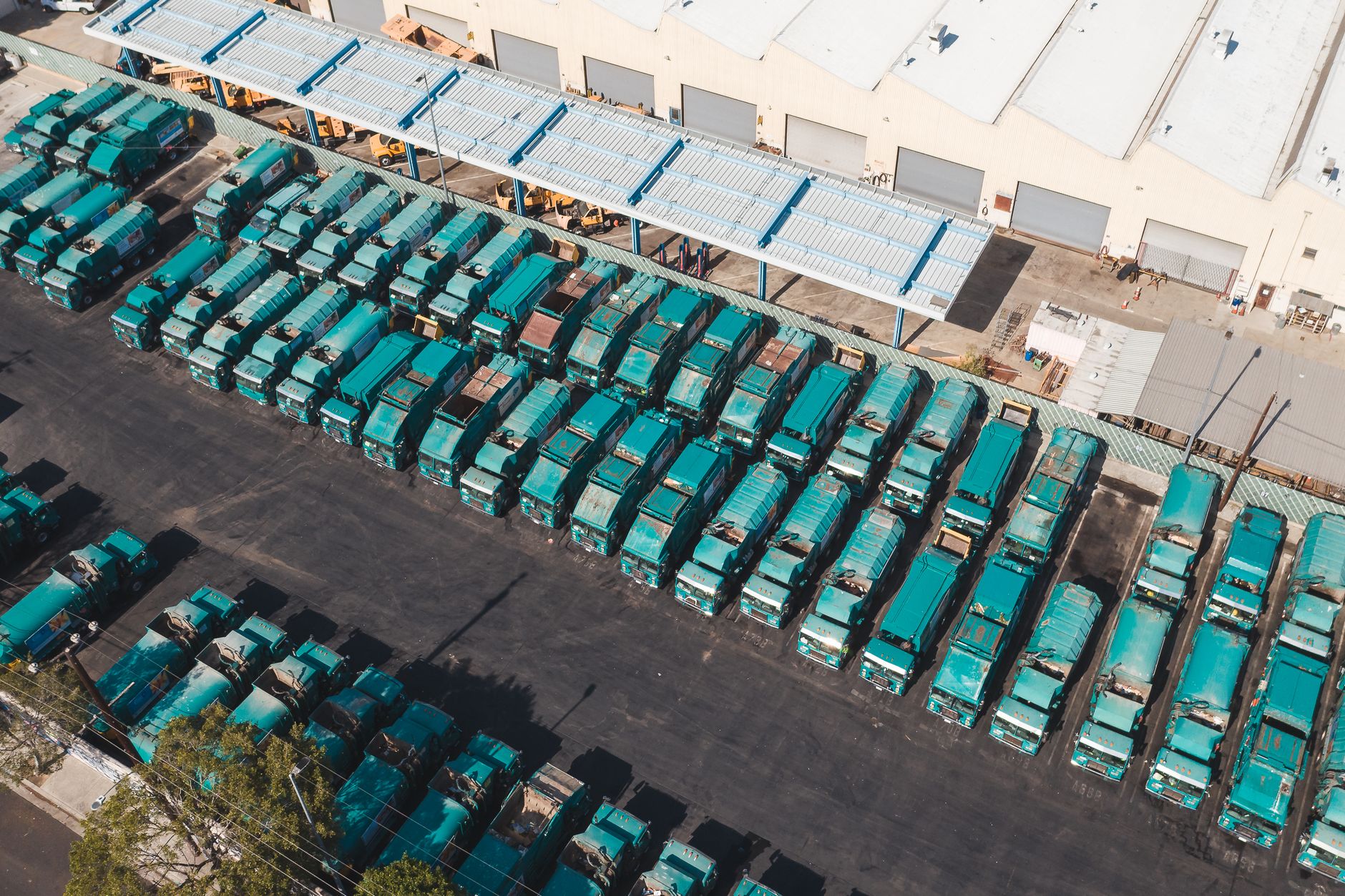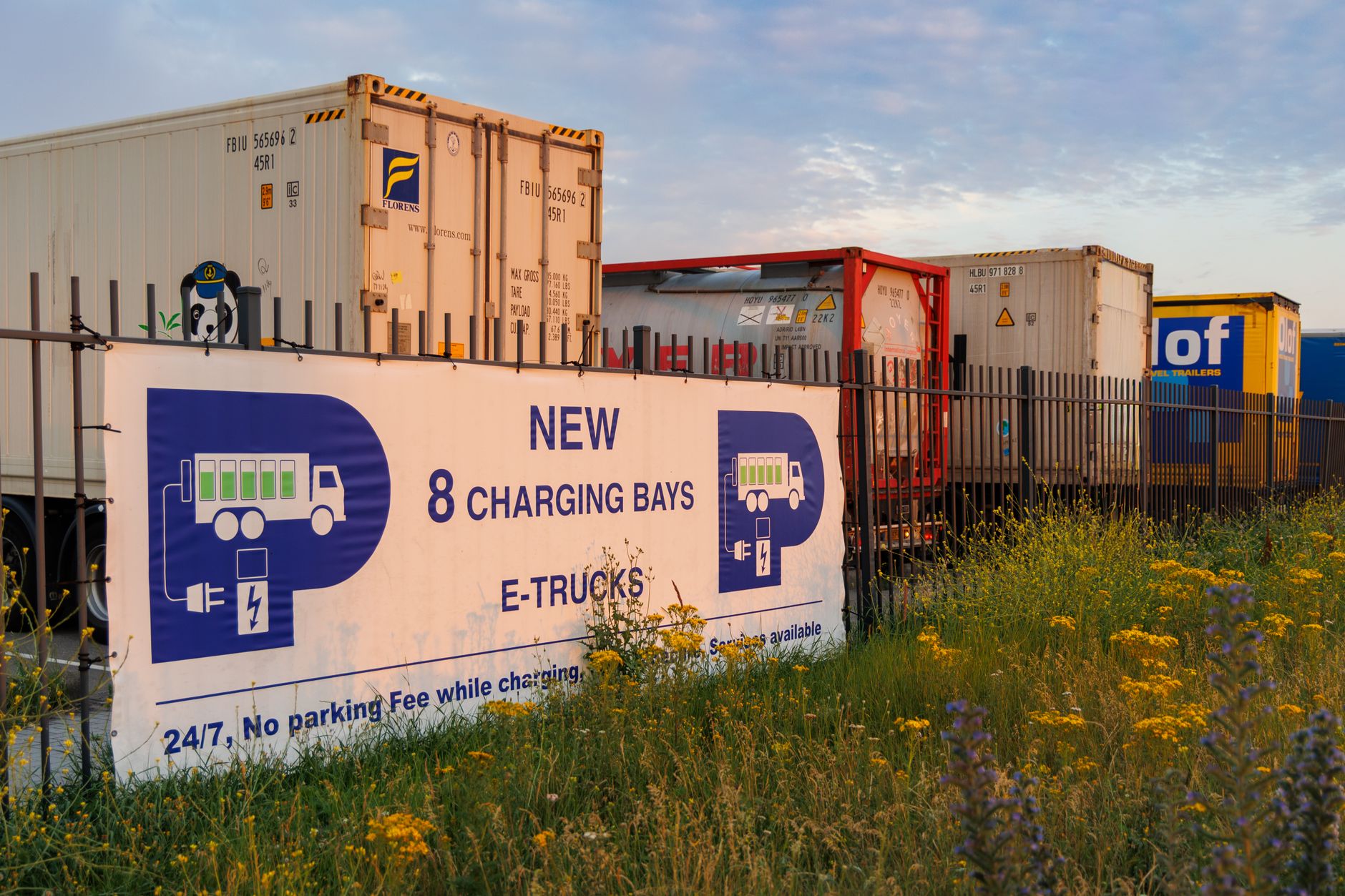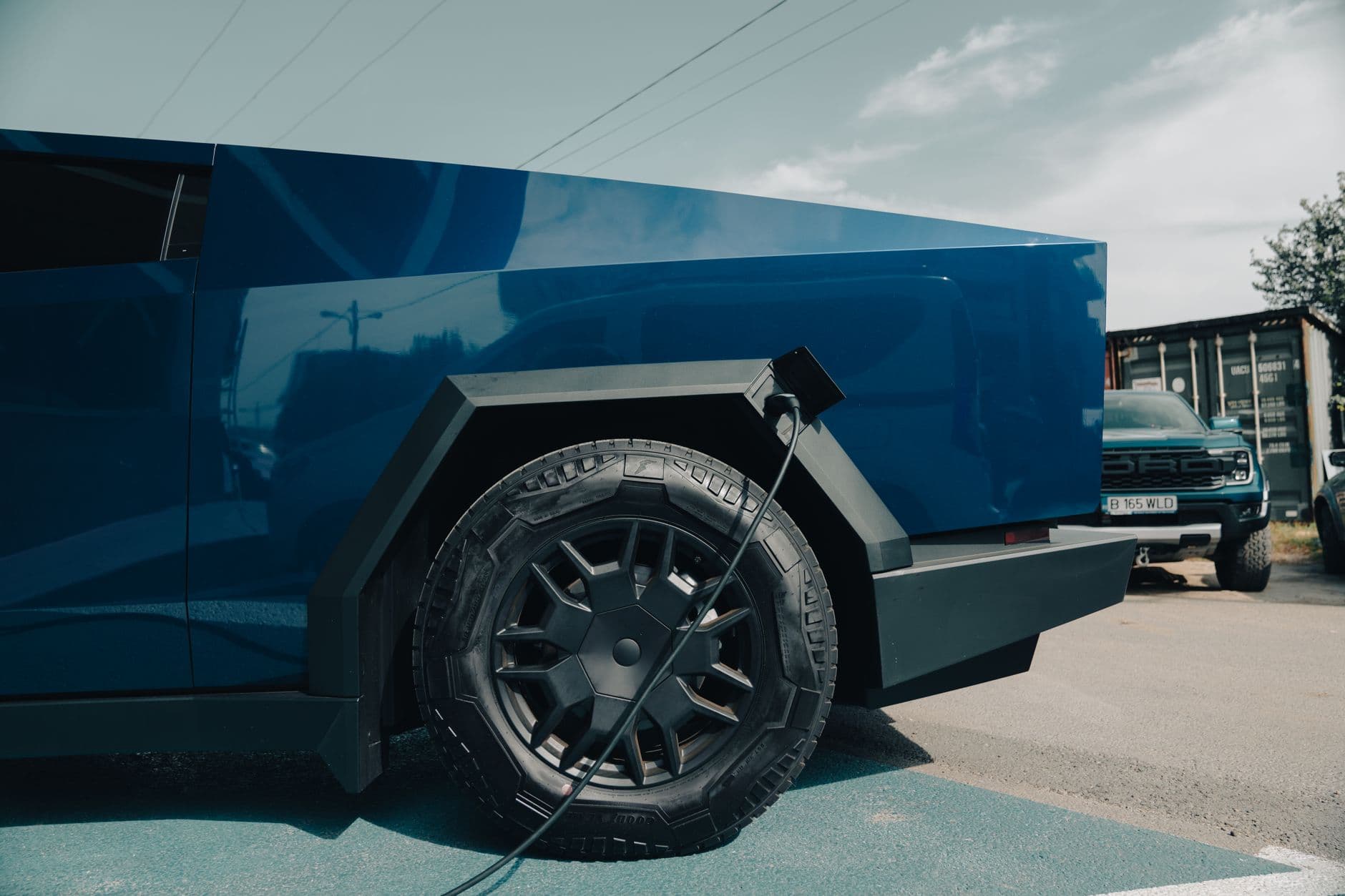
Quick Answer: Planning for electric truck charging in 2025 demands a proactive regional infrastructure analysis, strategic leveraging of federal and state incentives, and optimized depot energy management. Fleet managers must prioritize detailed route assessments, invest in smart charging hardware and software, and implement comprehensive driver training to mitigate range anxiety and ensure operational continuity, especially concerning peak demand charges and grid capacity.
In 2024, I spoke with a small regional carrier in Ohio who just received a grant for two Class 8 electric trucks. Six months later, those trucks were sidelined 40% of the time, not due to mechanical issues, but because their depot couldn't handle the power draw without hitting punitive peak demand charges from the utility. This unexpected cost wiped out nearly $12,000 in projected annual fuel savings, turning a visionary move into a cash flow headache. The reality for fleet managers in 2025 isn't just about buying electric trucks; it's about mastering the complex, often unpredictable world of electric truck charging infrastructure before it turns your green initiative red.
The Hidden Costs of Unplanned Electric Truck Charging Infrastructure
Fleet electrification promises substantial reductions in fuel costs and maintenance, yet without a robust charging strategy, these benefits evaporate, replaced by new, often unseen financial drains. The most insidious cost is operational downtime. A recent report from the American Trucking Associations (ATA) suggests that inadequate charging availability or power can lead to Class 8 EV trucks being unavailable for routes 15-20% more often than their diesel counterparts in early adoption phases. For a truck generating $1,200-$1,800 in gross revenue per day, this translates to an average lost opportunity of $27,000 to $54,000 per truck annually, directly impacting your bottom line and contributing to driver turnover due as their earnings drop.
"According to a 2023 analysis by the North American Council for Freight Efficiency (NACFE), the primary barrier to electric truck adoption is not vehicle cost, but rather the complexity and capital expenditure required for charging infrastructure — 67% of surveyed fleets cited this as their top challenge."
Beyond downtime, fleet managers consistently underestimate the true cost of utility upgrades. Simply adding a few DC Fast Chargers (DCFCs) can necessitate transformer replacements, new switchgear, or even entirely new service lines from the grid. These can range from $50,000 for minor upgrades to well over $1 million for extensive overhauls, with lead times stretching 12-24 months. Failure to factor these timelines into your 2025 plans guarantees delays and costly project deferrals. Many carriers mistakenly assume existing industrial power will suffice, only to learn that peak demand charges from concurrent charging can inflate electricity bills by 30-50% compared to baseline consumption, eroding any perceived fuel savings. This unpredictable spike in utility costs, driven by how and when you charge, becomes a far more volatile expense than diesel ever was.
Compliance & Grid Strain: Overlooked Risks in EV Transition
The regulatory landscape for EV charging infrastructure is rapidly evolving, often leaving fleets playing catch-up. Local zoning laws for high-voltage installations, fire codes for battery storage, and utility interconnection agreements present distinct compliance challenges. Violations can lead to hefty fines or project shutdowns, further delaying ROI. Furthermore, the existing grid isn't universally prepared for mass commercial EV adoption. In areas with aging infrastructure or high industrial demand, simply requesting a large power upgrade can trigger costly, prolonged studies by the utility, sometimes resulting in a refusal or a multi-year waitlist. This isn't theoretical; I've seen smaller carriers lose out on significant grant funding because their local utility couldn't guarantee the necessary power by the project deadline. The common mistake is viewing charging as an operational expense like fuel, rather than a critical, capital-intensive infrastructure project with long-term strategic implications.
Mapping Your 2025 Electric Truck Charging Network: Regional Growth & Pinch Points
Successfully integrating electric trucks means understanding where your charging opportunities truly lie—and where they don't. Don't rely on general EV charger maps. For commercial fleets, the focus shifts to Class 8-capable DCFCs and the specific regional corridors seeing investment. In 2025, look beyond the coasts. The "Texas Triangle" (Houston-Dallas-San Antonio) and the I-5 corridor in the Pacific Northwest are experiencing accelerated public-private partnerships for heavy-duty EV charging. Expect the number of multi-megawatt charging depots at major freight hubs in these areas to increase by 40% in 2025 alone, largely driven by state-level incentive programs and private sector investments from entities like Electrify America and Daimler Truck North America. Your immediate action item: identify your top 5-10 most frequent long-haul routes and map out every available commercial-grade DCFC (150kW+) within a 200-mile radius. This granular approach, rather than a broad sweep, highlights genuine charging deserts.
- Route-Specific Energy Audits: Before anything else, conduct a detailed energy audit for each specific route your electric trucks will run. This isn't just about mileage; it's about elevation changes, average speeds, ambient temperature, and cargo weight. These factors can reduce real-world range by 15-30% compared to manufacturer estimates. Use telematics data from your existing diesel fleet to simulate EV performance, predicting energy consumption within a 5% margin of error.
- Strategic Partner Engagement: Connect with logistics parks, distribution centers, and major shippers on your routes. Many are now exploring installing their own charging infrastructure for inbound/outbound fleets. Negotiating access to these private stations can significantly expand your network without capital outlay. This is where a marketplace like Loadly truly shines, allowing you to browse live LTL loads near you and identify high-volume lanes where such partnerships are forming, giving you a tangible edge in negotiating rates and access.
- Identify "Charging Deserts" with Precision: Any segment of your critical routes exceeding 150 miles without a commercial DCFC (150kW+) is a potential operational bottleneck. Prioritize these areas for either private depot investment or lobbying for public charging development. A common mistake is assuming passenger EV chargers can substitute; the connector types, voltage, and charging speeds are often incompatible or too slow for heavy-duty trucks, leading to unacceptable dwell times.
What most professionals miss: While public charging networks are growing, the real competitive advantage in 2025 comes from securing access to dedicated, high-power depot charging. Relying solely on public infrastructure will expose your fleet to unpredictable wait times and varying pricing structures, both of which erode operational efficiency and driver satisfaction. Focus 80% of your planning on controlled, private charging solutions and 20% on supplementing with verified public options.
Securing Funding: Navigating 2025 Government Incentives for Fleet Electrification
The capital expenditure for EV trucks and charging infrastructure is significant, but a wealth of government incentives exists to offset these costs. In 2025, the game-changer remains the Inflation Reduction Act (IRA), which offers a Clean Commercial Vehicle Tax Credit up to $40,000 per vehicle for Class 7 and 8 EVs, provided they meet specific weight and battery capacity requirements. Critically, these credits are "transferable," meaning you can transfer the credit to the dealership at the point of sale, effectively reducing the purchase price immediately, rather than waiting for tax season. However, eligibility often hinges on battery component sourcing, so verify with your OEM that your chosen model qualifies. Don't make the mistake of assuming all EVs are equal under the IRA; I've seen fleets miss out because their vehicles contained too many non-compliant components.
Beyond federal credits, state-level programs offer substantial boosts. California's Hybrid and Zero-Emission Truck and Bus Voucher Incentive Project (HVIP) can provide up to $240,000 per truck, and combined with federal incentives, it can cover 50-70% of the incremental cost of an electric truck. New York's NYSERDA Truck Voucher Incentive Program and similar initiatives in Massachusetts, New Jersey, and Colorado are scaling up their offerings for 2025. The key is "stacking" incentives—combining federal, state, and even local air quality grants. This often requires diligent research and multiple application processes, but it’s the difference between a marginal investment and a financially compelling one. Many fleet managers stop at federal tax credits, missing out on hundreds of thousands in state-specific grants that are often less competitive and easier to secure if you know where to look.
- Designate a Grant Specialist: The landscape of grants is complex and constantly changing. Either dedicate an internal resource or hire a specialized consultant whose sole job is to track new programs, understand eligibility, and manage applications. The average successful grant application package requires 40-60 hours of preparation.
- Understand "Buy America" Clauses: Many federal grants and some state programs now include "Buy America" provisions, mandating that a certain percentage of vehicle components or charging equipment be manufactured domestically. Verify compliance early with your suppliers; a non-compliant component can disqualify your entire project.
- Plan for Program Longevity: While incentives are robust now, they can change or expire. Structure your electrification rollout in phases, prioritizing vehicles and infrastructure that can capitalize on current, reliable programs while building flexibility for future shifts in policy. Don't bet your entire transition on a single, expiring incentive.
"The Inflation Reduction Act's commercial clean vehicle tax credit, when combined with strategic state-level funding, reduces the total cost of ownership for Class 8 battery-electric trucks by an average of 35% over a 7-year lifespan, making them cost-competitive with diesel in specific use cases, assuming optimized charging."
Insider knowledge: Don't chase every grant. Focus on the ones that align perfectly with your fleet's operational profile and geographic footprint. A "free money" grant that forces you to deploy in a region with no operational logic for your business is a strategic misstep, not a win. Sometimes, the administrative burden and restrictive terms outweigh the financial benefit. Prioritize grants that support your existing high-volume routes and depot locations.
Optimizing Depot Charging: Smart Energy Management & Grid Integration Strategies
Your depot isn't just a parking lot; it's the nerve center of your electric fleet's operational efficiency. Without intelligent charging management, your EV savings will be devoured by astronomical utility bills, primarily due to peak demand charges. These charges, levied by utilities based on your highest single spike in power consumption during a billing cycle, can account for 40-70% of your total electricity bill for high-power DCFC installations. The common mistake is simply installing chargers; the smarter approach involves sophisticated energy management systems (EMS) that orchestrate charging schedules, integrate energy storage, and even utilize renewable sources. For example, deploying a 50kW DCFC without an EMS during peak afternoon hours could trigger an extra $1,500-$2,500 in demand charges per month, completely offsetting fuel savings.
- Implement Dynamic Load Management: A sophisticated EMS system monitors your site's total power consumption and dynamically adjusts charging rates for individual vehicles to stay below a predetermined demand threshold. This prevents costly spikes. For a 20-truck fleet, this alone can reduce your annual electricity spend by 20-30% compared to unmanaged charging.
- Invest in On-Site Energy Storage (Batteries): Consider deploying battery energy storage systems (BESS). These units can store cheaper off-peak electricity or power generated from on-site solar, then discharge it during peak demand hours, effectively "shaving" your demand peaks. A 200kWh BESS can typically support multiple DCFCs, potentially saving $5,000-$10,000 annually in demand charges, depending on your utility's tariff structure.
- Explore Vehicle-to-Grid (V2G) Capabilities: While still nascent for heavy-duty, some OEMs are building V2G readiness into their trucks. This allows your parked EVs to discharge excess battery power back to the grid during peak demand times, generating revenue or offsetting your own energy costs. Monitor pilot programs; integrating V2G could become a significant revenue stream by 2027.
"Fleets implementing smart charging and energy management systems have reported a 28% reduction in total electricity costs for their EV charging infrastructure, significantly improving the ROI of their electrification efforts."
Insider projection: By late 2025, expect most major commercial charging providers to offer 'Charging as a Service' (CaaS) models that include dynamic load management and demand charge mitigation. For smaller fleets without the capital for full EMS integration, these subscription-based services will be crucial. Don't sign a CaaS contract without a guaranteed maximum demand charge; that's your protection against utility bill shock.
Fleet & Driver Adaptation: Overcoming Range Anxiety and Turnover with EV Training
The best charging infrastructure is useless if your drivers can’t or won’t use it effectively. Driver adaptation is often the most overlooked component of EV fleet transition, yet it directly impacts utilization, range anxiety, and, critically, driver retention. The average cost to replace a Class 8 truck driver currently sits at $8,000-$12,000, and mishandling EV integration can exacerbate this. Drivers accustomed to refueling in 15 minutes and relying on a nationwide diesel network face a psychological shift with EVs. Their primary concern is range anxiety—not just running out of power, but the fear of unpredictable charging times, availability, and potential route delays. This isn't about teaching them to plug in; it's about re-training them on a fundamentally different operational paradigm.
- Mandatory EV-Specific Training Modules: Develop comprehensive training that covers more than just driving. Include modules on:
- Regenerative Braking: How to maximize energy recapture, often adding 5-15% to effective range in varied terrain. This is a skill, not a habit.
- Route Planning with Charging Stops: Training on using in-cab telematics to identify charging stations, monitor state of charge, and understand "buffers" for unexpected delays.
- Pre-conditioning & Charging Protocols: Proper cold-weather pre-conditioning and understanding various charger types and payment systems.
- Integrate EV Telematics into Dispatch: Your dispatchers need real-time data on battery state-of-charge, estimated range, and charging station availability. Implement software that allows dispatch to proactively re-route or schedule charging stops, alleviating driver stress. This isn't just about GPS; it's about energy management on the fly.
- Pilot Programs with Veteran Drivers: Start your EV transition by training your most experienced, adaptable drivers. Their positive experiences and feedback can become powerful internal advocates, easing the transition for others. Offer incentives for participation and successful adoption; a $500 bonus for completing advanced EV training can pay dividends in avoided turnover.
"Studies show that comprehensive, EV-specific driver training can reduce range anxiety by 40% and improve energy efficiency by 12% in the first year of operation, directly impacting operational uptime and fuel savings."
What most fleet managers miss: The "human factor" is often treated as an afterthought. Driver skepticism and discomfort can stall even the most well-planned EV rollout. Prioritize extensive, hands-on training and transparent communication about charging infrastructure limitations and solutions. A driver who trusts the system is a driver who stays. Conversely, a driver stranded or delayed due to charging will quickly seek employment elsewhere, costing your fleet significantly more than the cost of proper training and support.
Comparing Commercial Electric Truck Charging Solutions (2025)
| Feature | Level 2 AC Charging (Depot) | DC Fast Charging (Depot) | Public DC Fast Charging Network |
|---|---|---|---|
| Power Output (Typical) | 19.2 kW | 50 kW - 350+ kW | 50 kW - 350+ kW |
| Charging Time (Class 8) | 8-12+ hours (Overnight) | 1-3 hours (Top-off/Mid-shift) | 1-2 hours (Top-off/En Route) |
| Infrastructure Cost (per port) | $5,000 - $15,000 | $50,000 - $200,000+ | N/A (Pay-per-use) |
| Best Use Case | Overnight charging at home depot for local/regional routes. Low demand charge risk. | Rapid charging at home depot, opportunity charging for regional routes, managing peak demand. | Emergency charging, supplementing range on long-haul routes, new market exploration. |
| Key Advantage | Lowest capital cost, lowest ongoing electricity cost (if smart managed). | Fast turnaround, high utilization potential, critical for maximizing fleet uptime. | Flexibility, no capital outlay, expanding network coverage. |
| Key Challenge | Slow speed limits route flexibility; requires long dwell times. | High capital cost, significant utility upgrade potential, high peak demand charges if unmanaged. | Unpredictable availability/queues, variable pricing, compatibility issues, security concerns. |
The strategic blend of these solutions is crucial. For regional fleets (250-mile radius), prioritizing depot Level 2 for overnight and strategically placed DCFC for daytime top-offs is often the most cost-effective. For long-haul, a hub-and-spoke model leveraging high-power depot DCFCs with carefully vetted public network stops is essential.
Key Takeaways
- Unplanned electric truck charging infrastructure can erase $27,000-$54,000 in annual revenue per truck due to downtime and increased driver turnover.
- Conduct route-specific energy audits and map commercial-grade DCFCs (150kW+) within a 200-mile radius of critical routes to identify charging deserts.
- Actively stack federal incentives (IRA tax credit up to $40,000) with state programs (e.g., California HVIP up to $240,000) to cover 50-70% of incremental EV costs.
- Implement dynamic load management systems and consider battery energy storage at depots to cut peak demand utility charges by 20-30%.
- Invest in mandatory, EV-specific driver training focusing on regenerative braking and intelligent route planning to reduce range anxiety by 40% and improve efficiency by 12%.
- Don't assume existing industrial power or passenger EV chargers are sufficient; commercial heavy-duty charging requires dedicated high-power infrastructure.
- Prioritize securing access to dedicated, high-power depot charging solutions over sole reliance on public networks for predictable operations and cost control.
- Regularly check emerging "Charging as a Service" (CaaS) models, but always ensure guaranteed maximum demand charge clauses to protect against utility bill shock.
Frequently Asked Questions
What is the average cost of an electric truck charging station?
The average cost for a commercial electric truck charging station varies significantly based on power output. A Level 2 (AC) charger can range from $5,000 to $15,000 per port, excluding installation. DC Fast Chargers (DCFC) for heavy-duty trucks (50kW-350kW+) typically cost between $50,000 and $200,000 per port, not including the potential for multi-million dollar utility upgrades required for high-power installations. Installation, trenching, wiring, and utility service upgrades can add 50-200% to these hardware costs.
How long does it take to charge a commercial electric truck?
Charging time for a commercial electric truck depends on its battery size and the charger's power output. A typical Class 8 electric truck with a 500-600 kWh battery can take 8-12+ hours to fully charge using a Level 2 (19.2 kW) AC charger, suitable for overnight depot charging. With a 150 kW DC Fast Charger, a 0-80% charge can be achieved in approximately 2.5-3.5 hours. Ultra-fast 350 kW+ chargers can reduce this to around 1-1.5 hours for the same charge, but these are less common and require significant grid infrastructure.
What government incentives are available for electric truck charging?
In 2025, government incentives for electric truck charging primarily include federal programs like the Inflation Reduction Act's (IRA) Alternative Fuel Vehicle Refueling Property Credit, offering up to 30% or $100,000 per charging station. State programs such as California's HVIP (Hybrid and Zero-Emission Truck and Bus Voucher Incentive Project) and various air quality improvement grants often provide additional funding for both vehicles and associated infrastructure. Many utilities also offer rebates for commercial EV charging installations. It's crucial to research and combine these federal, state, and local incentives for maximum financial benefit.
How does electric truck charging impact fleet operations?
Electric truck charging significantly impacts fleet operations by shifting from a rapid "refuel" model to a more managed "recharge" strategy. This requires meticulous route planning to incorporate charging stops, dynamic dispatching based on battery state-of-charge, and sophisticated depot energy management to avoid high peak demand utility charges. The impact is primarily seen in longer dwell times, the need for driver training on EV nuances (e.g., regenerative braking), and the requirement for robust telematics to optimize charging schedules and predict range accurately. Without careful planning, it can lead to increased downtime and driver turnover.
What are the key challenges of electric truck charging infrastructure?
The key challenges for electric truck charging infrastructure include high upfront capital costs for hardware and necessary utility upgrades (often exceeding $1 million for large depots), prolonged lead times for grid interconnection (12-24 months), and the complexity of managing peak demand charges from utilities. Additionally, the limited availability of commercial-grade public DC Fast Chargers, particularly on major freight corridors, creates "charging deserts" that can restrict route flexibility. Driver training and overcoming range anxiety also pose significant operational hurdles that, if not addressed, can impact fleet efficiency and driver retention.
Ready to Electrify Your Fleet? The Future of Electric Truck Charging Starts Now
Navigating the transition to an electric fleet doesn't have to be a gamble. The insights and strategies outlined in this guide, born from years in the trenches of freight logistics, aren't theoretical; they're actionable steps to ensure your fleet is prepared for the 2025 electric truck charging landscape. By prioritizing a data-driven approach to infrastructure planning, aggressively pursuing available incentives, implementing smart energy management, and investing in your drivers, you can sidestep the common pitfalls that sideline less prepared carriers. Don't let fuel cost unpredictability or maintenance headaches from aging diesel fleets hold you back. The future of freight is electric, and with the right strategy, your fleet can lead the charge efficiently and profitably. When you're ready to optimize your operational efficiency and find smarter ways to move freight, consider exploring how Loadly connects carriers with high-value loads suited for a more sustainable future. Take the first step towards a more profitable, electrified operation today by creating your free account and gaining access to a network built for tomorrow's logistics. Join Loadly and power up your fleet's future.