Quick Answer: Adhering to 2025 customs bond requirements is non-negotiable for U.S. importers, ensuring compliance with CBP regulations and guaranteeing payment of duties, taxes, and fees. A valid bond prevents costly port delays, fines, and even cargo seizure, requiring importers to actively audit bond sufficiency and type (continuous vs. single entry) based on import volume and value.
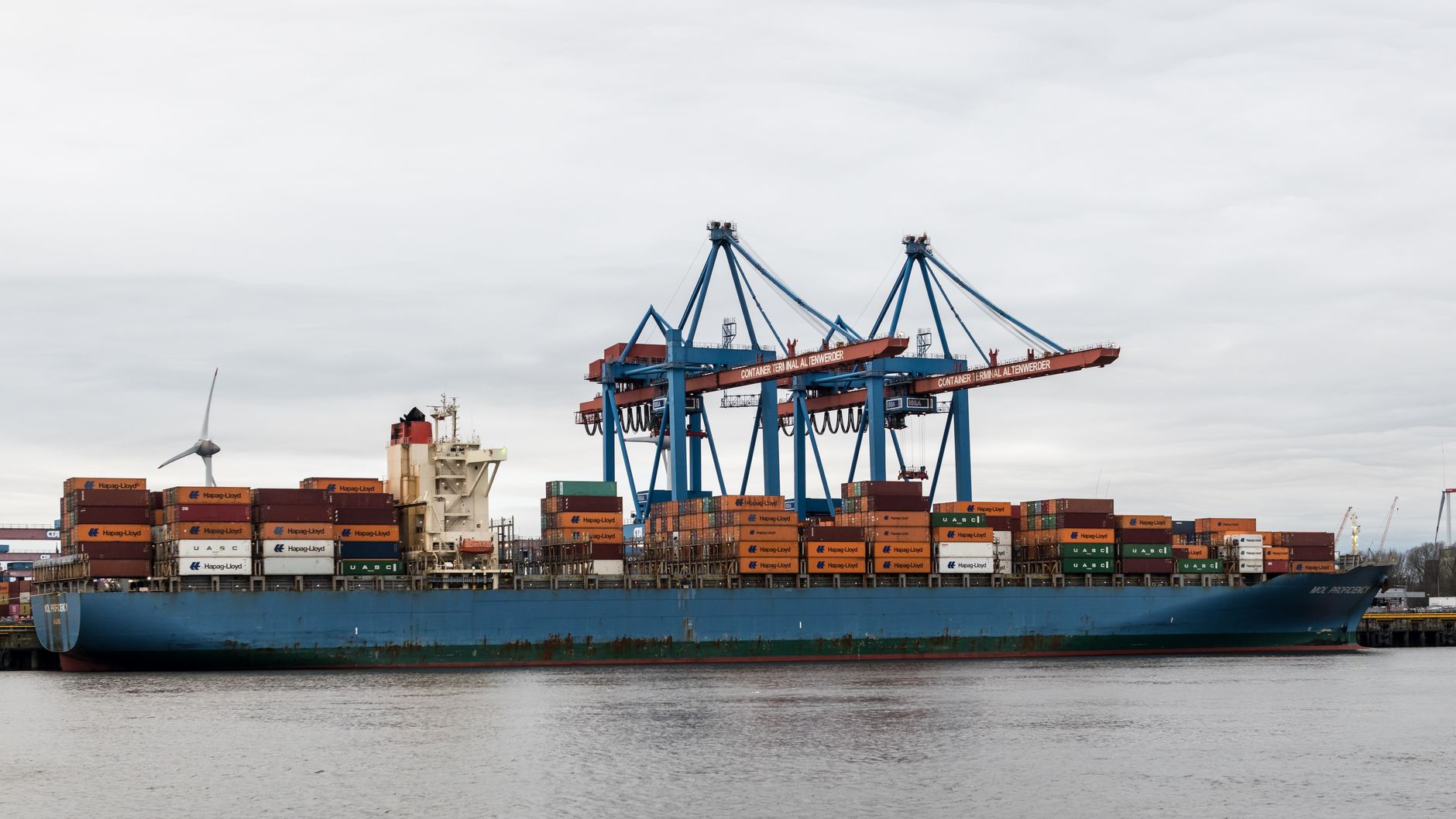
You’ve seen it: a container of high-demand goods, maybe critical components for your manufacturing line, sitting at port, accruing $850 per day in demurrage because of a seemingly minor issue. Or worse, a $40,000 shipment detained for weeks, racking up $12,000 in storage fees, all because a customs bond was insufficient. This isn't theoretical; it's the daily reality for importers caught off guard by overlooked 2025 customs bond requirements. You can’t afford to be next.
The Hidden Costs of Neglecting Customs Bond Requirements
As a veteran of thousands of freight movements, I can tell you that a customs bond isn't just another piece of paper; it's your financial guarantee to U.S. Customs and Border Protection (CBP) that you'll pay all duties, taxes, and penalties. Without a valid bond, your cargo won't enter the country. The real sting comes not from the bond's cost, but from the consequences of non-compliance.
Consider the ripple effect: a shipment held at port due to an invalid or insufficient bond incurs daily demurrage and detention charges, often starting at $850-$1,200 per container per day at congested ports. Beyond that, you're looking at expedited freight costs to catch up on schedules, lost sales from missed deadlines, and potential penalties under 19 CFR Part 113 that can double the duty amount. According to the National Retail Federation (NRF), unforeseen supply chain disruptions, often rooted in compliance failures, cost businesses an average of 4.5% of annual revenue in 2023. Most importers miss the crucial detail that while their customs broker facilitates the bond, the ultimate liability and compliance burden rests squarely on the importer. Your broker isn't responsible for *your* bond’s sufficiency; you are.
Why Most Importers Fail the Customs Bond Audit
Based on data from thousands of Loadly shipments and my 15 years in freight, I've observed that the primary reason importers struggle with customs bond requirements isn't a lack of effort, but a lack of specific, actionable knowledge. Many adopt a “set it and forget it” mentality after obtaining their initial continuous bond, not realizing that sufficiency needs active monitoring. Another common pitfall is misunderstanding Incoterms, specifically how they allocate responsibility for customs clearance and bond requirements. For example, under an EXW (Ex Works) term, the buyer (importer) bears all costs and risks, including arranging the bond, whereas under DDP (Delivered Duty Paid), the seller is responsible. This confusion often leads to last-minute scrambles and costly delays.
"73% of small to medium-sized importers surveyed by the Council of Supply Chain Management Professionals (CSCMP) reported experiencing unexpected customs delays in the past year, with bond-related issues being a top-three contributor."
Furthermore, many importers incorrectly assume CBP or their broker will proactively notify them if their bond value is insufficient for their growing import volumes. This is a dangerous assumption. CBP primarily reacts to entries. By the time they flag an issue, you're already facing hold times, potential fines, and accumulating storage charges, costing hundreds or thousands of dollars a day. Proactive auditing is the only defense.
Audit Your Continuous Bond: Preventing Unexpected Lapses
Your continuous bond isn't a static document; it's a living guarantee tied directly to your import activity. The most critical aspect most importers overlook is bond sufficiency. CBP requires your continuous bond to cover at least 10% of the aggregate duties, taxes, and fees paid during the preceding 12-month period, with a minimum bond amount of $50,000 for general merchandise. If your import volume surges or you begin importing higher-duty goods, your bond can quickly become insufficient, triggering a CBP review.
- Review Annual Import Data: Annually (or quarterly if volumes are volatile), pull your total duties, taxes, and fees paid from your broker's statements or your financial records. Calculate 10% of that total.
- Compare to Current Bond: Check your continuous bond amount. If your calculated 10% exceeds your current bond, you are underinsured.
- Initiate a Rider: Immediately contact your bond provider (often through your customs broker) to increase your bond amount. This is done via a rider. Failing to do so can result in CBP detaining your cargo for 3-5 days while you frantically secure an increase, incurring daily storage fees averaging $150-$250 per day per container.
- Monitor for Commodity Changes: If you diversify into new product lines or higher-risk commodities (e.g., textiles, certain electronics), these might carry higher duty rates or specific regulatory scrutiny, demanding a higher bond. Underwriters also red-flag certain commodities or countries of origin, which can impact renewal rates or require higher collateral.
Insider knowledge: Many importers assume CBP automatically notifies them if a bond is insufficient. They often don't until a specific entry triggers a red flag, and by then, your cargo is already stalled, costing you money every day. Proactive review isn't just a best practice; it's a cost-saving imperative.
Understanding Transactional vs. Continuous Bonds: When to Choose Which
Choosing the correct bond type is a common area of confusion that costs small and infrequent importers unnecessary expense. A single entry (or transactional) bond covers one specific import shipment, while a continuous bond covers all entries made by an importer at all U.S. ports for a one-year period. Making the wrong choice can mean paying for coverage you don't need or risking insufficient coverage.
- Evaluate Import Frequency: If you import fewer than 4-6 shipments per year, a single entry bond is typically more cost-effective. A single entry bond for a $10,000 shipment might cost $100-$150, whereas a continuous bond starts around $400-$500 annually.
- Assess Shipment Value: For high-value, infrequent shipments, a single entry bond might be pricier but still more economical than an annual continuous bond if your total import volume is low.
- Consider Commodity Type: Certain regulated goods might have higher minimum bond requirements, making a continuous bond more attractive if you deal with them regularly.
- Calculate Total Cost: Tally up the estimated cost of single entry bonds for your projected yearly shipments versus the flat annual fee of a continuous bond. If your total single entry bond costs exceed the continuous bond fee, switch.
For less frequent or specialized shipments where a single entry bond is more economical, finding reliable carriers for diverse load types across different bond requirements is crucial. You can often browse live LTL and FTL loads that fit your specific customs bond strategy directly.
Insider knowledge: Customs brokers sometimes default to recommending continuous bonds because it's simpler for their administrative processes. Always do your own cost-benefit analysis based on your actual import frequency and value, not just your broker's standard operating procedure.
Navigating Specialized Customs Bonds: Beyond the Basics
Ignoring specialized bond requirements is a direct route to cargo seizure and hefty penalties. Beyond the general merchandise bond, CBP mandates specific bond types for particular scenarios, and failing to secure the correct one can have severe consequences. This is where most seasoned importers still get tripped up, assuming their standard continuous bond covers everything.
- Drawback Bonds: If you import goods, pay duties, and then export them (or products manufactured from them), you may be eligible for a duty refund (drawback). A drawback bond guarantees that you will fulfill all conditions of the drawback claim. Missing this can mean forfeiting significant refunds.
- Temporary Importation Under Bond (TIB): For goods imported temporarily for repair, alteration, testing, or display at trade shows, a TIB allows duty-free entry for up to one year (with extensions). If the goods aren't re-exported or destroyed within the timeframe, you pay liquidated damages equal to double the duty, plus forfeiture of the goods. CBP’s focus on intellectual property rights means imported samples for market testing under TIB are under increasing scrutiny.
- Warehouse Bonds: If you plan to store imported dutiable merchandise in a bonded warehouse without paying duties until it's withdrawn for consumption, a warehouse bond is mandatory. Without it, you cannot use the bonded warehouse system, forcing immediate duty payment upon entry.
Insider knowledge: A seemingly innocent imported "sample" or trade show display under TIB can be reclassified by CBP as a commercial import if not handled meticulously. This can result in penalties equal to double the estimated duty, plus the goods being seized. Always err on the side of over-documentation for specialized bonds.
Proactive Bond Management: Tools & Best Practices for 2025
In today's fast-paced supply chains, manual bond tracking is a recipe for disaster, especially with rising import volumes and regulatory complexity. Leveraging technology and establishing a robust internal process is no longer optional; it’s a competitive advantage that can reduce compliance errors by 18% and save thousands in avoided delays.
- Centralized Document Management System: Implement a digital system (e.g., SharePoint, Google Drive with strict access controls, or a dedicated trade compliance platform) to store all bond documentation, riders, and communication with your broker/surety. This ensures quick access during audits.
- Automated Alert Systems: Set up calendar alerts or use software that notifies you 90, 60, and 30 days before your continuous bond renewal date. Also, configure alerts to monitor import value thresholds that might trigger a need for a bond increase. Many ERPs (e.g., SAP, Oracle) integrate with trade compliance modules for bond tracking.
- Quarterly Internal Audits: Don't just rely on your customs broker's annual review. Conduct a quarterly internal audit of your bond sufficiency and ensure all entries are correctly linked to a valid bond. Your broker's liability is limited; yours is not. This catches discrepancies before they become CBP-flagged issues.
- Regular Broker Communication: Schedule quarterly check-ins with your customs broker specifically to discuss your import forecast and how it impacts your bond requirements. Share any projected spikes in volume or changes in commodity types well in advance.
This proactive approach transforms bond compliance from a reactive headache into a streamlined component of your overall logistics strategy, preventing costly interruptions and ensuring your goods move freely.
| Feature | Continuous Bond | Single Entry Bond | What to Look For in 2025 |
|---|---|---|---|
| Cost | Annual flat fee (e.g., $400-$500 min) | Per-shipment fee (e.g., $100-$150 per entry) | Cost-effectiveness based on frequency |
| Coverage | All entries for one year across all U.S. ports | One specific import shipment | Comprehensive coverage for high volume |
| Administrative Burden | Lower (set once annually, monitor sufficiency) | Higher (requires bond for each entry) | Streamlined process for efficiency |
| Ideal For | Frequent importers (5+ shipments/year) | Infrequent importers (1-4 shipments/year) | Align with your import strategy |
| Sufficiency Check | Mandatory regular internal review | Less critical (covers specific entry value) | Active monitoring to avoid delays |
Key Takeaways
- Your customs bond is your personal financial guarantee to CBP; liability for sufficiency is yours, not your broker's.
- Audit your continuous bond annually (or quarterly) to ensure it covers 10% of your prior year's duties/taxes, avoiding costly delays and potential fines.
- Choose between continuous and single entry bonds based on import frequency; 5+ shipments per year typically warrants a continuous bond.
- Do not assume your standard bond covers specialized imports like TIBs or drawback claims; these require specific bond types.
- Proactive digital management with automated alerts and quarterly internal audits prevents most bond-related disruptions.
- Unexpected bond insufficiency can lead to $850-$1,200/day in demurrage and detention charges, plus potential penalties doubling the duty.
- Incoterms directly impact who is responsible for securing the customs bond; clarify responsibilities to prevent last-minute issues.
- Leverage technology like ERP integrations and trade compliance modules to centralize bond documentation and automate monitoring.
Frequently Asked Questions
What is a customs bond and why do I need one in 2025?
A customs bond is a contract guaranteeing CBP that an importer will fulfill all financial obligations, including duties, taxes, and fees, associated with their imports. In 2025, it remains a mandatory requirement for nearly all commercial imports into the U.S., preventing cargo from being detained and ensuring compliance with federal trade regulations.
How much does a continuous customs bond cost annually?
A continuous customs bond typically costs between $400 and $500 annually for the minimum required amount ($50,000). The actual price can increase based on the bond amount needed (10% of prior year's duties, taxes, and fees) and the importer's financial standing or import history, which factors into the surety's risk assessment.
What happens if I import without a valid customs bond?
Importing without a valid customs bond means your cargo will be detained by CBP at the port of entry. This immediately triggers demurrage and detention charges, which can exceed $1,000 per container per day. Ultimately, without a bond, your goods will not be released for entry into the U.S. and may eventually be subject to forfeiture or abandonment.
Can my customs broker handle all my customs bond requirements?
Your customs broker can facilitate the purchase and management of your customs bond, but they do not assume your liability. You, as the importer, are ultimately responsible for ensuring the bond is valid and sufficient for your import activities. Relying solely on your broker without your own oversight is a common and costly mistake.
How do Incoterms affect my customs bond obligations?
Incoterms define the responsibilities of buyers and sellers for the delivery of goods under sales contracts. Terms like EXW (Ex Works) place the full responsibility, including securing the customs bond, on the buyer (importer). Conversely, DDP (Delivered Duty Paid) places this obligation on the seller. Clarity on Incoterms is crucial to avoid confusion and ensure the correct party secures the necessary bond.
Secure Your 2025 Imports with Confident Customs Bond Requirements Compliance
Navigating the complex waters of customs bond requirements in 2025 doesn't have to be a source of constant anxiety or financial drain. By implementing this actionable audit and leveraging the insider knowledge shared, you can transform a compliance headache into a robust, proactive system. The difference between a smooth port clearance and a multi-thousand-dollar delay often comes down to this kind of meticulous, expert-driven preparation. Don't let overlooked bond details stall your success. Ready to streamline your logistics and ensure every shipment clears customs without a hitch? Sign up for Loadly today and connect with a network built for efficiency and compliance.