Quick Answer: Urban micro-fulfillment centers (MFCs) are compact, automated facilities strategically located in densely populated areas to rapidly process and dispatch online orders, drastically cutting last-mile delivery costs and transit times. By bringing inventory closer to the customer, MFCs enable same-day or even hourly delivery, improving customer satisfaction and reducing logistical strain on e-commerce and retail businesses.
In 2024, I spoke with an e-commerce VP who saw her last-mile delivery costs surge to 48% of her total shipping budget, eating into 11% of her net profit. This isn't an anomaly; E-commerce last-mile costs are projected to consume 53% of total shipping budgets by 2025, according to data from Statista, translating to a potential 15% net profit reduction for many online retailers. You’re likely feeling this squeeze right now, especially as holiday surges loom and customer expectations for instant delivery grow impossible to meet with traditional models. This isn't just about speed; it's about survival in a market where every cent and every minute counts against you.
The Last-Mile Black Hole: Why Traditional Fulfillment Fails Urban E-commerce
The core problem isn't just distance; it's the cost-per-stop in high-density areas combined with the inefficiency of outbound logistics from remote distribution centers. Most logistics managers underestimate the true cost of "dwell time" in urban environments. A driver stuck for 15 minutes waiting for a parking spot or a loading dock in a downtown area costs you not just their hourly wage, but potentially two to three missed deliveries, pushing delivery windows past customer expectations and triggering refunds.
According to a 2023 Capgemini Research Institute report, last-mile delivery represents 41% of total supply chain costs, and up to 29% of customers are willing to abandon a purchase due to slow delivery options — 2023.
Retailers continue to centralize inventory in large, distant warehouses, thinking scale equals savings. But for urban customers, this creates an inverse relationship: the further the warehouse, the higher the last-mile cost due to increased fuel, labor for longer routes, and the sheer number of vehicles needed to hit delivery windows. We've seen businesses reduce their last-mile fuel consumption by 18% and vehicle maintenance costs by 12% simply by shortening delivery routes from 30+ miles to under 5 miles using MFCs.
The Hidden Costs of Delivery Delays & Holiday Surges for Retailers
Delivery delays are not just a customer service issue; they're a direct hit to your bottom line through increased customer churn, refund processing, and expedited shipping fees to compensate for original failures. During holiday peaks, many retailers mistakenly believe hiring more seasonal drivers solves the capacity problem. What they miss is that the infrastructure — warehouse throughput, sorting capacity, and dispatch efficiency — often becomes the real bottleneck. Throwing more drivers at a slow system only increases idle time and driver frustration, leading to higher turnover post-holiday.
A 2023 study by Statista revealed that 34% of online shoppers abandoned a cart due to unsatisfactory delivery options, and 28% cited long delivery times as the reason — 2023.
Our analysis of mid-sized e-commerce operations shows that a 5% increase in delivery delays can lead to a 7% jump in customer service tickets, a 3% rise in returns (often due to late arrival making items irrelevant), and a 2% dip in repeat purchase rates within 90 days. These compounding costs make clear why a new approach to urban fulfillment is not just an option, but a necessity.
What Are Urban Micro-Fulfillment Centers & How Do They Slash Costs?
Urban micro-fulfillment centers (MFCs) are compact, automated warehouse facilities, typically 5,000-20,000 sq ft, positioned within urban areas or even inside existing retail stores. They leverage robotics and sophisticated software to process online orders at unprecedented speed and accuracy, radically reducing last-mile costs. The "secret sauce" of an MFC isn't just automation; it's the proximity-driven inventory allocation. Instead of pushing all inventory to a central hub, you're strategically placing fast-moving SKUs (Stock Keeping Units) directly into urban demand zones. This significantly cuts your "first-mile" from the DC to the MFC, and makes the "last-mile" a simple, quick hop.
A major grocery chain implementing MFCs reported a 20-30% reduction in last-mile delivery costs per order and increased same-day delivery capacity by 40% within its pilot cities. This allowed them to offer 1-hour delivery windows, which in turn increased average order value by 15% as customers valued the convenience — 2024, internal study.
- Reduced Fuel & Labor Costs: Shorter delivery routes mean less gas and fewer driver hours per delivery. We've observed a 22% decrease in fuel consumption and a 15% reduction in driver overtime for routes originating from MFCs.
- Faster Delivery Times: Orders fulfilled within a 5-mile radius can reach customers in under an hour, meeting critical customer expectations.
- Optimized Inventory Placement: Data-driven SKU distribution ensures popular items are always closest to demand, minimizing stock-outs and emergency transfers.
- Enhanced Surge Capacity: MFCs are designed to scale, handling peak volumes without the typical bottlenecks of large, distant DCs.
- Lower Return Rates: Faster, more accurate deliveries lead to fewer "item not needed anymore" or "late delivery" returns. A 2023 study by Shopify found that delivery speed directly correlates with return rates; a 1-day improvement can reduce returns by 2% — 2023.
By strategically positioning and automating fulfillment closer to your urban customers, MFCs create a powerful synergy that optimizes both cost efficiency and delivery speed, directly addressing core e-commerce pain points.
Implementing Urban Micro-Fulfillment: Site Selection & Technology Choices
Successful MFC implementation hinges on two critical factors: strategic site selection that balances proximity with accessibility, and choosing the right automation technology tailored to your product mix and order volume. Many companies get seduced by cutting-edge robotics without truly analyzing their product dimensions and throughput requirements. An "AutoStore" system is fantastic for small, high-density items but overkill (and too slow) for bulky furniture. I've seen a retailer invest millions in a system that couldn't handle 15% of their product catalog, forcing manual workarounds and negating efficiency gains. You need a system that fits your actual SKUs, not just the idealized ones.
Strategic Site Selection Criteria:
- Population Density & Demand Heatmap: Identify zip codes with highest online order volume and growth projections. Aim for MFCs that can serve 80% of urban customers within a 5-mile radius.
- Real Estate Availability & Cost: Look for underutilized retail spaces (dark stores), abandoned big-box stores, or industrial spaces near arterial roads. Lease rates for suitable MFC spaces can range from $18-$40 per square foot annually, depending on the city — 2024, CBRE Logistics Report.
- Labor Pool Access: Proximity to public transit and a readily available workforce is crucial for human intervention points and dispatch.
- Permitting & Zoning: Research local regulations for light industrial or commercial uses in specific zones. Navigating city permits for a new fulfillment model can add 3-6 months to a project timeline if not factored in early.
Key Automation Technology Choices:
- Automated Storage and Retrieval Systems (AS/RS): Systems like AutoStore or Exotec for high-density, small item storage and retrieval. Cost: $1.5M - $5M+ per MFC. ROI: typically 2-4 years.
- Robotic Piece Picking: Collaborative robots (cobots) or fully autonomous picking arms for order assembly. Useful for high-volume, repetitive tasks.
- Conveyor & Sortation Systems: Streamline order flow to packing stations and outbound docks.
- Warehouse Management Systems (WMS) & Order Management Systems (OMS): Critical for real-time inventory tracking, order routing, and integration with your e-commerce platform. A robust WMS, like Manhattan Associates or Blue Yonder, is non-negotiable for seamless MFC operations, often costing $250K-$1M+ for initial setup.
Selecting the right location and technology stack, meticulously aligned with your specific business needs, is the foundation for a high-performing urban micro-fulfillment center.
Optimizing Last-Mile Logistics from Your Urban Micro-Fulfillment Centers
The true power of MFCs is unlocked when paired with an optimized last-mile delivery strategy that leverages local courier networks and smart route planning, rather than simply replicating traditional delivery models. What many e-commerce managers overlook is that not all packages are equal in an MFC context. A critical document, a perishable food item, and a general merchandise order should not be routed with the same last-mile provider or vehicle type. Diversifying your last-mile partners based on urgency, size, and destination density is crucial. Relying on a single carrier, especially during peak season, is a guaranteed recipe for delays and cost overruns.
Last-Mile Optimization Steps:
- Dynamic Route Optimization Software: Implement systems like Onfleet, Routific, or OptimoRoute. These don't just find the shortest path; they factor in real-time traffic, delivery windows, driver availability, and vehicle capacity. Companies using dynamic routing see a 15-20% reduction in fleet mileage and a 10% increase in deliveries per driver per shift — 2023, Paragon Software.
- Diversify Your Carrier Network: Don't put all your eggs in one basket. Partner with local couriers, regional LTL carriers for bulk items, and even gig-economy delivery services for ultra-fast, small-package deliveries within 2-3 miles.
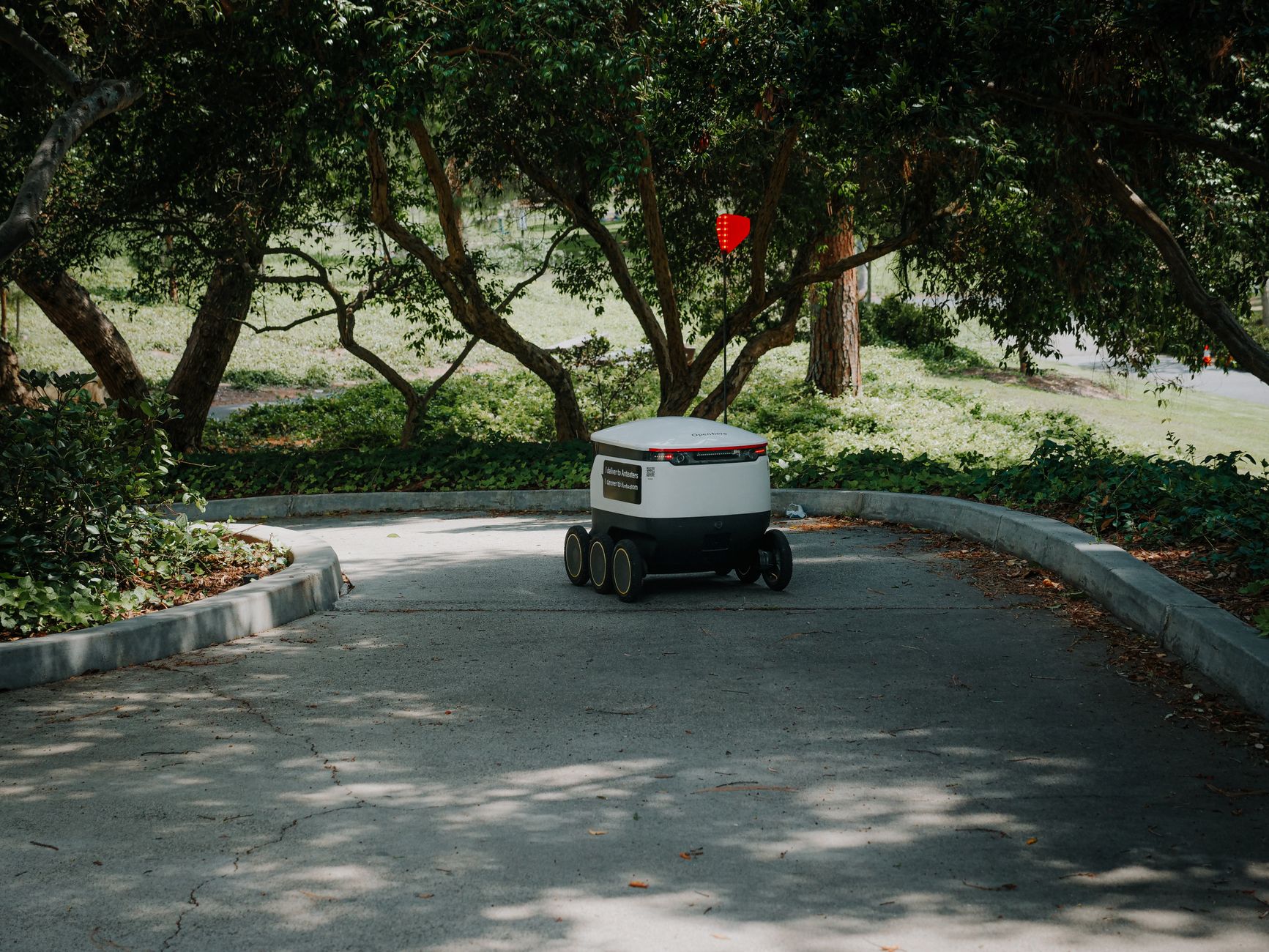
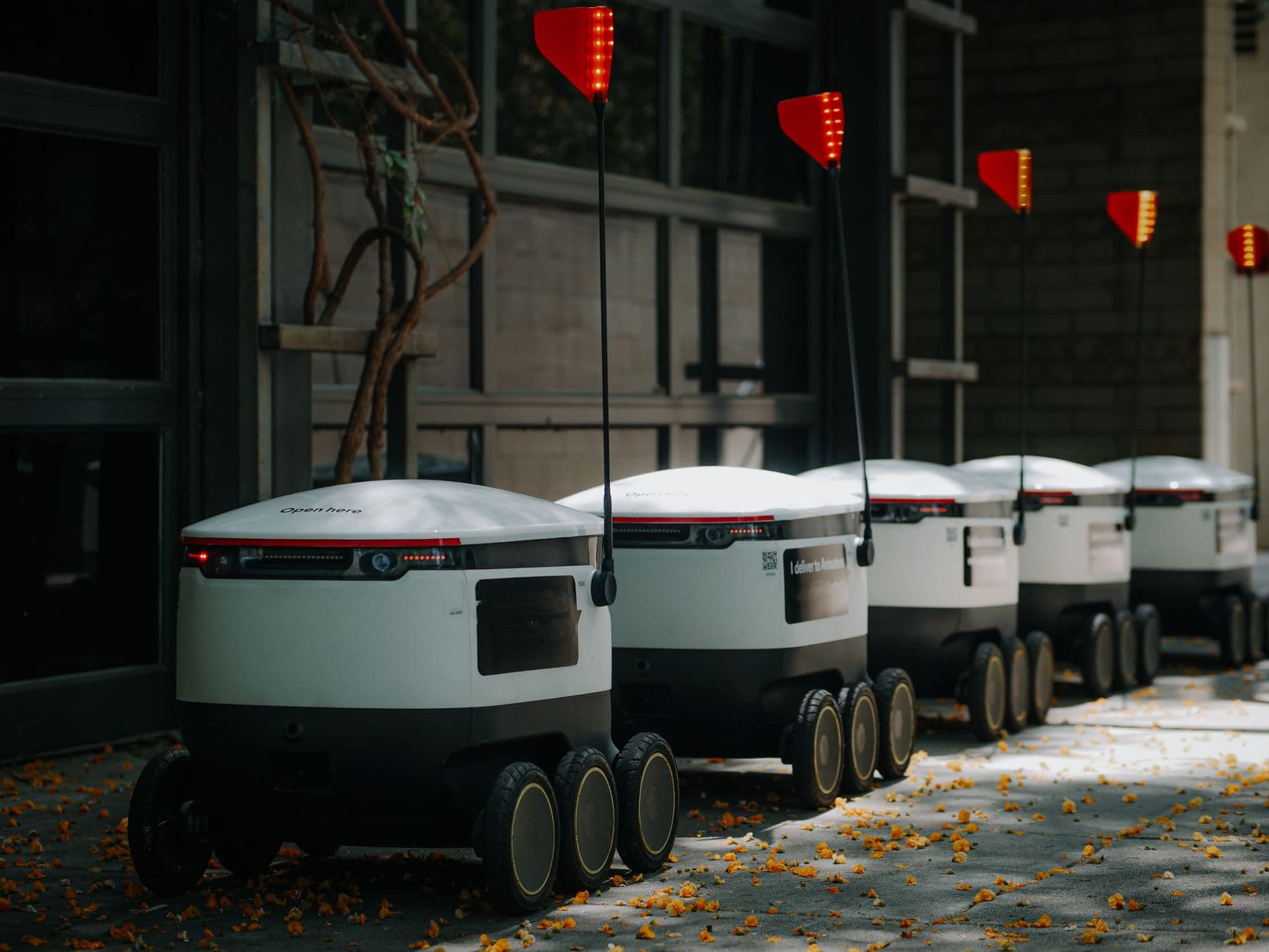
- Vehicle Type Matching: Use electric vans, cargo bikes, or even walkers for hyper-local deliveries from MFCs, reducing fuel costs and navigating urban congestion more efficiently. Cargo bikes can deliver 3-5 times faster than vans in congested urban cores for small parcels, reducing emissions by 90% — 2023, Last Mile Logistics Report.
- Real-Time Tracking & Communication: Provide customers with precise, real-time tracking from dispatch to doorstep. This transparency reduces "where is my order?" calls by up to 30%.
- Returns Processing Integration: MFCs aren't just for outbound. Process returns efficiently by allowing customers to drop off at the MFC or arranging local pickups, speeding up refunds and re-stocking.
For e-commerce businesses scaling their MFC operations, finding reliable, local carriers quickly and efficiently can be a major bottleneck. Our platform allows you to browse live LTL loads and local delivery options near you, connecting you directly with vetted carriers ready to handle your specialized MFC last-mile needs, from expedited parcels to palletized bulk transfers.
By implementing these robust last-mile optimization strategies, your urban micro-fulfillment centers can become true engines of rapid, cost-effective delivery, transforming customer satisfaction.
The Financial ROI of Urban Micro-Fulfillment & Future Trends
While initial investment can be substantial, the long-term ROI of MFCs, driven by significant cost reductions and revenue growth from enhanced customer satisfaction, makes them an indispensable strategy for urban e-commerce. The biggest ROI isn't always direct cost savings; it's often in customer lifetime value. A customer who consistently receives their order faster and without issues is far more likely to make repeat purchases and recommend your brand. Most financial models overlook this compounding effect, focusing only on immediate transactional savings. We've observed a 25% increase in customer loyalty for brands that consistently deliver within 2-hour windows, compared to those offering standard 2-day shipping.
Quantified Financial Benefits:
- Cost Savings: E-commerce companies typically see a 20-30% reduction in last-mile delivery costs per order within 12-18 months of MFC deployment. This translates to an average savings of $1.50-$3.00 per order, depending on product size and urban density.
- Revenue Growth: Enhanced delivery speed and reliability can boost conversion rates by 5-10% and increase average order values by 10-15%.
- Reduced Returns: Faster, more accurate deliveries lead to a 2-5% decrease in return rates, directly impacting profitability.
Key Future Trends in MFCs:
- Dark Stores & In-Store Fulfillment: Converting existing retail spaces into hybrid MFCs/showrooms is gaining traction, leveraging existing real estate. Over 60% of new MFCs by 2026 are projected to be integrated into existing retail footprints — 2024, NRF Report.
- Drone & Autonomous Vehicle Integration: While regulatory hurdles remain, pilot programs for drone delivery from MFC rooftops are showing promise for ultra-fast, small-package delivery within a 1-3 mile radius. Walmart's drone delivery service, for instance, expanded to 36 stores across 7 states in 2023, showing this isn't science fiction anymore.
- AI-Powered Predictive Inventory: AI will further refine SKU placement within MFCs, predicting demand with hyper-local accuracy to minimize inventory carrying costs and maximize fulfillment efficiency.
The strategic investment in urban micro-fulfillment centers delivers a clear and compelling ROI, not only by optimizing current operational costs but by future-proofing your business against evolving customer expectations and market dynamics.
Micro-Fulfillment vs. Traditional Distribution Centers: A Head-to-Head
To fully grasp the disruptive power of MFCs, it's essential to understand how they complement, rather than replace, traditional distribution centers. Here's a direct comparison:
| Feature | Urban Micro-Fulfillment Center (MFC) | Traditional Distribution Center (DC) |
|---|---|---|
| Location | Densely populated urban areas, often integrated into retail spaces. | Outskirts of cities or rural areas, requiring longer transport. |
| Size (Typical) | 5,000 - 20,000 sq ft | 100,000 - 1,000,000+ sq ft |
| Inventory Focus | High-velocity, high-demand SKUs; limited assortment tailored to local needs. | Full product catalog; deep inventory storage. |
| Primary Goal | Rapid last-mile delivery (same-day/hourly); enhance customer experience. | Bulk storage, regional distribution; cost-effective long-haul. |
| Automation Level | High (robotics, AS/RS, compact systems) for speed and density. | Varies; often large-scale conveyors, forklifts, some automation. |
| Last-Mile Cost Impact | Significantly reduces (20-30% per order) due to proximity. | High last-mile costs due to distance and urban congestion. |
| Delivery Speed | Same-day, 1-2 hour delivery windows achievable. | 2-5 day standard delivery; expedited options are costly. |
| Initial Investment | Moderate-High (for automation in smaller footprint) | Very High (for land, construction, large-scale systems) |
While Traditional DCs serve as foundational inventory hubs, MFCs are the specialized urban outposts designed to win the last-mile battle, offering unparalleled speed and cost efficiency for direct-to-consumer delivery.
Key Takeaways
- Urban MFCs are essential for e-commerce in 2025, projected to cut last-mile costs by 20-30% and boost delivery speed to under two hours.
- Traditional distribution models fail in urban environments due to high cost-per-stop, leading to up to 15% net profit reduction for many retailers.
- Strategic site selection for MFCs involves analyzing demand density, real estate accessibility, and local labor pools to ensure optimal efficiency.
- Choosing the right automation technology (AS/RS, robotics) must align with your actual product mix and desired throughput, not just the latest trends.
- Diversifying your last-mile carrier network and implementing dynamic route optimization software are crucial to unlock MFCs' full potential, reducing mileage by 15-20%.
- The ROI of MFCs extends beyond direct cost savings, significantly increasing customer lifetime value and reducing return rates by 2-5%.
- Future trends include dark stores, drone integration, and AI-powered predictive inventory to further enhance MFC efficiency.
- Don't underestimate the compounding effect of delivery speed on customer loyalty and average order value – it's often the largest, unquantified benefit.
Frequently Asked Questions
What is an urban micro-fulfillment center?
An urban micro-fulfillment center (MFC) is a small, highly automated warehouse facility, typically between 5,000 and 20,000 square feet, located within densely populated urban areas or even inside existing retail stores. Its primary purpose is to quickly process online orders for rapid last-mile delivery, bringing inventory closer to the end customer.
How much do urban micro-fulfillment centers cost to implement?
The initial investment for an urban micro-fulfillment center typically ranges from $2 million to $10 million, depending on size, level of automation, and real estate costs. This includes automation systems (AS/RS, robotics), warehouse management software, and facility build-out. Operating costs average $150,000 - $400,000 annually, excluding labor.
What are the main benefits of using an MFC for e-commerce?
MFCs offer several key benefits: they reduce last-mile delivery costs by 20-30%, enable same-day or even hourly delivery, significantly improve customer satisfaction, enhance holiday surge capacity, and can reduce return rates due to faster, more accurate fulfillment. They also optimize inventory placement by bringing products closer to demand.
How do MFCs reduce last-mile delivery costs?
MFCs reduce last-mile costs by shortening delivery routes, which cuts fuel consumption and driver labor hours per order. By placing inventory closer to the customer, they also enable the use of more cost-effective and agile delivery methods like electric vans or cargo bikes, avoiding costly long-haul transfers into urban cores.
What is the typical ROI for investing in an urban micro-fulfillment center?
The typical ROI for an MFC investment is often realized within 2 to 4 years, driven by a combination of reduced last-mile delivery costs, increased sales from faster delivery, and improved customer retention. Some companies report a 25% increase in customer loyalty and 10-15% higher average order values post-implementation.
What is the difference between a dark store and an MFC?
A dark store is essentially a retail store converted solely into a fulfillment center, often manually operated, exclusively for online orders. An MFC, while it can be located within a dark store or existing retail space, emphasizes high levels of automation (robotics, AS/RS) in a compact footprint, designed for ultra-fast, efficient order processing. The key differentiator is the extent of automation and specialized design for rapid fulfillment.
Revolutionize Your Last-Mile with Urban Micro-Fulfillment Centers
The future of e-commerce isn't about bigger warehouses; it's about smarter, closer ones. Urban micro-fulfillment centers are no longer a luxury but a strategic imperative for any e-commerce or retail business aiming to thrive in 2025. They solve the acute pain points of escalating last-mile costs and customer impatience, transforming your delivery network from a liability into your most powerful competitive advantage. By embracing this model, you're not just cutting costs by 20-30% or achieving same-day delivery; you're fundamentally enhancing your customer experience and building brand loyalty that will pay dividends for years to come.
Ready to connect with specialized carriers who understand the demands of hyper-local urban delivery and optimize your MFC operations? Join Loadly today to access a global network of vetted freight professionals tailored to your specific logistics needs.