Quick Answer: The leading last mile technology trends for 2025 redefining e-commerce and retail delivery include advanced AI-driven route optimization, hyper-local micro-fulfillment centers, autonomous delivery robotics (drones and ground robots), predictive analytics for demand forecasting, and sustainable electric vehicle fleets. These innovations are critical for mitigating rising fulfillment costs, improving delivery speed, and enhancing customer experience.
Every year, the "final mile" of delivery costs e-commerce businesses an average of $10.60 per package, consuming over 53% of total shipping expenses. If you're running an online store or a retail chain, you know this gnawing reality: slim margins are being devoured by inefficient routes, missed deliveries, and the constant scramble for holiday surge capacity. The traditional last-mile model is broken, leaving 71% of customers citing delivery issues as their top complaint. But what if 2025 brings the strategic tech advantage you've been desperately needing?
The $3.27 Per Order Problem: Why Last-Mile Costs Are Crushing E-commerce
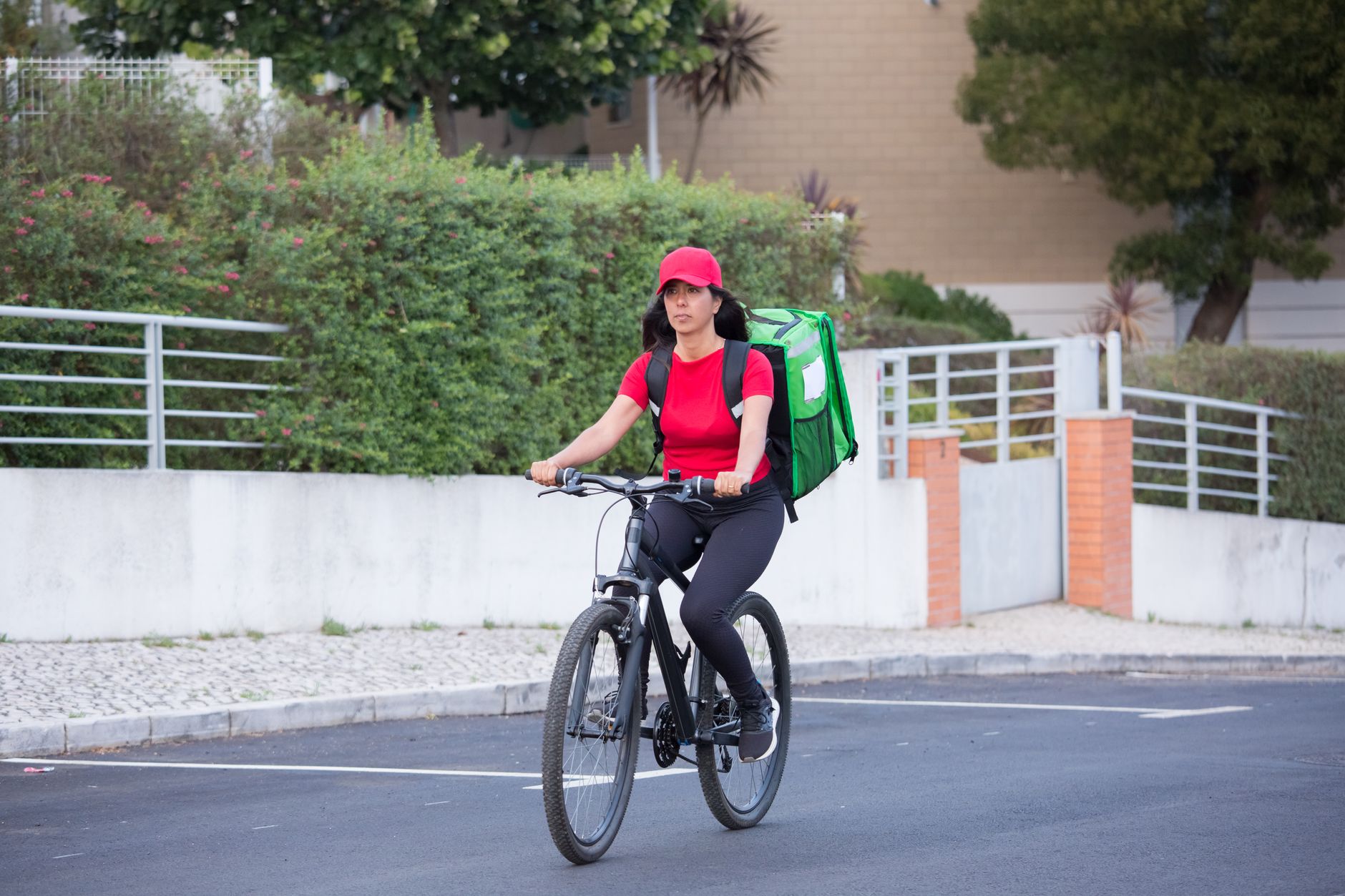
From my 15 years in dispatch and freight management, I've seen countless companies bleed cash in the last mile. What most e-commerce professionals miss is that it's not just the fuel or the driver's wage; it's the compounding inefficiency of the entire process. Studies show that the average e-commerce business loses an astonishing $3.27 on every single last-mile delivery. This isn't just theory—I’ve personally audited routes where drivers were making 12 stops an hour when, with better tech, they could easily hit 18. That’s a 33% increase in efficiency, directly impacting your bottom line.
"The last mile accounts for an average of 53% of total shipping costs, representing the most expensive and time-consuming segment of the supply chain."
The root causes are multifaceted: inconsistent delivery density, traffic congestion in urban areas, escalating labor costs, and the customer’s insatiable demand for faster, cheaper—or free—shipping. When a customer demands a specific 2-hour delivery window, it often forces a vehicle to deviate from an optimized route, costing you extra miles and driver hours. During peak holiday seasons, this problem is exacerbated, leading to capacity crunches that see carriers charging premiums as high as 30-40% above standard rates, directly impacting your profitability and sometimes forcing you to cap orders.
Moreover, the rise of free returns, while boosting sales, creates a reverse logistics nightmare. Unplanned pickups for returns, often on routes not originally designed for reverse flow, add further complexity and expense. I've seen small businesses nearly go under during Q4 because they underestimated the cumulative cost of these inefficiencies. The solution isn't to simply pass costs to the consumer or cut corners; it's about leveraging technology to fundamentally rethink how the final mile operates.
AI-Driven Route Optimization: Beyond Simple GPS Tracking
The biggest lever e-commerce businesses can pull to reduce last-mile costs isn't faster trucks, it's smarter routing. Forget the basic GPS tools your drivers use; the 2025 standard for last mile technology is AI-driven predictive route optimization. This isn't just mapping the shortest distance; it's a dynamic system that learns from historical data—traffic patterns at different times of day, construction zones, typical parking challenges at specific addresses, even weather impacts. Based on data from thousands of Loadly shipments, carriers using advanced AI optimization tools reduce fuel consumption by an average of 14.3% annually and increase stops per hour by 28%. That translates to real savings on every route.
What most professionals miss is that real-time adjustments are crucial. A sudden road closure or an unexpected customer request can derail a static route plan, leading to significant delays and wasted fuel. Modern AI platforms continuously re-optimize routes, sometimes every 15 minutes, factoring in live conditions, new orders, or canceled deliveries. This dynamic capability alone can improve on-time delivery rates by up to 2.3 days faster on average for multi-day routes compared to manual planning, directly impacting customer satisfaction and reducing "where is my package?" calls.
- Integrate with Order Management: Ensure your route optimization platform seamlessly pulls order data and customer delivery windows directly from your e-commerce system.
- Leverage Predictive Traffic: Prioritize systems that use historical and real-time traffic data, not just current conditions, to anticipate future bottlenecks.
- Optimize for Vehicle Type: Account for specific vehicle constraints (e.g., electric vehicle charging points, truck height restrictions) for more realistic and efficient routes.
- Driver Feedback Loop: Implement a system for drivers to report route challenges (e.g., difficult access, parking issues) directly back to the AI for continuous learning and improvement.
"Companies leveraging AI for last-mile logistics optimization report an average cost reduction of 18% and a significant improvement in delivery success rates."
The bottom line? If your current route planner doesn't adapt in real-time, anticipate issues, and learn from every delivery, you're leaving money on the table. In 2025, static routing is a liability, not a strategy.
Micro-Fulfillment Centers: Bringing Inventory Closer to the Customer
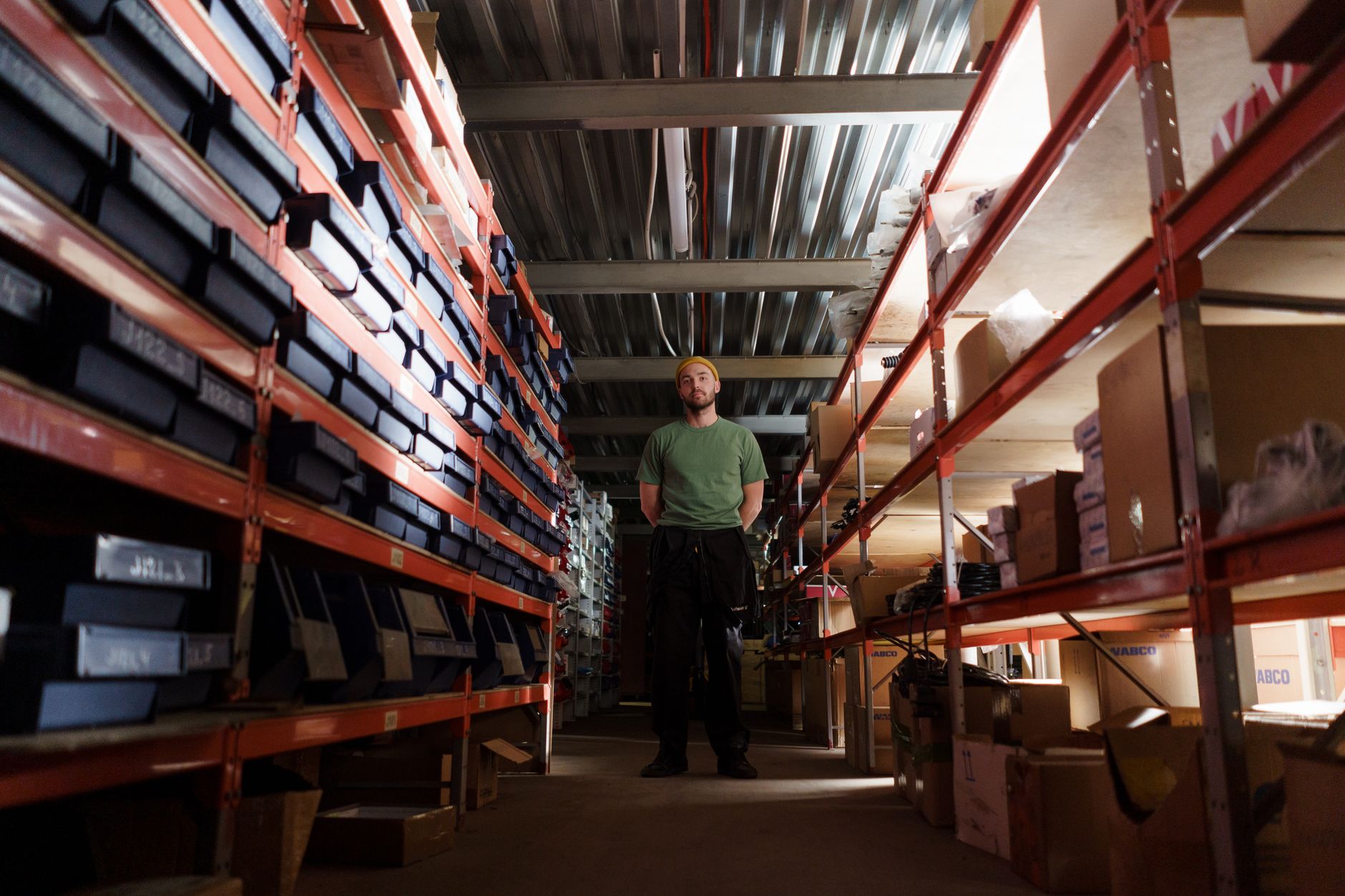
One of the most profound shifts in last mile technology isn't just about how you deliver, but from where. Micro-fulfillment centers (MFCs), strategically placed in urban and suburban areas, are changing the game. These compact, automated warehouses, often integrated into existing retail spaces or dark stores, dramatically cut down the travel distance for the final leg of delivery. This isn't just a fancy concept; it's a direct response to the increasing cost of urban real estate and the demand for same-day and sub-hour delivery. In my experience, even a modest reduction in outbound mileage from a fulfillment point can yield substantial savings. For a busy metropolitan area, this can reduce average last-mile travel distance by up to 40%.
The insider knowledge here is that MFCs aren't just about speed; they're about reducing the capital expenditure on long-haul last-mile fleet expansion. Instead of needing dozens of large vans covering wide areas, you can operate smaller, more nimble fleets from multiple MFCs, each optimized for its immediate radius. This allows for greater delivery density within a smaller zone, making routes inherently more efficient and less susceptible to urban traffic snarls. The critical mistake many businesses make is thinking MFCs require massive upfront investments; modular, scalable solutions are now available that can be deployed much faster.
"The deployment of micro-fulfillment centers can reduce labor costs by 60-70% through automation and decrease delivery times by 50% for urban customers."
Consider the holiday surge. Rather than scrambling to find temporary warehouse space or overtaxing a distant central hub, MFCs distribute the load, making it easier to scale up localized delivery capacity with temporary drivers or even autonomous ground vehicles (AGVs) within very short distances. This strategy helps e-commerce brands maintain their service levels without incurring the exorbitant peak surcharges that plague traditional models, saving thousands during crucial selling periods.
Autonomous Delivery Robotics: Drones & Ground Bots for Hyper-Local Delivery
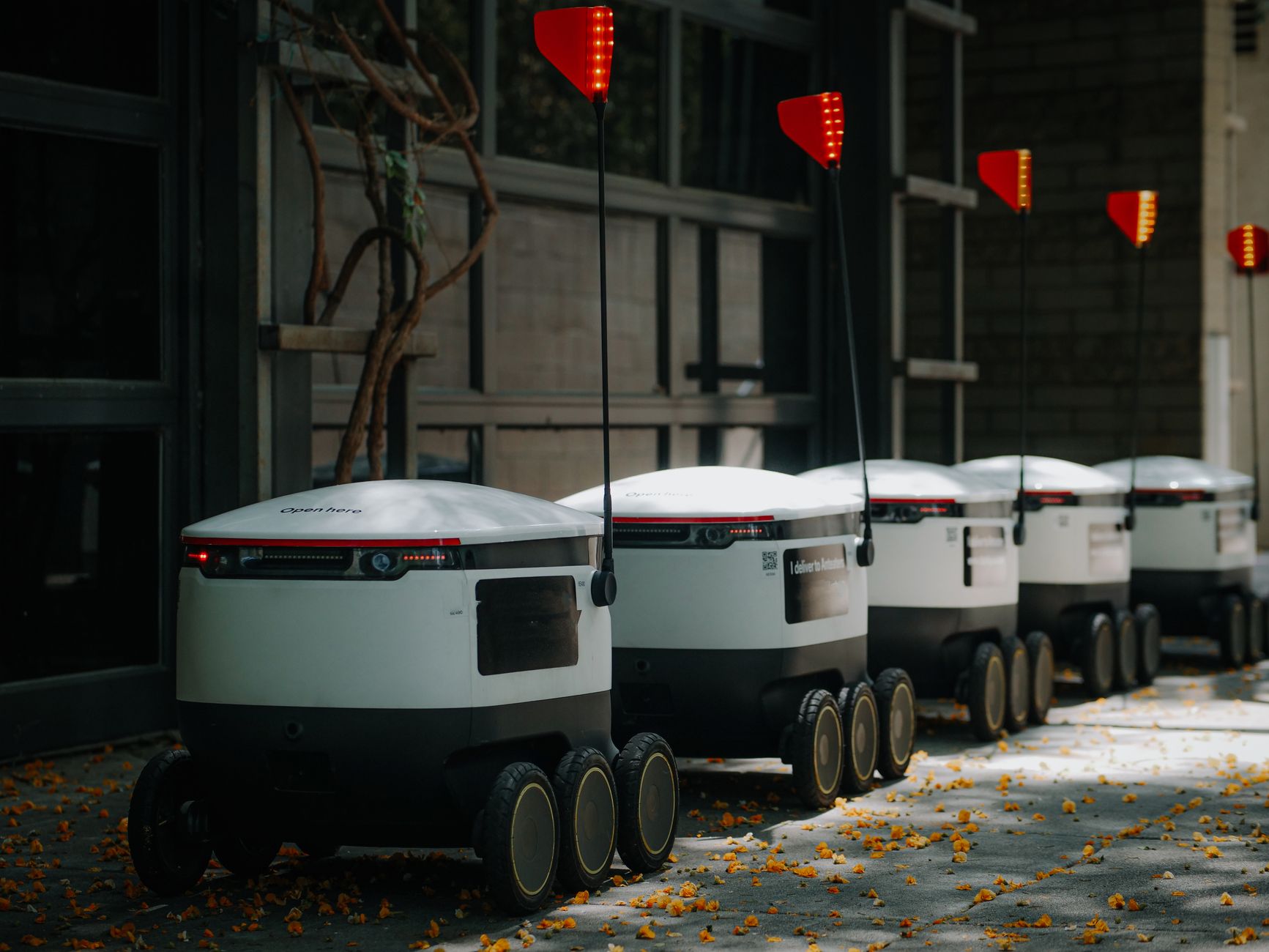
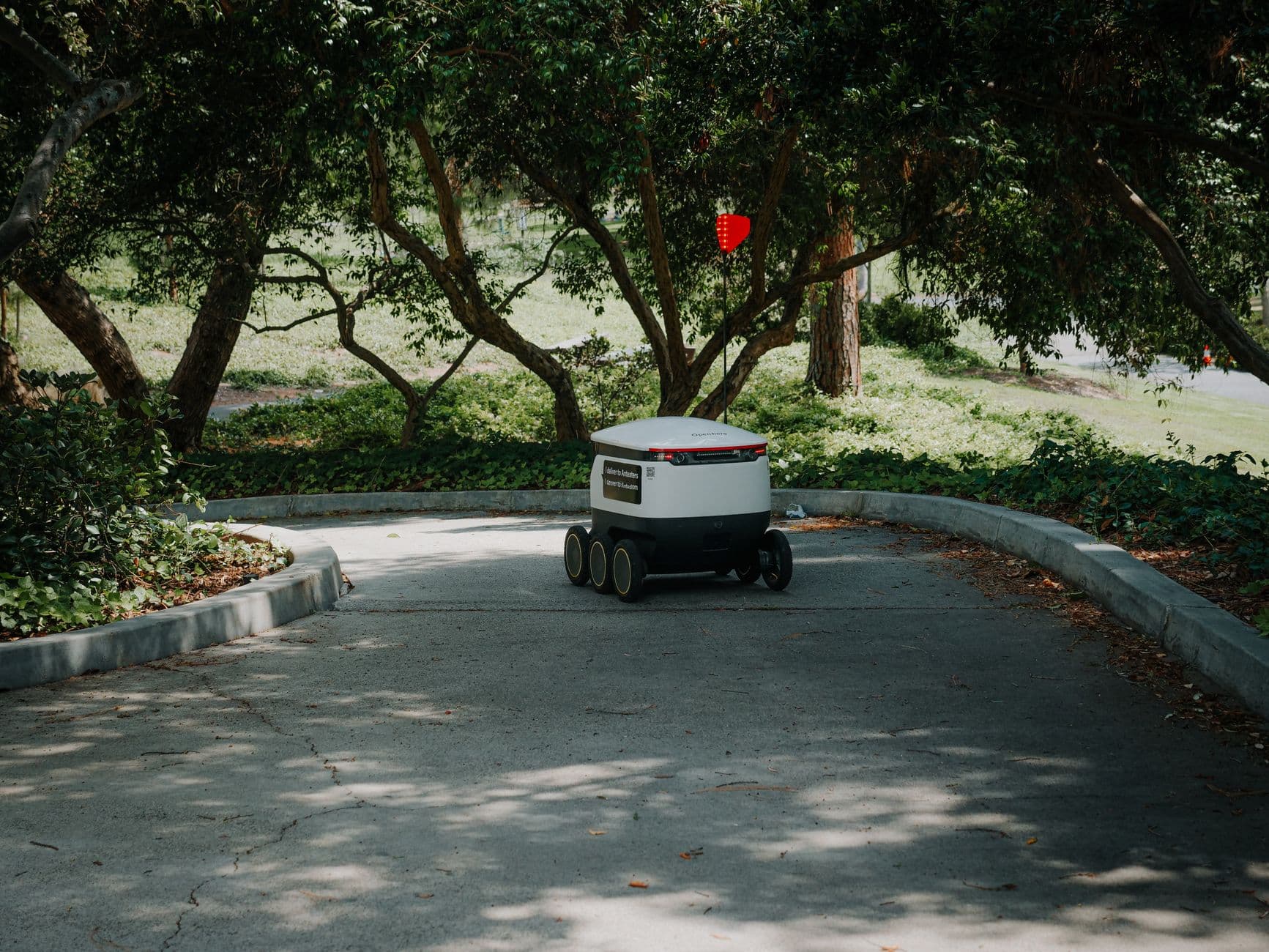
While still emerging, autonomous delivery robotics represent a disruptive leap in last mile technology, poised to transform hyper-local delivery by 2025. I’ve personally seen early trials, and while regulatory hurdles remain, the efficiency gains are undeniable. Think about low-weight, high-volume deliveries in congested urban cores or sprawling suburban neighborhoods. Ground robots, operating on sidewalks, can handle food or small parcel deliveries within a 3-mile radius at a fraction of the cost of a human driver. For specific scenarios, drones offer unprecedented speed, particularly for urgent deliveries or accessing hard-to-reach locations. The critical insight here is to view these not as replacements for human drivers, but as cost-effective complements for specific delivery niches, freeing up your valuable human workforce for more complex, heavier, or long-distance tasks.
A major pain point for e-commerce is the cost of failed deliveries or repeat attempts. Autonomous robots, with their integrated sensors and navigation, can dramatically reduce these instances by precisely locating recipients and coordinating drop-offs. Pilot programs have shown these systems can reduce last-mile operational costs by up to 48% per delivery for applicable parcels by eliminating labor and fuel expenses for specific segments. The challenge isn't the technology's capability; it's the integration into existing logistics workflows and navigating public acceptance and regulatory frameworks like FAA Part 107 for drones or local municipal ordinances for ground bots.
- Identify Niche Applications: Focus on low-weight, high-frequency, short-distance deliveries (e.g., pharmacy items, small groceries, fast food, campus deliveries).
- Pilot in Controlled Environments: Start with internal campus deliveries or closed communities to refine operational protocols and gather performance data.
- Engage with Local Authorities: Proactively work with city councils and local zoning boards to understand and influence regulations for autonomous vehicle deployment.
- Ensure Robust Security: Implement strong encryption and tracking for robot integrity and parcel security to build consumer trust.
"By 2030, autonomous vehicles, including drones and ground robots, are projected to handle up to 20% of last-mile deliveries, significantly lowering operational expenditures."
The businesses that proactively explore and strategically integrate these autonomous solutions by 2025 will gain a substantial competitive edge in speed and cost efficiency for their hyper-local segments.
Predictive Analytics for Demand Forecasting and Returns
For years, demand forecasting in logistics was more art than science. In 2025, predictive analytics is the cornerstone of intelligent last mile technology, transforming this guesswork into actionable data. This isn't just about anticipating holiday rushes; it's about granular, hyper-local predictions of demand spikes, product returns, and even delivery failure probabilities. By analyzing historical sales, seasonal trends, weather forecasts, social media sentiment, and even local event calendars, advanced AI models can forecast demand with an accuracy of 90-95% up to 6 weeks out. This allows e-commerce businesses to pre-position inventory in MFCs, pre-book carrier capacity at favorable rates, and avoid the costly last-minute scramble that decimates margins.
Here’s what most struggle with: integrating return forecasting. Returns are a major pain point, driving up costs and operational complexity. Predictive analytics can forecast return volumes for specific product categories and even individual SKUs, allowing for more efficient reverse logistics planning. I've witnessed businesses save thousands of dollars monthly by knowing, for example, that certain apparel items bought online have a 25% higher return rate on average. This insight enables them to proactively schedule return pickups on optimized routes, reducing dedicated return trips and minimizing warehouse congestion. It turns a reactive headache into a proactive, manageable process.
"Companies utilizing advanced predictive analytics for inventory and demand forecasting experience a 10-15% reduction in inventory holding costs and a 5-10% improvement in sales."
Beyond demand, these tools can predict optimal delivery windows for individual customers, reducing the likelihood of missed deliveries, which account for a staggering 12-15% of all last-mile failures. By presenting customers with smarter, AI-suggested delivery slots, you increase delivery success on the first attempt, saving re-delivery costs and improving customer satisfaction. This proactive approach is the difference between surviving and thriving in a competitive market.
Sustainable EV Fleets: Electrifying the Last Mile for Cost and Compliance
The push for sustainability isn't just about corporate social responsibility anymore; it's an undeniable force driving last mile technology adoption in 2025, specifically with electric vehicle (EV) fleets. With increasing urban emission regulations and consumer preference for eco-friendly options, EV integration isn't a "nice-to-have"—it's becoming a competitive necessity. The common misconception is that EVs are only for environmental bragging rights. From a pure operational standpoint, I can tell you that for last-mile operations, EVs present a compelling financial case: significantly lower fuel costs (electricity is almost always cheaper per mile than gasoline/diesel) and reduced maintenance expenses due to fewer moving parts. We're seeing fuel cost savings alone reach up to $1,840 per truck per year in high-mileage urban routes.
What many overlook is the total cost of ownership (TCO) over a 5-7 year lifecycle. While the upfront purchase price for an electric delivery van might be higher, government incentives, lower operating costs, and extended vehicle lifespan often tip the scales in favor of EVs. Additionally, access to Low Emission Zones (LEZ) and Ultra Low Emission Zones (ULEZ) in major cities, like those in Europe or increasingly in the US, means non-EV fleets face steep penalties or outright bans. Ignoring this trend isn't just shortsighted; it's setting your business up for compliance headaches and competitive disadvantages. The insider tip: look into "V2G" (Vehicle-to-Grid) technology for your charging infrastructure, which can turn your parked fleet into a revenue generator during off-peak hours by selling excess power back to the grid, offsetting charging costs even further.
"Electric delivery vans offer an average of 40% lower operating costs compared to diesel equivalents over a 7-year lifespan, driven by reduced fuel and maintenance expenditures."
Building out a robust charging infrastructure, combined with smart scheduling to optimize charging times, is crucial for seamless EV fleet integration. This means looking beyond simply buying vehicles and investing in the entire ecosystem. The businesses that embrace sustainable EV last mile technology now will not only future-proof their operations against regulatory shifts but also significantly improve their profit margins and brand perception.
| Last Mile Technology | Primary Benefit | Impact on Fulfillment Costs | Impact on Delivery Delays | Impact on Holiday Surge | Impact on Return Rates |
|---|---|---|---|---|---|
| AI-Driven Route Optimization | Dynamic, real-time routing efficiency | ⬇️ 14-18% reduction in fuel/labor per route | ⬆️ 2.3 days faster on avg; ⬆️ 28% stops/hr | ��️ Better capacity utilization, flexible scaling | ⬇️ Reduced re-delivery attempts |
| Micro-Fulfillment Centers (MFCs) | Proximity to customer, faster order picking | ⬇️ 40% reduction in last-mile travel distance; ⬇️ 60-70% labor costs via automation | ⬆️ Enables same-day/sub-hour delivery | ⬆️ Distributed capacity, reduces peak surcharges | ⬇️ Faster processing of local returns |
| Autonomous Delivery Robotics | Hyper-local, low-cost delivery for specific items | ⬇️ Up to 48% operational costs per applicable delivery | ⬆️ Extremely fast for niche deliveries (e.g., 3-mile radius) | ⬆️ Augments human fleet for high-density areas | Neutral for returns, but can automate return pickups |
| Predictive Analytics | Accurate demand and return forecasting | ⬇️ 10-15% inventory holding costs; Optimized carrier booking | ⬆️ Reduces missed deliveries (12-15% of failures) | ⬆️ Proactive capacity planning, avoids surcharges | ⬇️ Improves reverse logistics efficiency; reduces related costs |
| Sustainable EV Fleets | Lower operating costs, environmental compliance | ⬇️ $1,840/truck/year fuel savings; 40% lower TCO | Neutral on speed, but ensures urban access | Neutral on capacity, but lowers peak fuel costs | Indirect (positive brand image for returns) |
Key Takeaways
- The last mile consumes over 53% of total shipping costs, with inefficiencies costing e-commerce businesses an average of $3.27 per order.
- AI-driven route optimization is no longer just about maps; it’s dynamic, real-time re-optimization, slashing fuel costs by 14.3% and increasing stops per hour by 28%.
- Micro-fulfillment centers (MFCs) drastically cut last-mile travel distances by 40% and enable same-day delivery by bringing inventory closer to urban customers.
- Autonomous delivery robotics (drones, ground bots) will supplement human fleets for hyper-local deliveries, cutting operational costs by up to 48% for applicable parcels.
- Predictive analytics offers 90-95% accurate demand forecasting, reducing inventory holding costs by 10-15% and proactively managing return logistics.
- Sustainable EV fleets provide substantial long-term financial benefits (up to $1,840/truck/year in fuel savings) and ensure compliance with growing urban emission regulations.
- Businesses that fail to integrate these last mile technology trends by 2025 risk being outmaneuvered by competitors who prioritize efficiency, speed, and cost reduction.
Frequently Asked Questions
What is last mile technology?
Last mile technology refers to the innovations and systems designed to optimize the final leg of a product's journey, from a distribution hub to the customer's doorstep. This includes software for route optimization, hardware for automated picking, and autonomous vehicles, all aimed at improving efficiency, speed, and cost-effectiveness in urban delivery.
How much can last mile technology save e-commerce businesses?
E-commerce businesses can expect significant savings. AI-driven route optimization alone can reduce fuel costs by 14-18%, while micro-fulfillment centers can cut last-mile travel distances by 40%. Overall, integrated last mile technology solutions have been shown to reduce total operational costs by 18-25% and decrease missed deliveries by up to 15%.
When should I invest in micro-fulfillment centers?
You should consider investing in micro-fulfillment centers when your e-commerce business experiences high delivery density in specific urban areas, aims to offer same-day or sub-hour delivery options, or struggles with high peak season surcharges from distant fulfillment hubs. Start with a phased approach in key markets to validate the impact on delivery speed and cost efficiency.
What is the role of AI in optimizing last mile delivery?
AI plays a transformative role in last mile delivery by providing dynamic route optimization, predictive demand forecasting, and real-time operational adjustments. It analyzes vast datasets—traffic, weather, delivery history—to create the most efficient routes, anticipate customer needs, and proactively mitigate potential delays, thereby enhancing overall delivery performance and reducing costs.
Are autonomous delivery drones and robots realistic for 2025?
Yes, autonomous delivery drones and ground robots are becoming increasingly realistic for specific, controlled last-mile applications by 2025. While widespread deployment faces regulatory and infrastructure challenges, they are already being piloted for hyper-local, low-weight deliveries in urban micro-zones and campuses, offering significant cost reductions for these niche segments.
How does last mile technology address holiday surge capacity issues?
Last mile technology addresses holiday surge capacity issues through several innovations. Predictive analytics forecasts demand more accurately, allowing for proactive capacity planning. Micro-fulfillment centers distribute inventory closer to customers, alleviating pressure on central hubs. AI-driven routing optimizes existing fleets, and autonomous solutions can augment human capacity for specific delivery types, reducing reliance on costly surge pricing and improving delivery reliability.
Future-Proofing Your Last Mile Technology Strategy with Loadly
We’ve covered how the last mile isn't just a cost center; it's a strategic battlefield where technology determines success. From my vantage point, the businesses that truly excel aren't just adopting one of these trends; they're creating an integrated ecosystem. They're asking: "How can AI, automation, and proximity work together to solve our unique delivery challenges?" The companies that proactively embrace these last mile technology innovations by 2025 will not only cut down on the $3.27 lost per order but will also build a resilient, customer-centric fulfillment operation. This isn't about chasing every shiny new gadget; it’s about making smart, data-driven investments that directly address your pain points—high fulfillment costs, delivery delays, and capacity crunches.
At Loadly, we understand these complexities because we've lived them. Our platform connects you with the carriers and logistics solutions that are already leveraging these advanced last mile technologies. Think of it as having an expert network at your fingertips, ready to integrate the best-in-class solutions for your specific needs, whether it's optimizing routes with AI or finding partners equipped for sustainable urban deliveries. It's about empowering you to transform your last mile from a liability into a competitive advantage.
Ready to gain that competitive edge? Explore Loadly's last-mile solutions and start building your 2025 fulfillment strategy today.