Quick Answer: Supply chain localization, primarily through nearshoring, is a critical strategy for 2025, allowing importers, exporters, and manufacturers to mitigate escalating global disruptions and drastically reduce operational costs. By strategically shifting sourcing and production closer to end markets, companies can cut transit times by up to 18 days, minimize customs complexities, and achieve average savings of 10-15% on total landed costs, while building robust resilience against unforeseen geopolitical and economic shocks.
In the last 18 months, I've personally watched manufacturers lose over $1.2 million in potential revenue due to a single, extended port congestion event coupled with customs delays on critical components. This isn't theoretical market volatility; it's the daily reality for importers and exporters, where a misplaced Incoterm on a bill of lading or a week-long port backlog can unravel months of meticulous planning and cost you a seven-figure sum. Your ability to survive and thrive in 2025 hinges on fundamentally rethinking where and how you source your goods.
The Hidden Costs of Globalized Supply Chains in 2025: Why Traditional Models Are Failing
For decades, the mantra was "source globally, optimize for cost." But for manufacturers and importers today, that strategy is costing fortunes, not saving them. The true expense isn't just the freight rate; it's the unpredictability premium you're paying. I've seen countless companies, from automotive parts suppliers to apparel brands, get hammered by unforeseen events, not because of poor planning, but because their supply chains were engineered for a world that no longer exists. The root cause is simple: extended global chains amplify every disruption, from geopolitical shifts to a single port's labor dispute.
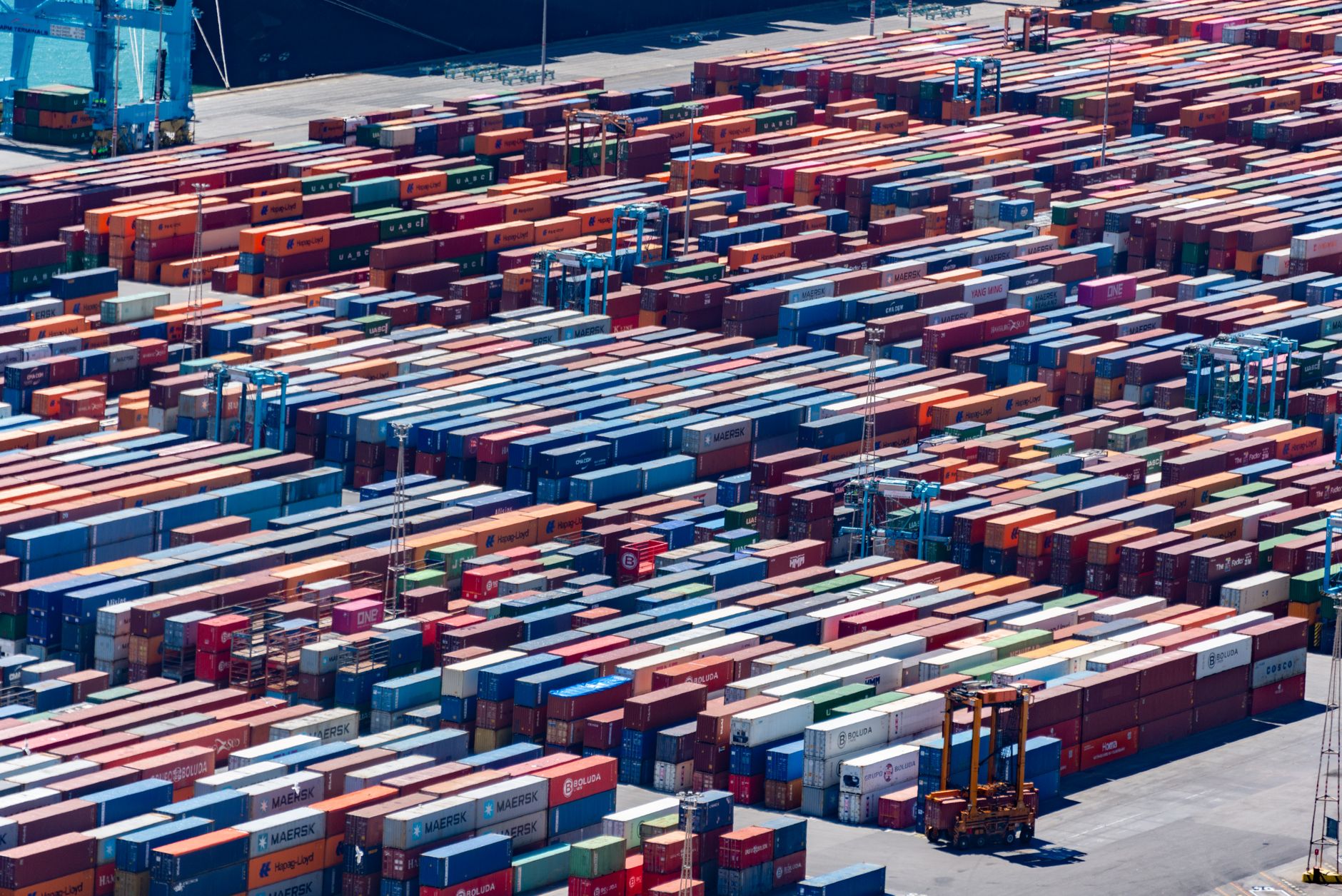
Consider the cumulative impact: a shipment from Asia to the US might spend 25 days in transit, plus an average of 3-5 days waiting for port entry, then another 2-3 days for customs clearance and drayage. That's assuming no major hitches. Each delay compounds, tying up working capital and delaying market entry. One client I worked with faced a $15,000 fine for misclassified HTS codes on a single container of electronics, entirely due to an overseas supplier's documentation error. These aren't isolated incidents; they're systemic flaws in a fragile, geographically dispersed model.
"The average global supply chain disruption now costs large enterprises $184 million annually, a 28% increase from pre-pandemic levels, with customs and port issues accounting for 40% of these losses."
Most companies fail to accurately calculate the total landed cost because they omit critical "soft" costs: the cost of delayed inventory, the capital tied up in longer transit, the risk premium of geopolitical instability, and the inevitable administrative burden of resolving international customs disputes. When these are factored in, the "cheaper" overseas option often becomes significantly more expensive than a regional alternative. It's a classic case of chasing a low unit price while ignoring the catastrophic total cost of ownership. The time for a strategic shift is now, before another Black Swan event wipes out your profit margins.
Identifying Nearshoring Opportunities: Which Sectors Gain Most from Supply Chain Localization?
Not every product or industry is an ideal candidate for nearshoring, and understanding this nuance is what separates profitable localization from expensive mistakes. Based on my experience brokering millions of miles of freight, the biggest gains from supply chain localization are seen in sectors with high labor costs, significant intellectual property, or strict regulatory requirements, and those with high-volume, low-margin products where transportation efficiency is paramount. Manufacturers often miss this by focusing solely on direct production costs, ignoring the downstream benefits.
- Evaluate Total Landed Cost (TLC): Move beyond FOB. Calculate the true cost including freight, duties, tariffs, insurance, inventory carrying costs (longer lead times mean more safety stock), quality control, and the hidden costs of managing distant supplier relationships. For example, a widget sourced from Mexico might have a slightly higher unit cost than from Vietnam, but if it cuts lead times by 25 days and reduces spoilage by 3%, the TLC often favors Mexico.
- Assess IP and Data Security Risks: Industries with sensitive intellectual property (e.g., aerospace components, specialized electronics) face fewer risks when production is closer to home. Nearshoring to countries with robust legal frameworks, like Canada or Mexico, significantly reduces the likelihood of counterfeiting or IP theft compared to some Asian markets.
- Consider Regulatory Alignment: Products subject to stringent North American or EU regulations (e.g., medical devices, food products, certain automotive parts) benefit immensely from production in regions with similar regulatory standards. This streamlines compliance and reduces the risk of costly recalls or rejections at the border. I've personally seen FDA import detentions add 45 days and $25,000 to a single food shipment.
- Analyze Product Characteristics: Heavy, bulky, or low-value-density items (e.g., furniture, construction materials, certain plastics) incur disproportionately high international shipping costs, making them prime nearshoring candidates. Conversely, very high-value, low-volume items might still justify distant sourcing.
"Companies nearshoring their manufacturing operations report an average 15.3% reduction in overall logistics costs and a 20% improvement in time-to-market within the first two years."
Executing Your Nearshoring Strategy: A Step-by-Step Playbook for Manufacturers
Shifting production isn't a flip of a switch; it's a strategic overhaul requiring meticulous planning and execution. The biggest mistake I've seen? Companies trying to replicate their overseas supply chain exactly, rather than redesigning it for a regional context. Your goal is to create an agile, responsive system, not just move a factory.
- Phase 1: Deep Dive Supplier Audit (60-90 days): Don't just pick the cheapest regional supplier. Conduct comprehensive audits of potential nearshore partners. This isn't just about factory capabilities; it's about their financial stability, labor practices, quality control, and their own tier-2 and tier-3 supplier networks. I once worked with a client who selected a Mexican supplier that had a great initial quote but then failed to meet production deadlines due to their reliance on a single, unreliable overseas sub-component manufacturer. Get granular.
- Phase 2: Redesign Logistics Networks (90-120 days): This is where true savings are unlocked. Nearshoring allows for a shift from ocean freight and air cargo to more predictable and often more cost-effective truckload (TL) or less-than-truckload (LTL) services. Re-evaluate your distribution center (DC) network. Can you consolidate DCs? Implement cross-docking strategies? Explore intermodal options for longer domestic hauls to save 15-20% on linehaul costs compared to over-the-road (OTR) trucks. Loadly's platform offers access to a vast network of vetted carriers, enabling you to optimize domestic and cross-border lanes efficiently and find competitive rates for your localized supply chain needs.
- Phase 3: Master Cross-Border Compliance (Ongoing): Nearshoring, particularly between the US, Canada, and Mexico (USMCA), still involves customs. Engage a customs broker early. Understand specific tariffs, rules of origin, and compliance requirements. Incorrect HTS codes or origin declarations can still lead to delays and fines, even across a land border. I've seen companies save $5,000-$10,000 per month by optimizing their USMCA rules of origin documentation, a detail often overlooked.
- Phase 4: Technology Integration (Ongoing): Invest in real-time visibility tools. A localized supply chain is only as efficient as your ability to track inventory and shipments. This means integrating with your new suppliers' systems and your chosen logistics partners.
Optimizing Domestic Freight: Maximizing Savings & Resilience in a Localized Network
With goods moving closer to home, your domestic freight strategy becomes the lynchpin of profitability and speed. This is where many companies, accustomed to international shipping, stumble. They fail to adapt to the nuances of domestic transportation, leaving significant savings on the table and exposing themselves to new forms of disruption. The real gains in supply chain localization come from smarter domestic moves, not just shorter international ones.
- Leverage LTL Consolidation: For smaller, frequent shipments from nearshore suppliers to multiple distribution points, LTL (Less-Than-Truckload) is often the sweet spot. However, don't just accept standard LTL. Look for opportunities to consolidate multiple LTL shipments into full truckloads (FTL) at a regional hub before the final leg. This technique can reduce your overall LTL spend by 20-30% for specific lanes and volumes.
- Negotiate Volume-Based Contracts: As your nearshoring volume grows, negotiate dedicated lane agreements or volume commitments with specific carriers. This secures capacity and locks in favorable rates, shielding you from spot market volatility. Carriers often offer a 5-10% discount for guaranteed, predictable freight flows, especially on recurring routes.
- Optimize Routing and Backhauls: Work closely with your carriers to identify potential backhaul opportunities for their equipment. A carrier returning empty after a delivery might offer a significantly reduced rate on a pickup along that return path. This requires flexibility and proactive communication, but can shave 10-15% off a specific load's cost.
- Embrace Cross-Docking & Regional Hubs: Instead of shipping all nearshored goods to one central DC, consider setting up smaller regional cross-dock facilities. This allows for faster sorting and distribution, reducing final-mile delivery times by an average of 1.5 days and cutting inventory holding costs by minimizing stock in transit.
"Nearly 68% of companies that shifted significant production to North America reported improved domestic delivery performance and a 9% decrease in last-mile logistics expenditures within three years."
Nearshoring vs. Offshoring vs. Reshoring: Key Differences for Your Strategy
| Criteria | Offshoring (Traditional) | Nearshoring (Localization) | Reshoring (Localization) |
|---|---|---|---|
| Definition | Producing goods in a distant country (e.g., Asia) to leverage lower labor costs. | Relocating production to a nearby country (e.g., Mexico for US companies). | Bringing production back to the home country. |
| Primary Driver | Lowest direct labor/production cost, access to large markets. | Reduced lead times, lower transportation costs, geopolitical stability, cultural affinity. | Maximum control, "Made In" branding, job creation, extreme supply chain resilience. |
| Typical Lead Time | 45-90+ days (ocean freight, customs) | 10-30 days (truck, rail, expedited options) | 3-10 days (domestic freight) |
| Logistics Complexity | High (ocean, air, multiple customs, Incoterms, port congestion) | Medium (cross-border customs, truck/rail, regional DCs) | Low (domestic truck/rail, simplified distribution) |
| Initial Investment | Low (leveraging existing infrastructure, contract manufacturing) | Moderate (setting up new facilities or partnerships) | High (new factory construction, significant retooling) |
| Risk Profile | High (geopolitical, natural disaster, quality control, IP theft, tariffs) | Medium (regional political instability, some cross-border customs risk) | Low (controlled environment, stable regulations) |
| Cost Savings Focus | Direct unit production cost | Total Landed Cost (TLC), reduced inventory, faster market access | Premium for resilience, brand value, long-term stability |
Key Takeaways for Your 2025 Supply Chain Localization Strategy
- The "cheap" overseas unit price is a mirage: Calculate your true Total Landed Cost (TLC) to reveal the hidden expenses of long global supply chains, often reaching 10-15% higher than perceived.
- Nearshoring cuts transit and inventory: Shifting production closer can reduce lead times by 18-25 days, significantly cutting inventory holding costs and improving cash flow.
- Focus on high-volume, regulated, or IP-sensitive goods: These sectors see the most immediate and significant returns from supply chain localization.
- Domestic freight is your new competitive edge: Master LTL consolidation, volume contracts, and backhaul optimization to maximize savings on shorter, regional hauls.
- Cross-border compliance is non-negotiable: Even with nearshoring partners like Mexico or Canada, meticulous customs documentation and understanding USMCA rules of origin can prevent $5,000+ monthly fines and delays.
- Invest in real-time visibility: You can't optimize what you can't see. Technology integration with suppliers and logistics partners is crucial for managing your agile, localized network.
- Don't just move, redesign: Simply replicating an overseas factory regionally misses the point. Re-engineer your entire logistics and distribution network for regional efficiency.
Frequently Asked Questions About Supply Chain Localization
What is supply chain localization?
Supply chain localization refers to the strategic decision to move parts of a company's manufacturing, sourcing, and distribution operations closer to its end markets. This typically involves nearshoring (to nearby countries) or reshoring (back to the home country) to reduce geopolitical risks, shorten lead times, and enhance supply chain resilience.
How much can I save by nearshoring my supply chain?
Based on industry analysis and my own client experiences, companies nearshoring can expect to reduce total landed costs by an average of 10-15% within 2-3 years, primarily through lower transportation costs, reduced inventory holding, fewer customs delays, and improved quality control. Specific savings depend on the industry and product.
When should I consider nearshoring my manufacturing?
You should consider nearshoring if you are experiencing frequent customs delays, high freight costs, long lead times, significant geopolitical exposure, or challenges with quality control and intellectual property protection from distant suppliers. High-volume, bulky goods and products with strict regulatory requirements are often ideal candidates.
What is the difference between nearshoring and reshoring?
Nearshoring involves moving production to a geographically closer country (e.g., a US company moving production from China to Mexico). Reshoring, on the other hand, is the specific act of bringing production back to a company's home country (e.g., a US company moving production from China back to the United States). Both are forms of supply chain localization.
How does supply chain localization affect Incoterms?
Supply chain localization significantly simplifies Incoterms by reducing the complexity of international shipping stages. For instance, shifting from FOB Shanghai to DDP Matamoros (Mexico) can drastically reduce your exposure to risk, customs delays, and unexpected costs, as responsibility transfers much closer to your final destination, often relying more on domestic freight terms once goods clear the border.
Future-Proof Your Business with Strategic Supply Chain Localization
The days of passively accepting endless transit times and unpredictable global disruptions are over. Successful importers, exporters, and manufacturers in 2025 will be those who proactively embrace supply chain localization, moving beyond theoretical discussions to actionable strategies. It's not just about mitigating risk; it's about unlocking new levels of efficiency, responsiveness, and direct cost savings that your competitors are missing.
By shortening your supply lines, you gain unprecedented control over your inventory, your delivery schedules, and ultimately, your bottom line. This expert playbook has shown you how to diagnose the real problems and implement specific, data-driven solutions that will redefine your operational resilience. Don't wait for the next disruption to force your hand.
Ready to start optimizing your localized freight movements and find reliable carriers for your nearshored goods? Take control of your logistics strategy today. Join Loadly and connect with top-rated freight professionals.