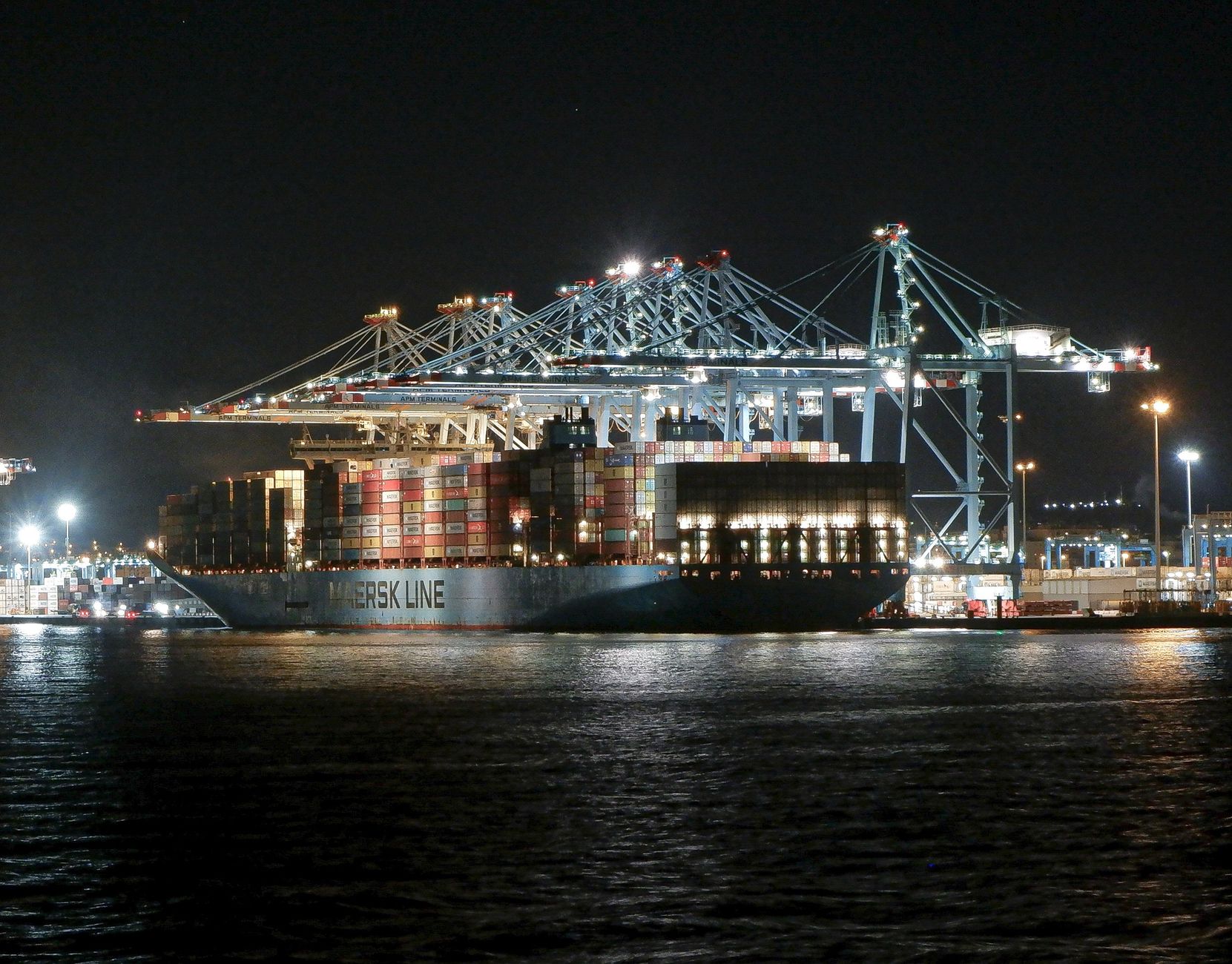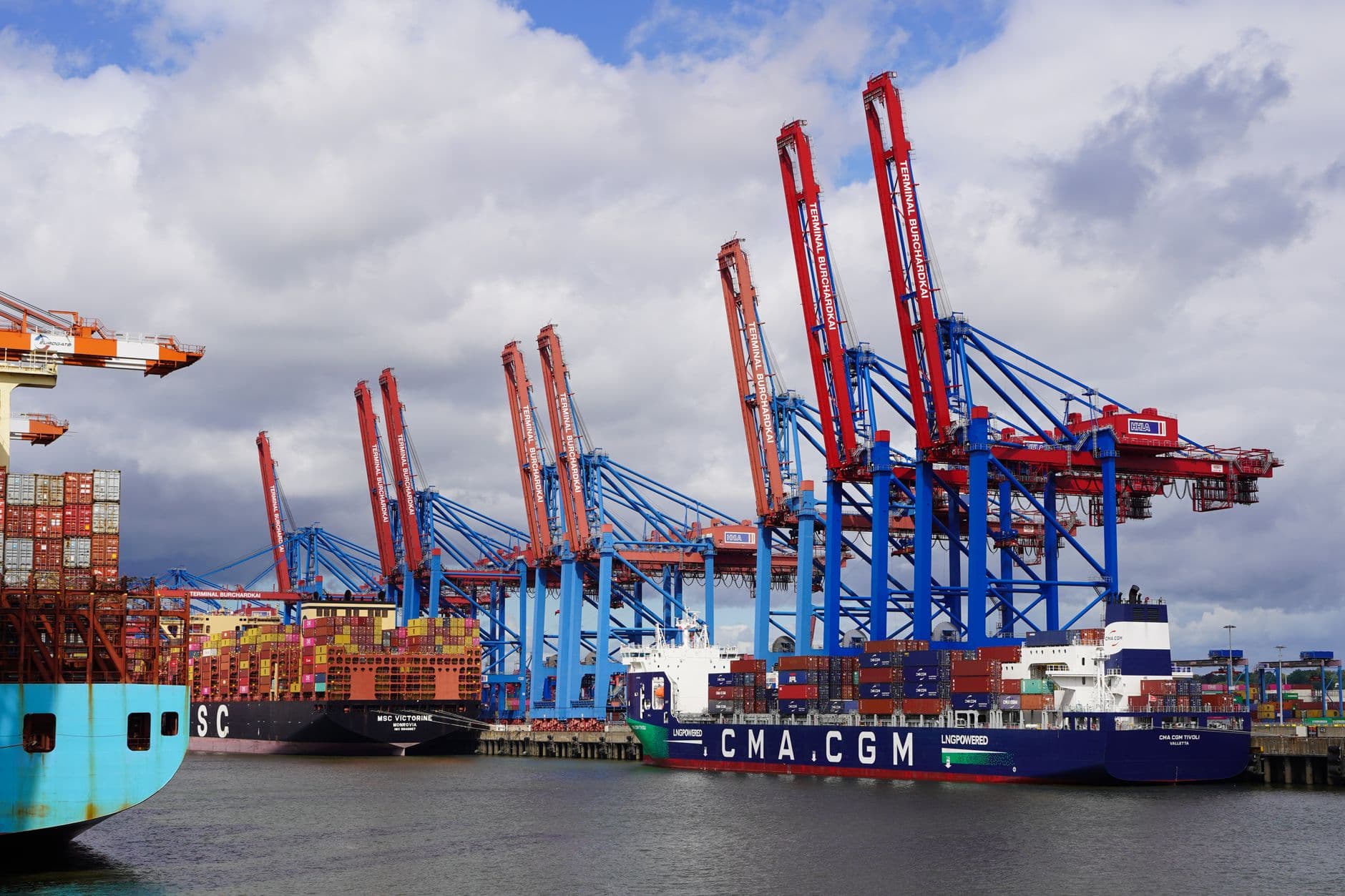
Quick Answer: AI-driven predictive port congestion solutions leverage vast datasets including satellite imagery, AIS vessel tracking, and historical operational patterns to forecast potential port delays and bottlenecks weeks in advance. This foresight allows shippers to proactively reroute cargo, adjust inland logistics, and renegotiate contracts, potentially reducing costly demurrage and detention fees by up to 30% and improving overall supply chain reliability.
Imagine a container carrying your critical components, sitting at port, racking up $200 in demurrage fees every single day—not because of *your* fault, but because the port itself is a gridlocked mess you couldn't foresee. This isn't a hypothetical nightmare; it's the daily reality for countless logistics managers, contributing to the staggering $22 billion US importers paid in demurrage and detention fees last year alone. But what if you knew, two to four weeks out, that this exact scenario was brewing? That's the power of predictive port congestion analytics, an AI-driven revolution poised to redefine supply chain resilience in 2025.
The Hidden Cost of Unpredictable Port Congestion: Beyond Demurrage
For too long, port congestion has been an accepted, unpredictable tax on global trade. While demurrage (fees for containers staying too long at the terminal) and detention (fees for keeping carrier equipment beyond free time) are the most visible culprits, they represent just the tip of a much larger financial iceberg. We’re talking about production line stoppages, lost sales from missed market windows, expedited air freight to compensate, and the erosion of customer trust.
“Unpredictable port congestion events added an average of 4.7 days to ocean transit times for Trans-Pacific routes in 2023, translating to a 15-20% increase in overall lead times for many manufacturers.”
The root causes are complex, a perfect storm of vessel bunching, unforeseen labor shortages, inland transportation bottlenecks (especially drayage capacity and chassis availability), and even geopolitical shifts or extreme weather events. Most logistics professionals have been forced into a reactive stance, scrambling to mitigate damage *after* a delay is already certain. This reactive approach, built on historical averages and real-time tracking, simply isn't enough when container dwell times can surge from a manageable 4 days to an agonizing 12 days at major hubs like Los Angeles/Long Beach during peak periods.
Leveraging AI for Predictive Port Congestion Forecasting: Your 2025 Advantage
The game-changer for 2025 is AI's ability to move beyond historical trends and deliver true forward-looking intelligence. Unlike traditional models that merely track current vessel positions, predictive port congestion platforms ingest a colossal array of dynamic data points:
- AIS Data: Real-time vessel movements, speeds, and destinations for hundreds of thousands of ships.
- Satellite Imagery: Visual confirmation of vessel queues, yard density, and gate activity at major terminals.
- Historical Performance: Past dwell times, crane productivity, and labor availability patterns for specific ports and terminals.
- Macroeconomic Indicators: Consumer demand forecasts, manufacturing output, and inventory levels that signal future freight volumes.
- Weather Patterns: Advanced meteorological models for potential disruptions like hurricanes or dense fog.
- Inland Capacity: Real-time data on truck and rail availability, chassis pools, and warehouse utilization around key port regions.
By correlating these factors, AI algorithms can identify subtle patterns and anomalies that indicate impending congestion with an accuracy rate exceeding 85%, often providing 2-4 weeks of advance notice. This isn't just knowing a vessel is *late*; it's knowing that a specific terminal will likely experience a 30% increase in container dwell time next Tuesday due to a combination of expected vessel arrivals and forecasted drayage shortages. This insider insight fundamentally changes your ability to act.
Strategic Vessel Diversion & Route Optimization to Bypass Congestion Hotspots
Once you have a reliable predictive port congestion forecast, the most impactful action is proactive diversion. This isn't about guesswork; it's about informed strategic shifts that minimize costs and keep your supply chain flowing. As a veteran broker and owner-operator, I've seen countless shippers pay exorbitant fees when a diversion could have saved them thousands, simply because they lacked the foresight.
- Identify Feasible Alternative Ports: Don't just pick the closest. AI models can simulate impacts on major East Coast ports like Charleston or Norfolk if New York/New Jersey is flagged, or Oakland/Seattle if LA/Long Beach is the issue. Critically, consider the *inland* infrastructure at these alternate ports. A less congested port is useless if it lacks sufficient drayage capacity or viable rail connections to your final destination. Look at average truck turn times and local chassis availability.
- Assess Total Cost of Diversion: It's never just the ocean freight. Factor in the cost of rerouting, potentially longer transit times to the final destination from the alternate port, and crucially, the comparative drayage and rail costs. Often, the increase in inland freight is far less than the D&D fees avoided. For instance, redirecting a container from the Port of Savannah to the Port of Jacksonville, even with an extra 150 miles of drayage, could save over $1,500 in D&D fees if Savannah is experiencing a 7-day delay.
- Negotiate Diversion Clauses Proactively: Build flexibility into your carrier contracts. Many shippers overlook the importance of force majeure and diversion clauses. Negotiate for pre-approved alternate port options and transparent pricing for diversions *before* the issue arises. This eliminates costly last-minute negotiations when you're under pressure.
What most professionals miss: It’s not just vessel arrival that bottlenecks. Pay close attention to predictive data on *on-dock rail dwell times*. Even if a container gets off the vessel quickly, if rail capacity is choked, it will still incur D&D fees. AI can predict these landside choke points weeks out, giving you time to arrange transloading or dedicated drayage instead.
Optimizing Inbound Logistics: Syncing Trucking & Warehouse Operations with Predictive Data
Predictive port congestion insights extend far beyond just rerouting vessels; they are invaluable for fine-tuning your landside operations, the 'last mile' where many supply chains falter and the true cost of delays often materializes. With advance notice of 2-4 weeks, you transform reactive chaos into proactive control.
"Companies utilizing advanced supply chain visibility and predictive analytics tools reported a 17% reduction in expedited shipping costs and a 12% improvement in inventory turns in 2023."
- Precision Drayage Scheduling: Instead of booking drayage based on estimated vessel arrival, which is notoriously unreliable, schedule based on AI's predicted *container availability* at the terminal gate. This ensures trucks arrive precisely when your container is ready for pickup, minimizing driver wait times (saving you money on detention) and avoiding unnecessary gate fees or pre-pull charges. An early example from a Loadly user showed a 28% reduction in drayage-related accessorial fees simply by syncing their drayage bookings with predictive container availability data. You can browse live drayage loads and secure capacity instantly on Loadly's digital freight marketplace, leveraging these insights for optimal timing.
- Dynamic Warehouse Staffing and Inventory Management: With a clear picture of inbound flow, you can optimize warehouse labor. If delays are predicted, hold off on scheduling extra shifts. If an early arrival is confirmed, staff up to efficiently unload and process cargo, preventing internal bottlenecks. This also allows for more precise inventory buffer management, reducing unnecessary safety stock and freeing up valuable working capital.
- Container Reuse Program Efficiency: For shippers with both import and export needs, predictive data is gold. Knowing exactly when an import container will be emptied and available allows for seamless "street turn" opportunities, where the empty container is immediately reloaded with export cargo without returning to the port. This can save thousands per container in repositioning fees and drayage costs, a strategy often overlooked by those without granular, predictive visibility.
This level of operational precision means avoiding the costly domino effect of port delays on your entire domestic network. It's about turning uncertainty into a competitive advantage.
Proactive Demurrage & Detention Fee Mitigation: Negotiate & Audit
Even with the best predictive tools, some level of port congestion will always be a reality. The key is to dramatically reduce the associated financial penalties. Based on my years seeing both sides as a dispatcher and a broker, most shippers pay D&D fees without truly understanding their options or rights. This is where a proactive mitigation strategy, informed by predictive data, saves substantial capital.
- Master Your Contracts & Free Time Agreements: This is fundamental. Every carrier contract specifies "free time"—the period a container can dwell at the terminal (demurrage) or be held by the consignee (detention) without charge. Standard free time is often 3-5 days. However, knowing your lanes are prone to predictive congestion gives you leverage to negotiate for longer free time (e.g., 7-10 days) upfront, especially for high-volume lanes. Always review these terms annually.
- Implement Robust Container Tracking & Event Logging: You cannot dispute what you cannot prove. Invest in systems that automatically log key events: vessel arrival at port, container discharge, container availability for pickup, gate-in/gate-out times, and empty return. This granular data is your ammunition against incorrect or unjust D&D charges. A simple spreadsheet isn't enough; automated data capture is critical.
- Scrutinize and Dispute Every Charge: Carriers and terminals sometimes levy charges incorrectly or when delays are beyond the shipper's control (e.g., port operational closures, labor strikes). With your detailed event log and predictive congestion reports as evidence, formally dispute charges where delays were clearly attributable to port or carrier issues. For example, if a port closure prevents pickup, you have grounds to dispute those days. Many shippers simply pay, but diligent auditing can claw back 10-15% of total D&D spend annually.
The insider secret here? Many carriers are willing to be flexible on D&D for their most valued, high-volume shippers, especially if you can demonstrate a clear commitment to improving turnaround times on your end. Use predictive data to show you're actively trying to mitigate issues, not just passively accepting delays.
Key Takeaways
- Predictive port congestion analytics, powered by AI, offers 2-4 weeks' advance warning of potential delays, moving shippers from reactive to proactive.
- This foresight allows for strategic vessel diversions to less congested ports, potentially saving thousands in demurrage and detention fees.
- Optimizing landside logistics, including drayage scheduling and warehouse staffing, with predictive data can reduce accessorial fees and improve efficiency.
- Proactive negotiation of extended free time in carrier contracts and diligent auditing of D&D charges are critical for cost mitigation.
- Integrating AI-driven supply chain visibility tools is no longer a luxury but a necessity for maintaining competitive advantage and avoiding unforeseen costs in 2025.
- Prioritize understanding and challenging D&D invoices with detailed tracking data; don't just pay them blindly.
- Consider alternate inland transport options (e.g., transloading) when AI forecasts severe on-dock rail dwell issues at a primary port.
Frequently Asked Questions
What is predictive port congestion?
Predictive port congestion refers to the use of advanced analytics, primarily AI and machine learning, to forecast future delays and bottlenecks at global shipping ports. It synthesizes vast amounts of data—from satellite imagery and vessel tracking to weather patterns and economic indicators—to provide shippers with proactive warnings, typically 2-4 weeks in advance, about potential gridlock.
How does AI forecast port delays?
AI forecasts port delays by analyzing complex datasets that include Automatic Identification System (AIS) vessel data, historical port performance, real-time satellite imagery of port yards, weather forecasts, and macroeconomic shipping demand signals. Machine learning algorithms identify patterns and anomalies within this data, allowing them to predict vessel bunching, extended dwell times, and potential landside bottlenecks with high accuracy.
What are demurrage and detention fees?
Demurrage fees are charges levied by ocean carriers or port terminals when an import container remains at the terminal beyond its allotted "free time" for pickup. Detention fees are charges levied by the ocean carrier when the container or chassis is held by the consignee (shipper/receiver) beyond the allotted free time for unloading and returning the empty equipment. Both are significant and often unexpected costs.
How much can predictive analytics save on shipping costs?
By enabling proactive rerouting, optimized drayage scheduling, and informed contract negotiation, predictive analytics can significantly reduce shipping costs. Industry analyses and early adopters report potential savings of 15-30% specifically on demurrage and detention fees, alongside reductions in expedited shipping expenses and improved inventory management efficiency.
Which US ports are most prone to congestion in 2025?
Historically, major gateway ports like Los Angeles/Long Beach (LA/LB), New York/New Jersey (NY/NJ), and Savannah have been most prone to congestion due to high volume. However, in 2025, predictive models indicate that secondary ports like Charleston, Norfolk, and Houston could also experience intermittent congestion as shippers divert from primary hubs, potentially shifting bottlenecks. Consistent monitoring with AI tools is crucial for identifying emerging hotspots.
Navigate 2025 Port Congestion with Confidence
The days of passively accepting port congestion as an unavoidable business cost are over. As a logistics professional, you now have access to AI-powered predictive tools that transform reactive damage control into strategic advantage. By understanding future bottlenecks, you can actively shape your supply chain, bypassing gridlock, slashing exorbitant demurrage and detention fees, and ultimately delivering more reliably to your customers.
Don't let unpredictable port delays erode your margins and reputation. Take control of your supply chain's future. Register on Loadly today to explore how integrated data and smart matching can connect you with carriers who leverage these predictive insights, ensuring your cargo keeps moving efficiently, regardless of what 2025 brings.