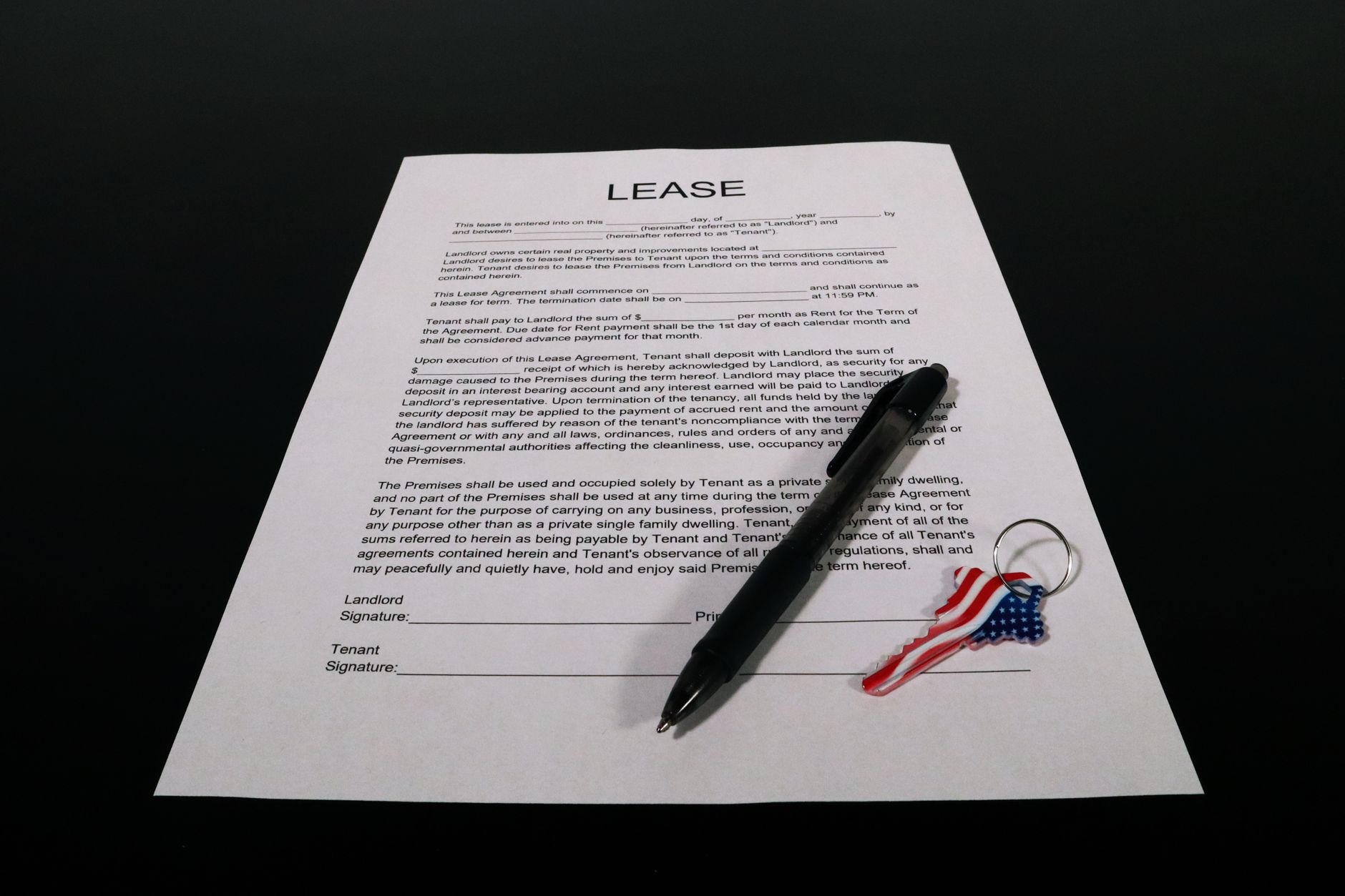
Quick Answer: True owner-operator status, involving outright truck purchase, consistently maximizes earnings by eliminating predatory lease payments, hidden fees, and restrictive contract clauses. While lease-purchase offers a lower entry barrier, it often results in higher overall costs, delayed equity, and a significantly higher failure rate for drivers in the long run.
It’s 10 PM, you’re at a truck stop, staring at your settlement sheet from a 2,500-mile week, and instead of profit, you see another $800 disappear into lease payments, maintenance escrow, and "administrative fees." This isn't just a bad week; it's the hidden reality for nearly 65% of lease-purchase drivers who struggle with cash flow, constantly wondering if true ownership is an unreachable dream. What if I told you that dream is not only achievable but essential to avoid losing an estimated $2,500 per month to an opaque financial trap that most drivers fall into?
The Lease-Purchase Trap: Why Most Drivers Never Own Their Truck
For over a decade, I've watched countless drivers, from dispatchers to logistics managers, fall into the enticing but often perilous world of lease-purchase agreements. The allure is undeniable: low money down, easy approval, and the promise of "being your own boss." But the reality, especially in the volatile market of 2025 with fluctuating fuel costs and tightening HOS regulations, is far more complex and costly. Most drivers fail here not due to lack of effort, but due to a fundamental misunderstanding of the contract's long-term financial drain and the immediate operational hurdles.
The core issue stems from contracts that heavily favor the leasing company. Many agreements include inflated truck prices, high-interest rates that would be illegal in traditional loans, and non-refundable maintenance reserves that drivers rarely see utilized effectively for their benefit. For example, a 2018 study by the Owner-Operator Independent Drivers Association (OOIDA) revealed that
"drivers in lease-purchase programs typically pay 15-20% above fair market value for their trucks, and 75% never achieve full ownership, losing an average of $30,000 to $50,000 over the contract term without building any equity."This isn't just theory; I've personally seen drivers pay $120,000 for a five-year-old truck worth $70,000, locked into payments of $1,800-$2,200 per week, on top of insurance and fuel.
Compounding this, many lease-purchase deals come with mandatory in-network maintenance, which often charges higher rates than independent shops. I once worked with a driver whose lease mandated services at specific dealerships, costing him an extra $700 on a routine brake job that an independent mechanic quoted for $450. Furthermore, these contracts rarely account for empty return miles, leaving the driver footing the bill for unproductive travel, effectively eroding 15-20% of their gross revenue on backhauls. The true cost isn't just the weekly payment; it's the invisible expenses that quietly suffocate profitability, often leading to repossession after just 18-24 months for drivers who couldn't keep up with the grueling pace required to stay afloat.
Understanding the True Costs: Lease-Purchase vs. True Ownership
To make an informed decision between owner-operator vs lease purchase, you need to dissect the actual financial burden of each. It's not just about the weekly truck payment; it’s about total cost of ownership (TCO) and your net take-home pay after ALL expenses. Most drivers only look at the payment, missing the bigger picture.
For a lease-purchase agreement, the true costs extend beyond the sticker price. You're often paying a premium for the truck itself, sometimes as much as 25% higher than what you'd pay buying outright. Then, factor in a higher interest rate, typically ranging from 12-20% APR, compared to 6-10% for a traditional commercial truck loan for an owner-operator with good credit. This difference alone can add $500-$1,000 per month to your payment over five years. Many agreements also include balloon payments at the end, which most drivers are unprepared for, forcing them into another lease or outright failure.
Consider the "hidden fees" often glossed over. These include mandatory escrow for maintenance, typically $200-$400 per week, which you may never fully recover or control. There are also administrative fees, processing fees, and sometimes even a percentage of your gross revenue taken by the leasing company for "dispatch services." These can easily add another $100-$300 per week to your operational overhead.
"In a recent survey of over 500 truck drivers, 68% reported feeling financially trapped by their lease-purchase agreements, with average weekly deductions for unforeseen expenses exceeding $350."This means a driver expecting to net $1,500 after fuel might actually walk away with $800-$1,000, leading to perpetual cash flow issues and difficulty saving for crucial repairs or slow periods.
Conversely, true owner-operator status, while requiring a larger upfront investment or better credit for a loan, offers unparalleled financial control. You purchase the truck at market value, negotiate your own financing, and select your own insurance and maintenance providers. This often translates to 20-30% lower maintenance costs annually because you’re not restricted to overpriced network shops. You also retain 100% of your gross revenue (minus your agreed-upon broker/dispatcher fee), allowing you to build equity in an asset that appreciates or depreciates based on market conditions, not predatory contract terms. This financial freedom is the foundation for truly maximizing earnings and building a sustainable business.
Strategy 1: How to Secure Better Financing for True Ownership in 2025
The biggest hurdle for many drivers considering true ownership is financing. They assume they can't get approved or that the rates will be too high. This is often a misconception, especially if you have a solid driving record and even modest savings. Based on my experience, securing favorable financing is 80% preparation and 20% negotiation.
Here’s how to approach it:
- Build Your Credit Score Aggressively: Even small improvements can drastically impact your loan rate. Aim for a FICO score above 680. Pay off credit card balances, dispute errors, and if possible, get a secured credit card to demonstrate responsible use. A 50-point score increase can lower your APR by 2-3 percentage points, saving you $3,000-$5,000 annually on a $100,000 truck loan.
- Save for a Down Payment (Minimum 10-15%): Lenders are far more willing to offer competitive rates when you have skin in the game. For a $100,000 truck, aim for at least $10,000-$15,000 down. This not only reduces your loan amount but also signals financial stability, potentially qualifying you for lower interest rates. Many drivers I've advised start by setting aside $500/month from their current paychecks – it adds up faster than you think.
- Prepare a Detailed Business Plan (Even for Yourself): Lenders want to see you've thought this through. Outline your operating costs (fuel, insurance, maintenance, tolls), expected revenue streams, and your contingency plan for slow periods or major repairs. This isn’t just for the bank; it’s your roadmap to success. Include specific projections for mileage, average rate per mile, and how you’ll handle deadhead.
- Shop Multiple Lenders: Don't just go to the first bank. Commercial truck financing is a specialized niche. Contact credit unions, equipment finance companies, and small business lenders.
"Comparing loan offers from at least three different financial institutions can result in an average interest rate reduction of 1.5% to 2.5%, translating to tens of thousands in savings over the life of a truck loan."
Ask about different loan terms (3-5 years) and prepayment penalties.
What most drivers miss: Many overlook local credit unions, assuming they only cater to personal loans. However, many credit unions have strong commercial lending divisions and often offer more flexible terms and lower rates than national banks to local owner-operators. Always ask about their specific heavy-duty vehicle loan programs.
Strategy 2: Optimizing Load Procurement & Minimizing Empty Miles
Regardless of whether you own your truck or are in a lease-purchase agreement, maximizing loaded miles and minimizing deadhead is paramount to profitability. For owner-operators, every empty mile costs you money directly, without the buffer of a company covering some costs. In 2025, with fuel prices hovering around $4.00/gallon in many regions, even a 100-mile deadhead run costs you $80-$100 in fuel alone, not including wear and tear.
Here's how seasoned owner-operators systematically reduce empty miles and secure higher-paying loads:
- Leverage Digital Freight Marketplaces: Stop relying solely on phone calls or brokers you’ve known for years who might not be offering the best rates. Platforms like Loadly give you direct access to thousands of loads from reputable shippers and brokers. You can filter by origin, destination, weight, and rate, allowing you to quickly find backhauls that fit your route. This is critical for avoiding empty return miles. For example, by proactively searching and booking a load from Dallas to Houston for a return trip, instead of deadheading, a driver can add $400-$600 to their gross revenue on a typical regional run.
- Negotiate Your Rate with Data: Don't just accept the first offer. Use real-time rate data, often available through advanced freight platforms or industry reports, to back up your desired rate. If the market average for a lane is $2.70/mile and a broker offers $2.20, you now have leverage.
"Owner-operators who negotiate rates using real-time market data see an average 8-12% increase in rate per mile compared to those who don't."
Focus on lanes where demand outstrips capacity for maximum leverage. - Build Direct Shipper Relationships: This is the holy grail. Cutting out the middleman (broker) can increase your rate per mile by 15-25%. It takes time and effort, but identify key lanes you run frequently and reach out directly to manufacturers or distributors. Offer consistent, reliable service. This provides stable income and often reduces payment terms. I've seen owner-operators secure contracts that guaranteed $3.00/mile+ on dedicated lanes, eliminating the constant hunt for loads.
- Optimize Your Route Planning with Loadly: Before you even leave, map out your primary load and potential backhauls. Use platforms where you can easily browse live LTL loads near you or full truckload options. Look for triangular routes (A to B, B to C, C back to A) rather than just out-and-back. This requires flexibility but can significantly boost profitability by turning potential deadhead into revenue-generating miles.
Insider Tip: Many smaller, regional shippers often use local social media groups or industry forums to find reliable carriers for specific niche products. Engaging in these communities can uncover exclusive, high-paying loads that never hit the major load boards. This is where you find the 'gold' that big carriers often miss.
Strategy 3: Proactive Maintenance & Contingency Planning
Unexpected maintenance costs are the silent killer of owner-operator profits, especially for lease-purchase drivers who often have less control over repairs and inflated costs. A major breakdown can easily cost $5,000-$15,000, turning a profitable month into a financial disaster. True ownership gives you the freedom to choose your repair shop and manage your budget, but proactive planning is still crucial.
Here's how experienced owner-operators safeguard their earnings:
- Establish a Dedicated Maintenance Fund: This isn't optional; it's essential. Aim to set aside $0.15 - $0.25 per mile into a separate bank account specifically for repairs and preventive maintenance. For a truck running 10,000 miles a month, that's $1,500 - $2,500 accumulating monthly. This fund will cover everything from routine oil changes ($400-$600) to unexpected tire blowouts ($500-$800 per tire) or even a complete engine overhaul ($20,000-$30,000).
- Follow a Strict Preventative Maintenance Schedule (and Document It): Don't wait for something to break. Stick to your manufacturer's recommendations for oil changes, filter replacements, fluid checks, and tire rotations. Keep meticulous records. This not only extends your truck's lifespan but also helps prevent costly roadside breakdowns. A properly maintained truck can reduce major failure rates by up to 40%, saving you thousands in towing and emergency repair costs. Remember, 49 CFR Part 395 dictates hours of service, but maintaining your truck keeps you compliant and on the road.
- Build Relationships with Trusted Mechanics: This is insider knowledge. Find 2-3 independent shops or mobile mechanics known for heavy-duty work, ideally specializing in your truck's make and model. Get to know them, get quotes in advance, and understand their hourly rates. They often provide better service and significantly lower prices than dealerships, sometimes saving you 20-30% on labor costs alone. I once saved a driver $1,200 on a DPF cleaning by recommending a reputable independent shop over the dealership's exorbitant quote.
- Understand Your Insurance Coverage: Don't just pay the premium; know what's covered. Does your policy include downtime coverage? What are your deductibles for collision, comprehensive, and cargo? High deductibles mean lower premiums but larger out-of-pocket costs if an incident occurs. Balance the two based on your cash reserves.
"Many owner-operators overlook critical coverages like non-trucking liability and bobtail insurance, leaving them exposed to significant financial risk during non-hauling periods."
The common mistake: Many drivers view maintenance as an expense to be minimized, not an investment. Skipping oil changes or delaying minor repairs almost always leads to catastrophic failures down the line, often costing 5-10 times more than the preventative measure would have.
Owner-Operator vs Lease-Purchase: A 2025 Financial Comparison
| Criteria | True Owner-Operator (Purchase) | Lease-Purchase Agreement |
|---|---|---|
| Upfront Costs | Significant (10-25% down payment for loan, potentially $10,000-$30,000+) | Low (often $0-$5,000 "doc fees" or first payment) |
| Truck Price & Equity | Market value purchase, build equity immediately. Asset ownership. | Inflated price (15-25% above market), minimal or no equity built until contract end, often with balloon payment. |
| Financing Costs | Lower APR (6-10%), negotiable terms. Full control over loan. | Higher APR (12-20%), rigid terms, often non-transparent interest calculations. |
| Maintenance & Repairs | Full control over shop choice, potentially lower costs (20-30% savings), access to independent mechanics. | Often restricted to specific network, mandatory escrow ($200-$400/week), higher repair costs. |
| Operational Freedom | Choose all loads, set rates, run any lane, select insurance. Maximum flexibility. | Often restricted to specific dispatch/broker, lower rates, limited lane choice, tied to leasing company insurance. |
| Long-Term Profitability | Significantly higher net earnings, asset appreciation potential, business growth opportunities. | Lower net earnings due to high costs, high failure rate (65%+), minimal long-term wealth building. |
| Risk & Responsibility | Higher initial financial risk, but full control to mitigate. | Lower initial risk perception, but higher long-term financial trap and operational dependency. |
Key Takeaways
- Lease-purchase is a high-risk trap: Over 65% of drivers in lease-purchase programs fail to achieve ownership, losing an average of $30,000-$50,000 without building equity.
- True ownership maximizes net earnings: By eliminating inflated truck prices, high-interest rates, and hidden fees, owner-operators often net 20-30% more monthly.
- Proactive financing is crucial: Build credit to 680+ FICO, save 10-15% down, and shop multiple lenders to reduce APR by 2-3 percentage points.
- Digital marketplaces are essential: Utilize platforms like Loadly to find backhauls, negotiate rates with data, and reduce empty return miles, potentially boosting revenue by $400-$600 per regional run.
- Maintenance is an investment: Set aside $0.15-$0.25/mile for maintenance; delaying repairs leads to 5-10x higher costs and breakdowns.
- Contradict the norm: Don't fall for "low money down" lease offers. They are rarely designed for your long-term financial success.
- Seek direct shipper relationships: Cut out brokers for 15-25% higher rates and more stable, dedicated freight lanes.
Frequently Asked Questions
What is the main difference between an owner-operator and a lease-purchase driver?
The main difference lies in truck ownership and financial control. A true owner-operator owns their truck outright, either purchased cash or financed through a traditional loan, retaining full equity and decision-making power. A lease-purchase driver, however, leases a truck with an option to buy, typically through a program where they don't build equity until the very end, and often under restrictive, high-cost contracts that resemble predatory lending.
How much more can an owner-operator earn compared to a lease-purchase driver?
A true owner-operator can net significantly more, often 20-30% higher take-home pay, compared to a lease-purchase driver. This is primarily due to avoiding inflated truck prices, high interest rates (12-20% APR vs. 6-10% for owners), mandatory escrow accounts ($200-$400/week), and restrictive maintenance networks that drive up repair costs. The financial freedom of ownership directly translates to greater profitability.
What are the biggest hidden costs in a lease-purchase agreement?
The biggest hidden costs in lease-purchase agreements include inflated truck prices (15-25% above market value), non-refundable maintenance escrow accounts, high interest rates disguised in weekly payments, administrative fees, and restrictive clauses that limit your choice of loads or force you into overpriced services. These often add up to $2,000-$2,500 monthly that true owner-operators avoid.
Is a lease-purchase ever a good option for new owner-operators?
While a lease-purchase might seem appealing for new owner-operators due to lower upfront costs and easier approval, it is rarely a good long-term financial strategy. The high failure rate (65%+) and the significant financial drain make it a high-risk path. Most seasoned professionals recommend saving for a down payment and securing traditional financing for true ownership, even if it delays your start, as it provides a much stronger foundation for profitability and asset building.
How can I reduce empty miles as an owner-operator?
To reduce empty miles, utilize digital freight marketplaces like Loadly to find backhauls and optimize routes for triangular runs. Negotiate rates using real-time market data to ensure profitable trips, even on return legs. Building direct shipper relationships for dedicated lanes can also guarantee consistent loaded miles and higher rates, cutting down on unproductive travel that costs $0.80-$1.00 per mile in fuel and wear alone.
What are common pitfalls to avoid when transitioning to owner-operator status?
Common pitfalls include underestimating operating costs (fuel, insurance, maintenance), not establishing a dedicated maintenance fund ($0.15-$0.25/mile is crucial), failing to build a strong credit score for financing, and not adequately researching the market for profitable lanes. Another critical mistake is ignoring the importance of consistent load procurement and relying on just one broker, which can lead to extended downtime and lower rates. Comprehensive financial planning and market research are non-negotiable.
Your Path to True Owner-Operator Earnings in 2025
The choice between owner-operator vs lease purchase isn't merely about getting a truck; it's about defining your financial future and building a sustainable, profitable business. As someone who has seen drivers on both sides of this fence, I can tell you unequivocally that true ownership is the path to maximizing earnings, building equity, and gaining the freedom you started trucking for. It demands discipline, smart planning, and a willingness to do the upfront work, but the rewards far outweigh the perceived ease of a lease-purchase agreement that ultimately keeps you in a cycle of debt.
Don't let another slow week or an unexpected repair cost derail your dreams. Take control of your finances and your freight. With the right tools, like Loadly, you can connect directly with thousands of available loads, secure better rates, and plan your routes to virtually eliminate empty miles. It’s time to stop paying someone else's mortgage and start building your own empire on the road. Ready to secure your financial independence and find the loads that truly pay? Join Loadly and register as a carrier today.