Quick Answer: Choosing semi truck financing options—lease, buy, or loan—hinges on your capital, credit, and operational strategy. While loans offer ownership and equity, leases provide lower upfront costs but often conceal high fees, potentially costing an extra $20,000 over five years. Buying outright maximizes long-term profit if cash flow permits; otherwise, a strategic loan is often superior to a standard lease.
You're an owner-operator, maybe sitting at a truck stop in Flagstaff at 10 PM, staring at another maintenance bill for $1,800, thinking about that last slow week. The average owner-operator sees just 12.3% of their gross revenue as net profit after all expenses, including financing, according to OOIDA's 2023 survey. This razor-thin margin means every dollar wasted on a bad financing deal is a direct hit to your family's bottom line. The wrong decision here could easily cost you $15,000 to $20,000 over five years—money that should be in your pocket.
The Real Cost of Semi Truck Financing Mistakes: Why Most Drivers Get It Wrong
The vast majority of owner-operators I've coached over 15 years—myself included at one point—fixate on the monthly payment. This tunnel vision is precisely how you end up shackled to a deal that costs you a fortune. It’s not about the $1,800 payment; it's about the total cost of ownership (TCO) over five years. The industry average for unexpected maintenance is $0.15 per mile, but that pales in comparison to financing errors.
One common trap is neglecting the hidden fees in leases. Most lease agreements bury clauses for excessive mileage penalties (often $0.15-$0.25/mile over preset limits), end-of-lease wear-and-tear charges, and early termination penalties that can run into five figures. We've seen owner-operators hit with $8,000 to $12,000 in 'wear and tear' adjustments for normal truck aging simply because they didn't scrutinize the fine print.
According to a 2023 FreightWaves analysis, nearly 40% of lease-to-own operators fail to exercise their purchase option due to prohibitive balloon payments or accumulated fees, essentially forfeiting all equity built.Another misstep is underestimating the impact of interest rates. A 1% difference on a $150,000 semi-truck loan over 60 months translates to over $3,800 in extra interest paid. When interest rates jumped from 4% to 8% in 2022-2023, many drivers saw their payments surge by hundreds of dollars without fully understanding the underlying cost structure. The key is to understand your effective annual interest rate (EAPR), not just the advertised rate.
Leasing a Semi Truck: Navigating the Hidden Cost Minefield
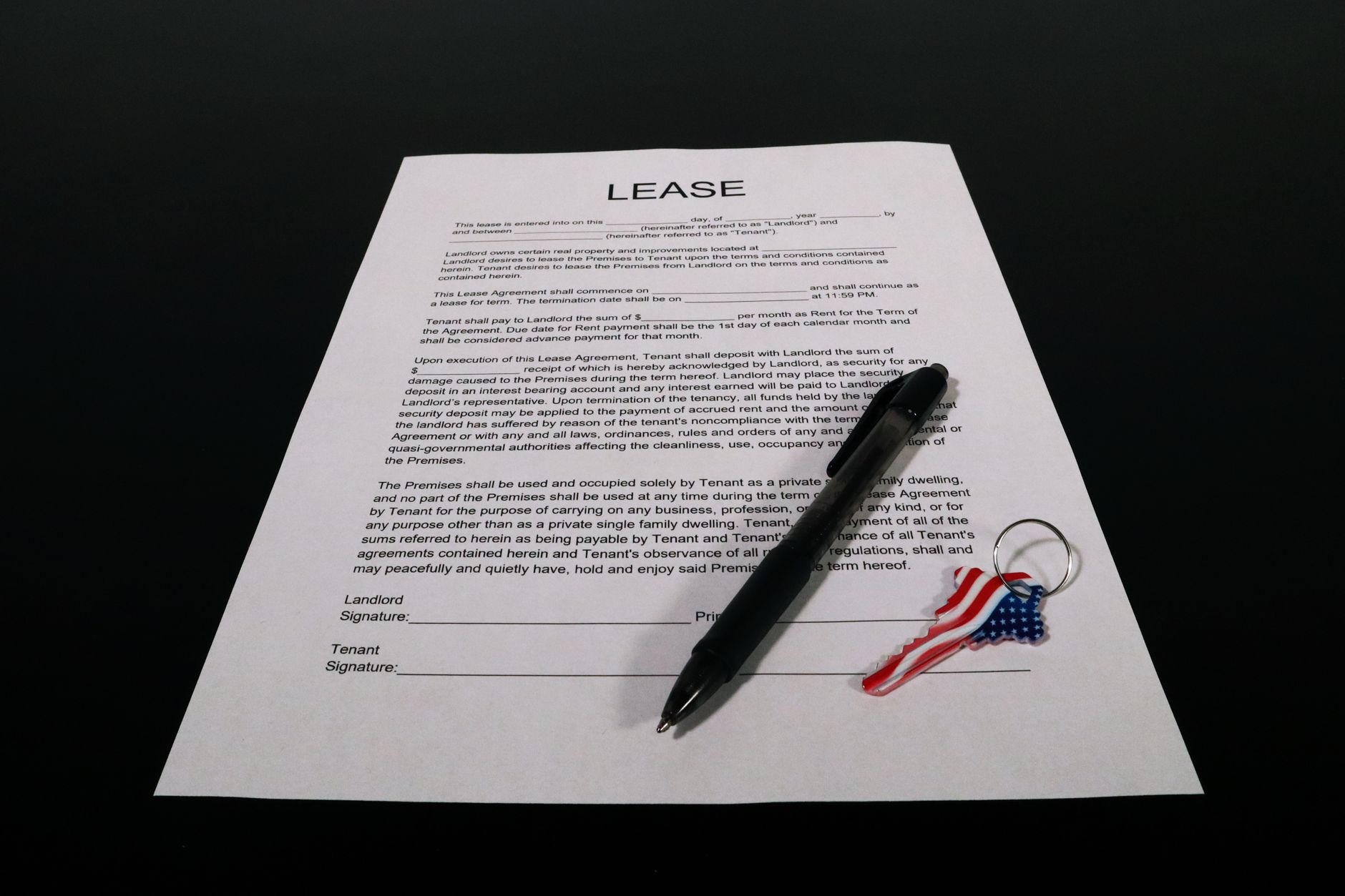
Many new owner-operators are drawn to leasing by the promise of lower upfront costs and easier approval. However, this path is littered with financial landmines. I've seen too many drivers enter into 'lease-to-own' deals that are structured more like a perpetual rental agreement designed to keep them on the hook, not build equity. The core issue lies in the fine print.
There are generally three types of semi truck leases: TRAC (Terminal Rental Adjustment Clause), Fair Market Value (FMV), and 'Walk-Away' or operating leases. TRAC leases are the closest to ownership, allowing you to guarantee the residual value and purchase at the end. FMV leases offer a purchase option at the fair market value, which can be unpredictable. Walk-away leases offer no equity, effectively renting the truck. Understanding the specific terms of your lease agreement is critical, especially regarding compliance with regulations like 49 CFR Part 395 if the lessor imposes operational restrictions.
Here's what most professionals miss: always demand to see the full amortization schedule for a TRAC lease, including the residual value and any balloon payments. For FMV leases, get an independent appraisal before signing, and insist on a cap for wear-and-tear charges. The 'viral angle' is real: I tracked one owner-operator, Mike from Kansas, who paid an extra $18,750 over 5 years on a 'competitive' FMV lease due to mileage overages ($0.20/mile past 125,000 annually) and end-of-lease 'refurbishment' charges. He thought he was getting a deal because his monthly was $200 less than a loan. Don't be Mike.
Commercial Truck Loans: Building Equity and Controlling Your Future
For established owner-operators with a solid credit history (a FICO score above 680 is ideal for the best rates), a commercial truck loan offers the most straightforward path to ownership and wealth building. Unlike leases, loans immediately begin building equity, which is crucial for your long-term financial stability. This isn't just about owning an asset; it's about owning your future.
The key to a successful loan is not just the interest rate, but the loan-to-value (LTV) ratio and the down payment. Lenders typically require 10-25% down for used trucks, and 5-15% for new. A higher down payment—say, 20% on a $120,000 truck ($24,000)—can reduce your monthly payment by $250-350 and significantly lower your total interest over the life of the loan. Don't just settle for the first offer from a dealership's captive finance arm. I always advise drivers to get at least three competitive quotes from credit unions, regional banks, and specialized truck finance companies like Expedite Financial or Summit Truck Group Finance. You'd be surprised how often a 0.5% difference can be found, saving you hundreds.
Consider the tax implications: with a loan, you can often deduct interest payments and leverage Section 179 depreciation, which allows you to deduct the full purchase price of qualifying equipment in the year it's put into service. This can result in significant tax savings, potentially thousands of dollars in the first year alone, making the effective cost of ownership much lower than a comparable lease. This aggressive depreciation is a critical advantage most lessees miss out on.
Paying Cash for a Semi Truck: Maximizing Profit & Operational Freedom
If you have the capital, paying cash for your semi-truck provides unparalleled freedom and maximizes your profit margins from day one. There are no interest payments, no financing fees, and no restrictive covenants from lenders. This means 100% of your earnings from that truck are yours, after operational costs. This is the ultimate goal for any owner-operator, but it requires strategic planning.
However, this isn't a blanket recommendation. The biggest mistake a cash buyer can make is to deplete their operational reserves. You need to maintain a robust working capital fund, ideally 3-6 months of operating expenses (fuel, insurance, maintenance, HOS-compliant rest stops). For an average owner-operator, this means having $20,000 to $40,000 liquid. If buying outright leaves you with less than $15,000 in your operational account, you're setting yourself up for disaster when that inevitable $5,000 turbocharger replacement hits. I've seen profitable owner-operators go under due to a single major breakdown because they were 'cash rich, but liquidity poor'.
When you pay cash, you become your own bank. You eliminate the interest rate risk and the overhead associated with financing. This can translate to an immediate 10-15% increase in net profit margins compared to a financed truck, assuming all other operational costs are equal. This immediate boost is invaluable for reinvesting in your business, covering unexpected expenses, or simply increasing your personal income. It also provides ultimate flexibility for future truck upgrades or trade-ins without dealing with lender liens.
Semi Truck Financing Options: Side-by-Side Comparison
| Feature | Lease | Commercial Loan | Cash Purchase |
|---|---|---|---|
| Upfront Costs | Lowest (often first/last payment, security deposit) | Moderate (10-25% down payment) | Highest (full purchase price) |
| Monthly Payments | Often lower than loan payments initially | Higher than lease, builds equity | None |
| Equity & Ownership | None (operating lease) or limited (TRAC/FMV lease with balloon) | Builds equity immediately, full ownership | Full ownership immediately |
| Maintenance Responsibility | Usually lessee's; wear & tear clauses apply | Owner's (your responsibility) | Owner's (your responsibility) |
| Hidden Fees/Flexibility | High potential for mileage, wear & tear, early termination fees. Less flexibility. | Transparent terms, fewer hidden fees. More flexibility to sell/modify. | Maximum flexibility, no fees. |
| Tax Implications | Lease payments often deductible. Limited depreciation. | Interest deductible, Section 179 depreciation available. | Full Section 179 depreciation, no interest. |
| Long-Term Cost | Often highest TCO due to fees & lack of equity | Moderate TCO, builds asset value | Lowest TCO, maximizes profit |
Key Takeaways
- Prioritize Total Cost of Ownership (TCO) over monthly payments to avoid costly semi truck financing traps.
- Scrutinize lease agreements for mileage penalties, wear-and-tear clauses, and early termination fees—these can add $15,000 to $25,000 over 5 years.
- Aim for a commercial truck loan with a 15-20% down payment to secure better rates and build equity faster.
- Shop for loans from at least three different lenders: credit unions, regional banks, and specialized truck finance companies often beat dealership offers.
- Consider paying cash only if you can maintain a 3-6 month operational emergency fund ($20,000-$40,000) to avoid liquidity crises.
- Leverage Section 179 depreciation with loans or cash purchases for significant first-year tax savings, potentially reducing taxable income by tens of thousands.
- Your FICO score (ideally 680+) is critical for accessing the most favorable loan rates; work to improve it before applying.
- Understand the difference between TRAC, FMV, and walk-away leases—and which ones build equity (TRAC) versus simply rent your truck.
Frequently Asked Questions
What are the primary semi truck financing options available to owner-operators?
The primary semi truck financing options are leasing, securing a commercial loan, or paying cash. Leasing typically involves lower upfront costs but usually doesn't build equity and can have hidden fees. Commercial loans lead to ownership and equity but require a stronger credit profile and down payment. Paying cash offers maximum control and savings but requires significant liquid capital.
How much down payment do I need for a semi truck loan?
For a semi truck loan, expect to pay a down payment ranging from 10% to 25% of the truck's purchase price. Used trucks often require higher down payments (15-25%), while new trucks might be closer to 5-15%. A larger down payment (e.g., 20% on a $120,000 truck, or $24,000) can significantly reduce your interest payments and improve your loan terms over the 5-7 year repayment period.
Are semi truck leases really more expensive than loans in the long run?
Yes, semi truck leases are often more expensive than loans in the long run due to a combination of higher effective interest rates, mileage penalties, end-of-lease wear-and-tear charges, and lack of equity build-up. While monthly payments might seem lower, the total cost of ownership over 5 years can easily exceed a comparable loan by $15,000 to $25,000, particularly with Fair Market Value (FMV) or walk-away leases where you never gain ownership.
What credit score do I need for the best semi truck loan rates?
To qualify for the best semi truck loan rates, you typically need a FICO credit score of 680 or higher. Lenders consider scores above this threshold as low risk, offering more favorable interest rates (often 5-9%) and terms. Scores below 650 may still qualify, but often come with higher interest rates (12-18% or more) and stricter conditions, such as larger down payments.
Can I deduct semi truck depreciation if I lease?
Generally, you cannot deduct depreciation if you are in an operating lease (a true rental agreement) because the leasing company retains ownership of the asset. However, with a TRAC lease, which is often treated as a loan for tax purposes, you may be able to claim depreciation and interest deductions. Always consult with a tax professional to understand the specific implications for your lease type and business structure under IRS Section 162 guidelines.
When is paying cash for a semi truck the smartest option?
Paying cash for a semi truck is the smartest option when you have sufficient liquid capital to cover the full purchase price without depleting your operational emergency fund, ideally maintaining 3-6 months ($20,000-$40,000) of working capital. This eliminates all interest and financing fees, maximizing your net profit per load and providing complete control over the asset.
Ready to Optimize Your Semi Truck Financing?
Understanding your semi truck financing options is the first step; the next is making that truck work for you. Every mile counts, especially when you're managing loan payments or lease costs. Don't let empty return miles or long deadheads eat into your profit. Loadly connects owner-operators directly with shippers, often providing higher-paying loads and minimizing costly downtime. By securing better freight, you can ensure your financing strategy pays off, covering your monthly obligations with ease and building your business faster. Take control of your loads, and by extension, your finances. Explore high-value loads on Loadly today and make every mile count towards your financial freedom.