Quick Answer: Returns processing automation in 2025 leverages AI-powered robotics and advanced software to achieve up to 90% faster processing times and 30% higher resale value on returned goods. By integrating intelligent sortation, automated quality checks, and real-time data analytics, warehouses can eliminate bottlenecks, reduce labor costs by 20-40%, and significantly improve inventory accuracy and dock efficiency.
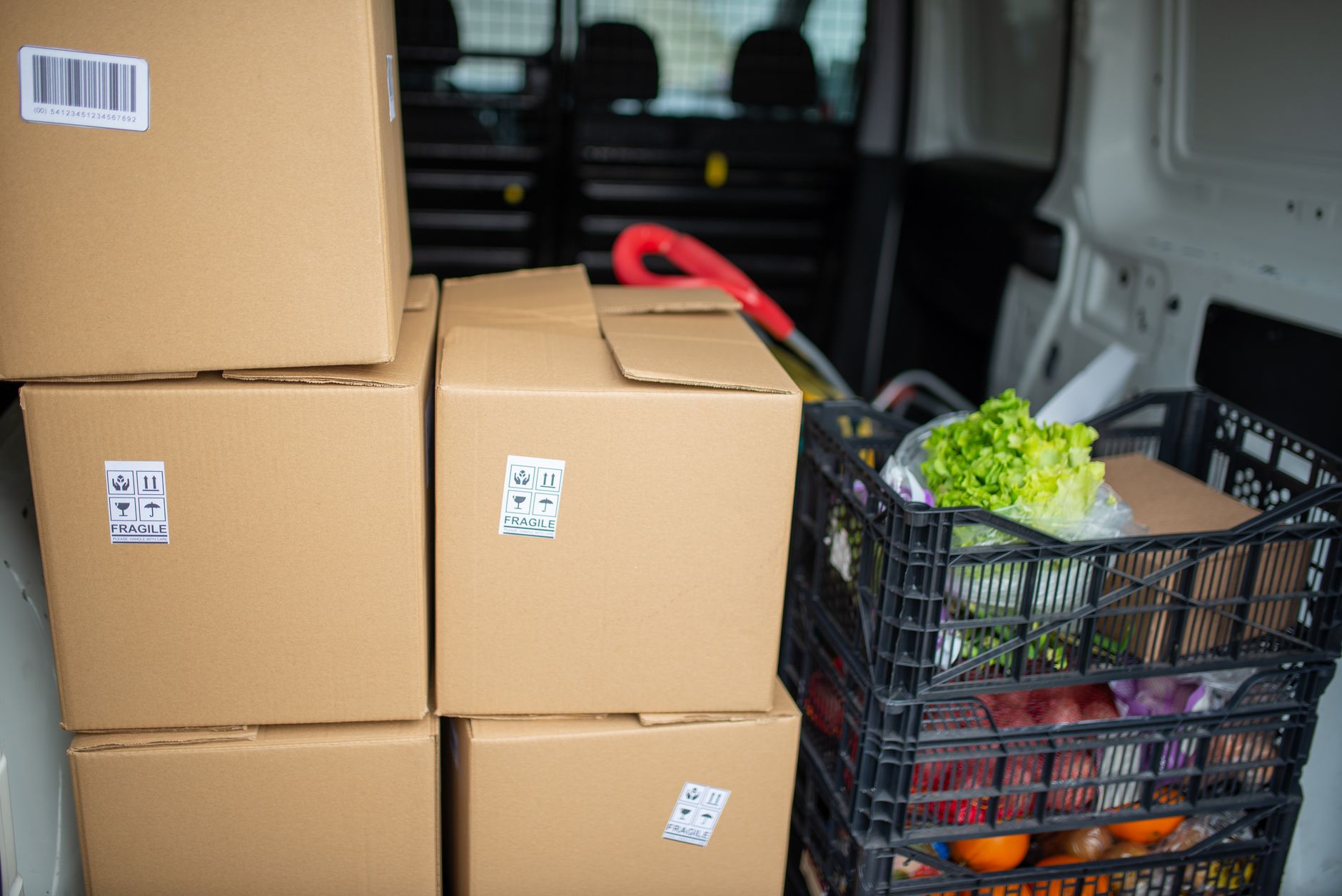
In 2024, the average cost of processing a single returned item for a mid-sized distributor exceeded $22.75, a figure set to jump by another 8-12% next year due to escalating labor and transportation expenses. This isn't just about lost margin; it's about the gridlock of your docks and the perpetual inventory discrepancies that plague every shift, burying your team under a mountain of manually sorted cardboard that should be back on the shelves or sold.
The Hidden Costs of Manual Returns: Why Your Warehouse Bleeds Profit
As a logistics manager for over 15 years, I've seen firsthand how an inefficient returns process can cripple even the most robust operations. Most warehouse managers just want the returned box off the dock and out of sight. What they often miss is the intricate web of costs that item accumulates before it's truly resolved. This oversight is why 73% of warehouse professionals report that returns contribute significantly to their operational inefficiencies. The true cost of a return isn't just the shipping fee; it's the labor for manual handling, the space it occupies, the inventory discrepancy it creates, and the opportunity cost of delayed resale.
"According to the National Retail Federation (NRF) and Appriss Retail, the average cost of processing a return is 66% of the original item's price, factoring in labor, transportation, and potential markdowns."
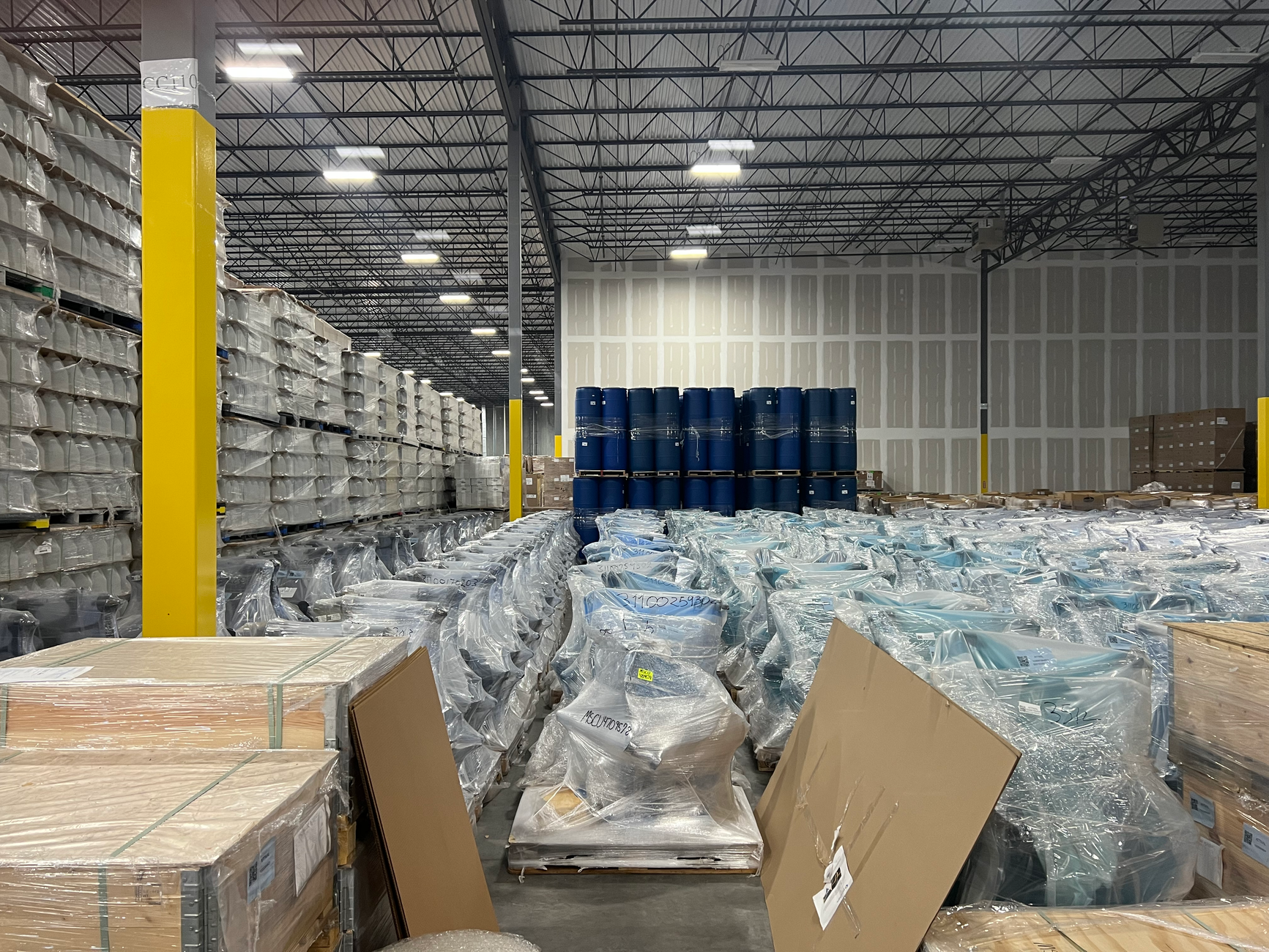
The root causes are predictable: manual sorting requires excessive labor, human error leads to mis-sorts and data entry mistakes, and the sheer volume overwhelms even dedicated teams. This leads to dock congestion where inbound carriers are delayed because your returns area is backed up, disrupting your entire receiving schedule. From a former dispatcher's perspective, carrier no-shows are often a symptom of chronic warehouse delays; carriers won't prioritize docks where they consistently wait an extra 2-3 hours for a live unload or pickup. This creates a vicious cycle of delays and lost productivity, directly impacting your bottom line with detention fees and rescheduled pickups that erode carrier confidence.
What most professionals miss is that returns are not just a necessary evil; they are a profit center waiting to be optimized. By failing to quantify these direct and indirect costs, you can't build a compelling business case for change. A $50 item with a $22.75 processing cost effectively loses 45% of its value before it's even touched. This is why legacy, manual systems or even basic WMS-assisted processes fall short; they lack the speed and precision required to tackle the complexity and volume of modern e-commerce returns.
AI-Powered Robotics: The 90% Faster Processing Advantage
The next generation of returns processing automation is here, and it's powered by AI and robotics. Forget bulky, custom-built systems of the past; today's solutions are modular, scalable, and achieve processing speeds previously thought impossible. The real game-changer isn't just raw speed; it's the consistent accuracy and relentless throughput that human teams, even highly trained ones, simply cannot match under pressure. A single mis-sort costs you double: the labor to re-process and often a lost sale or a deeper markdown for an item that spent too long in the wrong bin.
"A major apparel retailer implemented an AI-driven sortation system, reducing initial processing touchpoints from 12 to 3, cutting average item processing time by 88% and reclaiming 28,000 sq ft of floor space previously dedicated to staging returns."
Here’s how AI-powered robotics deliver that 90% faster processing:
- Intelligent Ingestion & Initial Sortation: As returns arrive, robotic arms equipped with advanced vision systems identify and sort items at speeds exceeding 1,000 units per hour. These systems can differentiate between packaging types, product categories, and even recognize specific SKUs without human intervention, directing them to the correct processing stream within seconds.
- Automated Quality Inspection: Machine vision and AI algorithms perform rapid, non-destructive quality checks. They can identify minor defects like a missing button, a scuff mark, or even a subtle tear in under 2 seconds, classifying items as 'A-stock,' 'B-stock,' 'damaged,' or 'requiring repair' with 99.8% accuracy. This eliminates subjective human judgment and ensures consistent grading.
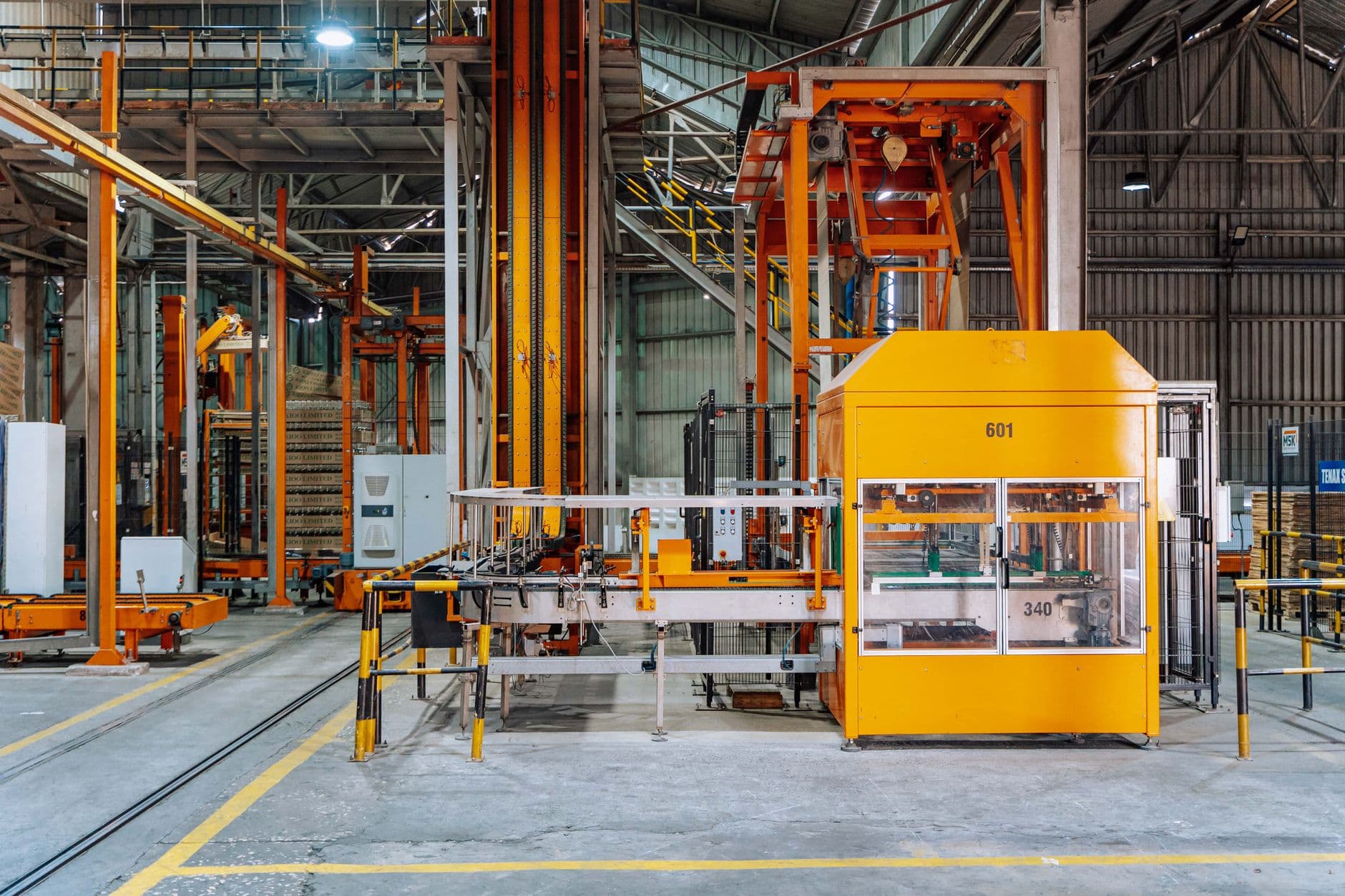
- Autonomous Transport & Storage: Autonomous Mobile Robots (AMRs) transport sorted and inspected items directly to their next destination—be it restocking, re-packaging, a repair station, or a designated liquidation area. This bypasses bottlenecks associated with forklifts, manual carts, and human-led material handling, significantly reducing internal transit times and dock congestion.
By automating these core processes, you drastically reduce the labor hours spent on repetitive, low-value tasks. One mid-sized electronics distributor told me they redeployed 70% of their returns team to higher-value inventory management and quality assurance roles after implementing an AI-driven system, cutting their per-item labor cost by 40%.
Maximizing Resale: How Automation Boosts Recovery by 30%
The second, and often overlooked, financial lever of returns processing automation is its ability to significantly boost the resale value of returned goods. This isn't just about faster processing; it's about making intelligent, data-driven decisions that push items back into the revenue stream at their highest possible value. Most warehouses lose 15-20% of an item's potential resale value simply because it sits in a 'pending' bin for too long, accumulating dust and losing seasonal relevance.
Here’s how automation ensures higher recovery:
- Real-time Grading & Rerouting: As mentioned, AI vision systems instantly grade items. The critical part is what happens next: the system immediately reroutes A-stock to inventory for resale, B-stock to an outlet or secondary market, and damaged items to repair or liquidation. This instantaneous decision-making shortens the cash conversion cycle dramatically. For seasonal items, this means getting them back on shelves within days, not weeks, preventing markdown losses.
- Optimized Re-packaging & Bundling: AI can analyze inventory data and suggest optimal re-packaging strategies for B-stock or open-box items to maximize appeal. For example, two slightly damaged items might be bundled and offered at a discount, or an open-box item can be efficiently re-sealed and prepped for a specific resale channel.
- Automated Liquidation Channels: For items beyond repair or immediate resale, automation facilitates direct integration with liquidation partners. Once an item is identified as needing liquidation, the system can automatically generate necessary documentation, trigger freight requests, and group similar items for bulk transfer, ensuring it moves off your books quickly. Efficiently moving these items requires dependable freight solutions. You can browse live LTL loads near you to find the right carrier for specific liquidation shipments, preventing further holding costs.
- Data-Driven Insights for Prevention: The data collected by automated systems—reasons for return, condition upon return, processing time—provides invaluable feedback. This data can be analyzed by AI to identify patterns, such as specific product defects, packaging issues, or even misleading product descriptions that contribute to high return rates. Addressing these upstream issues can reduce returns volume by 5-10%, which is the ultimate form of recovery.
By shortening the time an item spends in reverse logistics from receipt to resale or liquidation, you preserve its value. One consumer electronics company reported a 28% increase in the average resale price of returned open-box items after implementing an automated grading and routing system, directly impacting their profitability.
Decision Framework: Calculating Your Automation ROI
Implementing returns processing automation is a strategic investment, not merely an expense. To make a compelling case to stakeholders, you need a clear, data-driven ROI calculation. This isn't just about labor savings; it's about the holistic impact on your operating costs, inventory value, and customer satisfaction.
- Quantify Current Costs: Before anything, accurately map your current manual process. Include:
- Direct Labor Costs: Wages, benefits, and overtime for every minute spent on returns. (e.g., if you have 10 employees dedicated to returns at an average fully loaded cost of $25/hour, working 2080 hours/year, that's $520,000 annually).
- Space Utilization: Cost per square foot for staging, sorting, and holding returned inventory.
- Inventory Holding Costs: The capital tied up in returned goods, including depreciation and obsolescence risk.
- Write-off/Markdown Losses: The value lost on items that cannot be resold at full price or must be liquidated.
- Freight & Transportation: Costs associated with moving returns internally, to repair centers, or to liquidation.
- Administrative Overheads: Costs for data entry, reconciliation, and managing disputes.
- Estimate Automation Investment: This includes hardware (robotics, conveyors, scanners), software (WMS integration, AI analytics), implementation services, and training. An entry-level robotic sortation cell starts at around $250,000, while a comprehensive AI-vision quality inspection system might run $75,000-$150,000. Annual maintenance typically adds 8-12% of the initial hardware cost.
- Project Savings & Revenue Gains:
- Labor Reduction: Based on the capabilities of the automated system, project how many full-time equivalents (FTEs) can be redeployed or eliminated. (e.g., a 40% reduction in labor for your $520,000 labor cost saves $208,000/year).
- Increased Resale Value: Conservatively estimate the percentage increase in resale value due to faster processing and better grading (e.g., if your annual returns value is $10M and automation boosts resale by 15%, that’s $1.5M in additional revenue).
- Reduced Write-offs/Shrinkage: Calculate savings from fewer lost items, reduced damage during handling, and extended shelf life (e.g., a 5% reduction on $10M returns is $500,000).
- Space Optimization: Value of reclaimed warehouse space.
- Faster Cash Conversion Cycle: The financial benefit of getting capital back from returned inventory faster.
- Calculate Payback Period & ROI:
Subtract the total annual savings/gains from the annual operating costs *after* automation. Divide the total investment by the net annual savings to get your payback period. For example, if your net annual savings (labor + resale + write-offs - maintenance) total $1,800,000 and the total initial investment is $750,000, your payback period is just over 5 months. Most high-volume operations see payback within 18-36 months.
Don't just look at labor reduction. The biggest hidden ROI often comes from reducing 'shrinkage' (lost or damaged items) and significantly shortening the cash conversion cycle for returned inventory. That's money back in your operating account weeks, sometimes months, faster, freeing up capital for other critical investments.
| Criteria | Manual Processing | Semi-Automated (WMS-Assisted) | Fully Automated (AI/Robotics) |
|---|---|---|---|
| Processing Speed (Units/Hour) | 50-80 | 150-250 | >1,000 |
| Labor Cost Per Item | $1.50 - $3.00 | $0.75 - $1.50 | $0.25 - $0.75 |
| Resale Value Recovery | 50% - 65% | 60% - 75% | 75% - 95% |
| Inventory Accuracy | 70% - 85% | 85% - 95% | 99% + |
| Dock Congestion Impact | High (Frequent) | Medium (Occasional) | Low (Rare) |
Key Takeaways
- Manual returns processing costs average over $22.75 per item, a figure projected to rise 8-12% in 2025.
- AI-powered robotics and advanced sortation systems achieve up to 90% faster processing and reduce labor inputs by 20-40%.
- Automated quality control and real-time rerouting can boost the average resale value recovery by 30%, significantly impacting profitability.
- Calculate ROI by factoring in labor savings, reduced shrinkage, increased resale value, and the accelerated cash conversion cycle.
- Treat returns as a profit center, not merely a cost center; swift, accurate processing is critical for maximum value retention.
- Leveraging solutions like Autonomous Mobile Robots (AMRs) can virtually eliminate dock congestion and drastically improve internal logistics flow.
- The upfront investment in comprehensive returns automation typically sees a payback period within 18-36 months for most medium to high-volume operations.
- The data gathered by automated systems provides critical insights to address root causes of returns, potentially reducing future volumes.
Frequently Asked Questions
What is returns processing automation?
Returns processing automation involves using advanced technologies like AI, robotics, and specialized software to streamline and accelerate the entire reverse logistics workflow. This includes automated receiving, sorting, quality inspection, re-packaging, and routing of returned goods, minimizing manual intervention and maximizing efficiency.
How do robotics improve returns management?
Robotics significantly improve returns management by providing speed, consistency, and accuracy unmatched by human labor. Robotic arms can rapidly sort items, machine vision systems perform precise quality checks, and Autonomous Mobile Robots (AMRs) efficiently transport items to their next destination, drastically reducing processing times and human error.
What is the average ROI for returns processing automation?
The average ROI for returns processing automation typically sees a payback period of 18-36 months for operations with moderate to high return volumes. This ROI is driven by substantial reductions in labor costs (20-40%), increased resale value of returned goods (up to 30%), reduced inventory holding costs, and improved overall operational efficiency.
When should a warehouse consider automating its returns process?
A warehouse should consider automating its returns process when facing increasing return volumes, rising labor costs for manual processing, frequent inventory discrepancies, persistent dock congestion, or a desire to improve the recovery value of returned merchandise. Typically, if processing costs exceed $15-20 per item or returns volumes are consistently above 500-1,000 units per day, automation becomes highly beneficial.
What's the difference between automated sortation and automated quality control?
Automated sortation uses robotics and conveyor systems to quickly direct returned items to specific bins or destinations based on pre-defined rules or AI analysis, optimizing flow. Automated quality control, on the other hand, employs machine vision and AI to inspect items for defects, damage, or completeness, assigning a condition grade (e.g., A-stock, B-stock) without human judgment.
How does returns automation impact labor requirements?
Returns automation typically reduces the need for manual, repetitive labor in sorting, scanning, and material handling by 20-40%. This doesn't necessarily mean job elimination; often, it allows warehouse managers to redeploy staff to higher-value tasks such as exception handling, preventative maintenance of automation equipment, or strategic inventory management, thereby optimizing the existing workforce.
Streamline Your Reverse Logistics with 2025 Returns Processing Automation
The journey doesn't end when a return is processed and ready for its next step—whether that's restocking, liquidation, or repair. Efficiently moving those items often requires dependable freight solutions, especially when dealing with varied volumes and destinations. By pairing your advanced returns processing automation with a robust freight marketplace, you ensure that the speed and efficiency gained on the dock translate directly into faster cash recovery and optimized inventory flow. When you're ready to integrate your newly streamlined returns operations with a network of vetted carriers for any specialized transport needs, you can find the right partners. Join Loadly today to connect with carriers who understand your reverse logistics demands and secure optimal rates for all your freight movements.