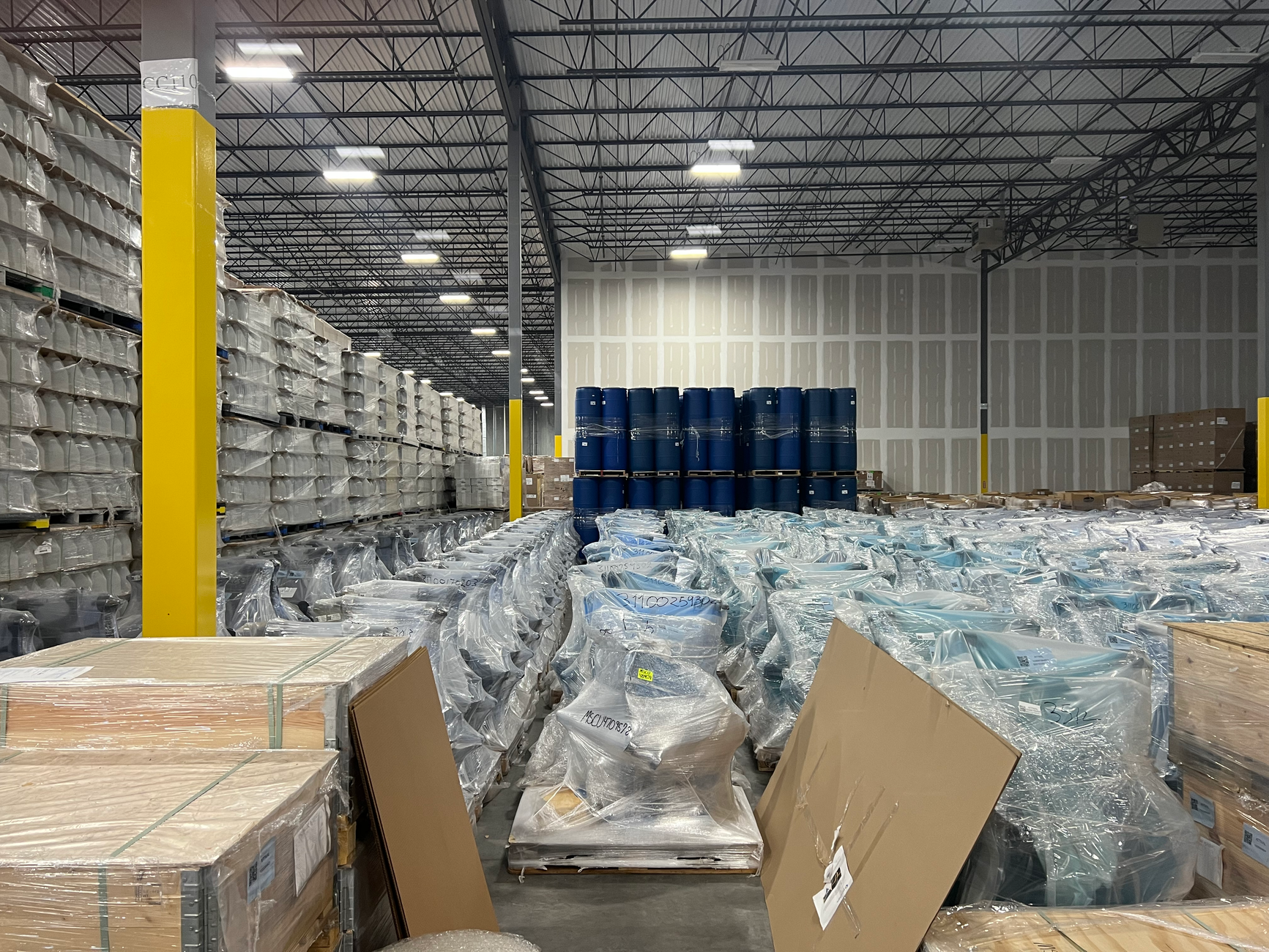
Quick Answer: To master excess inventory liquidation and turn returns into revenue, e-commerce and retail businesses must implement a dynamic, tiered sales channel strategy, optimize reverse logistics using real-time data analytics, and forge strategic partnerships for resale, recycling, or repurposing goods. This comprehensive approach significantly reduces holding costs, mitigates substantial losses from customer returns, and effectively generates new revenue streams from depreciating assets.
Last year, e-commerce returns cost U.S. businesses an staggering $816 billion, a 24% jump from the previous year, with 20% of returned items becoming permanent dead stock. If you're an e-commerce or retail business owner, you're not just seeing those numbers; you're living them. High fulfillment costs are squeezing your margins, delivery delays are causing a surge in refunds, and the holiday season's return tsunami leaves you with mountains of inventory that are quickly losing value. This isn’t just a cost; it’s a gaping hole in your balance sheet. This playbook is your definitive guide to plugging that hole and transforming your most frustrating cost center into a profit engine for 2025.
The $816 Billion Elephant: Why Excess Inventory is Crushing E-commerce Margins
As a veteran of 15+ years in freight, I’ve seen firsthand how poorly managed inventory, especially returns, bleeds businesses dry. The root causes are often predictable: aggressive over-forecasting driven by sales targets, rapid product lifecycles making last season's stock obsolete overnight, inconsistent demand patterns, and a widespread 'free returns' culture that encourages frivolous purchases. What most professionals miss is that the true cost extends far beyond the original item value. You’re not just losing the sale; you're paying to store it, insure it, track it, and eventually, dispose of it. We saw clients lose an additional 15-20% of item value on the return journey alone due to mishandling, delayed processing, and lack of clarity on disposition.
"According to the National Retail Federation (NRF) and Appriss Retail, U.S. retailers processed $816 billion in merchandise returns in 2022, representing 16.5% of total sales – 24% higher than 2021."
The conventional approach treats returns as a necessary evil and a pure cost center. This mindset leads to a lack of integrated systems, manual processes that introduce errors, and a reactive liquidation strategy that prioritizes speed over value recovery. While many companies focus on getting products out the door, the real profit drain happens when those products come back, depreciating in value every day they sit in your warehouse. Without a proactive, data-driven approach, this cycle only perpetuates, turning potential profit into guaranteed losses.
Decoding the True Cost of Returns: Beyond the Sticker Price
Understanding the true cost of excess inventory and returns requires dissecting every touchpoint. It's rarely just the refund; it’s a complex web of expenses that often goes unquantified. Let's break it down:
- Reverse Shipping Costs: The carrier fees to get the item back from the customer to your warehouse or a regional hub.
- Inspection and Restocking: Labor costs to open, assess condition, clean, re-package, and relabel items. This averages $3 to $10 per item, depending on complexity.
- Administrative Overhead: Processing refunds, updating inventory systems, customer service inquiries related to returns.
- Holding Costs: Warehousing space, insurance, and the opportunity cost of capital tied up in depreciating assets. We've seen average return processing times jump from 3-5 days to 10-14 days during peak season, adding $0.75 per item per day in holding costs alone.
- Depreciation and Markdown: The longer an item sits, the less it's worth. Seasonal items lose up to 50% of their value post-season.
- Disposal Fees: For items that cannot be resold, there are costs associated with landfill, recycling, or specialized disposal.
For a $100 item, the total cost of return can easily hit $25-35, even before accounting for the potential markdown in resale value. This means a significant portion of your returned inventory actually costs you more to process than it can ever recoup. The solution isn't to stop accepting returns (that’s a non-starter in e-commerce); it’s to make your returns process incredibly efficient and value-driven.
Blueprint 1: Implement a Tiered Liquidation Channel Strategy
The biggest mistake in excess inventory liquidation is treating all returns and overstock uniformly. Not all inventory is created equal, and your liquidation strategy shouldn’t be either. A tiered approach ensures you maximize value recovery based on the condition and marketability of each item.
- Grade Your Inventory Rigorously: Implement a clear grading system immediately upon return or identification of excess stock.
- A-Grade (New/Like-New): Unopened, original packaging, no defects. These are often customer returns due to wrong size/color.
- B-Grade (Open Box/Lightly Used): Opened packaging, minor cosmetic defects, missing non-essential accessories, or refurbished items.
- C-Grade (Damaged/Salvage): Significant defects, missing key components, or beyond economical repair.
- Allocate to Optimized Sales Channels: Each grade demands a specific channel to maximize recovery.
- A-Grade Channels: Secondary e-commerce sites (e.g., specific marketplaces, Amazon Warehouse deals), flash sales with bundled offers, or even dedicated 'open-box' sections on your primary website. Aim for 70-85% of original retail price. For instance, a fashion retailer recovered 78% of value on A-grade returns by diverting them to a specific "pre-loved" section of their website, compared to 35% via bulk auction.
- B-Grade Channels: Discount retailers, outlet stores, employee sales, or business-to-business (B2B) partners specializing in refurbished goods. Target 40-60% of original retail.
- C-Grade Channels: Bulk liquidation auctions (as a last resort), recycling programs, or donations for tax write-offs. Focus here is on cost recovery and minimizing disposal fees rather than profit.
The biggest mistake? Dumping A-grade stock with C-grade. You cannibalize your margins and signal desperation. A dedicated secondary channel for 'like-new' items can often yield 2.5x more revenue than a general liquidation auction, while protecting your primary brand image.
Blueprint 2: Optimize Reverse Logistics with Precision Data & Freight Marketplaces
Your returns process isn't just about getting items back; it's about speed-to-shelf, cost efficiency, and data intelligence. Every day an item sits in limbo after return, its value depreciates, and your holding costs climb. A truly optimized reverse logistics strategy focuses on swift, data-driven disposition and smart freight choices.
- Automated Dispositioning at Point of Origin: Leverage AI and machine learning to categorize returns as close to the customer as possible. Instead of sending everything back to a central DC for manual inspection, direct items based on preliminary assessments (e.g., unopened, wrong item, damaged in transit). This can reduce manual inspection time by up to 40% and fast-track valuable inventory back into a sales channel.
- Consolidated Return Shipments through Regional Hubs: The conventional wisdom of shipping every individual return back to one central distribution center is a logistical and financial black hole. Instead, establish regional returns hubs. These hubs serve as collection points where 10-20 smaller shipments can be consolidated into a single, cost-effective less-than-truckload (LTL) load. This is a game-changer. Rather than paying premium parcel rates for dozens of individual packages, you leverage the economies of scale that LTL shipping offers.
- Dynamic Carrier Selection with Digital Freight Marketplaces: Never stick to a single carrier for your LTL shipments. The freight market is dynamic, and rates fluctuate based on lane, capacity, and demand. Use digital freight marketplaces to compare real-time LTL rates and transit times for your consolidated return shipments. We've seen businesses reduce reverse logistics shipping costs by 18-22% by leveraging competitive bids for live LTL loads, especially for those regional hub-to-liquidation center routes. This avoids premium fees for expedited single-item returns and ensures you're always getting the best value for your freight spend.
Carriers hate picking up single packages from residential addresses for reverse logistics. Consolidate them. Building full or even half-pallet LTL loads from regional returns centers transforms a high-cost individual return into a manageable, profitable freight movement. Most companies miss the LTL play in reverse logistics because they're too focused on the individual package tracking, instead of the cost-per-pound efficiency of consolidated freight.
Blueprint 3: Strategic Partnerships for Product Value Recovery
You simply cannot, and should not, attempt to handle every aspect of excess inventory liquidation internally. The most successful e-commerce and retail businesses recognize when to leverage specialized external partners to maximize value recovery, minimize overhead, and ensure compliance.
- Refurbishment Specialists: For electronics, appliances, or complex machinery, a specialized refurbishment partner can be invaluable. These experts can restore items to 'like-new' or 'certified refurbished' condition, allowing you to resell them at a significantly higher price point than basic liquidation. While refurbishing an item might cost 15-20% of its original value, it often enables resale at 60-70%, a far superior outcome to a 10-20% bulk salvage.
- Donation and Recycling Networks: For items truly unsellable or at the end of their lifecycle, strategic partnerships with charities or certified recyclers offer dual benefits. Donating to 501(c)(3) organizations provides tax deductions (IRC Section 170) which can often yield a higher net financial benefit than a low-ball bulk sale, particularly for items with high original cost but limited resale value. For example, one apparel brand reduced landfill waste by 95% and generated an additional $1.2 million in tax deductions annually through a robust donation partnership program. Recycling partners ensure environmentally compliant disposal and, in some cases, material recovery that offsets disposal costs.
- Dedicated B2B Bulk Buyers: Cultivate strong relationships with specific liquidators or secondary market dealers who specialize in your product category. Rather than ad-hoc, panic-driven sales, negotiate long-term contracts for specific types and volumes of inventory. This provides predictable cash flow, reduces the administrative burden of finding buyers, and minimizes the risk of 'fire sales' that deeply discount your products and potentially impact brand perception. These partners understand the secondary market and can move large volumes efficiently.
Many companies treat donations as a simple write-off. But a well-managed program with certified non-profits, guided by understanding tax codes like IRC Section 170 for inventory donations, can often yield a higher net financial benefit (due to tax savings) than a low-ball bulk sale, especially for items with high original cost but limited resale value. It's a critical, often underutilized, component of a comprehensive liquidation strategy.
Key Takeaways
- Excess inventory and customer returns represent an $816 billion problem, but also a significant, often overlooked, revenue opportunity for e-commerce and retail.
- Implement a robust tiered liquidation strategy, precisely grading inventory (A, B, C) to direct items to the most profitable resale channels.
- Leverage AI and automation for immediate return dispositioning, reducing manual processing time by up to 40% and accelerating value recovery.
- Consolidate regional returns into cost-effective LTL (Less-than-Truckload) shipments, cutting reverse logistics freight costs by 18-22% compared to individual parcel shipments.
- Utilize digital freight marketplaces to compare real-time LTL rates and dynamically select carriers, ensuring optimal pricing and transit times for your return freight.
- Form strategic partnerships with refurbishment specialists, donation networks, and dedicated B2B bulk buyers to maximize recovery value and minimize disposal costs.
- Beyond sales data, meticulously track reverse logistics metrics such as processing time, recovery rates per channel, and total cost of ownership for returned goods.
- Shift your mindset: view returns not as a pure loss, but as an integral, optimizable part of your product lifecycle and a significant potential profit center for 2025.
Frequently Asked Questions
What is excess inventory liquidation?
Quick Answer: Excess inventory liquidation is the systematic process of selling unsold, overstocked, or returned merchandise at reduced prices to recover costs and free up valuable warehouse space. It's a critical strategy for retailers and e-commerce businesses to mitigate financial losses from depreciating assets, employing various channels like discount retailers, secondary online marketplaces, or bulk sales to liquidators.
How can I reduce return rates in e-commerce?
Quick Answer: To significantly reduce e-commerce return rates, focus on improving product descriptions with detailed specifications, utilizing high-quality images and 3D models, and providing accurate sizing guides or virtual try-on tools. Implementing clear, concise return policies and proactive customer support also sets accurate expectations. Many successful retailers have observed a 5-8% reduction in returns by integrating highly interactive product visualization tools and detailed sizing charts.
What are the best channels for liquidating returned goods?
Quick Answer: The best channels for liquidating returned goods are dictated by their condition. For 'like-new' items, prioritize secondary marketplaces (e.g., eBay, Amazon Warehouse), flash sale sites, or a dedicated 'open-box' section on your own website. For damaged or heavily used items, bulk liquidators, consignment stores, or donation partners are more suitable. Always grade your inventory precisely before channel selection to maximize the recovery value.
How much does poor inventory management cost businesses?
Quick Answer: Poor inventory management costs businesses billions annually through elevated holding costs, product obsolescence, lost sales due to stockouts, and inefficient operational expenditures. Retailers can lose 10-20% of their revenue due to suboptimal inventory levels. Specifically, carrying excess inventory can add 15-25% to the cost of goods due to expenses like warehousing, insurance, and inevitable depreciation, directly impacting profit margins and cash flow.
When should I use LTL freight for excess inventory?
Quick Answer: You should primarily use LTL (Less-than-Truckload) freight for excess inventory when your shipment is too large for standard parcel services but doesn't require a full truckload – typically when it falls between 150 lbs and 15,000 lbs, or occupies 1 to 10 pallets. LTL is the ideal, cost-efficient solution for consolidating customer returns from regional hubs to a central liquidation center or for shipping smaller, frequent batches of overstock to discount retailers, offering significant savings over FTL for these volumes.
Turn Excess Inventory into Profit with Loadly
We've outlined how a strategic approach to excess inventory and returns can transform a financial drain into a powerful revenue stream. But execution hinges on incredibly efficient logistics—especially when moving consolidated returns from regional centers to liquidation hubs. This is where Loadly steps in to provide the crucial operational leverage you need.
Our platform connects you with a vast, vetted network of LTL carriers, offering real-time competitive bids for your consolidated shipments. This eliminates the guesswork in freight pricing and ensures your reclaimed inventory moves quickly and cost-effectively, reducing holding times and maximizing your recovery potential. Stop losing money on every return and start optimizing your reverse logistics for maximum profit. Create your free Loadly account today and discover smarter, more profitable ways to move your excess inventory.