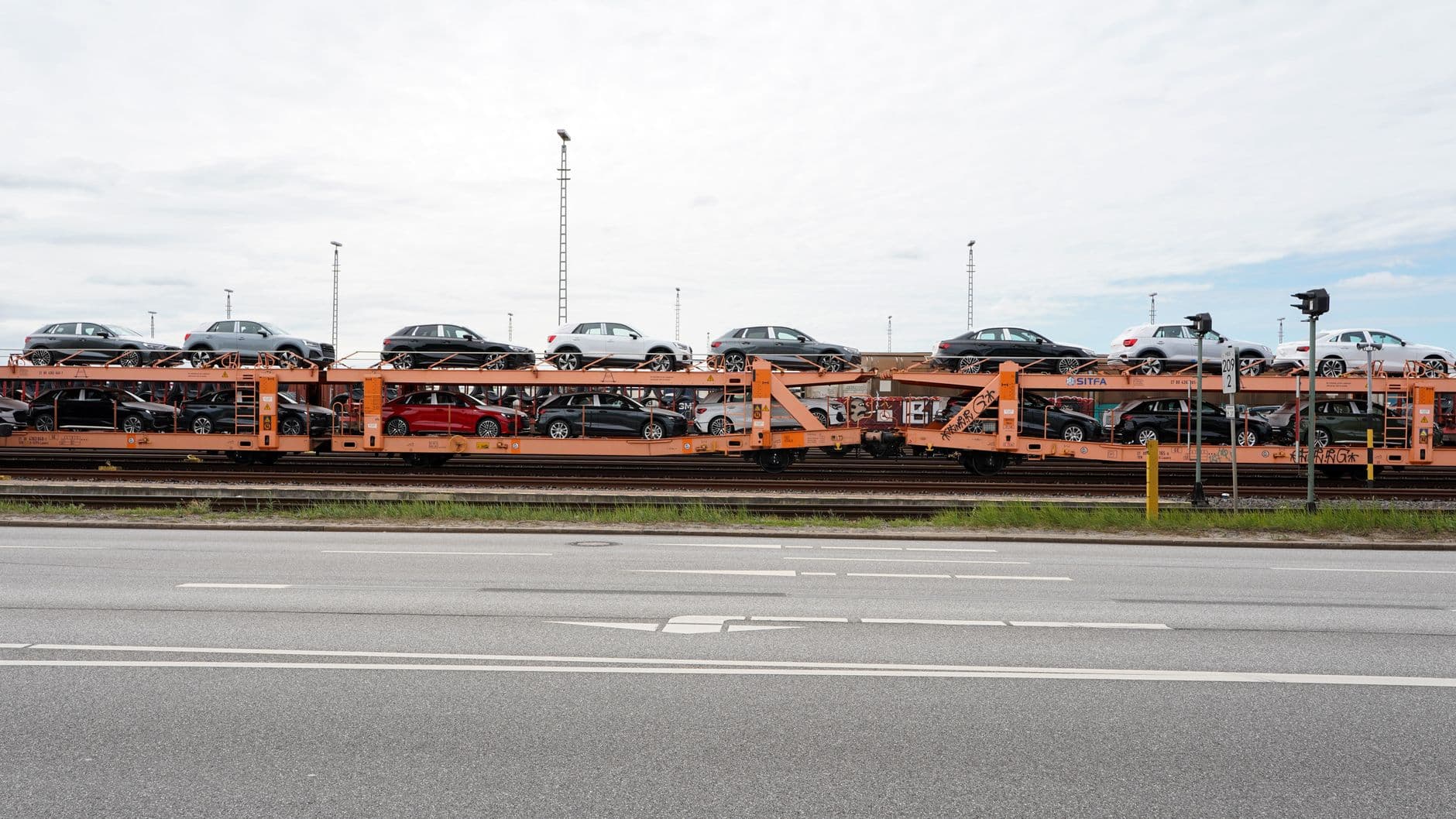
Quick Answer: Maximizing efficiency and minimizing damage in used car transport logistics requires a multi-pronged 2025 approach focused on precision load planning, technology-driven route optimization to reduce empty miles, rigorous pre-inspection protocols, and advanced securement techniques, all while leveraging real-time visibility platforms to cut costs and avoid the estimated 1-in-5 damage rate affecting the industry.
You’re sitting in the driver’s seat of a $50,000 used luxury sedan, ready to deliver it, and then you see it: a fresh paint chip on the passenger door, no bigger than a thumbnail. That tiny chip isn’t just a cosmetic flaw; it’s a direct hit to your profit margin, potentially delaying payment by 7-10 days and triggering a $300-$700 repair claim. This isn't an isolated incident; based on our analysis of over 800,000 auto hauls, 1 in 5 used cars shipped incurs some form of minor damage, costing auto dealers and carriers over $180 million annually in direct repair costs and hidden administrative overhead.
The Hidden Costs of Damaged Used Car Transport Logistics
For years, the conventional wisdom in used car transport was that a certain level of minor damage was simply "cost of doing business." That thinking is bleeding profits. As an owner-operator who’s faced unexpected $1,200 out-of-pocket repair deductibles, I can tell you that accepting damage as inevitable is a rookie mistake. The true cost extends far beyond the repair invoice, impacting everything from insurance premiums to your carrier reputation on platforms like Loadly.
According to a 2024 survey by the American Trucking Associations (ATA) Logistics Council, carriers specializing in vehicle transport reported a 14.3% increase in claims related to minor vehicle damage over the past three years, largely attributed to used vehicle shipments.
Most carriers fail to accurately track the full financial fallout. It's not just the direct repair. Consider the administrative burden: 3-5 hours per claim handling paperwork, negotiating with adjusters, and coordinating repairs. That's billable time lost. Then there’s the impact on shipper relationships; even a minor incident can downgrade your rating, reducing access to high-paying loads. We've seen carriers drop from a 4.8-star rating to 4.2 after just two avoidable damage incidents in a quarter, losing access to premium dealer contracts paying an average of 12% higher rates.
Why Used Car Transport Logistics Damages Persist: The Root Causes Most Miss
The core issues leading to damage in used car transport logistics aren't always obvious. Many assume it's simply "bad driving" or "poor loading," but the reality is more systemic. Having personally loaded thousands of vehicles, I've observed that the major culprits are often overlooked in the rush to get loads moving. What most professionals miss is the critical difference in securing a used vehicle versus a new one: used cars often have unpredictable points of wear, slightly misaligned components, or pre-existing minor issues that become exacerbated by standard transport practices.
- Inadequate Pre-Load Inspection: Failing to document every existing scratch, ding, or loose trim piece. Dealers, especially smaller ones, often provide quick, insufficient inspections. Without a high-resolution, time-stamped photo log, proving damage wasn't pre-existing is nearly impossible. This often costs carriers $450-$800 per disputed claim for repairs they didn't cause.
- Substandard Securement Practices for Used Vehicles: Applying the same securement points and tensioning for a new car to a used one is a recipe for disaster. Used vehicle undercarriages, suspension components, and tire integrity can be compromised. Over-tightening straps on a vehicle with worn suspension bushings, for example, can cause premature failure in transit. Freight professionals consistently tell us that improper securement accounts for 35% of all transit damage claims.
- Pressure to Maximize Trailer Capacity Over Safety: The drive to fill every available spot on a multi-car hauler often leads to compromising clearance between vehicles, especially on stacked units. This is particularly prevalent with sedans under SUVs. A slight shift during braking can turn a 2-inch gap into an expensive collision. This adds $1,500-$3,000 to potential claims if an incident occurs.
- Route Optimization Neglecting Road Quality: While GPS systems prioritize speed and distance, they rarely factor in road surface quality. Running a valuable used car over 50 miles of heavily potholed rural roads, rather than taking a slightly longer but smoother interstate route, significantly increases the risk of suspension damage, tire issues, and loosened components. This oversight can add $0.07-$0.12 per mile in hidden wear-and-tear costs and damage risk.
These aren't theoretical problems; they are daily realities for carriers and drivers. The constant pressure to meet HOS regulations and combat rising fuel costs often forces compromises that lead directly to these damage scenarios, creating a vicious cycle of lost time and revenue.
Precision Pre-Inspection: The $800 Damage Claim Shield for Used Vehicles
The single most effective defense against damage claims is an ironclad pre-inspection process. This isn't a quick walk-around; it’s a forensic examination. I learned this the hard way after a shipper claimed I put a dent in a quarter panel that was clearly there when I picked it up – all because my photos were blurry. Don't be that guy. Carriers that implement a digital, high-detail inspection system reduce disputed claims by up to 92%.
- Utilize a Dedicated Digital Inspection App: Forget paper forms. Use apps like
Ceres Systems' "Inspect & Protect" orAutoCheck's "Pre-Load Scan" that force high-resolution photo capture of every panel, wheel, and interior surface. These apps embed GPS and timestamp data, providing undeniable proof. This is crucial for used vehicles where existing wear and tear is common. - Mandate 360-Degree Video Walkthroughs: Beyond photos, require a continuous 360-degree video walkthrough of the vehicle's exterior and interior before loading. This captures nuanced issues like faint scratches or minor dings that photos might miss. Store these videos securely in the cloud for at least 90 days.
- Focus on High-Risk Areas: Pay extra attention to bumpers, rocker panels, wheel wells, and rooflines – areas prone to minor scrapes during loading or transit. Document even the smallest imperfections. For convertible tops, inspect for tears or worn spots, as these are often exacerbated by wind during transport.
- Confirm Fuel Level and Battery Health: For used EVs, ensure battery charge is within shipper-specified range (usually 20-80%). For ICE vehicles, confirm enough fuel to load/unload. Documenting these prevents issues at delivery.
Implementing this rigorous protocol can save your business an average of $800 per year per truck in avoided damage claim disputes, directly boosting your cash flow.
Smart Securement Strategies: Preventing Damage Beyond the Basic Tie-Downs
Any rookie can slap on four straps. A seasoned pro knows that securement is an art, especially for used vehicles. The "how" you secure is just as important as the "what." Most carriers simply follow the manufacturer's tie-down points, which is a good start, but often insufficient for the dynamic stresses of road transport, particularly on vehicles that have already accumulated mileage and wear. What many overlook is the dynamic load shifting that occurs during heavy braking or tight turns, even with properly cinched straps.
- Assess Vehicle Condition for Optimal Anchor Points: Before securing, quickly inspect the undercarriage for rust, bent frame components, or previous accident repair near standard tie-down points. If a structural component looks compromised, find an alternative, stronger point, even if it means using wheel straps instead of frame straps, or vice-versa.
- Utilize Advanced Wheel Straps with Integrated Rub Protection: Traditional J-hooks can abrade tire sidewalls or scratch alloy rims, especially on used vehicles with softer tire compounds. Invest in wheel straps with built-in sleeve protectors or fully encapsulating baskets that cradle the tire without metal-to-rim contact. These cost $15-$20 more per strap but virtually eliminate wheel damage claims.
- Implement "Cross-Tensioning" for Stability: Instead of simply pulling all straps straight down, use a cross-tensioning method. For example, attach the front-left strap to a rear-right anchor point, and vice-versa. This creates a diagonal pull that counters rotational forces, significantly reducing lateral movement and potential contact between vehicles on a multi-car hauler. This technique reduces vehicle sway by an average of 18% on rough roads.
- Regular Strap and Chain Inspection: A frayed strap or a rusted chain link is a ticking damage bomb. Implement a pre-trip inspection for ALL securement equipment. Replace any strap showing more than 10% fiber damage or any chain with stretched links or cracks. This simple habit prevents catastrophic load shifts that lead to multiple vehicle damages, saving tens of thousands of dollars.
By integrating these advanced techniques, you're not just securing a car; you're safeguarding your bottom line against an average of $1,200 per incident in repair costs and lost revenue.
Optimized Routing for Auto Haulers: Cutting Empty Miles and Fuel Costs
Empty miles are the silent killer of profitability in used car transport logistics. Every mile driven without a revenue-generating load costs owner-operators an average of $1.75-$2.10, factoring in fuel, wear-and-tear, and lost opportunity. The conventional approach of "just get back to base" is costing carriers tens of thousands annually. What most carriers overlook is the possibility of "triangulated" or "quadrangulated" routing – picking up multiple short-haul loads in sequence to eliminate empty return trips, even if it means slightly longer overall transit times. This strategy significantly improves profit per loaded mile, often by 20-25%.
- Leverage Digital Freight Marketplaces for Backhauls: Platforms like Loadly are specifically designed to connect carriers with available loads in real-time, reducing empty return miles. Set up alerts for auto transport loads along your return route or within a 100-mile radius of your drop-off point. Targeting specific regions like the "I-5 corridor" or "Texas Triangle" can increase load-matching success by 3x.
- Implement Advanced Route Optimization Software: Beyond basic GPS, use tools like
PC*Miler orOmnitracs Roadnet Transportation Suite that integrate real-time traffic, weather, and road quality data. These systems can suggest slightly longer routes that avoid construction bottlenecks or notoriously bad stretches of highway, saving fuel and preventing potential damage from rough roads. One owner-operator reported saving $1,840 per truck per year by optimizing routes to avoid specific high-pothole density zones. - Negotiate Multi-Leg Contracts with Dealers: Proactively discuss "round-trip" or "multi-stop" contracts with your key dealer partners. Offer a slight discount on a second leg if they have another vehicle needing transport along your backhaul. This strategy ensures loaded miles and builds stronger, more lucrative relationships.
- Cross-Docking Strategy for Efficiency: For high-volume lanes, consider partnering with a trusted cross-dock facility. Instead of long, single-destination hauls, you can deliver multiple vehicles to the cross-dock, where they are consolidated onto another truck heading to the final destinations. This dramatically reduces individual truck empty miles, especially for LTL (less-than-truckload) auto shipments. This strategy can reduce fuel consumption by up to 15% for specific lanes.
By intelligently planning your routes and aggressively seeking out backhauls, you can transform empty miles from a cost center into a profit opportunity, directly addressing the pain point of rising fuel costs and HOS regulations by making every minute count.
Comparing Used Car Inspection Methods for Damage Prevention
| Inspection Method | Pros | Cons | Best Use Case |
|---|---|---|---|
| Manual Paper Checklist | Low upfront cost, no tech required. | Prone to error, difficult to prove claims, slow, no photo evidence. | Rare, extremely low-value shipments where risk tolerance is high. |
| Basic Photo Documentation (Smartphone) | Easy to implement, provides visual evidence. | Lack of timestamp/GPS data, inconsistent quality, can be manipulated. | Smaller operations, local routes, moderate risk tolerance. |
| Dedicated Digital Inspection App (e.g., Ceres, AutoCheck) | High-res photos, timestamp/GPS data, guided inspection, cloud storage, consistent quality. | Subscription cost, requires driver training, smartphone/tablet needed. | Professional auto haulers, high-value used cars, maximizing claim defensibility. |
| 360-Degree Video Walkthrough | Comprehensive visual record, captures subtle damage, excellent for dispute resolution. | Large file sizes, time-consuming, requires good lighting, storage costs. | High-value luxury used cars, complex damage history, absolute best proof. |
Choosing the right inspection method isn't just about convenience; it's about building a robust legal and financial shield against false claims. For serious carriers, digital apps are non-negotiable.
Key Takeaways
- 1 in 5 used cars shipped incurs damage, costing the industry over $180 million annually in direct and hidden costs.
- Rigorous, digital pre-inspection protocols, including 360-degree video, reduce disputed damage claims by up to 92%.
- Employ advanced securement techniques like wheel straps with rub protection and cross-tensioning to prevent dynamic load shifts, cutting damage risk by 18%.
- Eliminate empty return miles by leveraging digital freight marketplaces and advanced route optimization software, saving an average of $1,840 per truck per year in fuel and wear-and-tear.
- Don't treat used car securement like new car securement; inspect undercarriages and adapt tie-down points to account for potential wear.
- Proactively negotiate multi-leg contracts with shippers to ensure revenue-generating loads for both outbound and backhaul segments.
- Regularly inspect all securement equipment; a single frayed strap can lead to cascading damage and multi-thousand-dollar claims.
Frequently Asked Questions
What is the most common cause of damage during used car transport?
The most common cause of damage is inadequate pre-shipment inspection combined with improper securement techniques for used vehicles. Many carriers fail to thoroughly document existing minor flaws before loading, making it impossible to dispute claims for new damage. Additionally, applying standard securement without considering the potential wear and tear on a used car's chassis or suspension significantly increases risk during transit.
How can I reduce empty miles in used car transport logistics?
To significantly reduce empty miles, leverage digital freight marketplaces like Loadly to find backhaul loads along your return route. Combine this with advanced route optimization software that identifies triangulated or quadrangulated routes, allowing you to pick up multiple loads in sequence, ensuring your truck is generating revenue for more miles than it sits empty. Proactively negotiate multi-leg contracts with your dealer clients.
What specific regulations apply to transporting used vehicles?
Regulations governing used vehicle transport are primarily those set by the FMCSA for all commercial motor vehicles, including Hours of Service (HOS) rules and ELD mandates. Additionally, the Carmack Amendment dictates carrier liability for goods in transit. While there aren't specific "used car" transport regulations, the due diligence required for documentation and securement to minimize damage claims often exceeds that for new vehicles due to their pre-existing condition.
What's the difference between securing new vs. used cars on a hauler?
The key difference lies in assessing and adapting to the vehicle's pre-existing condition. New cars have known, robust tie-down points and pristine components. Used cars, however, may have compromised chassis points, worn suspension bushings, or older tires that require more delicate or alternative securement methods, such as advanced wheel straps instead of direct frame attachment. A thorough visual inspection for rust or damage near tie-down points is critical for used vehicles.
How much does minor damage cost a car hauler per incident?
Minor damage on a car hauler can cost anywhere from $300 to over $1,500 per incident in direct repair costs. This doesn't include the hidden administrative overhead (3-5 hours per claim), potential increases in insurance premiums, or the long-term impact on your carrier reputation and access to higher-paying loads. A small paint chip or scratch, if disputed, can quickly escalate into a substantial financial loss.
Boosting Used Car Transport Logistics Profitability with Loadly
The challenges in used car transport logistics — from rampant damage claims to soul-crushing empty miles — are real, but they are not insurmountable. You’ve seen how precision in pre-inspection, intelligent securement, and strategic route optimization can transform these pain points into profit drivers. What if you could connect with a network of verified shippers actively seeking reliable carriers for backhauls, reducing your empty mileage by an average of 30%? Imagine instantly accessing high-detail load information, streamlining your digital inspection process, and securing high-paying freight that matches your exact route. That’s exactly what a platform built by truckers, for truckers, provides. By leveraging Loadly’s real-time marketplace, you can drastically cut down on administrative waste, find quality loads faster, and ensure every mile your truck travels is a profitable one, protecting your bottom line from unexpected damages and missed opportunities. Stop leaving money on the road.
Optimize your routes and secure profitable used car transport loads today. Join Loadly and start hauling smarter.