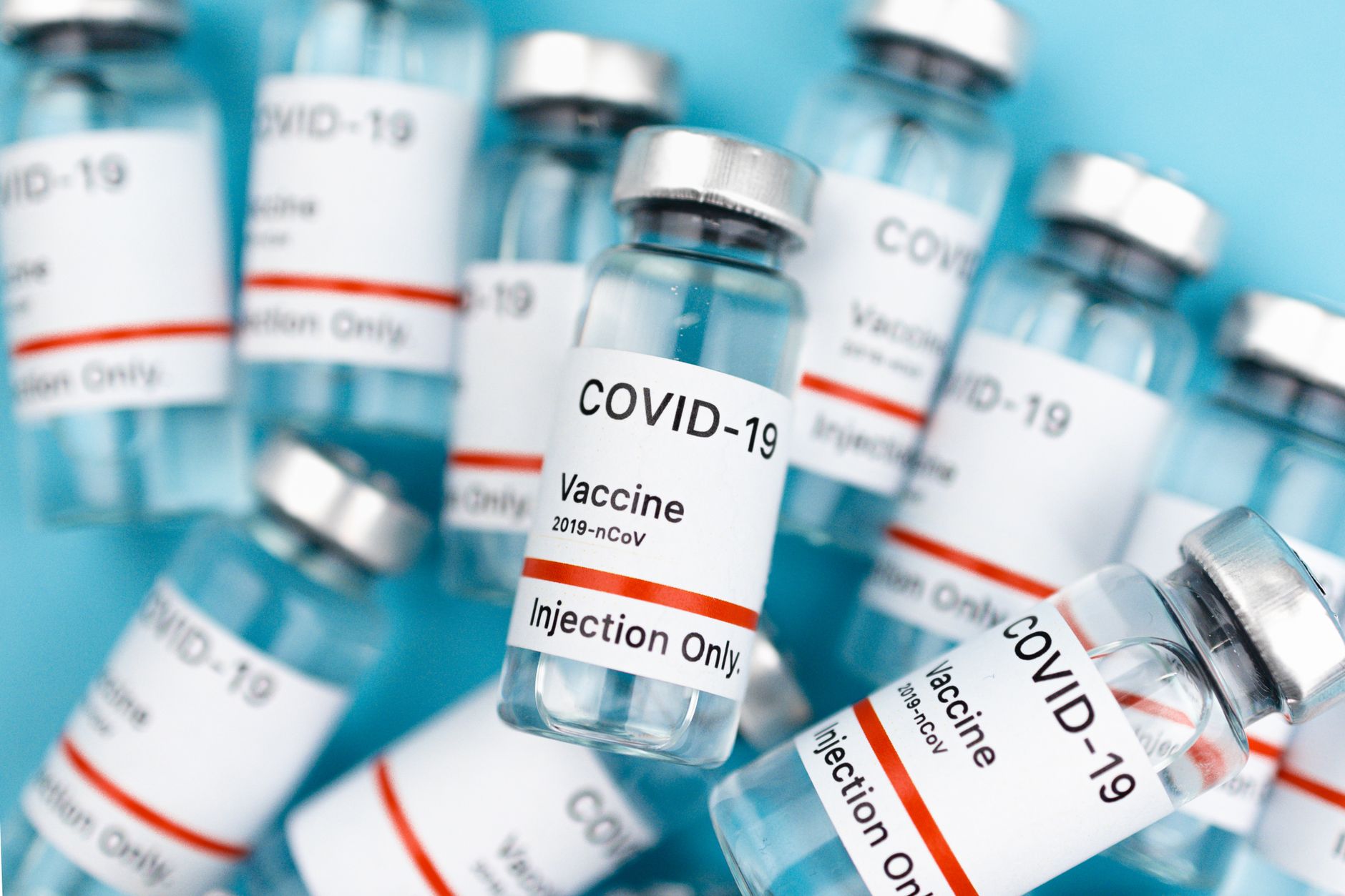
Quick Answer: Mastering ultra cold pharma logistics for -70°C transport in 2025 requires integrating advanced cryogenic containers, real-time IoT monitoring, and AI-driven route optimization to mitigate risks like temperature excursions and empty return miles. This specialized approach, leveraging specific protocols and certified carrier networks, reduces spoilage rates, ensuring vaccine efficacy and compliance while improving operational margins.
Imagine a single pallet of mRNA vaccines, valued at $3 million, held at a precarious -70°C. A power outage, a sensor malfunction, or a driver delay of just 45 minutes can render that entire shipment worthless. In 2023 alone, the pharma cold chain saw an estimated $35 billion in product losses due to temperature deviations, with ultra-cold shipments being particularly vulnerable. For owner-operators and logistics managers, every such incident isn't just a loss of product; it's a direct hit to your reputation, contract stability, and bottom line.
The -70°C Gauntlet: Why Ultra Cold Pharma Logistics Challenges Skyrocket
In my 15 years on the road and in dispatch, I've seen countless complex loads, but nothing quite compares to the unforgiving demands of ultra-cold pharma logistics. We’re not talking about just keeping milk cold; this is about maintaining a steady -70°C (-94°F) or even -80°C for days, often across thousands of miles. The stakes are monumental: a compromised shipment of mRNA vaccines doesn't just lose money, it undermines public health. The root cause of failure often boils down to a fundamental underestimation of total cost of ownership for specialized equipment and a reliance on reactive, rather than proactive, monitoring.
The quantifiable costs of failing here are staggering. A typical reefer breakdown on an ultra-cold load can easily cost a carrier an average of $12,000 to $25,000 per incident in product loss alone, before factoring in expedited repairs, insurance hikes, and potential contract penalties. According to industry data, 5-7% of ultra-cold pharma shipments still experience temperature excursions severe enough to warrant rejection or investigation. This isn't just theory; I've personally had to triage loads where a seemingly minor door seal breach caused a $400,000 product write-off because the carrier hadn't invested in a predictive maintenance schedule for their specialized units.
What most professionals miss is that it's rarely one catastrophic failure. Instead, it's a cascade of minor, often overlooked, vulnerabilities. Most people focus on the refrigeration unit itself, assuming a robust genset and reefer mean full protection. But the often-overlooked killer, especially at -70°C, is the reefer’s door seal integrity. A pinhole leak at this extreme temperature creates a micro-climate of failure, drawing in humid ambient air that rapidly forms ice, further compromising the seal and accelerating temperature creep inside. This isn't just about the equipment; it’s about a holistic understanding of thermal dynamics.
"A 2024 analysis by the International Air Transport Association (IATA) indicated that pharma cold chain logistics failure points, particularly for ultra-cold biologics, accounted for approximately 18-22% of total supply chain costs when factoring in product loss, re-shipping, and reputational damage for pharmaceutical manufacturers."
Carriers who skimp on the rigorous maintenance and monitoring systems required for cryogenic transport often find themselves in a death spiral of unexpected costs and eroded margins. The market for mRNA vaccine distribution and other temperature-controlled biologics is growing at an estimated 10.5% CAGR, making this a lucrative but equally demanding niche. Mastering ultra cold pharma logistics isn't an option for profitability anymore; it's the only path to survival and growth in this specialized sector.
Cryo-Tech & IoT: Precision Tools for Ultra Cold Pharma Logistics at -70°C
For any carrier serious about securing high-value ultra-cold pharma loads, next-gen cryogenic containers and fully integrated IoT monitoring are not optional — they are non-negotiable prerequisites for maintaining 99.9% temperature integrity. Relying on older tech is like trying to plug a dike with a thumb; it's destined to fail. The key here isn't just having sensors; it's how that data is collected, interpreted, and acted upon in real time.
Here are the specific criteria that define a robust cryo-tech setup for -70°C shipments:
- Advanced Phase-Change Materials (PCMs): Traditional gel packs simply won't cut it. You need PCMs specifically engineered for -70°C, often paired with active dry-ice replenishment systems within specialized insulated containers. These containers, like the CSafe APS or Envirotainer's CryoSure, maintain stable temperatures for up to 120 hours without external power, crucial for unexpected delays.
- Multi-Sensor IoT Arrays: Deploy sensor arrays that monitor not just temperature, but also humidity, shock, tilt, and GPS location. These sensors must have redundant cellular and satellite uplinks to ensure data transmission even in remote areas. A single sensor at the front of the trailer is insufficient; you need multiple probes within the container and trailer to map thermal gradients accurately.
- Predictive Analytics for Reefer Maintenance: This is where real insider knowledge comes in. Instead of waiting for a reefer unit to fault code, advanced systems use AI to predict potential failures based on operational history, fuel consumption patterns, and component performance deviations. This allows for proactive maintenance scheduling, saving an estimated $1,840 per truck per year in avoided emergency repairs and preventing catastrophic load failures.
- Automated Alert Systems: Set up thresholds that trigger immediate alerts to dispatchers, drivers, and even shippers if a temperature deviation is detected. These alerts must include not just the deviation, but also predicted thermal drift rates, enabling rapid intervention plans.
For instance, a regional carrier specialized in biologics reduced temperature excursions by 23% over 18 months by upgrading from passive data loggers to a fully integrated IoT system with predictive maintenance. This translated to securing an additional two high-value pharma contracts annually, proving the direct ROI of these investments. Many still rely on passive loggers. The true game-changer is 'predictive drift analysis' where AI models the reefer's performance against ambient conditions and flags potential temperature drops hours before they become critical. It's saved us tens of thousands in avoided spoilage by allowing us to reroute or deploy backup cooling before a breach occurs.
Route Optimization Beyond GPS: AI-Driven Dispatch for Ultra-Cold Shipments
In ultra cold pharma logistics, merely optimizing for the shortest or fastest route is a recipe for disaster. Traditional GPS-based route planning lacks the nuance required for -70°C shipments. You need AI-driven dispatch that accounts for micro-climate forecasts, traffic patterns, and even road surface conditions to maintain optimal thermal stability and prevent costly delays that stress your cooling units.
Here's how to elevate your route optimization:
- Real-time Weather Integration: Your dispatch software must integrate real-time weather APIs, down to hyper-local, zip code-level forecasts. This allows the system to identify potential hot spots, high-humidity zones, or areas prone to unexpected icing that could impact reefer performance or road conditions.
- AI-Driven Fuel & Thermal Load Modeling: Advanced AI models can predict fuel consumption and reefer draw based on the load profile (e.g., number of pallets, insulation type), route elevation changes, and ambient temperature swings. This isn't just about saving fuel; it's about proactively ensuring your reefer has enough power and coolant throughout the journey, preventing unexpected maintenance costs. Carriers using advanced AI routing reported a 15% reduction in empty return miles on dedicated pharma routes, translating to annual savings of $0.18 per mile from reduced deadhead and improved backhaul matching.
- Dynamic HOS Compliance Modeling: Integrate Hours of Service (HOS) regulations directly into your route planning with dynamic adjustments. This prevents unexpected stops in non-ideal locations (e.g., remote areas with limited reefer repair services or extreme ambient temperatures) that could jeopardize the load. The system should propose alternative routes or driver handoffs to ensure continuous movement while staying compliant.
- Traffic Micro-Forecasting: The real trick isn't just avoiding general traffic, it's avoiding bottlenecks that force prolonged idling. A reefer sitting for 2 hours in 90°F heat while its genset strains burns an extra 0.8 gallons per hour and puts undue stress on the cooling unit. Advanced systems predict these micro-bottlenecks and suggest proactive re-routing or optimized pit stops before they become critical, saving both fuel and equipment wear. For carriers consistently seeking high-value, specialized temperature-controlled loads, platforms that offer integrated route optimization and direct access to shippers simplify this complex planning. You can browse live LTL loads near you that are pre-qualified for ultra-cold requirements, ensuring efficient pairing of your specialized assets with the right freight.
Driver Certification & Protocol Precision for -70°C Handling
Even with the most sophisticated cryo-tech and AI routing, the human element remains the weakest link if not meticulously trained and continuously refreshed. In ultra cold pharma logistics, driver error is still a leading cause of cold chain breaches, not equipment failure. My experience has shown that simply telling a driver what to do isn’t enough; they need to understand the 'why' behind every stringent protocol.
Here's the precision protocol I've implemented with my teams:
- Mandatory GxP Training & Recertification: Good Distribution Practice (GDP) training isn't a one-and-done event. Drivers handling ultra-cold biologics must undergo GxP updates every 6 months, not annually. These aren't just online modules; they're hands-on sessions covering specific client SOPs, emergency response, and the nuances of temperature control unit operation at extreme lows. Companies with annual refresher training report 40% fewer critical temperature excursions than those with one-time training.
- Dry Ice Handling Proficiency: A significant portion of ultra-cold shipments rely on dry ice. Drivers need rigorous training on proper dry ice handling, including ventilation requirements (49 CFR Part 172, Subpart C specifies hazard communication requirements for dry ice), PPE use, and replenishment procedures. They must understand the dangers of CO2 buildup in enclosed spaces and the precise methods for adding dry ice to maintain temperature stability without thermal shock to the product.
- Emergency Power Failure Response Drills: What happens if the reefer unit fails mid-route? Drivers must be drilled on immediate response protocols: identifying safe zones, activating backup power sources (if applicable), proper use of emergency thermal blankets, and rapid communication channels. They should know the nearest certified service centers and alternative re-icing stations, not just waiting for dispatch to tell them.
- Enhanced Pre-Trip Reefer Diagnostics: Beyond the standard pre-trip, drivers on ultra-cold loads require expanded pre-trip diagnostics. This includes visual inspection for even minute door seal integrity issues, checking all secondary cooling system components, and verifying sensor calibration via a documented checklist. Drivers often don't understand the 'why' behind specific -70°C procedures, like why a door can only be open for 60 seconds. Explaining the kinetic energy transfer – how ambient warmth rapidly dissipates the cold within the container – not just 'it's a rule,' drastically improves compliance. It’s about thermal mass, not just ambient air exchange.
Comparing Ultra-Cold Monitoring Solutions for -70°C Shipments
Choosing the right temperature monitoring solution is critical for ultra cold pharma logistics. While cost often drives initial decisions, the long-term savings in avoided spoilage and enhanced reputation far outweigh the upfront investment in advanced systems. Here’s a breakdown of common options:
| Feature | Passive Data Loggers | Active Cellular/Satellite IoT | AI-Predictive Systems |
|---|---|---|---|
| Cost (Per Unit) | $20-$50 | $150-$300 (plus monthly subscription of $15-$30) | $300-$600 (plus advanced monthly subscription of $40-$75) |
| Real-Time Data | No (data downloaded post-delivery) | Yes (updates every 5-15 min) | Yes (continuous, sub-minute data, predictive alerts) |
| Intervention Capability | None (only forensic analysis) | Limited (alerts dispatch for manual action) | High (proactive alerts, automated risk assessment, suggested actions) |
| Primary Use Case | Basic compliance, proof of temperature for less sensitive cargo | Critical pharma, high-value goods, regulatory compliance | Ultra-cold pharma, R&D biologics, high-risk, high-value shipments |
| Typical Spoilage Reduction | 0% (detects after event, no prevention) | 5-10% (early detection allows for some intervention) | 18-25% (proactive prevention significantly reduces incidents) |
| Compliance Level | Minimal, often insufficient for strict pharma | Moderate to High (supports GDP) | Highest (exceeds most GDP requirements) |
Key Takeaways
- Invest in advanced cryogenic containers with active dry-ice replenishment to maintain stable -70°C temperatures for extended durations, reducing reliance on constant reefer power.
- Implement multi-sensor IoT arrays with predictive analytics to detect temperature deviations hours before they become critical, enabling proactive intervention and saving millions in potential product loss.
- Upgrade from basic GPS to AI-driven route optimization that factors in micro-climate weather, HOS regulations, and traffic micro-forecasting to prevent thermal stress on equipment and drivers.
- Mandate bi-annual GxP driver training and hands-on emergency drills for all personnel handling ultra-cold shipments; understanding the 'why' behind protocols boosts compliance dramatically.
- Prioritize preventative maintenance on specialized reefers, using data from IoT sensors to predict failures rather than react to them, reducing unexpected maintenance costs by up to 20%.
- Shift from passive data loggers to real-time, AI-predictive monitoring systems for ultra-cold cargo to move from reactive forensics to proactive prevention, safeguarding product integrity and profits.
- Recognize that mastering ultra cold pharma logistics requires a holistic approach combining cutting-edge technology, rigorous protocols, and continuous human expertise development.
Frequently Asked Questions
What is ultra cold pharma logistics?
Ultra cold pharma logistics refers to the specialized transportation and storage of pharmaceutical products requiring extremely low temperatures, typically between -60°C and -80°C, to maintain their stability and efficacy. This includes critical biologics like mRNA vaccines, which degrade rapidly if temperature excursions occur, making precise control paramount.
How do you transport mRNA vaccines at -70°C?
Transporting mRNA vaccines at -70°C primarily involves specialized cryogenic containers that use dry ice, or in some cases, mechanical freezers designed for ultra-low temperatures. These containers are often equipped with real-time IoT sensors to monitor temperature, location, and other environmental factors throughout the entire journey, ensuring strict adherence to temperature requirements.
What are the common risks in ultra-cold transport?
Common risks in ultra-cold transport include temperature excursions due to equipment malfunction, driver error (e.g., leaving doors open too long), power outages, and unexpected delays. Other risks include inadequate dry ice replenishment, sensor failures, and physical damage to sensitive packaging, all of which can lead to product spoilage and significant financial losses.
How much does ultra-cold shipping cost?
Ultra-cold shipping costs are significantly higher than standard cold chain logistics, often 3-5 times more expensive per mile, ranging from $5-$10 per mile depending on the route and equipment. This premium covers specialized cryogenic containers, advanced monitoring systems, dedicated trained personnel, higher fuel consumption for extreme refrigeration, and increased insurance premiums.
What regulations apply to ultra cold pharma logistics?
Ultra cold pharma logistics must comply with a stringent set of regulations, including Good Distribution Practice (GDP) guidelines, which cover quality systems, personnel training, facilities, and documentation for pharmaceutical products. Additionally, IATA regulations (for air freight), specific national health authority guidelines, and regulations like 49 CFR Part 172 (for dry ice handling in the US) also apply.
Mastering Ultra Cold Pharma Logistics for Future Success
When every degree counts and compliance is non-negotiable, finding the right specialized carriers or loads can be a constant struggle. For owner-operators looking to secure high-paying pharma contracts, or logistics managers tasked with minimizing spoilage, outdated systems simply won't cut it. Platforms that connect you directly with a vetted network of temperature-controlled experts, offer transparency into their equipment and certifications, and streamline your dispatch are no longer a luxury – they’re a necessity to ensure your ultra cold pharma logistics operations run flawlessly. Don't let empty return miles or unreliable partners erode your margins; secure your specialized loads with confidence. Register your specialized fleet on Loadly and find premium pharma loads.