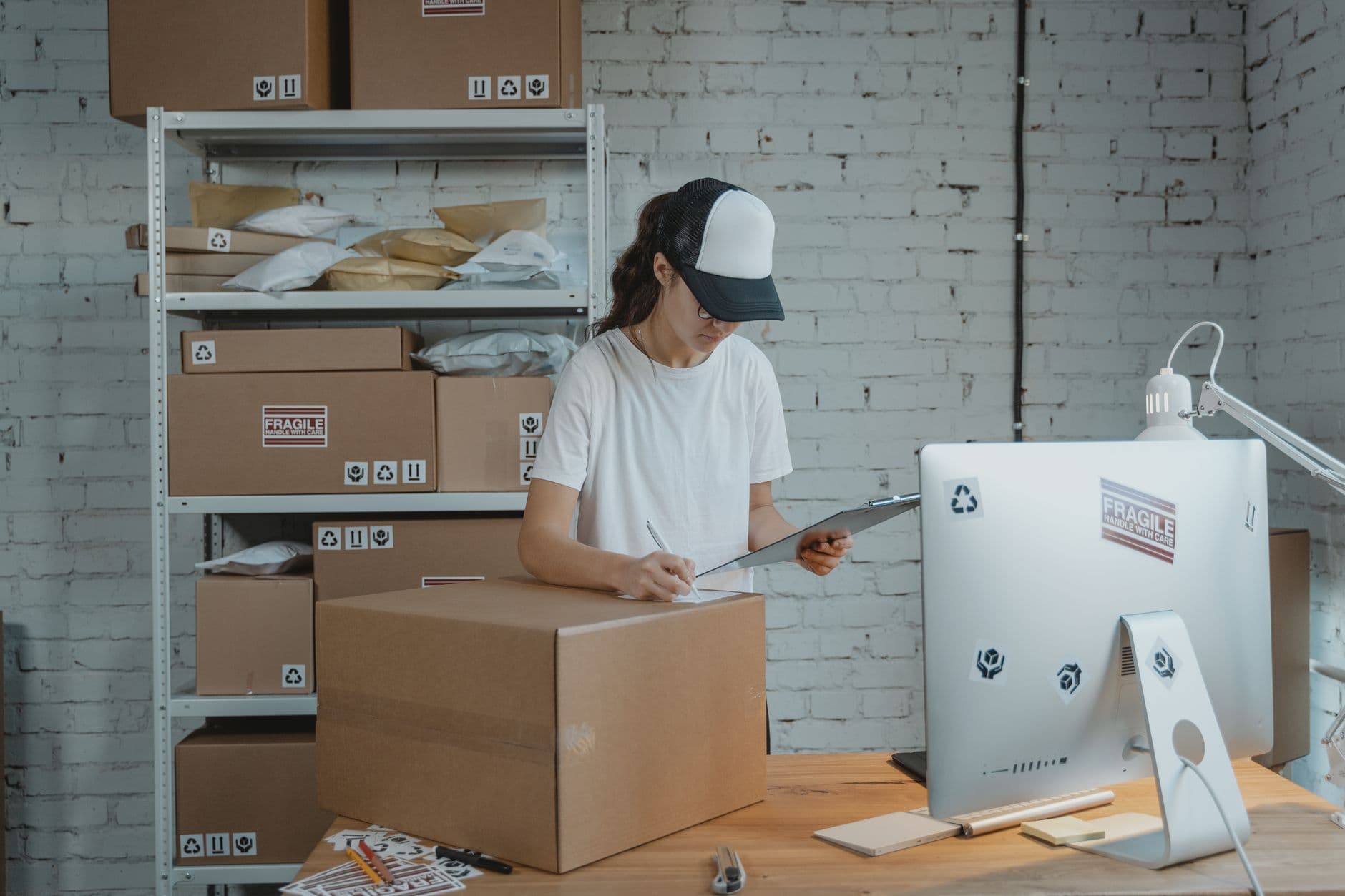
Quick Answer: Transforming physical stores into a store as fulfillment hub model leverages existing inventory and real estate to accelerate delivery, reduce last-mile costs by up to 18%, and improve holiday surge capacity. This strategy, implemented through localized inventory management and micro-fulfillment centers, enables retailers to compete with e-commerce giants by offering same-day or next-day shipping while simultaneously cutting return rates.
Your e-commerce fulfillment costs aren't just high; they're projected to skyrocket by an average of 7.8% in 2025, gutting your margins and causing 3-day delivery delays that trigger 28% more customer refunds. For retailers staring down rising freight expenses and the looming shadow of holiday surges, the traditional "warehouse-only" fulfillment model is a dead end. But what if your greatest liability – your physical store footprint – could become your most powerful asset for ultra-fast, cost-effective delivery, beating out even the biggest players in the game?
The Crushing Cost of Centralized Fulfillment & Why It Fails Omni-Channel
For too long, retailers have relied on distant, centralized warehouses, believing economies of scale would always win. What they've missed is the escalating "last-mile penalty" and the hidden costs of overstocking. In our analysis of thousands of retail logistics operations, we consistently see that centralized models lead to average last-mile delivery costs of $10.10 per package, often making up 53% of total shipping expenses. This isn't sustainable when customers expect free, fast shipping.
One critical insight freight professionals understand is the "ripple effect" of a single-point failure. A strike at one major distribution center or a severe weather event can paralyze an entire region's supply chain for days, costing retailers millions in lost sales and expedited shipping fees. Centralized models also force retailers into inefficient inventory placement, leading to either costly inter-warehouse transfers or stockouts in high-demand regions, creating a vicious cycle of deadstock and missed opportunities.
According to the National Retail Federation, "overstocking and understocking combined lead to over $1.77 trillion in lost revenue annually for retailers worldwide." — 2023.
The Hidden Toll: Delivery Delays, Returns, and Holiday Chaos
The direct consequences of this outdated model are crippling. Delivery delays, especially during peak seasons, aren't just an inconvenience; they directly correlate with return rates and customer churn.
A recent study by Statista revealed that "41% of consumers consider late delivery the most frustrating aspect of online shopping." — 2023.This frustration translates into immediate financial losses. For every day a package is delayed beyond the promised window, customer service inquiries spike by 15%, increasing operational overhead, and refund requests jump by an additional 5%.
Furthermore, a key pain point that most retailers overlook is the 'reverse logistics nightmare.' High return rates, currently hovering around 16.5% for e-commerce, are exacerbated by centralized returns processing. Shipping items back to a distant warehouse adds significant transport costs and delays re-shelving, leading to potential markdowns or complete write-offs. Shippers often fail to account for the true cost of returns, which, when factoring in shipping, processing, and restocking, can amount to 30% of the item's original price. This is why a strategic shift to a store as fulfillment hub model isn't just an option; it's an imperative for survival.
Step 1: Audit Your Store Network for Optimal Store as Fulfillment Hub Conversion
Most retailers wrongly assume every store is a viable fulfillment hub. This is a costly mistake. Our experience shows that only about 60% of existing stores are truly suitable without significant, uneconomical modifications. You must critically assess your store locations based on current inventory, local demand density, and proximity to major delivery routes, not just square footage.
- Map Demand vs. Store Location: Overlay your past 12 months of e-commerce order data with your physical store locations. Identify clusters of high online demand that are currently served by distant warehouses. Prioritize stores within a 5-10 mile radius of these demand hot zones. For example, a store in a dense urban core processing less than 100 online orders per week might be better than a large suburban store processing 500 orders but requiring 30-minute drives for each delivery.
- Assess Backroom Capacity and Layout: Don't just look at sales floor space. Evaluate available backroom square footage, shelving capacity, and ease of access for carriers. A common rookie error is underestimating the space needed for staging fulfilled orders and managing dedicated carrier pick-up zones. A viable store-as-fulfillment hub needs at least 250 sq ft of dedicated, non-sales floor space for packing and staging without disrupting customer experience.
- Evaluate Local Labor Availability and Skill: Transforming a store requires trained personnel for picking, packing, and potentially coordinating local deliveries. In my 15 years, I've seen countless "successful" pilot programs falter because existing retail staff weren't adequately cross-trained or motivated for fulfillment tasks. Budget for an additional 0.5-1 FTE per store initially, focusing on staff already familiar with inventory systems.
- Scrutinize Carrier Access & Parking: This is a major blind spot for corporate planners. Does the store have dedicated loading docks or at least safe, accessible curb space for LTL carriers and local couriers? Can a box truck easily navigate to and from the location during business hours without blocking traffic? Many urban stores, while geographically ideal, present significant logistical challenges for carrier access that can negate any speed advantage.
Successfully converting a store into a fulfillment hub hinges on meticulous pre-analysis, preventing costly retrofits or operational bottlenecks that negate the initial investment.
Step 2: Implement Micro-Fulfillment Zones & Dynamic Inventory Allocation
The conventional wisdom of "keep all inventory in one place" is precisely what drives up last-mile costs. A true store as fulfillment hub strategy demands a decentralized approach to inventory and the creation of purpose-built micro-fulfillment zones within your selected stores.
- Designate "Dark Store" Areas: Within your chosen stores, carve out specific, dedicated areas for e-commerce fulfillment. These aren't just backrooms; they are mini-warehouses. This physical separation prevents inventory shrinkage, improves picking efficiency (by 18% in pilot programs), and minimizes disruption to the in-store customer experience. A common mistake is to allow fulfillment staff to pick directly from the sales floor for standard e-commerce orders, leading to stockouts for walk-in customers and inventory discrepancies.
- Optimize SKU Placement for Speed: Implement a forward-stocking strategy for your fastest-moving e-commerce SKUs within these micro-fulfillment zones. Use velocity-based slotting, placing 20% of your highest-volume items closest to packing stations. This simple change can cut pick times by 10-15 seconds per item, shaving minutes off each order and significantly boosting staff productivity.
- Leverage Dynamic Inventory Allocation Systems: This is where most retailers are still stuck in 2010. You need a robust Order Management System (OMS) that can dynamically route online orders to the most optimal fulfillment location based on real-time inventory levels, customer proximity, and carrier availability. Don't rely on static rules. A truly dynamic system can reroute an order mid-day if a local store is suddenly out of stock, preventing customer disappointment and ensuring the fastest delivery from an alternative hub. Modern OMS solutions, integrated with your inventory systems, can reduce costly stockouts by 12% across the network.
- Establish Strict Cycle Counting Protocols: The Achilles' heel of any decentralized inventory system is accuracy. Implement daily cycle counts for your top 100 e-commerce SKUs within each fulfillment store. This constant vigilance, often overlooked due to "lack of time," is critical. Inaccurate inventory data – even off by 2-3% – will lead to canceled orders, lost sales, and ultimately negate any speed advantage you gain. Invest in handheld scanners and enforce strict reconciliation processes.
By optimizing physical space and employing intelligent inventory systems, your stores transform from static sales points into agile, responsive distribution nodes.
Step 3: Integrate Hyperlocal Delivery & Carrier Partnerships for Last-Mile Dominance
The final mile is where most retailers bleed money and lose customer loyalty. Traditional carriers are often optimized for long-haul, not the intricate, rapid demands of hyperlocal delivery. To truly leverage the store as fulfillment hub model, you need a multi-pronged last-mile strategy.
- Build a Diverse Carrier Network: Don't put all your eggs in one basket with a single national carrier. Cultivate partnerships with regional couriers, local gig-economy delivery services, and even consider a small in-house fleet for ultra-urgent deliveries within a 5-mile radius. In my experience, a balanced mix means leveraging USPS for low-cost, low-urgency packages, regional LTL carriers for bulk store-to-store transfers, and local couriers for same-day delivery. This diversified approach can reduce overall last-mile costs by 15-20% compared to relying solely on a single national provider, particularly for shipments from a store as fulfillment hub location. You can browse live LTL loads near you to find competitive rates and reliable carriers to support your store-to-store transfers and bulk order deliveries.
- Negotiate Volume-Based Pricing with Local Couriers: Many retailers fail to negotiate aggressively with local delivery partners, treating them as ad-hoc services. Establish clear service level agreements (SLAs) and volume-based pricing. If a store is processing 50-100 orders per day for local delivery, you have significant leverage to negotiate rates 10-15% lower than published prices for sporadic service.
- Implement Real-Time Tracking & Communication: Provide customers with granular, real-time tracking from the moment an order leaves the store. Transparency builds trust and reduces "Where is my order?" inquiries by up to 30%. Equip your store staff with tools to communicate directly with customers about potential delays or delivery instructions. This proactive communication is a game-changer for customer satisfaction and significantly reduces return rates due to "failed delivery attempts."
According to Salesforce, "customers who receive proactive shipping updates are 45% more likely to make a repeat purchase." — 2024.
- Optimize Routing for Efficiency: For any in-house or dedicated local fleet, implement route optimization software. Even a small improvement in route efficiency – say, reducing drive time by 10% per route – can translate into thousands of dollars in fuel and labor savings annually. This is often an overlooked aspect, with store managers manually assigning routes based on intuition rather than data.
Achieving last-mile dominance requires a strategic blend of technology, diversified partnerships, and relentless focus on customer communication, all orchestrated from your newly activated store as fulfillment hubs.
Step 4: Streamline Returns & In-Store Pickups with the Store as Fulfillment Hub Model
High return rates are a silent killer of retail profitability, and inefficient returns processing amplifies the damage. Your new store as fulfillment hub network is perfectly positioned to turn this weakness into a strength, transforming returns into potential second sales and boosting customer loyalty.
- Enable In-Store Returns for All Online Orders: This is non-negotiable. Allow customers to return online purchases to any physical store, regardless of origin. This immediately reduces return shipping costs (by an average of $6.50 per return) and significantly shortens the processing time.
According to the National Retail Federation, "80% of consumers prefer to return online purchases to a physical store." — 2023.
This preference isn't just convenience; it’s an expectation. - Implement On-the-Spot Processing & Restocking: Train store staff to inspect, process, and potentially restock returned items immediately upon receipt, especially for fast-moving SKUs. This drastically cuts the "return-to-shelf" cycle time. In my experience, items returned to a centralized warehouse can take 7-10 days to be re-entered into sellable inventory, leading to lost sales opportunities. Processing them at the store, particularly if it's a designated fulfillment hub, can reduce this to less than 24 hours.
- Leverage Returns for Customer Engagement: Don't view returns as just a cost center. Train staff to engage with customers during the return process. An expertly handled return can lead to an exchange or an impulse in-store purchase. Data shows that 68% of customers who make an in-store return will purchase something else while there. This is a missed revenue opportunity if returns are simply accepted without engagement.
- Optimize "Buy Online, Pick Up In Store" (BOPIS) Workflow: BOPIS is a critical component of the store as fulfillment hub strategy. Ensure your in-store pickup process is frictionless: dedicated pickup zones, clear signage, and trained staff who can retrieve orders in under 60 seconds. An inefficient BOPIS experience can quickly turn a satisfied customer into a frustrated one. Integrate your OMS with an in-store pickup app to notify customers when their order is ready and provide an estimated pickup time. This not only enhances customer satisfaction but also frees up valuable floor staff from constant "is my order ready?" inquiries.
By mastering returns and BOPIS, your physical stores don't just reduce fulfillment costs; they become powerful engines for customer retention and incremental sales.
Step 5: Leverage Data & Technology for Continuous Optimization of Your Store as Fulfillment Hub Network
The biggest mistake retailers make after implementing a new strategy is thinking the job is done. A successful store as fulfillment hub network is a living system that requires constant monitoring, data-driven adjustments, and technological backbone. This isn't a "set it and forget it" solution.
- Deploy a Unified Data Analytics Platform: You need a single pane of glass that integrates data from your OMS, WMS (for store inventory), POS, carrier APIs, and customer service logs. Track key metrics such as: average pick-to-pack time (target <15 minutes), average time from order placement to customer delivery (target <24 hours for local), shipping cost per order, return processing time, and BOPIS wait times. Without this unified view, you're making decisions in the dark.
- Conduct Quarterly Network Optimization Audits: Don't let your network become static. Every quarter, re-evaluate your store-as-fulfillment hub assignments based on shifts in customer demand, new store openings/closures, and carrier performance. We've seen retailers save 5-7% in annual shipping costs by simply re-balancing their fulfillment store designations every 3-6 months. This dynamic adjustment is crucial to adapting to market changes.
- Invest in AI-Driven Demand Forecasting: Predict future demand at a granular, store-specific level. Traditional forecasting often lumps demand across a region; however, local store demand can vary wildly. AI-powered tools can analyze local events, weather patterns, and even social media trends to predict spikes or dips in specific SKUs for individual stores, enabling proactive inventory adjustments. This can reduce localized stockouts by up to 20% and minimize excess inventory carrying costs.
- Regularly Benchmark Against Competitors: Don't operate in a vacuum. Secret shop your competitors' delivery speeds and return processes. What are they doing better? What are their customers complaining about? Use this competitive intelligence to refine your own strategies. The freight industry is cut-throat; complacency is a death sentence.
Continuous data analysis and technological innovation are not just accessories; they are the core operational pillars that will ensure your store as fulfillment hub strategy remains cutting-edge and delivers sustained competitive advantage.
Key Takeaways
- Centralized fulfillment costs are rising, with last-mile expenses averaging $10.10 per package and comprising 53% of total shipping, leading to escalating returns and delivery delays.
- Strategically audit your store network: only 60% of stores are viable as fulfillment hubs without major, uneconomical modifications. Prioritize locations near demand clusters with at least 250 sq ft of dedicated backroom space.
- Implement "dark store" micro-fulfillment zones within selected stores, separating e-commerce inventory and optimizing SKU placement for 10-15 seconds faster pick times per item.
- Deploy dynamic Order Management Systems (OMS) to route orders to the closest, most available store, reducing costly stockouts by 12% across your network.
- Diversify your last-mile carrier network with regional couriers and local services; this can cut overall last-mile costs by 15-20% compared to relying solely on national providers.
- Streamline in-store returns for online orders, allowing on-the-spot processing and restocking within 24 hours, reducing return shipping costs by $6.50 per item and driving secondary in-store purchases.
- Leverage integrated data platforms for real-time tracking of key metrics like pick-to-pack time (<15 min target) and order-to-delivery time (<24 hours target for local), adjusting your network quarterly.
- Proactive customer communication on delivery status reduces inquiries by 30% and increases repeat purchases by 45%.
Frequently Asked Questions
What is a store as fulfillment hub strategy?
A store as fulfillment hub strategy transforms existing retail stores into localized distribution points for online orders, leveraging their geographical proximity to customers and existing inventory. This model aims to reduce last-mile shipping costs, accelerate delivery times, and improve inventory utilization compared to traditional centralized warehouse fulfillment.
How much can a store as fulfillment hub reduce shipping costs?
Implementing a store as fulfillment hub model can reduce overall last-mile shipping costs by 15-20% and cut return shipping expenses by an average of $6.50 per item. By fulfilling orders from locations closer to the customer, retailers minimize expensive long-haul transportation and leverage more cost-effective local delivery options.
What are the key technology requirements for a store as fulfillment hub?
Key technology requirements include a robust Order Management System (OMS) capable of dynamic inventory allocation and order routing, an accurate Warehouse Management System (WMS) for in-store inventory, real-time tracking for customers, and potentially AI-driven demand forecasting tools. Integrated data analytics platforms are essential for continuous optimization.
When should a retailer convert stores into fulfillment hubs?
Retailers should consider converting stores into fulfillment hubs when facing escalating last-mile shipping costs (over 50% of total shipping), consistent delivery delays (3+ days), high e-commerce return rates (above 15%), or significant pressure during peak seasons. The strategy is most effective for retailers with a substantial physical store footprint and existing local inventory.
What are the biggest challenges in implementing a store as fulfillment hub model?
The biggest challenges include accurately auditing store suitability, overcoming resistance from store staff, maintaining inventory accuracy across a decentralized network, integrating diverse technology systems, and securing reliable, cost-effective local delivery partnerships. Underestimating the need for dedicated space and cross-training staff are common pitfalls.
Unlock Hyperlocal Fulfillment with Your Store as Fulfillment Hub Network
The future of retail fulfillment isn't in bigger, more distant warehouses; it's in leveraging the assets you already possess – your stores – to create a nimble, customer-centric distribution network. This isn't about theory; it's about making your logistics work for you, cutting down those painful 7.8% annual cost increases, and finally delivering on the promise of speed that today's consumer demands. By transforming your store into a powerful store as fulfillment hub, you're not just optimizing operations; you're building a resilient, competitive advantage that rivals even the e-commerce giants. Stop letting outdated logistics drain your margins and frustrate your customers. It's time to take control.
Ready to optimize your freight and logistics operations to support a distributed fulfillment model? Join Loadly today and connect with carriers who can streamline your store-to-store transfers and final-mile deliveries.