Quick Answer: Effective reefer breakdown prevention in 2025 hinges on proactive maintenance, advanced telematics, and rigorous driver training. Implementing a pre-trip checklist focusing on fuel, coolant, and electrical systems, combined with real-time temperature monitoring and scheduled OEM servicing, can reduce costly cargo spoilage incidents by up to 80% and save businesses over $10,000 per event.
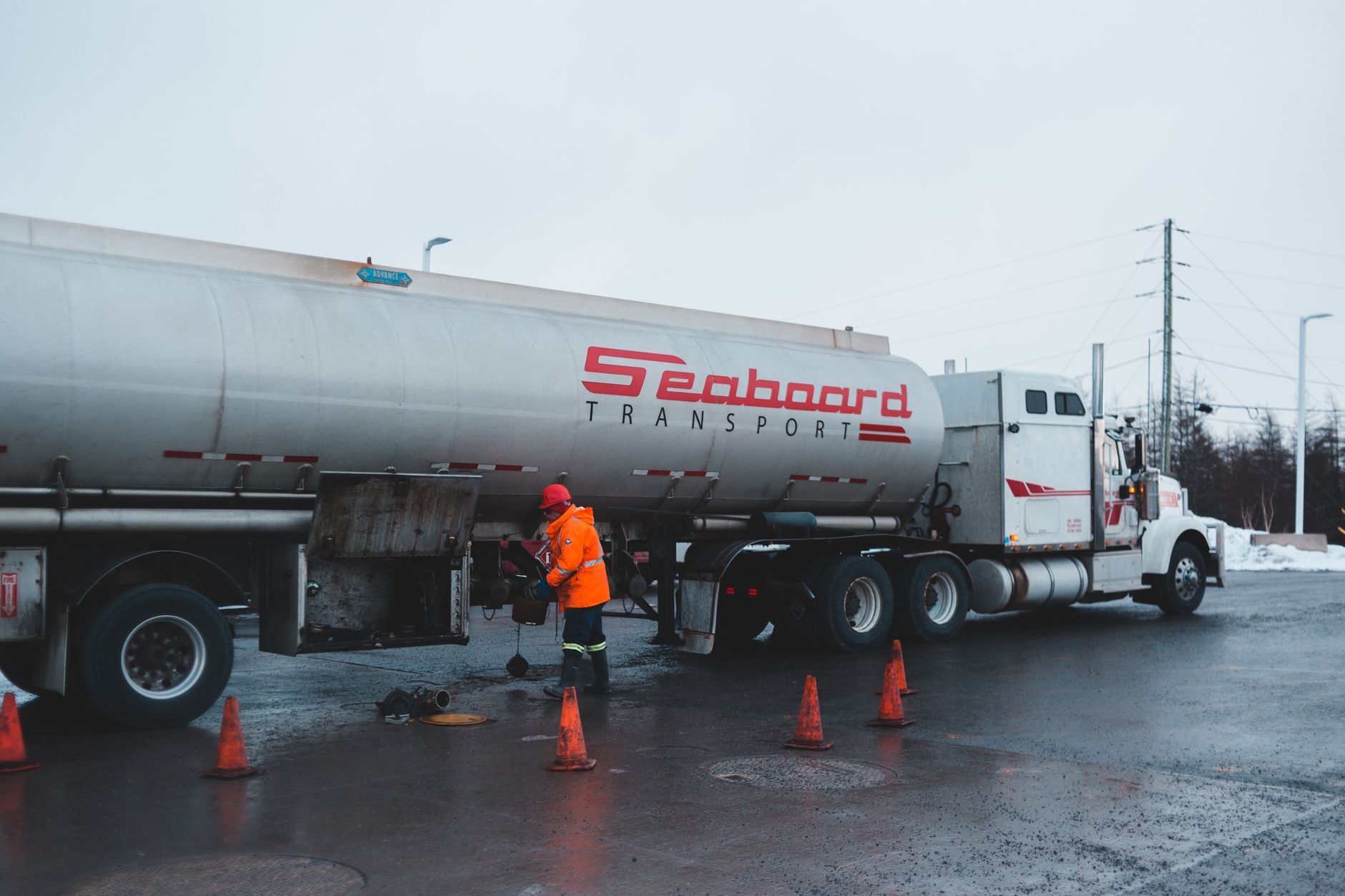
Imagine a $60,000 load of pharmaceuticals, destined for a critical hospital delivery, sitting on the shoulder of I-70 in July with a dead reefer unit. That's not just a hypothetical; it's a call I've taken too many times as a dispatcher. Every minute that unit is down, your cargo—and your business's reputation—is bleeding money, often leading to total loss and a claim that hits your bottom line by $10,000 or more before you can even get a mechanic on site.
The Hidden Cost Avalanche of Reefer Breakdown Prevention Failures
Most fleet managers focus on the immediate repair cost when a reefer unit goes down, but that's just the tip of the iceberg. The real damage comes from lost cargo, failed deliveries, and the long-term erosion of shipper trust. In my 15 years, I've seen a single breakdown wipe out a week's profit for an owner-operator and trigger a full audit for a fleet. The conventional wisdom says "fix it when it breaks." That's an outdated, expensive gamble in 2025.
The true financial hit isn't just the $800 tow and $1,500 diagnostic fee. It's the $10,000 average cargo loss for temperature-sensitive goods, the potential $5,000 in detention fees, and the non-quantifiable but very real loss of a repeat customer.
"According to the American Trucking Associations (ATA), unrefrigerated spoilage due to reefer failure costs the U.S. cold chain industry over $2 billion annually, with individual carrier losses often exceeding $15,000 per incident for high-value loads like produce or pharmaceuticals."
What most professionals miss is that this isn't just a maintenance problem; it's a systemic operational failure driven by overlooking preemptive diagnostics and relying on reactive repairs. The cost of a proactive inspection program, typically $150-$250 per unit every 90 days, pales in comparison to a single $10,000 loss.
Why Conventional Reefer Maintenance Falls Short in 2025
Many fleets still operate on a "break-fix" model, scheduling maintenance only when a fault code appears or a driver reports an issue. This approach is fundamentally flawed for cold chain integrity. By the time a fault code triggers, critical components are already under severe stress, and the risk of cargo damage has skyrocketed.
Another common pitfall is relying solely on standard engine service intervals for reefer units. Reefer units, especially those running continuously on long hauls or multi-drop routes, experience different wear patterns than the truck's engine. Components like the condenser coil, evaporator coil, and refrigerant lines are constantly exposed to external elements and high pressure cycles.
"A 2024 study by Transport Refrigeration Journal found that 62% of all reefer breakdowns could have been prevented with pre-emptive sensor-based diagnostics and routine fluid analysis, rather than waiting for scheduled, time-based maintenance."
Furthermore, driver turnover—a major pain point for fleet managers—exacerbates maintenance issues. Inexperienced drivers might miss subtle operational cues or overlook critical pre-trip checks, leading to preventable failures. High turnover rates mean less institutional knowledge about specific unit quirks and maintenance histories.
Solution 1: Implementing a 90-Day Predictive Maintenance Protocol
Move beyond reactive repairs to a predictive maintenance strategy for optimal reefer breakdown prevention. This isn't just about oil changes; it's about anticipating failure points before they become critical.
- Mandate Comprehensive 90-Day Inspections: Every 90 days, not just annually, put your reefer units through a deep diagnostic. This includes refrigerant level checks (not just pressure), belt tension, alternator output, and fuel filter inspections. Pay specific attention to the defrost drain lines—a common clog point I've seen ruin countless loads of frozen goods.
- Oil Analysis for Compressor Health: Just like engine oil, reefer compressor oil provides a diagnostic snapshot. Send oil samples for analysis every 1000 operating hours. Look for metal particulates (indicating wear) and signs of contamination. This can flag an impending compressor failure months in advance, costing you $200 for an analysis versus $8,000 for a new compressor.
- Thermo King & Carrier Transicold OEM Software Diagnostics: Use proprietary diagnostic software (e.g., Thermo King's Wintrac or Carrier's DataTrak) for deep fault code analysis, even for seemingly minor issues. These tools can reveal intermittent sensor failures or early-stage component degradation that generic OBD-II scanners miss.
- Clean Evaporator & Condenser Coils Bi-Annually: Dust, debris, and road grime accumulate rapidly. A dirty coil reduces cooling efficiency, overworks the compressor, and dramatically increases fuel consumption. A simple pressure wash can improve fuel efficiency by 5-8%, saving $1,840 per truck per year in fuel alone based on 120,000 annual miles and $4/gallon diesel.
This proactive approach turns maintenance from a cost center into a profit protector, ensuring your valuable cargo stays at temperature and your trucks stay on the road.
Solution 2: Leveraging Real-Time Telematics & AI for Proactive Monitoring
The biggest game-changer in reefer breakdown prevention for 2025 is sophisticated telematics. Forget simple GPS tracking; modern systems offer deep insights into your unit's health, allowing you to intervene before a problem escalates.
- Invest in Full-Spectrum Telematics Systems: Your telematics should monitor not just temperature, but also fuel levels, compressor run-time, defrost cycles, door openings, and even battery voltage. Integrate these sensors directly with the reefer unit's ECU.
- Set Up Predictive Alert Thresholds: Don't wait for a critical fault. Configure alerts for deviations: a gradual rise in discharge air temperature (e.g., 2 degrees above setpoint for 30 minutes), excessive defrost cycles (indicating ice build-up), or abnormal fuel consumption for the reefer. These early warnings give you hours, sometimes days, to react.
- Implement Geofence-Triggered Checklists: When a reefer truck enters a specific high-risk zone (e.g., remote areas with limited service, or a region known for extreme temperatures), the system should prompt the driver to perform an abbreviated pre-check or increase monitoring frequency.
- Utilize AI-Powered Anomaly Detection: Some advanced telematics platforms now use AI to learn normal operating parameters. They can flag subtle deviations that a human might miss—like a slight increase in compressor vibration or an unusual pattern in temperature fluctuations—signaling an impending component failure long before a hard fault code appears.
By actively monitoring these parameters, dispatchers can spot a failing alternator or a low refrigerant charge, dispatching a mobile repair unit before the driver is stranded or, worse, the cargo is compromised. It’s the difference between a controlled stop and an emergency with a perishable load. For dispatchers seeking available specialty trailers, including reefers, in real-time, consider leveraging a digital freight marketplace to quickly secure backhauls or find replacement capacity if a unit does go down for extended repairs.
Solution 3: Enhancing Driver Training & Pre-Trip Rigor for Reefer Uptime
Even the most advanced technology is only as good as the operator. Driver training is often overlooked in reefer breakdown prevention, but it's a critical front line. Drivers are the first to notice unusual noises, smells, or slight temperature discrepancies that can herald a major issue.
- Mandatory Cold Chain Certification: Beyond basic CDL, require all reefer drivers to complete a specialized cold chain certification covering reefer operation, troubleshooting common issues, and cargo specific temperature requirements. This should include hands-on training with unit controls and error code interpretation.
- "Reefer Walk-Around" Pre-Trip Protocol: Develop a specific pre-trip inspection checklist for reefer units that goes beyond the DOT requirement. This includes:
- Fuel Level: Ensure at least half a tank to prevent fuel starvation, especially for continuous operation.
- Coolant Level: Visually inspect the overflow tank.
- Belt Condition: Check for cracks, fraying, or excessive slack.
- Condenser & Evaporator Coils: Quick visual for blockages (leaves, plastic bags).
- Defrost Drain Hoses: Confirm they are clear and flowing freely.
- Temperature Setpoint Verification: Double-check the unit's setpoint matches the Bill of Lading (BOL) or shipper instructions, especially critical for multi-temp units where errors are common.
- Real-World Scenario Training: Conduct drills for common reefer issues like "Unit will not start," "Temperature out of range," or "Trailer door seal compromised." Empower drivers with basic troubleshooting steps to buy time until roadside assistance arrives. Teach them the immediate steps to take if temperature deviates, such as cycling the unit off and on, or checking for obvious airflow blockages.
A well-trained driver isn't just a pilot; they're your mobile quality control and first-response technician, potentially saving you thousands in spoilage.
Comparison Table: Reactive vs. Predictive Reefer Maintenance
| Feature | Reactive Maintenance | Predictive Maintenance |
|---|---|---|
| Trigger for Action | Component failure; fault code (unit already down) | Anomaly detection; sensor data; scheduled diagnostics |
| Cost of Repair | High (emergency call-out, expedited parts, potential cargo loss) | Moderate (scheduled repair, bulk parts, planned downtime) |
| Cargo Loss Risk | High (frequent total losses, high claims) | Low (early intervention prevents spoilage) |
| Fuel Efficiency | Lower (inefficient units run harder to maintain temp) | Higher (optimized unit performance, cleaner coils) |
| Fleet Uptime | Low (unplanned downtime, driver frustration) | High (scheduled downtime, consistent operation) |
| Typical ROI (Annual) | Negative (unpredictable losses) | Positive (average 15-20% reduction in maintenance costs, 80% reduction in spoilage claims) |
Key Takeaways
- A single reefer breakdown can trigger $10,000+ in cargo losses and claims, far exceeding repair costs.
- Shift from reactive "break-fix" to a 90-day predictive maintenance protocol, including oil analysis and deep OEM diagnostics.
- Leverage real-time telematics with AI anomaly detection to spot issues hours or days before critical failure.
- Mandatory cold chain certification and a rigorous "Reefer Walk-Around" pre-trip protocol for drivers are critical front-line defenses.
- Cleaning condenser and evaporator coils bi-annually can improve fuel efficiency by 5-8%, saving $1,840 per truck per year.
- Most reefer breakdowns (62%) are preventable with sensor-based diagnostics and proactive fluid analysis.
- Proactive strategies reduce cargo spoilage by up to 80% and lead to significant operational savings.
Frequently Asked Questions
What is the average cost of a reefer breakdown?
The average cost of a reefer breakdown, beyond just the repair, is typically over $10,000 when accounting for cargo spoilage, detention fees, towing, and emergency service. For high-value loads like pharmaceuticals or specialty foods, this figure can easily exceed $25,000.
How often should reefer units be serviced for preventative maintenance?
Reefer units should undergo comprehensive preventative maintenance every 90 days or 1,000 operating hours, whichever comes first. This goes beyond annual inspections and includes detailed checks of refrigerant levels, belt tension, fluid analysis, and coil cleaning.
What are the critical pre-trip checks for a reefer unit?
Critical pre-trip checks for a reefer unit include verifying fuel and coolant levels, inspecting belts for wear, ensuring condenser and evaporator coils are clean, checking defrost drain lines for blockages, and most importantly, confirming the temperature setpoint matches the Bill of Lading. These checks prevent many common failures.
Can telematics truly prevent reefer breakdowns?
Yes, advanced telematics systems can significantly prevent reefer breakdowns by providing real-time data on temperature, fuel, compressor health, and sensor readings. With AI-powered anomaly detection and configurable alert thresholds, dispatchers can identify and address potential issues hours or days before they become critical failures, enabling proactive intervention.
What is the biggest mistake fleet managers make in reefer maintenance?
The biggest mistake fleet managers make in reefer maintenance is adopting a reactive "break-fix" approach, waiting for units to fail before servicing them. This leads to costly emergency repairs, extensive cargo spoilage, and unpredictable downtime, rather than the more economical and reliable predictive maintenance model.
Safeguarding Your Cold Chain: The 2025 Reefer Breakdown Prevention Playbook
As a veteran in this industry, I've seen firsthand how a single reefer failure can ripple through an entire operation, affecting everything from driver morale to insurance premiums. The strategies outlined above—from detailed 90-day inspections to leveraging advanced telematics—are not just theoretical best practices; they are hard-won lessons from the road, proven to keep your cold chain intact and your balance sheet healthy. Embracing these preemptive measures isn't an expense; it's an investment that pays dividends by dramatically reducing catastrophic cargo losses and improving overall fleet efficiency. To streamline your operational efficiency further and manage your freight needs effectively, discover how Loadly connects you with reliable carriers and specialized equipment. Ready to optimize your fleet's future? Sign up for Loadly today and start preventing costly disruptions.