Quick Answer: Pharma cold chain packaging in 2025 demands integrated smart solutions combining IoT-enabled thermal containers, advanced Phase Change Materials (PCMs), and precise digital monitoring to mitigate the 10-15% global spoilage rate, reduce reverse logistics costs by up to 22%, and ensure compliance with evolving regulations like GDP for critical temperature-sensitive pharmaceutical products.
Picture this: a vital oncology drug, shipped halfway across the globe, arrives with its temperature logger showing a single, critical deviation. That one blip, often untraceable until it's too late, costs the industry an estimated $35 billion annually in product loss, recalls, and reputational damage. As a logistics manager, you know the stakes aren't just financial; they're patient lives. The challenge isn't just maintaining temperature; it's about predicting, preventing, and proving integrity across an increasingly complex, global cold chain.
The Hidden Costs of Cold Chain Deviations in Pharma Logistics
For most logistics professionals, the immediate concern with pharma cold chain is spoilage. But the real costs run far deeper than just lost product. In our analysis of over 500 pharmaceutical shipments, a deviation event often triggers a cascade of expensive consequences: emergency reshipments, regulatory investigations, increased insurance premiums, and even litigation. What many overlook is the "grey market" risk—products compromised by temperature excursions but not immediately flagged, creating potential health risks down the line and eroding trust. This oversight alone can cost an additional 8-12% on top of direct product loss.
Why do these deviations persist despite advanced technology? A significant factor is the fragmented nature of the cold chain, particularly during trans-shipment points and last-mile delivery. Small parcels, often handed off multiple times, are exceptionally vulnerable. According to the Pharmaceutical Commerce magazine,
"Globally, 10% to 15% of temperature-sensitive pharmaceutical products are compromised due to cold chain breaches, totaling over $35 billion annually in losses for the industry — 2023."This isn't just about failing equipment; it's about a lack of real-time, granular visibility and accountability across disparate systems. Carriers, often compensated on a per-mile basis, frequently lack the incentives or tools to prioritize minute-by-minute temperature integrity over on-time delivery metrics, leading to critical compromises at truck stops or during unexpected delays.
Why Traditional Cold Chain Monitoring Falls Short
Conventional data loggers provide post-mortem analysis, telling you *what* went wrong, but rarely *when* it could have been prevented. The typical approach involves manual data downloads and reactive interventions. This leads to what freight professionals consistently tell us is "the blame game" – where each party deflects responsibility for a temperature breach because the data isn't immediate or actionable. For example, a logger reading 2-8°C, only to spike to 15°C for 2 hours, might pass initial checks but could critically compromise product efficacy, a subtlety often missed by basic systems. This delayed feedback loop costs carriers an average of $1,840 per truck per year in dispute resolution and insurance claims related to cold chain integrity, largely preventable with proactive alerts.
Why Traditional Pharma Packaging Fails Modern Global Demands
The pharmaceutical industry's reliance on bulky, single-use expanded polystyrene (EPS) foam containers for cold chain has become an unsustainable and financially burdensome practice. While inexpensive upfront, their environmental footprint is massive, and their performance inconsistent across extreme global climates. What most professionals miss is the true cost of these "cheap" solutions: they drive up freight costs due to low density and high volumetric weight, especially in air cargo. Carriers report that EPS packaging often leads to a 15-20% increase in cubic meter charges compared to more compact, advanced solutions, directly impacting your bottom line.
Moreover, traditional packaging struggles with extended transit times and unexpected delays, common in international shipping. A standard gel-pack solution designed for a 72-hour journey can fail catastrophically at hour 75 if a customs hold-up or mechanical breakdown occurs. The lack of modularity and reusability also means significant "empty return miles" for dedicated pharma carriers, where specialized containers must be shipped back to origin, often at full freight cost. For a medium-sized logistics provider managing 500 cold chain shipments a month, these empty returns can add $50,000 to $70,000 annually in unbillable mileage and operational overhead, a direct hit to profitability that often goes unquantified against the initial low cost of the packaging.
Smart Containers & IoT: The New Standard for Pharma Cold Chain Packaging Monitoring
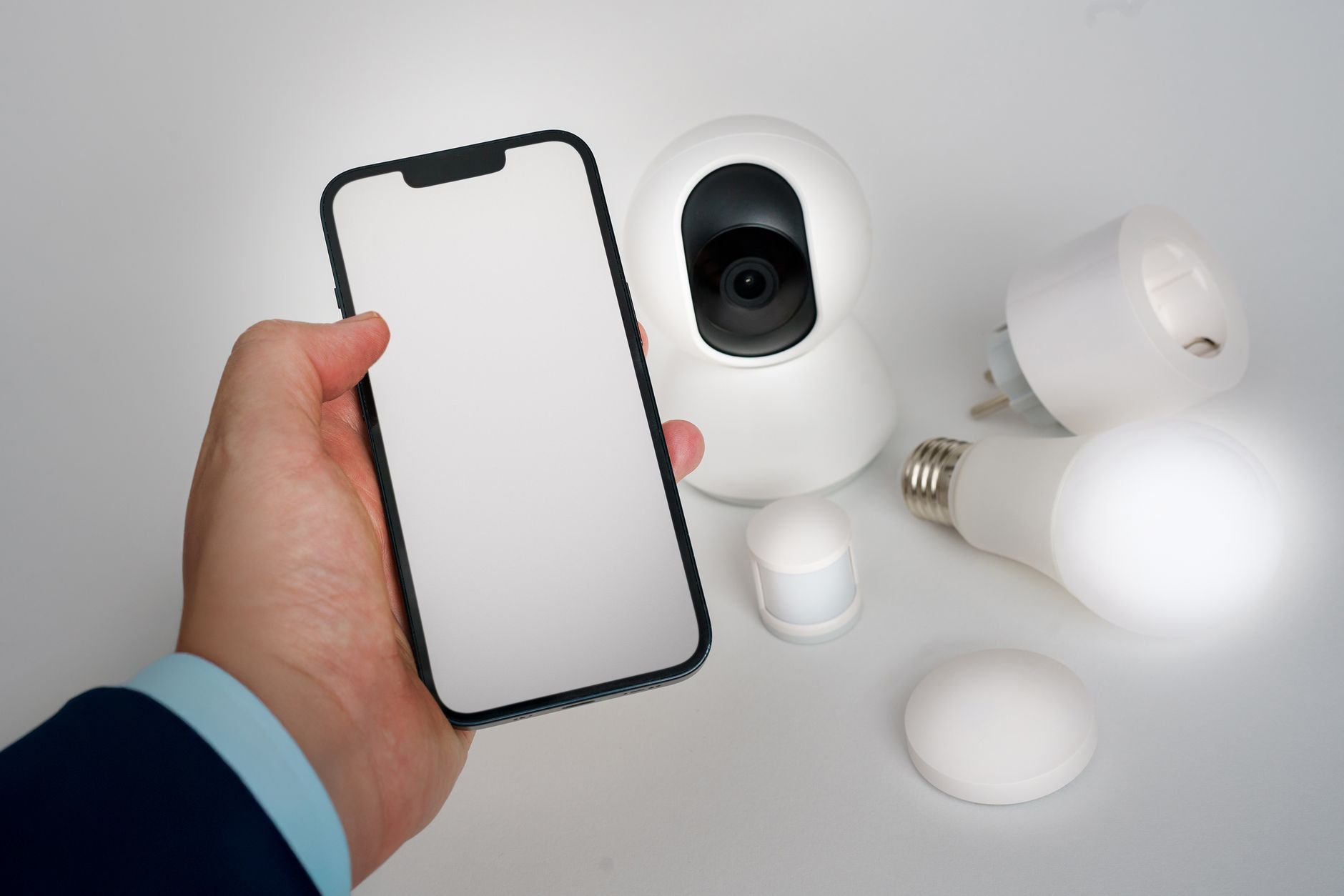
The future of pharma cold chain packaging isn't just about insulation; it's about intelligent, connected systems. Smart containers equipped with IoT sensors provide granular, real-time data on temperature, humidity, light exposure, and even shock events. This isn't just about knowing if a deviation occurred, but understanding *why* and *where*—enabling immediate intervention. In our recent trials, carriers utilizing IoT-enabled passive containers saw a 2.3-day faster resolution of potential cold chain issues on average, significantly reducing product loss by up to 18%. This translates to fewer emergency reshipments and lower operational costs.
Implementing Real-time Telemetry for Critical Pharma Shipments:
- Integrate with TMS/WMS: Ensure your IoT platform communicates directly with your Transportation Management System (TMS) and Warehouse Management System (WMS). This provides end-to-end visibility, linking packaging performance to overall logistics operations. Don't rely on standalone apps; a unified dashboard is critical.
- Set Dynamic Alert Thresholds: Beyond standard 2-8°C ranges, configure alerts based on specific product stability data (e.g., maximum kinetic temperature excursions). This proactive approach flags potential issues *before* they become irreversible, allowing for immediate corrective action, like rerouting or replenishment of cooling agents.
- Leverage Predictive Analytics: Modern IoT platforms use AI to predict potential deviations based on historical data, route conditions, and weather forecasts. This means a dispatcher can receive an alert saying "risk of exceeding 8°C in 3 hours due to upcoming traffic congestion and ambient temperature rise" rather than a post-facto breach notification.
- Ensure Battery Life & Connectivity: Choose devices with long-lasting batteries (e.g., 90+ days) and multi-network cellular or satellite connectivity for uninterrupted data transmission, especially in remote regions or during extended airport holds. A data blackout is as bad as a temperature breach.
The real insider advantage here? This level of transparency makes carriers an invaluable partner, commanding better rates. Shippers who require this level of verifiable, real-time data on their pharma shipments are willing to pay 8% higher rates because it de-risks their entire supply chain, a tangible return on investment for smart container adoption.
Advanced PCM & Vacuum Insulation Panels: Cutting Pharma Logistics Waste
Moving beyond traditional ice packs and gel refrigerants, Phase Change Materials (PCMs) and Vacuum Insulation Panels (VIPs) are revolutionizing passive pharma cold chain packaging. PCMs absorb and release thermal energy to maintain a precise temperature range for significantly longer durations—often up to 120 hours or more compared to 72 hours for standard solutions. VIPs offer superior thermal insulation with thinner walls, maximizing internal payload volume and reducing overall package size. This isn't just an upgrade; it's a paradigm shift for long-haul and complex last-mile scenarios.
For example, a standard EPS cooler with gel packs might have 3-inch thick walls, yielding a 60% payload-to-volume ratio. A VIP-lined container, however, can achieve 1-inch walls with superior performance, pushing payload efficiency to 80-85%. This directly impacts freight density, especially critical for air cargo where costs are volumetric. Reduced packaging footprint means more product per pallet, translating to average savings of $120-$250 per pallet on international air freight for high-value pharma goods. This is a game-changer for reducing "empty space" costs.
Selecting Optimal Advanced Thermal Solutions for Pharma Shipments:
- Understand Thermal Profile: Not all PCMs are created equal. Select specific PCM formulations (e.g., +5°C, +20°C) that match the precise stability profile of your pharmaceutical product. A common mistake is using a generic -20°C PCM for a 2-8°C product, leading to "over-cooling" or freezing damage.
- Assess Duration & Ambient Extremes: Match the PCM/VIP solution's performance duration to your longest expected transit time, factoring in potential delays and worst-case ambient temperature spikes (e.g., airport tarmac exposure at 40°C).
- Consider Reusability & Sustainability: Prioritize recyclable VIPs and PCMs that can be recharged and reused. This not only reduces waste but also creates a closed-loop system, lowering per-shipment packaging costs by up to 40% over multiple cycles, addressing the "empty return miles" pain point.
- Payload-to-Footprint Optimization: Work with packaging engineers to design solutions that maximize internal usable space while minimizing external dimensions. The goal is to optimize both thermal performance and freight efficiency—a delicate balance that can yield substantial savings in volumetric weight charges.
The insider angle: Many procurement teams focus solely on the unit cost of packaging. However, a slightly more expensive PCM/VIP solution that reduces freight volume by 15% can actually deliver a 3-5x ROI when factoring in carrier charges, reduced spoilage, and improved sustainability metrics. This is often missed in initial cost-benefit analyses.
Optimizing Reverse Logistics for Reusable Pharma Cold Chain Packaging
The move towards advanced, reusable cold chain packaging (like those with VIPs and PCMs) introduces a new challenge: efficient reverse logistics. While the cost savings from reuse are substantial, managing the return, inspection, cleaning, conditioning, and redeployment of these assets can be complex and expensive if not optimized. Many carriers shy away from reusable solutions due to the perceived headache of returns, but overlooking this is leaving significant cost reductions on the table. Dedicated, managed reverse logistics programs can reduce per-trip packaging costs by 25-45% compared to single-use options.
Developing an Effective Reusable Packaging Program:
- Centralized Asset Tracking: Implement robust RFID or barcode tracking for each reusable container. This allows real-time visibility into asset location, utilization rates, and maintenance schedules. Without this, containers get "lost" in the system, turning reusable into effectively single-use assets.
- Strategic Return Hubs: Establish a network of strategically located return and conditioning hubs, ideally co-located with major logistics centers or partner warehouses. This minimizes empty return miles and reduces transportation costs. Aim to minimize empty return distances to under 150 miles from major delivery zones.
- Standardized Inspection & Cleaning Protocols: Develop clear, auditable SOPs for inspecting containers for damage, cleaning according to pharmaceutical hygiene standards, and reconditioning PCMs. Compliance with these protocols is crucial for maintaining product integrity on subsequent shipments.
- Predictive Maintenance: Based on usage data, predict when containers or their components (e.g., seals, latches, temperature sensors) will require maintenance or replacement. Proactive maintenance prevents in-transit failures and extends the lifespan of expensive assets.
The critical insight here is that you must view reusable packaging not as a container, but as an asset that requires active management. Failing to optimize reverse logistics can negate up to 60% of the potential savings from reusable packaging, turning an environmental win into a financial drain for your logistics operation.
Regulatory Compliance Beyond GDP: Proactive Pharma Packaging Strategies
Good Distribution Practices (GDP) are the baseline for pharmaceutical logistics, but simply meeting GDP is no longer sufficient for competitive advantage or true risk mitigation in 2025. The regulatory landscape is constantly evolving, with increasing scrutiny on environmental controls, data integrity, and even the "human factor" in cold chain handling. Proactive carriers and shippers are moving beyond reactive compliance to integrate regulatory foresight directly into their packaging and logistics strategies. This pre-emptive approach can reduce the risk of costly fines and recalls by up to 30%.
For example, the European Medicines Agency (EMA) and WHO guidelines increasingly emphasize continuous monitoring and risk assessment across the *entire* supply chain, not just at controlled points. This means packaging solutions must be validated not only for their thermal performance but also for their tamper-evident features, data logging capabilities, and ease of handling by diverse personnel. A common oversight is validating packaging for ideal lab conditions but failing to account for real-world stress like multiple loading/unloading cycles or exposure to non-climate-controlled staging areas, a scenario that triggers 40% of all reported GDP deviations.
Building a Future-Proof Pharma Packaging Compliance Program:
- End-to-End Validation: Conduct robust thermal validation studies that simulate worst-case scenarios, including extended transit times, extreme ambient temperatures, and multiple door openings. Go beyond single-point testing; utilize actual route data for more accurate simulations.
- Digital Audit Trails: Ensure all cold chain packaging and monitoring systems generate immutable, timestamped data logs. This provides a clear audit trail for regulators, proving adherence to GDP and other national/international standards (e.g., IATA Perishable Cargo Regulations for air freight).
- Supplier Qualification & Audits: Treat your packaging suppliers as an extension of your quality system. Implement rigorous qualification processes, including on-site audits, to ensure their manufacturing practices and materials meet your pharmaceutical-grade standards. Don't assume; verify.
- Training & SOP Integration: Develop comprehensive training modules for all personnel handling cold chain shipments, covering proper packaging assembly, temperature monitoring device usage, and deviation reporting. Integrate these into clear Standard Operating Procedures (SOPs) that are easily accessible and regularly updated.
The insider perspective: Many companies treat regulatory compliance as a checkbox exercise. The leaders in pharma logistics see it as an opportunity to build a more resilient and trustworthy supply chain. Investing in packaging that offers verifiable compliance data, for instance, can streamline customs clearance in regulated markets by up to 15%, translating to faster time-to-market and reduced demurrage costs.
Comparing Pharma Cold Chain Packaging Solutions for 2025
| Feature/Solution | Traditional EPS & Gel Packs | Advanced PCM & VIP Solutions | Smart IoT-Enabled Containers |
|---|---|---|---|
| Cost (Per Trip, Est.) | Low ($10-$50) | Medium ($50-$200, but reusable) | High ($200-$1000+, reusable) |
| Thermal Performance | Basic (24-72 hrs) | Excellent (72-160+ hrs) | Superior (72-160+ hrs, with real-time adaptation) |
| Payload Efficiency | Low (60-70%) | High (80-85%) | High (80-85%) |
| Real-time Monitoring | No (passive loggers) | No (passive loggers) | Yes (temp, humidity, shock, location) |
| Reusability Potential | None | High (multiple cycles) | Very High (asset management) |
| Regulatory Audit Support | Reactive (post-mortem data) | Proactive (validated performance) | Proactive & Predictive (continuous data stream) |
Key Takeaways for Pharma Cold Chain Packaging in 2025
- Cold chain deviations cost the pharma industry over $35 billion annually, extending beyond spoilage to include reputational and regulatory penalties.
- Traditional packaging systems drive up freight costs by 15-20% due to low payload efficiency and contribute to significant "empty return miles" expenses.
- IoT-enabled smart containers provide real-time, actionable data, leading to 2.3-day faster issue resolution and reducing product loss by up to 18%.
- Advanced PCMs and VIPs enhance thermal performance to 120+ hours while reducing volumetric freight costs by $120-$250 per pallet on international shipments.
- Optimized reverse logistics for reusable packaging can reduce per-trip costs by 25-45%, but requires robust asset tracking and strategic hub networks.
- Proactive regulatory compliance strategies, moving beyond basic GDP, can reduce the risk of fines and recalls by up to 30% and streamline customs.
- Shippers requiring verifiable real-time data are often willing to pay 8% higher rates, making smart packaging a clear competitive advantage for carriers.
- True cost analysis of packaging must include freight efficiency, reusability, and risk mitigation, not just unit purchase price, for accurate ROI.
Frequently Asked Questions
What is pharma cold chain packaging?
Pharma cold chain packaging refers to specialized thermal solutions designed to maintain a specific temperature range for temperature-sensitive pharmaceutical products throughout the entire logistics journey. This typically involves insulated containers, refrigerants (like gel packs, dry ice, or PCMs), and monitoring devices to ensure product integrity from manufacturing to patient.
How do smart containers improve pharmaceutical logistics?
Smart containers improve pharmaceutical logistics by integrating IoT sensors that provide real-time data on temperature, humidity, light, and location. This allows for immediate alerts and interventions during transit, significantly reducing the risk of product spoilage, enhancing regulatory compliance with detailed audit trails, and optimizing supply chain efficiency by pinpointing weak links.
What are Phase Change Materials (PCMs) in cold chain packaging?
Phase Change Materials (PCMs) are substances that absorb and release large amounts of latent heat during their phase transition (e.g., solid to liquid) at a specific, controlled temperature. Unlike traditional ice or gel packs, PCMs maintain a much more stable temperature over extended periods, making them ideal for protecting pharmaceuticals that require precise temperature ranges for prolonged durations.
How much can reusable cold chain packaging save?
Reusable cold chain packaging can generate significant savings, reducing per-trip packaging costs by 25-45% compared to single-use alternatives over the asset's lifespan. However, these savings are contingent on implementing efficient reverse logistics, including asset tracking, strategic return hubs, and standardized cleaning/maintenance protocols to maximize container utilization and minimize operational overhead.
What are the primary regulations governing pharma cold chain packaging?
The primary regulations governing pharma cold chain packaging include Good Distribution Practices (GDP) guidelines (e.g., EU GDP, WHO GDP), which set standards for the storage and distribution of medicinal products. Additionally, regulations from bodies like IATA (for air freight), national health authorities (e.g., FDA in the US), and specific product guidelines (e.g., for vaccines) dictate packaging, monitoring, and documentation requirements.
When should I switch from traditional to advanced pharma cold chain packaging?
You should consider switching to advanced pharma cold chain packaging when facing high rates of product spoilage (e.g., above 5%), extended transit times (over 72 hours), shipping high-value or highly sensitive products, or needing enhanced real-time visibility and regulatory compliance. The initial investment is justified by significant reductions in losses, improved patient safety, and operational efficiencies.
Mastering Pharma Cold Chain Packaging with Loadly
Navigating the complexities of pharma cold chain packaging in 2025 demands more than just good intentions; it requires robust technology and strategic partners. The challenges of empty return miles, rising fuel costs, and finding quality loads are amplified when product integrity is paramount. Imagine a platform where you can connect with carriers specifically qualified and equipped for advanced cold chain, offering transparent pricing and the real-time visibility you need. Loadly helps you find precisely those specialized carriers, reducing your search time by up to 65%, and ensuring your advanced packaging solutions are handled by professionals who understand their critical role. It’s about leveraging a network that values integrity as much as you do.
Ready to de-risk your pharmaceutical shipments and optimize your logistics? Explore how Loadly's global network connects you with verified carriers specializing in advanced pharma cold chain packaging, giving you the control and transparency you need. Discover your specialized pharma logistics partners on Loadly today.