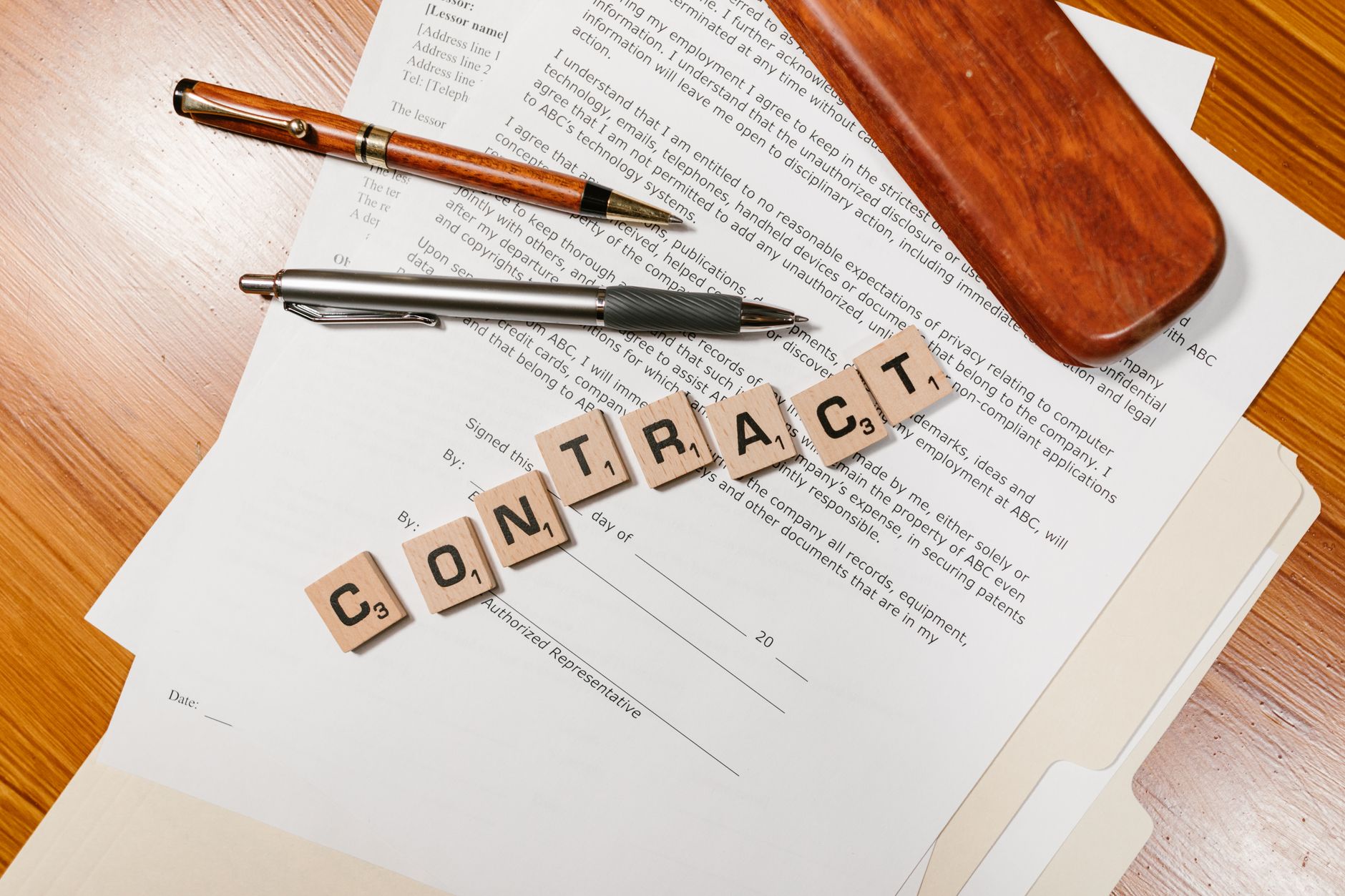
Quick Answer: To verify load board postings and protect your MC from fraud in 2025, rigorously check MC numbers via FMCSA SAFER, cross-reference contact details, scrutinize rate confirmations for discrepancies, and confirm direct shipper relationships, especially for unusually high-paying loads. Implement a 7-point verification checklist to proactively identify double brokering, identity theft, and ghost broker scams.
It's 10 PM, you're parked at a truck stop in Arizona after an 11-hour run, scrolling a load board for a backhaul to avoid an empty return. You spot a high-paying load, a golden ticket out of deadhead miles. But a nagging doubt creeps in: the broker’s MC looks suspiciously new, or the contact number doesn't quite match their listed profile. This isn't just a missed opportunity; it’s a potential $2,500 hit from deadhead miles, wasted time, and the looming threat of non-payment or worse, identity theft.
The Staggering Cost of Load Board Fraud to Owner-Operators
As an owner-operator, your MC number is your business, your livelihood. Fraud on load boards isn’t just about losing a single load; it's a systemic threat that can cripple your cash flow, damage your reputation, and even jeopardize your operating authority. In 2023, the Transportation Intermediaries Association (TIA) reported a 32% increase in reported double brokering incidents, costing carriers an average of $12,000 annually in lost revenue from unpaid invoices and fuel expenses. This doesn't even account for the opportunity cost of chasing fraudulent payments instead of hauling legitimate freight.
"According to industry analysis, 1 in 10 carriers unknowingly falls victim to some form of load board fraud each year, predominantly double brokering schemes or identity theft using stolen MC numbers."
The root cause? A combination of desperation for quality loads, particularly when fuel prices spike, and increasingly sophisticated scam tactics. Many owner-operators, focused on HOS regulations and tight delivery windows, often rush the vetting process, making them prime targets. They fail to understand that a quick background check can save them weeks of legal headaches and thousands in unforeseen costs, not to mention avoiding compliance issues with 49 CFR Part 371.
Your 7-Point Load Board Scam Verification Checklist for 2025
Don't just scroll and click. Every load you consider needs a rigorous audit. This checklist is your shield against the most prevalent load board scams in 2025, designed from years of watching good carriers get burned.
1. Verify the MC Number & Operating Authority Immediately
Before any conversation, before you even consider rates, confirm the broker's or carrier's operating authority. This is your first and most critical defense. If you skip this, you might be dealing with a ghost broker or a stolen identity.
- Access FMCSA SAFER: Go to the FMCSA SAFER Company Snapshot tool. Enter the MC number.
- Check for Active Authority: Ensure the authority status is "Active." If it's "Inactive," "Revoked," or "Pending," walk away immediately.
- Verify Company Details: Match the company name, address, and phone number on SAFER with the load board posting and any communication you've received. Discrepancies are a major red flag.
- Review Safety Record: While on SAFER, glance at their safety rating. A "Conditional" or "Unsatisfactory" rating suggests potential reliability issues, even if not outright fraud.
Consequence of Skipping: You risk hauling a load for an unlicensed entity, leaving you with no recourse for payment, and potentially facing legal issues for operating outside compliant channels. I once saw a carrier lose $4,500 on a cross-country reefer load because they didn't check; the MC was revoked 3 months prior.
2. Cross-Reference All Contact Information
Scammers often use burner phones and free email addresses. A legitimate freight professional will have consistent, professional contact details.
- Validate Phone Numbers: Call the number listed on SAFER. Then, call the number provided by the load poster. Do they match? If not, ask why.
- Inspect Email Domains: Legitimate brokers and logistics companies use corporate email addresses (e.g., @brokerco.com), not generic ones like @gmail.com or @outlook.com. An @gmail.com address from a supposed multi-million dollar brokerage is a massive red flag that screams identity theft.
- Check Website Presence: Search for the company's official website. Does it look professional? Are the contact details on the website consistent with what's provided? Look for an "About Us" page and employee listings.
Consequence of Skipping: You might be communicating with someone impersonating a legitimate company, leading to stolen load information or even phishing attempts to gain access to your digital assets. This is how many identity theft schemes begin, often resulting in legal battles over who is responsible for the freight.
3. Identify Red Flags in the Load Posting Itself
Fraudulent load postings often have common characteristics that experienced eyes can spot instantly.
- Unrealistically High Rates: If a load is paying $5.50/mile for a dry van when the market average is $2.80/mile, question it. Scammers use inflated rates to hook desperate carriers.
- Vague Details & Urgent Demands: Lack of specific pickup/delivery instructions, unclear commodity details, or excessive pressure to "book now or lose it" are warning signs.
- Payment Terms: Be wary of upfront payment requests or unusually long payment terms without a clear, verifiable reason. Standard is often 15-30 days, or quick pay for a fee.
- "Instant" Booking: While some platforms offer instant booking, be cautious if this bypasses any verification steps or direct communication.
Consequence of Skipping: You might end up hauling a load for a rate that was never intended to be paid, or discover the load doesn't exist upon arrival, leaving you with empty miles and wasted fuel, which currently hovers around $4.00 per gallon nationally, adding significant cost to an empty run.
4. Due Diligence on Payment History & Creditworthiness
Even legitimate brokers can have poor payment practices. Don't let their financial issues become yours.
- Utilize Credit Reporting Services: Services like DAT BrokerCheck or TransCredit provide broker credit scores and payment histories. A low score or a high Days-to-Pay (DTP) average (e.g., 60+ days) is a sign to proceed with extreme caution.
- Factor Your Freight: If you use a factoring company, they often have internal lists of problematic brokers or require specific verification steps before funding. Leverage their expertise.
- Check Industry Forums: Websites and forums like Truckers Report often have sections where drivers share experiences with brokers, both good and bad. Look for consistent complaints about non-payment or fraudulent activities.
Consequence of Skipping: You could spend weeks chasing payment for a delivered load, incurring significant administrative costs and disrupting your cash flow. One owner-operator I mentored lost $8,000 on a load simply because the broker filed bankruptcy two days after delivery; a quick credit check would have flagged their precarious financial state.
5. Guard Against Double Brokering Schemes
This is arguably the most insidious scam because it often involves otherwise legitimate entities. Double brokering occurs when a broker or carrier gives your load to another carrier without the original shipper's knowledge, often resulting in non-payment or legal disputes over who is responsible for the freight.
- Examine Rate Confirmations Closely: Compare the shipper's name and details on the rate confirmation with what you were initially told. If the shipper name is different, or if there's an unusually complex chain of billing entities, probe deeper.
- Direct Shipper Contact (If Possible): While not always feasible due to confidentiality, if you have any doubts, try to independently verify the load with the shipper if their contact information is publicly available (e.g., on a bill of lading).
- Beware of "Blind" Shipments: If a broker insists on a "blind" shipment where you cannot reveal the original shipper or receiver, it's a potential sign of double brokering. This can violate the Carmack Amendment if not handled correctly.
- Communicate Directly with Dispatcher/Broker: Ensure you are talking directly to the person who originated the load, not a third party acting as an intermediary without proper authorization. For faster, more secure load finding, many carriers trust a digital freight marketplace like Loadly where loads are directly posted by vetted shippers and brokers, minimizing intermediary risks.
Consequence of Skipping: You risk not getting paid because the original broker or shipper claims they never contracted with you. Furthermore, if anything goes wrong with the load, you could be caught in a legal battle between multiple parties, facing fines and even cargo claims that could be in the tens of thousands.
6. Implement Digital Identity Security Measures
Your online presence is a target. Scammers can steal your MC number and authority, then use it to post fraudulent loads or impersonate you.
- Strong, Unique Passwords: Use complex, unique passwords for every load board, factoring company, and banking portal. Never reuse passwords.
- Two-Factor Authentication (2FA): Enable 2FA wherever possible. This adds an extra layer of security, requiring a code from your phone in addition to your password.
- Regularly Monitor Your MC: Periodically check your MC status on FMCSA SAFER to ensure no unauthorized changes have been made to your operating authority.
- Beware of Phishing: Never click on suspicious links in emails or texts, especially those asking for login credentials or personal information.
Consequence of Skipping: Identity theft can lead to your MC number being used for fraudulent loads, putting you at risk of non-payment liabilities, fines, and a damaged reputation that can take years to rebuild. Imagine getting a call from a shipper demanding payment for a load you never hauled.
7. Trust Your Gut and Know When to Walk Away
After years on the road, your intuition is a powerful tool. Don't ignore it.
- Unusual Pressure: If you feel pressured into making a quick decision, or if the broker is overly aggressive, it's a red flag. Legitimate deals allow for proper vetting.
- Lack of Professionalism: Sloppy communication, delayed responses to critical questions, or a general air of disorganization should make you wary.
- "Too Good to Be True" Rates: While you're always looking for high-paying freight, remember that rates that seem unrealistically good often are. They are a common lure for scams.
- No Written Confirmation: Always demand a written rate confirmation before dispatching a truck. Verbal agreements mean nothing when it comes to disputes.
Consequence of Skipping: You might find yourself in an unwinnable situation, committed to a load that is fraudulent, puts your assets at risk, or will simply never pay. Sometimes, the best load is the one you don't take.
| Verification Method | Benefit (Protecting Your MC) | Risk of Skipping (Quantified) |
|---|---|---|
| FMCSA SAFER Check | Confirms legitimate, active authority. | $4,500+ potential loss from unlicensed operations. |
| Contact Info Cross-Reference | Ensures communication with true company. | Identity theft, phishing attempts, lost cargo liability. |
| Load Posting Red Flag Audit | Avoids ghost loads & rate manipulation. | $1,500+ in deadhead miles for non-existent freight. |
| Broker Credit Check | Verifies financial stability & payment history. | $8,000+ in unpaid invoices, collection fees. |
| Double Brokering Scrutiny | Confirms direct contract, avoids legal battles. | $10,000+ in cargo claims, legal fees, non-payment. |
| Digital Security Measures | Protects MC number from identity theft. | Reputation damage, unauthorized load liability. |
| Intuition & Pressure Test | Avoids high-risk, low-reward engagements. | Unquantifiable stress, operational disruption. |
Key Takeaways
- Always perform an immediate FMCSA SAFER check on any new broker or carrier MC number.
- Cross-reference all contact details; generic emails and mismatched phone numbers are major red flags.
- Be suspicious of unusually high rates or excessive pressure to book a load quickly.
- Utilize credit reporting services like DAT BrokerCheck to assess a broker's payment history.
- Scrutinize rate confirmations for any signs of double brokering, especially differing shipper names.
- Secure your digital identity with strong passwords and 2FA to prevent MC number theft.
- Trust your gut feeling; if a deal seems too good to be true or feels off, walk away.
- Proactive verification can save your business thousands of dollars and countless headaches annually.
Frequently Asked Questions
How much does double brokering typically cost an owner-operator?
Double brokering can cost an owner-operator an average of $12,000 annually in lost revenue, fuel costs for unpaid loads, and potential legal fees. This doesn't include the time spent chasing payments and the reputational damage if a load goes awry.
What is the most effective way to verify a broker's legitimacy on a load board?
The most effective way to verify a broker's legitimacy is to perform an immediate FMCSA SAFER Company Snapshot search using their MC number. This confirms their active operating authority, registered address, and safety record, which should then be cross-referenced with their load board profile and communications.
Can I get my MC number stolen, and how do I prevent it?
Yes, MC numbers can be stolen and used by fraudsters to post fake loads or impersonate legitimate carriers. To prevent this, use strong, unique passwords and two-factor authentication (2FA) on all your online accounts, monitor your MC status on FMCSA SAFER periodically, and be vigilant against phishing emails.
What are the red flags of a fraudulent load posting?
Key red flags of a fraudulent load posting include rates that are unrealistically high compared to market averages, vague load details or urgent demands to book immediately, requests for upfront payments or unusually long payment terms, and generic email addresses (e.g., @gmail.com) for a supposed brokerage.
When should an owner-operator walk away from a load board deal?
An owner-operator should walk away from a load board deal if their gut instinct signals something is off, if there's undue pressure to book quickly, if the broker's communication is unprofessional or evasive, or if any verification step (like MC number or contact info checks) reveals inconsistencies or red flags that cannot be satisfactorily explained.
Protect Your MC: The Future of Load Board Scam Verification is Proactive
In a landscape where empty return miles and rising fuel costs already squeeze your margins, the last thing your MC needs is to fall victim to fraud. This 7-point checklist isn't just a guide; it's a battle plan for staying profitable and protected in 2025. By embedding these rigorous verification steps into your daily operations, you're not just avoiding scams; you're building a more resilient, trustworthy business. Don't let the bad actors win. Take control of your freight, verify every opportunity, and secure your future. Ready to find vetted loads and streamline your operations? Register for Loadly today and connect with trusted partners.