Quick Answer: IoT cold chain monitoring leverages sensors and real-time data to track temperature, humidity, and location of perishable goods throughout transit, preventing spoilage, ensuring regulatory compliance, and reducing operational costs. By providing immediate alerts and actionable insights, it empowers cold chain specialists to proactively address temperature excursions and optimize logistics, protecting sensitive cargo from farm to fork and avoiding costly fines in 2025.
Just last year, a single reefer breakdown on I-80 cost a Midwest produce distributor nearly $85,000 in spoiled strawberries, compounded by a $12,000 penalty for non-compliance with FSMA traceability rules. This isn't an isolated incident; it's a daily reality for cold chain specialists who rely on outdated manual checks. In 2025, if your reefer cargo isn't monitored by a connected IoT system, you're not just risking a load—you're gambling with your entire operation's profitability and reputation.
The Silent Killer: How Temperature Excursions Decimate Your Margins
As someone who's spent 15 years on every side of a cold chain shipment, I've seen firsthand how quickly a single temperature excursion can turn a profitable load into a costly liability. Most operators focus solely on the manifest value of the cargo lost, but that’s just the tip of the iceberg. The true costs spiral: rejected loads mean expensive disposal, potential re-delivery or re-consignment fees, increased insurance premiums for future shipments, and crucially, damage to your customer relationships. I’ve seen owner-operators face $1,800 in detention fees because a reefer failure delayed unloading and required re-inspection, on top of the spoiled product.
What most professionals miss is the cumulative financial drain of ‘near misses.’ Your reefer unit might be running on high for an extra four hours daily, burning excess fuel at $3.80/gallon just to keep a marginal temperature, barely saving the load. That’s an additional 6 gallons of diesel daily, amounting to over $7,000 annually per truck in unnecessary fuel expenses, even if the cargo avoids outright spoilage. Manual log checks, often done every 4-6 hours, provide only snapshots, leaving critical gaps where temperatures can drift dangerously. This is where millions are silently bled from cold chain operations.
According to a 2023 Food Logistics report, global food waste due to supply chain inefficiencies exceeds $400 billion annually, with inadequate temperature controls during transit being a primary contributor to over 30% of perishable goods waste.
Beyond the Thermometer: The True Cost of Compliance Failures
In 2025, operating a cold chain without robust, verifiable temperature data isn't just risky; it's a regulatory minefield. The Food Safety Modernization Act (FSMA) in the U.S. and the Agreement on the International Carriage of Perishable Foodstuffs (ATP) for cross-border routes demand more than just 'good intentions.' Regulators, particularly the FDA and state departments of agriculture, are aggressively enforcing rules like FSMA's Sanitary Transportation of Human and Animal Food (21 CFR Part 1, Subpart O).
I've personally witnessed carriers get hit with fines up to $15,000 per incident for lacking auditable temperature logs, even when the product was technically salvageable. Repeated offenses can trigger costly product recalls, costing manufacturers upwards of $10 million and potentially blacklisting a carrier from lucrative contracts. Many small-to-medium carriers mistakenly believe ATP certification only applies to Europe. However, states like California are adopting similar stringent domestic standards for highly perishable goods, often catching unprepared carriers off guard during roadside inspections. Without an immutable digital audit trail, you're vulnerable, facing not just financial penalties but irreparable damage to your market access and reputation.
The FDA issues an average of 1,200 warning letters annually related to food safety violations, with a significant portion stemming from inadequate temperature monitoring and control during transportation, according to their 2022 enforcement data.
Real-Time Reefer Monitoring: Slash Spoilage & Boost Delivery Reliability
The solution isn't just more data; it's actionable real-time insights. An effective IoT cold chain monitoring system moves beyond reactive fixes to proactive prevention. This means deploying smart sensors that continuously monitor temperature, humidity, and even door open/close events, transmitting that data instantly via cellular networks to a cloud platform. You can configure granular alert thresholds—say, 38°F for fresh produce, -10°F for frozen goods—that trigger immediate notifications to the right personnel.
Here’s the insider trick most systems don't highlight: implement a staged alert escalation path. Don't just ping the driver. Set it so if a temperature excursion persists for 10 minutes, dispatch gets an SMS. If it hits 20 minutes, the operations manager receives an email. After 30 minutes, an automated call goes to a senior supervisor. This small detail prevents catastrophic loss when a driver is on a mandatory break or simply unable to respond immediately. Carriers who adopt such systems report a 28% reduction in temperature deviation incidents and a 15% decrease in cargo claims, directly translating to stronger customer relationships and reduced insurance premiums.
Automated Compliance Reporting: Streamline ATP & FSMA Audits with IoT Data
For cold chain specialists, the phrase 'regulatory audit' often conjures images of endless paperwork and stressed out compliance managers. This is where IoT cold chain monitoring becomes an indispensable asset. Beyond just preventing spoilage, these systems are designed to generate immutable, audit-ready reports that satisfy the most stringent regulatory bodies, including FDA and international ATP requirements.
Instead of manually compiling paper logs—which are notoriously prone to error or even deliberate falsification—an IoT system automatically logs every temperature point, GPS coordinate, and time stamp, storing it securely in the cloud. When an auditor calls, you're not scrambling; you're generating a comprehensive, tamper-proof report with a few clicks. This digital trail includes proof of calibration for your sensors, data integrity checks, and a clear chain of custody for temperature records. Freight professionals consistently tell us that IoT-driven audit reports can reduce audit preparation time by up to 75%, freeing up over 40 man-hours annually for larger fleets and drastically reducing the risk of a non-compliance penalty. This not only avoids fines but also builds an unimpeachable reputation for reliability and adherence to the highest standards.
IoT Reefer Fuel Optimization: Cut Costs & Boost Unit Longevity
Beyond preventing spoilage and ensuring compliance, IoT cold chain monitoring unlocks significant operational efficiencies, particularly in fuel consumption and maintenance. I've been in countless truck stops where operators just run their reefers on 'continuous run' out of habit or fear. IoT data often reveals this is overkill for specific cargo types or ambient conditions, leading to massive fuel waste.
A smart IoT system monitors not just the trailer's internal temperature but also external ambient conditions, engine hours, and reefer error codes. By analyzing this data, you can transition units from continuous run to more efficient 'cycle-sentry' or 'start/stop' modes, often without compromising temperature stability. This optimization can lead to 7-12% fuel savings per unit annually, translating to $2,500-$4,000 per truck depending on mileage and operational profile. Furthermore, the system provides predictive maintenance alerts based on engine hours and diagnostic codes, identifying potential issues like a faulty sensor or low refrigerant before they escalate into costly roadside breakdowns. Catching a failing compressor early can save you $3,000-$5,000 in emergency repairs and prevent a load from spoiling due to unexpected downtime.
Integrating IoT with TMS & ELD: Unifying Your Cold Chain Operations
The real power of IoT cold chain monitoring isn't just in the data itself, but in how it integrates with your existing operational ecosystem. A standalone temperature monitoring system is a good start, but a fully integrated telematics platform—one that combines IoT reefer data with your Transportation Management System (TMS) and Electronic Logging Device (ELD) data—is a game-changer. This creates a unified 'single pane of glass' view of your entire cold chain operation.
Imagine dispatchers seeing not just a truck's location, but also its reefer's exact temperature, fuel level, and any active error codes, all on the same screen as their ELD compliance status and load details. This allows for dynamic load matching based on actual reefer availability and condition, preventing a critical cold load from being assigned to a unit with a known cooling issue. This synergy also automates pre-trip inspections by flagging potential reefer problems before a truck even leaves the yard, reducing manual data entry errors by 35% and improving overall on-time delivery rates for cold chain by 4.7%. Such integration isn’t just about efficiency; it’s about making smarter, faster, and more profitable decisions with every shipment.
| Feature | Basic Data Loggers | Dedicated Reefer IoT | Integrated Telematics Platform (e.g., Loadly) |
|---|---|---|---|
| Real-time Temperature Alerts | No (Post-trip download) | Yes (SMS/Email) | Yes (SMS/Email/In-app/Dispatch) |
| GPS Tracking & Geo-fencing | Limited/None | Basic | Advanced, with route optimization |
| Automated Compliance Reporting (FSMA/ATP) | Manual data compilation | Automated, standalone reports | Automated, integrated with load docs |
| Reefer Unit Diagnostics & Fuel Monitoring | None | Basic (Run hours, temp) | Comprehensive (Fuel burn, predictive maintenance, error codes) |
| Integration with TMS/ELD | None | Limited APIs | Seamless, native integration |
| Typical Monthly Cost per Unit | $0-5 (one-time purchase for logger) | $25-45 | $40-70 (often bundled with other services) |
Key Takeaways
- Proactive IoT monitoring slashes spoilage risk by 28% and cuts cargo claims by 15%, directly boosting your cold chain profitability.
- Automated IoT documentation can reduce FSMA/ATP audit preparation by up to 75%, saving critical time and avoiding hefty compliance fines.
- Optimize reefer fuel consumption by 7-12% annually per unit (up to $4,000 in savings) through IoT-driven run-time analytics.
- Implement alert escalation paths; don't rely solely on the driver for critical temperature deviation responses – dispatch and ops managers need notifications too.
- Challenge the 'continuous run' default for reefers; IoT data frequently shows 'cycle-sentry' is more fuel-efficient and sufficient for many cargo types, saving gallons daily.
- An integrated telematics platform unifies reefer data with TMS/ELD, improving operational efficiency by reducing manual data errors by 35% and enhancing load matching.
- Consider the cumulative cost of 'near misses'—excessive fuel burn to maintain temperature is still a significant, often overlooked, financial drain on your margins.
- Regulatory scrutiny for cold chain logistics is increasing; digital, tamper-proof IoT data is becoming a baseline expectation for auditors for both domestic and international compliance.
Frequently Asked Questions
What is IoT cold chain monitoring?
IoT cold chain monitoring uses internet-connected sensors to continuously track environmental conditions like temperature, humidity, and location of perishable goods during transport and storage. This real-time data is transmitted to a central platform, allowing for immediate alerts and proactive management of potential issues. It's crucial for maintaining product integrity and adhering to regulatory standards, providing a constant digital audit trail of your cold chain integrity.
How much can IoT cold chain monitoring save my operation?
Implementing IoT cold chain monitoring can generate significant savings, typically reducing cargo spoilage by 20-30% and cutting reefer fuel costs by 7-12% annually per truck. Beyond direct savings, it minimizes compliance fines (up to $15,000 per FSMA violation), lowers insurance premiums by reducing claims, and vastly improves customer satisfaction by preventing compromised deliveries. The average return on investment for an IoT system is often seen within 12-18 months, making it a critical investment for profitability in 2025.
When should I implement real-time IoT monitoring over traditional data loggers?
You should switch to real-time IoT monitoring if your cargo is high-value, extremely temperature-sensitive, or subject to stringent regulatory requirements like FSMA or ATP. While traditional data loggers provide only post-trip data, real-time systems enable immediate intervention during a temperature excursion, preventing total cargo loss and enabling remote adjustments. This proactive capability is indispensable for pharmaceuticals, fresh produce, certain chemicals, and high-value seafood where even minor deviations can lead to significant financial and reputational damage.
What are the key components of an IoT cold chain monitoring system?
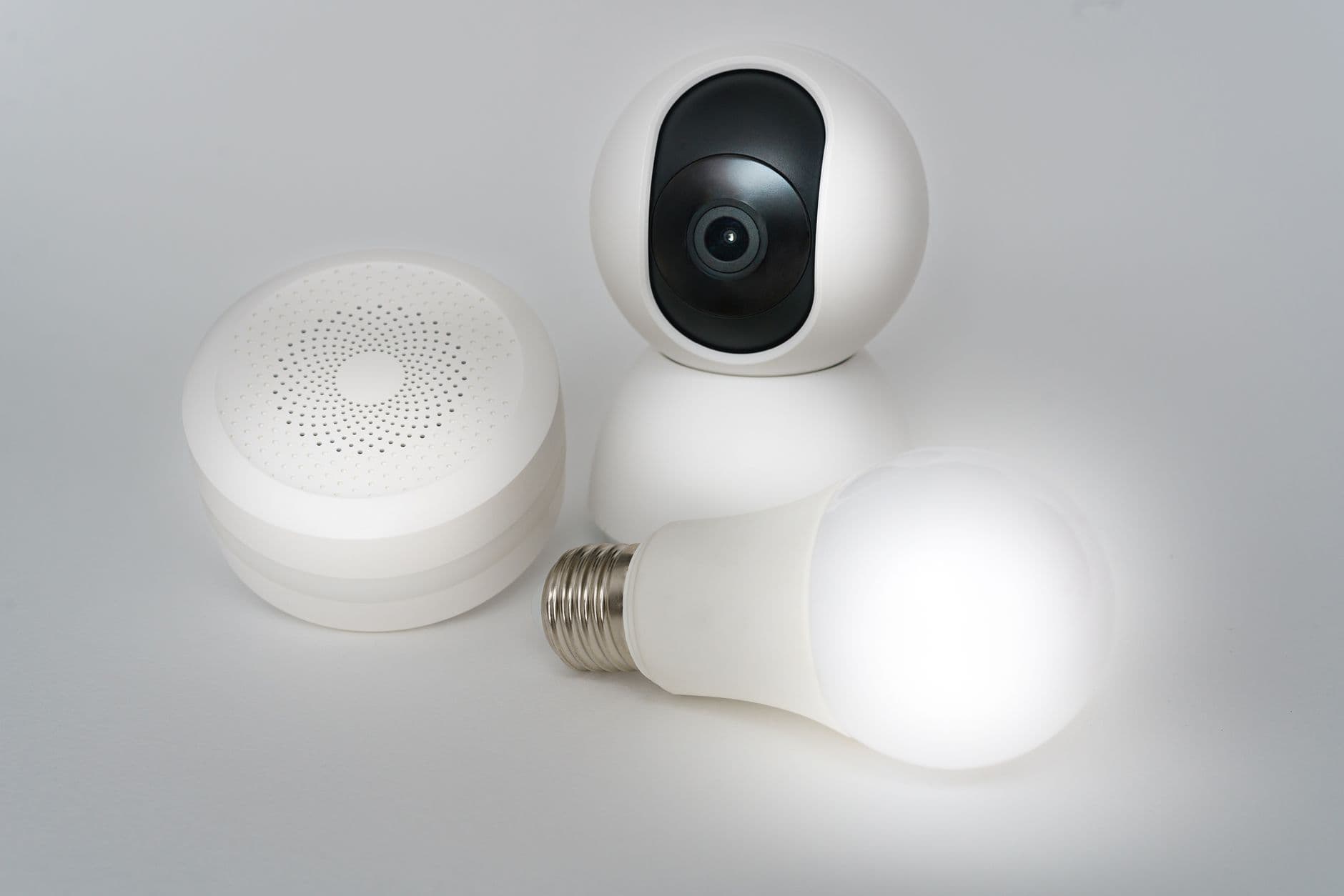
A complete IoT cold chain monitoring system consists of several key components: sensors (temperature, humidity, door open/close, light), gateways (collect data from sensors and transmit it), reliable connectivity (cellular, satellite, or Wi-Fi), a robust cloud-based platform (for secure data storage, advanced analytics, and automated reporting), and an intuitive user interface (web or mobile application for real-time monitoring, alerts, and historical data access). Some advanced systems also include predictive analytics capabilities and seamless integration with existing TMS or ELD platforms for a unified operational view.
Does IoT monitoring help with ATP certification for international cold chain routes?
Absolutely. IoT cold chain monitoring significantly streamlines the ATP certification process by providing an immutable, digitally timestamped record of continuous temperature control throughout the entire international journey. This detailed data is critical for demonstrating strict compliance with the Agreement on the International Carriage of Perishable Foodstuffs and on the Special Equipment to be Used for Such Carriage. Automated reports generated by IoT platforms can quickly satisfy auditor requirements, avoiding the manual data collection and potential discrepancies associated with paper logs, making international compliance much more robust, transparent, and efficient, safeguarding your ability to transport goods across borders.
Seamless IoT Cold Chain Monitoring with Loadly
The stakes in cold chain logistics have never been higher. Relying on outdated methods is no longer a viable option when millions in perishable goods and your hard-earned reputation are on the line. As an owner-operator who’s faced the brutal reality of a malfunctioning reefer at 2 AM on a desolate highway, I can tell you that peace of mind comes from knowing exactly what's happening inside that trailer, right now. This isn't just about preventing spoilage; it's about optimizing every facet of your reefer operation for maximum efficiency and compliance.
Loadly understands these challenges because we've lived them. Our integrated platform connects real-time IoT cold chain data directly with your dispatch, ELD, and compliance workflows. Imagine, no more juggling multiple apps – just one dashboard telling you the precise temperature of every reefer, alerting you to potential issues before they become catastrophic losses, and automatically generating the audit-ready reports you need. It’s the kind of proactive insight that keeps your trucks moving profitably and your cargo protected, ensuring you're not just surviving, but thriving in the complex landscape of 2025 cold chain logistics. Ready to see how real-time insights can transform your reefer operations? Explore Loadly's IoT solutions today.