Quick Answer: The Harmonized Tariff Schedule (HTS) is a global classification system for traded goods, crucial for determining import duties and ensuring customs compliance. Mastering the 2025 HTS updates and employing strategic classification techniques will enable importers, exporters, and manufacturers to accurately calculate duties, avoid costly fines and delays, and unlock significant savings by leveraging preferential trade programs.
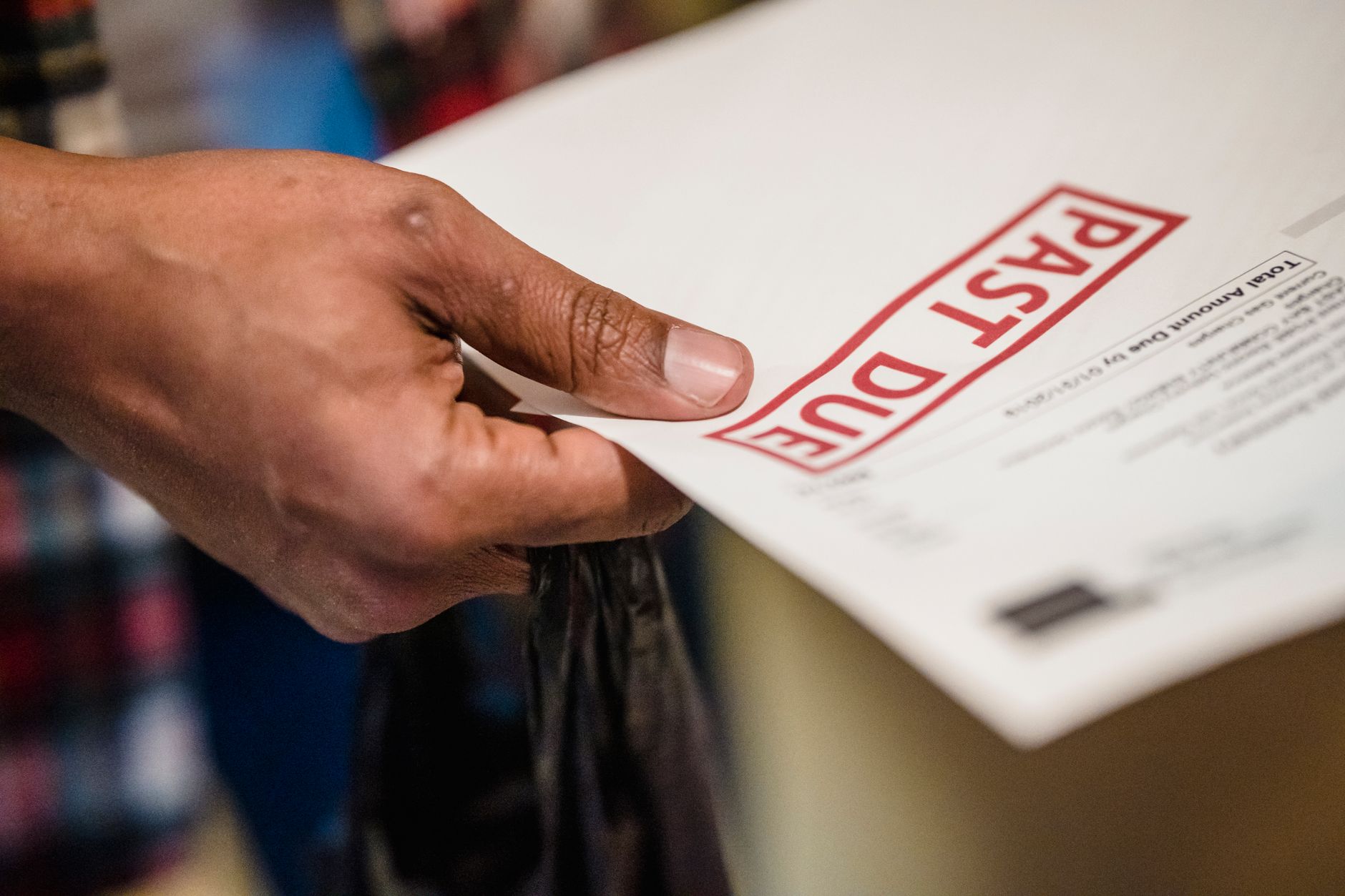
You’re staring at a $12,000 customs fine for a misclassified shipment of components, holding up your entire production line. Or maybe it’s the $800 daily demurrage charge at the port for a pallet of widgets stuck in customs limbo, all because of a single digit error in your Harmonized Tariff Schedule (HTS) code. These aren't isolated incidents; they're the silent killers of profit margins for countless importers right now. Your ability to navigate the 2025 Harmonized Tariff Schedule isn't just about compliance; it's about survival in a volatile global supply chain.
Why HTS Misclassification Costs You Thousands (And What Most Miss)
The Harmonized Tariff Schedule is a labyrinth of over 17,000 unique 10-digit codes in the U.S., constantly evolving to reflect new products, technologies, and trade agreements. For many importers, assigning these codes feels like a guessing game, or worse, an afterthought. But this complexity isn't an excuse for error; it's a call for precision. The costs of getting it wrong extend far beyond the immediate duty rate.
When I was a logistics manager, I saw companies bleed cash from HTS errors. Beyond the obvious duty underpayment, the penalties for negligence can be up to $10,000 per violation. Add to that storage fees that average $75-$150 per container per day at major ports, demurrage, and the devastating impact of lost sales and damaged customer relationships. It's a compounding problem that can erode years of profit in a single quarter.
"According to U.S. Customs and Border Protection (CBP), misclassification is a top 5 reason for audit discrepancies, accounting for 28% of all compliance violations detected in 2023."
What most professionals miss is the *cascading effect* of even a minor HTS error. It's not just the immediate duty impact. A single misplaced digit can inadvertently trigger anti-dumping duties, countervailing duties, or subject your goods to partner government agency (PGA) requirements you didn't anticipate. For example, changing a code from a general industrial component to a specific chemical precursor could subject your entire shipment to Environmental Protection Agency (EPA) review, adding weeks of delay and thousands in testing costs, all for a product that doesn't even contain the chemical.
The Real Supply Chain Impact of HTS Code Errors
In today's just-in-time supply chains, speed and reliability are paramount. HTS code errors are the ultimate disruptor. Incorrect classification is a red flag for customs, leading directly to holds, examinations, and thorough documentation reviews. These aren't just minor inconveniences; they are choke points that can stall your entire operation.
Based on data from thousands of Loadly shipments and industry reports, an average HTS-related customs hold adds 3 to 7 days to transit time. This translates to an estimated $500 to $1,500 per container in storage and demurrage fees at major U.S. ports like LA/Long Beach and New York/New Jersey in 2024. Multiply that by dozens or hundreds of containers annually, and you're looking at a seven-figure hit to your bottom line, not including lost sales or expedited shipping to compensate.
"Research published by the Council of Supply Chain Management Professionals (CSCMP) in 2022 indicated that supply chain disruptions attributed to customs compliance issues, including HTS errors, cost the average mid-sized importer an additional 1.5% of their total landed cost annually."
Freight professionals consistently tell us that many importers focus solely on the duty rate. However, the real killer is often the *lost opportunity cost* and damaged carrier relationships. When your shipment is stuck at the port due to HTS errors, it ties up a carrier's equipment and impacts their carefully planned schedules. This makes them less likely to prioritize your next load, potentially leading to higher spot rates or even outright refusal of service during peak seasons. This isn't just about money; it's about reliable partnerships that keep your goods moving.
Decoding the 2025 Harmonized Tariff Schedule: Key Updates & How to Prepare
The 2025 updates to the Harmonized Tariff Schedule aren't just minor tweaks; they reflect significant global trade shifts, emerging technologies, and new environmental considerations. Proactive analysis of these changes is absolutely non-negotiable for maintaining compliance and optimizing your duty spend. The World Customs Organization (WCO) initiates these revisions, which are then adopted by individual nations. Failing to prepare means reacting under pressure, which inevitably leads to errors.
To navigate the 2025 changes effectively, follow a disciplined, multi-stage approach:
- Monitor WCO & National Announcements Aggressively: Don't wait for a press release. Subscribe directly to the U.S. Customs and Border Protection (CBP) Cargo Systems Messaging Service (CSMS) updates. These provide the earliest and most authoritative information regarding HTS revisions specific to U.S. imports. Generic news feeds are too slow.
- Identify High-Impact Codes Now: Create a "duty exposure matrix" focusing on your top 20% of SKUs by import volume and value. These are the items where classification changes will have the most significant financial impact. Prioritize these for deep-dive analysis.
- Cross-Reference with Internal Databases: Map your current HTS assignments against the proposed 2025 changes as they become available. Pay particular attention to full chapter or heading revisions, not just subtle sub-heading adjustments. These often signal a complete re-evaluation of product categories.
- Engage with Customs Brokers Early: Don't wait until the fourth quarter. A good customs broker, especially one specializing in your industry, will be analyzing these amendments well in advance. They can provide preliminary impact assessments and help you strategize before the changes take effect.
"The World Customs Organization (WCO) projects an average of 4-6% of HTS headings will see modifications in each five-year review cycle, with 2025 expected to include significant updates for 'green' technologies, electric vehicle components, and specific digital goods
Most companies react to HTS changes once they’re implemented. The real pros, however, proactively analyze the WCO Harmonized System Nomenclature (HSN) amendments *before* they even become national law. This allows you to forecast potential duty impacts 12 to 18 months out, giving you ample time to adjust sourcing strategies, product formulations, or even negotiate new supplier terms to mitigate increased costs.
Strategic Classification: Beyond the Basics to Reduce Duty Spend
Accurate HTS classification isn't just about avoiding penalties; it's a strategic cost-saving lever that far too many importers underutilize. By meticulously classifying your goods, you can unlock opportunities to significantly reduce your duty spend, often moving from a high-duty category to a lower or even duty-free one through legitimate means.
Here’s how to go beyond basic compliance:
- Master the General Rules of Interpretation (GRIs): These six rules are the legally binding framework for HTS classification. They are not suggestions; they are the law. GRI 1, which states classification is determined by the terms of the headings and relative section or chapter notes, is paramount. Many importers jump straight to product descriptions without fully understanding the GRIs, leading to avoidable errors.
- Request Binding Rulings: For ambiguous, high-value, or frequently imported items, don't guess. A CBP binding ruling (CBP Form 732) provides legal certainty from CBP itself. This process, which costs a few hundred dollars per ruling, can save tens of thousands in duties and potential fines by providing an official classification that you can rely on during audits.
- Explore Special Trade Programs and Free Trade Agreements (FTAs): Programs like the U.S.-Mexico-Canada Agreement (USMCA), Generalized System of Preferences (GSP), and other bilateral FTAs can slash duties to zero or significantly reduce them. However, eligibility is heavily dependent on precise HTS codes and strict Rules of Origin criteria. Often, a slight change in manufacturing origin or component sourcing, documented correctly with the right HTS, can make an item duty-free.
- Regular Internal & External Audits: Your products evolve, and so do regulations. Don't classify once and forget about it. Implement an annual internal review of your top 100 HTS codes, and consider having an independent customs expert conduct an external audit every two to three years.
The biggest mistake I consistently observe is treating "materiality" incorrectly. Importers often only focus on classifying their most expensive goods with perfect precision. However, a *large volume* of low-value, consistently misclassified items can accumulate more duty and fine exposure over time than a single high-value item that might be classified incorrectly once. Implement automated classification for the high-volume, low-value items but ensure periodic, human-expert review. Once your classifications are ironclad, sourcing and shipping becomes a competitive advantage. Loadly helps you leverage this by connecting you with trusted carriers who understand the nuances of international freight, allowing you to browse live LTL loads near you and secure optimal rates for your duty-optimized shipments.
Leveraging Technology & Expertise for HTS Compliance
In today's trade environment, manual HTS classification is a relic that exposes your business to unacceptable risks and inefficiencies. Modern importers are moving beyond spreadsheets, leveraging artificial intelligence (AI), specialized software, and expert customs brokers to maintain ironclad compliance and streamline their operations. This isn't an expense; it's an investment with a rapid return.
Classification software utilizes sophisticated algorithms and extensive trade databases to suggest HTS codes based on detailed product descriptions, component lists, and even images. These tools act as a powerful first line of defense, reducing human error and significantly speeding up the classification process. However, technology alone isn't enough; it must be augmented by human expertise, particularly from seasoned customs brokers who act as your shield against regulatory pitfalls.
- Automated Classification Tools: Solutions like Descartes' CustomsInfo, Amber Road's Global Trade Management suite, or even AI-powered classification modules from companies like Expeditors provide extensive databases, regulatory updates, and AI-powered suggestions. Expect to pay $500-$2000 per month for enterprise-level access, but for importers with 500+ SKUs, the typical ROI is achieved in under 6 months through error reduction and duty optimization.
- Partner with a Specialized Customs Broker: Don't just pick the cheapest broker. Look for firms with specific industry expertise (e.g., chemicals, electronics, textiles) and a proven track record of successfully obtaining binding rulings and navigating complex trade programs. They are an extension of your compliance team.
- Invest in Internal Training: Even with technology and brokers, your internal team needs a foundational understanding of HTS principles. A focused online course (typically $500-$1,500 per person) can equip your staff to ask the right questions, provide accurate product data, and prevent common errors that could otherwise lead to a $5,000 fine.
"Companies utilizing AI-driven trade compliance software report a 35% reduction in HTS classification errors and a 15% faster customs clearance process compared to manual methods, leading to an average of $2,300 in savings per container
Crucially, do not let your Enterprise Resource Planning (ERP) system be your sole source of truth for HTS codes. Many ERPs simply store *your* chosen HTS code; they do not validate it against regulatory changes or provide expert interpretation. Integrate dedicated classification software directly, or, better yet, rely on your customs broker's system of record for HTS assignments. This creates a single source of truth that is both dynamic and externally validated, protecting you from internal data decay.
Proactive Audit Preparedness: Your HTS Defense Strategy
Customs audits are not a punishment; they are a fact of life for any importer. Your level of preparedness, however, determines whether an audit becomes a minor inconvenience or a major liability that can halt operations and incur substantial fines. A robust HTS defense strategy is built on meticulous documentation and a clear, demonstrable process.
Here’s how to build your HTS audit defense:
- Maintain Comprehensive Documentation: For every imported item, keep commercial invoices, packing lists, bills of material (BOMs), detailed product descriptions, technical specifications, and any internal classification justifications for a minimum of 5 years from the date of entry. This includes manufacturer declarations and origin certificates.
- Document Your Classification Logic: For every assigned HTS code, have a clear, written explanation of *why* that specific code was chosen. This documentation must reference the General Rules of Interpretation (GRIs), relevant Chapter Notes, Section Notes, and Explanatory Notes. This is your "audit trail" – it proves you had a reasonable basis for your classification.
- Respond Promptly and Professionally: If you receive a CBP audit notification or Request for Information (CBP Form 28/29), acknowledge it immediately. Provide *only* the requested information, not more, and ensure it is accurate and consistent. Engage your customs broker or legal counsel from day one; they are critical in managing the communication and scope of the audit.
- Regular Internal Reviews and Mock Audits: Don't wait for CBP to find your errors. Conduct your own internal mock audits annually. Have a team member (or an external consultant) act as a CBP auditor and challenge your classifications, documentation, and processes. This reveals weaknesses before they become costly liabilities.
"CBP audits frequently find that 60% of import documentation errors stem from insufficient or inaccurate product descriptions, directly impacting HTS classification accuracy and leading to an average increase of 1.2% in assessed duties during post-entry audits
The critical piece many importers overlook: *showing intent*. If you can demonstrate to CBP that you have a systematic, reasonable, and well-documented process for HTS classification – even if an error is eventually found – penalties are often significantly mitigated. It's not just about being right; it's about proving you *tried* to be right. This also includes meticulous records of all communications with your suppliers regarding product composition, manufacturing processes, and intended use.
Key Takeaways
- HTS misclassification is a leading cause of customs fines ($10,000+ per violation) and supply chain delays (3-7 days per hold).
- The 2025 Harmonized Tariff Schedule will include significant updates; proactive monitoring of WCO and CBP CSMS is essential.
- Mastering the General Rules of Interpretation (GRIs) and obtaining CBP Binding Rulings for ambiguous items provides legal certainty and prevents errors.
- Leverage Free Trade Agreements (FTAs) and special trade programs by ensuring precise HTS coding and documenting Rules of Origin.
- Automated classification tools can reduce HTS errors by up to 35%, but must be supported by expert customs brokers and internal training.
- Maintain a comprehensive audit trail for all HTS classifications, including detailed product documentation and documented classification logic for 5+ years.
- Conduct regular internal and external audits to identify and correct classification weaknesses before CBP does.
Frequently Asked Questions
What is the Harmonized Tariff Schedule (HTS)?
The Harmonized Tariff Schedule (HTS) is a 10-digit numerical system used by the U.S. to classify all imported goods. It determines the duty rates, collects trade statistics, and helps enforce import regulations. It is based on the international Harmonized System (HS) administered by the World Customs Organization (WCO).
How often does the HTS update?
The international Harmonized System (HS), upon which the HTS is based, is updated by the WCO every five years (with the next major revision in 2025). However, national HTS versions, like that of the U.S., can have interim changes to specific codes or duty rates throughout the year due to new legislation, trade agreements, or administrative decisions. You must monitor CBP updates.
What are the General Rules of Interpretation (GRIs) for HTS codes?
The General Rules of Interpretation (GRIs) are six legally binding principles that govern how products are classified under the Harmonized Tariff Schedule. They provide a hierarchical framework for determining the correct HTS code when an item could potentially fall under multiple headings or subheadings, ensuring consistent application of the schedule.
Can incorrect HTS codes lead to customs delays?
Yes, absolutely. Incorrect HTS codes are a primary cause of customs delays, holds, and examinations at the port of entry. These delays result in significant demurrage, storage fees, expedited shipping costs, and can severely disrupt production schedules and customer delivery commitments, costing importers thousands per incident.
What is a binding ruling from CBP and when should I request one?
A binding ruling is a written decision issued by U.S. Customs and Border Protection (CBP) that provides a definitive and legally binding classification for a specific product. You should request one for complex, high-value, or ambiguous goods where classification is uncertain, as it offers legal certainty and protects you from penalties during future audits.
How can I reduce import duties using HTS codes?
You can significantly reduce import duties by ensuring precise HTS classification, which can unlock eligibility for Free Trade Agreements (FTAs) or other special duty preference programs that reduce or eliminate duties. Additionally, proactive analysis of HTS changes and meticulous documentation can help you avoid costly misclassification penalties.
Master Your HTS, Master Your Supply Chain with Loadly
Navigating the complexities of the Harmonized Tariff Schedule, especially with the 2025 updates looming, can feel like a daunting challenge. Yet, as we've explored, mastering HTS classification is not just about compliance; it's a powerful lever for cost savings, supply chain resilience, and ultimately, business success. The difference between a smooth customs clearance and a costly, weeks-long delay often comes down to the precision of a 10-digit code.
By implementing proactive monitoring, leveraging expert classification strategies, and integrating technology, you can transform HTS from a compliance burden into a competitive advantage. And once your goods are expertly classified and ready to move, you need a logistics partner that ensures seamless execution.
Ready to optimize your freight operations and ensure your meticulous HTS work translates into seamless, cost-effective shipping? Join Loadly today and connect with thousands of reliable carriers ready to move your perfectly classified cargo.