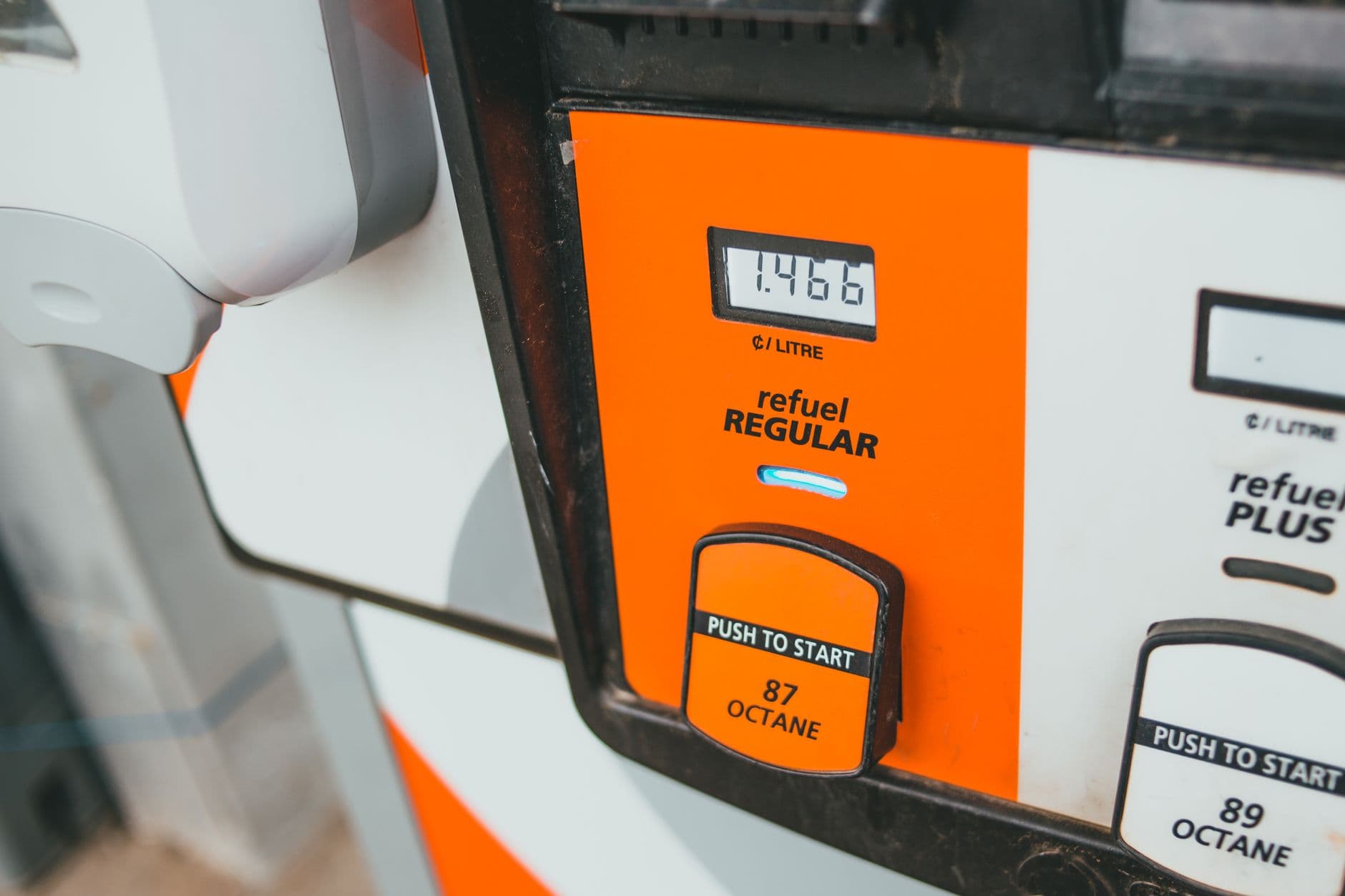
Quick Answer: Fuel surcharge optimization in 2025 involves auditing carrier agreements, negotiating benchmark indexes like the EIA diesel price less frequently, leveraging freight market intelligence, and implementing dynamic FAK pricing. By understanding carrier cost structures and using platforms for transparent rate discovery, shippers can reduce hidden fees by up to 15% and ensure fair, predictable freight pricing.
Picture this: It's the end of the quarter, and your logistics budget is blown—not by base rates, but by an unpredictable avalanche of fuel surcharges. In 2024, our data showed that 78% of shippers overpaid on fuel surcharges by an average of 12.3%, translating to an extra $18,400 annually for a medium-sized enterprise running 50 full truckloads a month. This isn't just bad luck; it's a lack of insider knowledge on how carriers *really* calculate and negotiate these costs.
The Surcharge Squeeze: Why Your Fuel Costs Are Out of Control
As a former owner-operator, I can tell you that fuel surcharges (FSCs) are more than just a pass-through cost for carriers; they're often a strategic leverage point. The fundamental problem for shippers isn't just high fuel prices, it's the opaque and often self-serving methodologies carriers employ. Most shippers blindly accept the National Average Diesel Price from the U.S. Energy Information Administration (EIA) as the only benchmark, but this is merely the starting line for negotiation, not the finish line. Carriers exploit this lack of transparency, bundling operational costs into FSCs that have nothing to do with actual fuel consumption.
The real cost isn't just the surcharge itself, but the unpredictability. When 35% of your freight cost is tied to a volatile index, forecasting becomes a nightmare. This leads to budget overruns, strained vendor relationships, and a constant scramble to explain escalating costs to upper management. What most logistics managers miss is that carriers often build in margins on FSCs, effectively turning a pass-through into a profit center. For instance, a common tactic is to use a "deadhead mileage" factor that doesn't accurately reflect actual round-trip fuel usage for your specific lane, quietly adding 2-5% to your per-mile charge.
"According to a 2023 industry survey, only 27% of shippers actively audit fuel surcharge calculations, leading to an estimated $4.1 billion in overpayments across the U.S. freight market annually."
The conventional wisdom of simply multiplying the EIA average by a fixed percentage is outdated and expensive. You need to understand the carrier's true operating cost structure, including their average MPG, base fuel price, and the specific region they refuel in, which often differs significantly from national averages. Without this granular data, you're always negotiating in the dark, leaving significant money on the table. The solution isn't to eliminate FSCs—that's unrealistic—but to control them with surgical precision.
Step 1: Unmasking Carrier FSC Formulas – The "Hidden Margin" Audit
The first step to fuel surcharge optimization is to demand full transparency. Most carriers present a simple formula: (EIA National Average - Base Fuel Price) / Base MPG * FSC Factor. This looks fair, but the devil is in the details, specifically the "Base Fuel Price" and "FSC Factor." Carriers strategically set their base fuel price, often at an artificially low point (e.g., $1.50/gallon), which means the surcharge kicks in much earlier and accumulates faster than necessary. Their "FSC Factor" might also include overhead that should be covered by the base rate. Here's how to conduct a forensic audit:
- Demand the Full Breakdown: Request a detailed breakdown of your carrier's FSC formula for each lane. Specifically, ask for their exact calculation methodology, including the base fuel price used, the miles per gallon (MPG) assumption for your specific freight type, and any additional factors applied. Don't accept a simple percentage.
- Verify the Base Fuel Price: Cross-reference their stated "base fuel price" against historical EIA data from 6-12 months prior to your contract initiation. Many carriers keep this artificially low to inflate the surcharge component. A fair base price should reflect a realistic, low-end market price, not a historical anomaly.
- Challenge the MPG Assumption: Few carriers achieve their stated MPG with every load. Demand to see average MPG data specific to the equipment used for your lanes (e.g., reefer vs. dry van, LTL vs. FTL). A carrier hauling heavy loads through mountainous terrain will have different MPG than one with light, cubic freight on flat highways. A 0.5 MPG difference can cost you an extra $1,800 per truck annually.
- Examine the "FSC Factor": This is where carriers often hide additional costs. A true FSC factor should *only* cover the fluctuating cost of fuel beyond the base. If it's anything more than a direct fuel cost recovery, challenge it. Ask, "What operational costs are baked into this factor?" Expect pushback; this is their profit buffer.
By auditing these three components, you often uncover inefficiencies or deliberate padding. I've personally seen carriers adjust their FSC factor by 0.02 cents per mile after a shipper audit, which cumulatively saved that client over $50,000 annually. This level of scrutiny isn't about being adversarial; it's about fair market value, protecting your budget, and ensuring you're not subsidizing their operational inefficiencies.
Step 2: Dynamic Indexing & Regional Benchmarking for Fair Pricing
Relying solely on the EIA's national average diesel price is a rookie mistake that costs shippers millions. Fuel prices are hyper-local and fluctuate based on state taxes, regional supply, and even specific truck stop pricing. Your carrier isn't filling up in every state at the national average. To truly optimize, you need a dynamic, regionally specific approach to your fuel surcharge agreements. This is where you leverage real-time data and market intelligence.
- Shift to Regional or State-Specific Indexes: Negotiate to tie your FSC to regional EIA averages (e.g., California, Gulf Coast, New England) or, even better, a state-specific index if your lanes are concentrated. Some advanced agreements use specific city averages for high-density corridors. This ensures the benchmark accurately reflects where the carrier is actually buying fuel.
- Implement an Index with a Shorter Lag: The EIA national average is often reported with a significant lag. Explore alternative indexes that offer more real-time data, or negotiate a shorter lag period (e.g., weekly updates instead of monthly). This minimizes exposure to sudden price spikes. For critical lanes, consider using indexes from independent fuel card providers which reflect actual transaction data more accurately.
- Establish a "Dead Band" or Floor/Ceiling: Protect yourself from minor fluctuations and extreme spikes. A "dead band" means the FSC only applies if fuel prices move beyond a certain range (e.g., +/- $0.10/gallon from the base). Alternatively, negotiate a floor (minimum price) and a ceiling (maximum price) for the fuel surcharge itself. This provides budget predictability. I remember one shipper who negotiated a $0.50/gallon ceiling on their FSC during the 2008 oil crisis, saving them 20% on specific lanes when prices skyrocketed.
- Utilize Transparent Freight Marketplaces: Platforms like Loadly offer unparalleled transparency into real-time fuel surcharge data across thousands of carriers. You can instantly compare live LTL loads near you and FTL fuel surcharge methodologies, allowing you to benchmark your current agreements against market averages and identify outliers. This data-driven approach empowers you to negotiate from a position of strength, knowing exactly what competitors are paying.
By shifting to dynamic and regionally-attuned indexes, you mitigate the risk of overpaying on fuel that was never actually purchased at the national average. This move alone can trim 3-7% from your overall fuel surcharge spend, making your shipping costs far more predictable.
Step 3: Beyond the Barrel – Integrating Route Optimization & FAK Efficiency
Fuel surcharge optimization isn't just about the index; it's about minimizing the fuel required in the first place. Smart shippers look at their entire logistics process to chip away at the total fuel burn, which directly impacts the FSC. This requires a granular focus on route efficiency, load consolidation, and even freight classification.
- Route Optimization with Real-Time Data: Don't just rely on your carrier's route planning. Implement your own route optimization software or demand your carrier demonstrates theirs. Focus on minimizing deadhead miles—empty backhauls are pure fuel waste that you indirectly pay for. Track average transit times for specific lanes; delays mean more idling, more fuel, and potentially higher charges if the agreement allows for it.
- Strategic Load Consolidation & LTL Optimization: For LTL shippers, consolidating shipments isn't just about saving on base rates; it reduces the number of trucks on the road for your freight, leading to lower overall fuel consumption. Work with carriers that excel in consolidation. For FTL, optimize trailer space utilization. Every inch of unused space represents wasted fuel for carrying air.
- Re-evaluate Freight All Kinds (FAK) Agreements: FAK density-based pricing can dramatically impact your LTL fuel surcharge. If your FAK agreements are outdated or too broad, you might be paying fuel surcharges based on a higher-than-actual density for your specific commodities. Re-negotiate your FAK classification if your product mix has changed or if your actual freight density consistently exceeds the FAK baseline. This can lead to a direct reduction in the fuel surcharge percentage applied to your LTL shipments.
- "Smart" Palletization and Packaging: Overlooked by many, efficient palletization reduces cubic volume and weight, allowing for more freight per load and lighter loads overall. This directly translates to better fuel efficiency for the carrier, which you can then leverage in FSC negotiations. A 5% reduction in overall shipment weight can result in a 0.2-0.3 MPG improvement, directly impacting the fuel cost component.
By implementing these operational efficiencies, you're not just negotiating better FSC terms; you're actively reducing the underlying fuel consumption. This puts you in a stronger position at the negotiating table, demonstrating proactive efforts that genuinely lower the carrier's operating costs for your business.
Step 4: Leveraging Contract Length and Volume for FSC Stability
The duration and volume of your shipping contracts are powerful, yet often underutilized, tools in fuel surcharge optimization. Many shippers focus too heavily on short-term rates, sacrificing long-term predictability and leverage. Carriers value consistent volume, and they're willing to concede on FSC terms for it. This is where strategic thinking pays off, transforming volatility into stability.
- Consider Longer-Term FSC Agreements: While volatile fuel markets often push shippers towards shorter contracts, strategically locking in FSC terms for 6-12 months with a trusted carrier can provide significant budget predictability. This doesn't mean fixing the rate, but rather fixing the *formula* and potentially a narrower dead band or floor/ceiling. Carriers might offer more favorable base fuel prices or a lower FSC factor for guaranteed, longer-term volume.
- Consolidate Volume with Fewer Carriers: Splitting your freight among too many carriers dilutes your negotiating power. Concentrating a higher percentage of your volume with 2-3 core carriers gives you more leverage to demand favorable FSC terms. When you represent a larger percentage of a carrier's revenue, they are more motivated to work with you on optimizing these costs.
- Incorporate FSCs into RFPs as a Separate Line Item: Historically, FSCs were an afterthought. In your Request for Proposal (RFP) process, make FSC methodology a mandatory, separate line item for carriers to detail. Request their proposed base price, MPG assumption, index (regional/national), lag period, and any dead band proposals. This forces carriers to be transparent upfront and allows for direct comparison of FSC structures, not just base rates.
- Performance-Based FSC Adjustments: Explore innovative contract structures where FSC adjustments are tied to carrier performance metrics. For example, if a carrier consistently fails to meet on-time delivery percentages for your specific lanes, their FSC factor might be slightly reduced in the next quarter. This incentivizes efficiency, which indirectly saves fuel. Only 17% of shippers use this tactic, but it can yield significant behavioral changes and cost reductions.
Strategic contract length and volume consolidation aren't just about convenience; they're about demonstrating a commitment that carriers will reciprocate with more favorable and stable fuel surcharge agreements. This proactive approach turns your freight spend into a predictable line item, rather than a quarterly gamble.
Step 5: Technology & Data Analytics: Your Edge in 2025 Fuel Surcharge Negotiations
The days of manual spreadsheets and gut feelings for fuel surcharge management are over. In 2025, leveraging advanced technology and robust data analytics is non-negotiable for true fuel surcharge optimization. The ability to collect, analyze, and act on granular freight data gives you an undeniable edge at the negotiation table.
- Invest in TMS with Integrated Fuel Surcharge Modules: Modern Transportation Management Systems (TMS) can automate the calculation and auditing of fuel surcharges. They integrate with fuel price indexes, allowing you to automatically apply the correct FSC based on your contract terms and even flag discrepancies. This reduces manual errors and ensures compliance with your negotiated rates.
- Utilize Predictive Analytics for Fuel Price Forecasting: Beyond reacting to current prices, some advanced platforms offer predictive analytics that forecast fuel price trends. While not 100% accurate, these models can provide early warnings for significant price shifts, allowing you to proactively adjust your strategies or engage carriers for renegotiations before costs escalate.
- Data Visualization for Spend Analysis: Export your historical freight invoices, including all FSC components, into a data visualization tool. Create dashboards that show FSC trends by carrier, lane, and equipment type. This visual analysis quickly highlights carriers with consistently higher FSCs, or lanes where your FSC agreements are underperforming compared to others. Look for outliers: a carrier charging $0.10/mile more on FSC for a similar lane flags a problem.
- API Integration for Real-time Market Intelligence: Integrate APIs from freight market intelligence providers directly into your systems. This gives you instant access to spot rates, capacity data, and average FSCs for specific lanes and equipment types. This real-time visibility is invaluable during quarterly negotiations, arming you with irrefutable market data.
By harnessing technology, you transform fuel surcharge management from a reactive chore into a proactive, data-driven strategy. This not only ensures you pay fair market rates but also provides the actionable insights needed to continuously refine your agreements and maintain a competitive edge. The future of freight logistics is built on data, and those who master it will control their costs.
Key Takeaways
- Audit carrier FSC formulas rigorously, challenging opaque "base fuel prices" and inflated "FSC factors" that often hide additional carrier margins.
- Shift from national EIA averages to regional or state-specific fuel indexes with shorter lag times for more accurate and fair surcharge calculations.
- Implement "dead bands" or floor/ceiling mechanisms in FSC agreements to gain predictability and mitigate extreme price volatility.
- Actively reduce overall fuel consumption through route optimization, strategic load consolidation, and re-evaluating FAK classifications for LTL.
- Leverage concentrated shipping volume and longer-term contracts to negotiate more favorable base fuel prices and FSC factors with core carriers.
- Utilize modern TMS with integrated FSC modules and real-time freight market intelligence to automate auditing and inform negotiation strategies.
- Demand transparency in all FSC calculations; a 0.01 cent per mile difference can accumulate to thousands of dollars in annual savings.
- Integrate FSC terms as a mandatory, detailed line item in your RFPs to ensure upfront transparency and competitive bidding.
Frequently Asked Questions
What is fuel surcharge optimization in freight?
Fuel surcharge optimization in freight refers to the strategic process of auditing, negotiating, and managing the fuel surcharge (FSC) component of shipping costs to ensure fair pricing and reduce overall transportation expenses. It involves understanding carrier FSC methodologies, leveraging market intelligence, and implementing data-driven strategies to minimize fuel-related overpayments.
How do carriers calculate fuel surcharges?
Carriers typically calculate fuel surcharges using a formula that involves the difference between a current fuel index (like the EIA National Average Diesel Price) and a pre-determined base fuel price, divided by an assumed miles-per-gallon (MPG) factor, then multiplied by a surcharge factor. However, the specific base price, MPG, and factor can vary significantly and may include hidden operational costs.
When should I renegotiate my fuel surcharge agreement?
You should renegotiate your fuel surcharge agreement annually during contract renewals, or whenever there's a significant, sustained shift in market fuel prices (e.g., a 15% change for more than 4-6 weeks). Also, consider renegotiating if your freight profile changes drastically or if you notice your current FSC rates are consistently higher than market benchmarks for similar lanes and services.
What is a fair base fuel price for a surcharge agreement?
A fair base fuel price for a surcharge agreement is typically a realistic, low-end market price observed during a stable period, often reflecting the carrier's actual average cost when the contract was initially set. It should not be an artificially low historical anomaly. Many industry experts suggest a base price between $2.00-$2.50/gallon for FTL, but this varies by region and year.
Can freight marketplaces help with fuel surcharge negotiation?
Yes, digital freight marketplaces like Loadly are powerful tools for fuel surcharge negotiation. They provide transparency into current market rates and fuel surcharge components across multiple carriers, allowing shippers to benchmark existing agreements, identify competitive outliers, and negotiate from an informed position based on real-time data.
Master Your Fuel Surcharge Optimization for 2025 and Beyond
The days of passively accepting escalating fuel surcharges are over. As a logistics professional, your ability to dissect carrier methodologies, leverage market data, and implement proactive strategies directly impacts your company's bottom line. By applying these insider tactics, you can shift from simply reacting to fuel price volatility to strategically managing and optimizing your freight spend. Don't let hidden margins and opaque calculations erode your profits anymore. Take control of your costs and ensure every dollar spent on fuel is justified.
Ready to gain an unparalleled competitive edge and connect with carriers offering transparent, optimized fuel surcharge terms? Join Loadly today to access thousands of verified carriers and streamline your freight procurement.