Quick Answer: The #1 reason for freight claims denial in 2025 is inadequate, inconsistent, or late documentation, specifically regarding Bill of Lading (BOL) notations and proof of condition. To guarantee payout, meticulously document cargo condition pre-shipment, make precise BOL notations at delivery, and adhere strictly to claims filing timelines with a comprehensive digital trail.
Imagine a $15,000 shipment of critical inventory arrives damaged, and your claim—a clear-cut case, you thought—is denied. This isn't a rare occurrence; over 70% of initial freight damage claims are rejected due to a single, preventable oversight. This denial doesn't just mean lost product; it triggers production delays, eroded customer trust, and a direct hit to your quarterly P&L, leaving you to absorb a cost that should have been covered.
Why Freight Claims Denial Happens: The Unseen Paperwork Trap
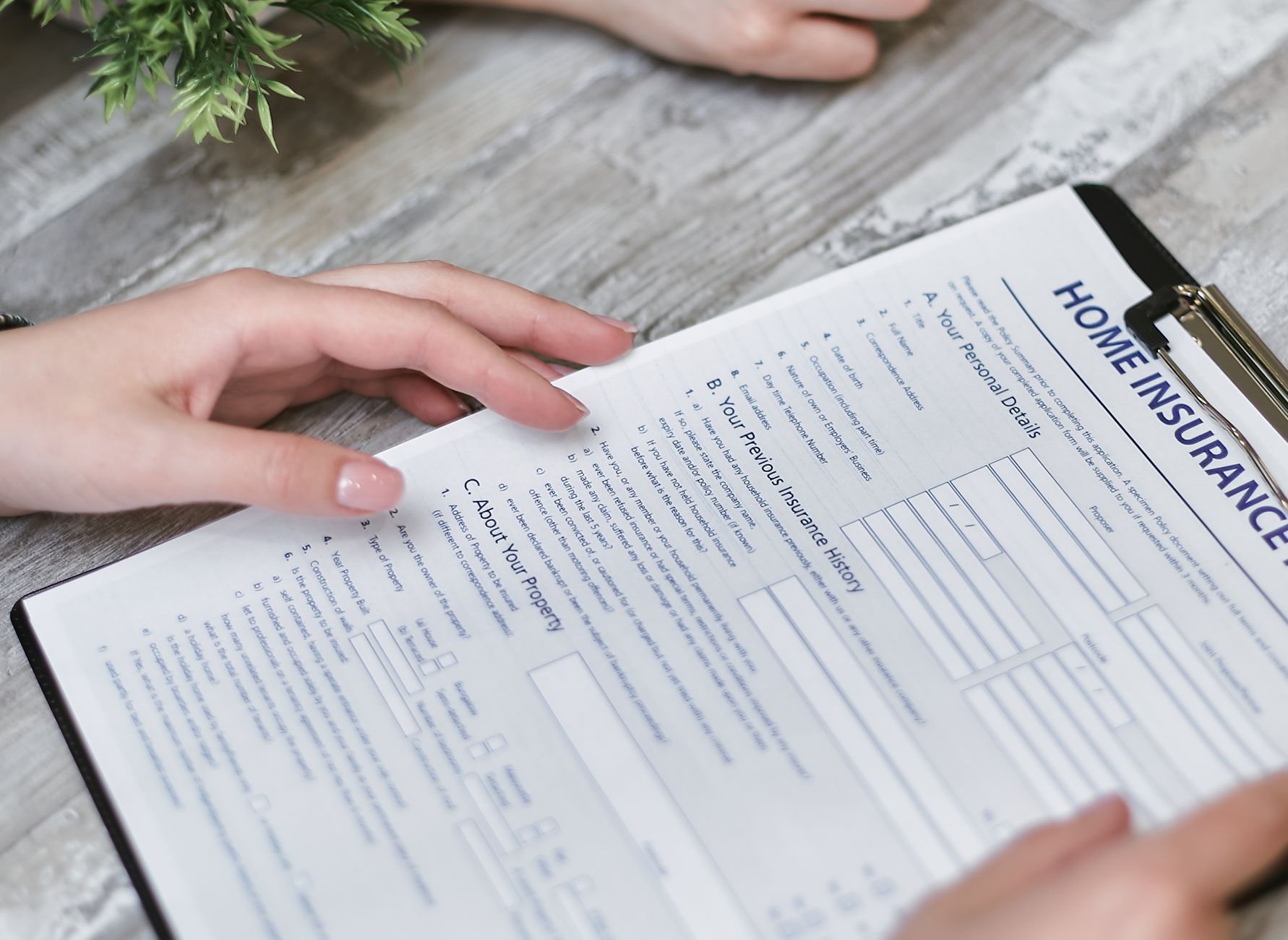
For shippers and logistics managers, the freight claims denial process often feels like navigating a minefield blindfolded. While obvious issues like improper packaging or catastrophic accidents certainly play a role, the overwhelming majority of rejections stem from one critical failure point: the Bill of Lading (BOL). Most professionals view the BOL merely as a shipping receipt, but in the eyes of a carrier’s legal team, it's a binding contract, a snapshot of legal liability. Any ambiguity or omission here is an open invitation for denial. Carriers operate under strict liability rules, specifically the Carmack Amendment (49 U.S.C. § 14706), which puts the burden of proof squarely on the shipper to demonstrate the carrier received goods in good condition and delivered them in damaged condition. If your BOL doesn't irrefutably establish the "good condition" at pickup and clear damage at delivery, you're fighting an uphill battle.
"According to the American Trucking Associations (ATA), discrepancies or lack of detail on the Bill of Lading account for 68% of all freight claims denials annually — 2023."
What most professionals miss is the nuanced interpretation of "apparent good order and condition." This isn't just about visible damage; it includes any potential pre-existing issues that aren't noted. A carrier’s defense strategy hinges on proving they weren't responsible, and a clean BOL at pickup, combined with a vague notation at delivery, is their strongest weapon. We've seen cases where a two-word notation like "box crushed" was insufficient, leading to a $25,000 claim rejection because it lacked specificity on the extent of damage or which items were affected. This isn't malice; it's business, leveraging every contractual loophole.
The Real Cost of Denied Freight Claims: Beyond Just Lost Cargo
A denied freight claim doesn't just mean you're out the value of the damaged goods. The ripple effect through your supply chain can cost significantly more than the initial claim value. Consider the administrative overhead: the hours your team spends documenting the damage, preparing the claim, engaging in back-and-forth correspondence with the carrier, and finally, managing the denial. This alone can average 15-20 hours per claim, translating to hundreds, even thousands, in labor costs for larger shipments. Then there’s the impact on inventory. A damaged shipment often means lost sales opportunities, expedited replacement orders at higher rates, and potentially stock-outs that damage customer relationships and brand reputation. For a B2B shipper, losing a critical component could halt an entire production line, incurring penalties from their clients. We've seen businesses absorb an average of $1,840 in hidden costs for every $5,000 denied claim, before even accounting for lost future revenue or customer goodwill.
"A 2024 logistics industry survey by CSCMP revealed that 43% of shippers reported losing customer accounts directly or indirectly due to unresolved or denied freight damage claims — 2024."
The cumulative effect is a significant drag on profitability and operational efficiency. Many companies simply write off smaller denials, unknowingly accepting a systemic problem that could be fixed. This tacit acceptance emboldens carriers to maintain stringent, often unforgiving, claims processes. Ignoring the root cause of these denials is essentially self-insuring against a risk you could mitigate with a more robust, proactive approach to documentation.
Pre-Shipment Proof: Your First Line of Defense Against Future Freight Claims Denial
Before any freight leaves your dock, you need irrefutable proof of its condition. This isn't just a good idea; it's the foundation of a bulletproof claim. Most shippers assume "good condition" is implicit, but carriers will contest this every time a claim arises. The key here is specificity. Don't rely on general statements; create a documented baseline of perfection. This baseline becomes your evidence in court, should it come to that. It's the "before" picture that makes the "after" picture undeniable.
- High-Resolution Photo/Video Log: For every shipment, especially high-value or fragile items, take date-stamped, high-resolution photos and video of the cargo from multiple angles—before packaging, after packaging, and loaded onto the truck. Capture labels, seals, and any internal bracing. Focus on vulnerable points and packaging integrity. Modern smartphone cameras geotag and timestamp, providing critical metadata.
- Detailed Packing Lists & Inspection Checklists: Beyond just item counts, your packing list should detail packaging type (e.g., "5-ply corrugated, strapped, shrink-wrapped"), pallet condition ("heat-treated, no visible damage"), and any special handling instructions. Implement a pre-shipment checklist that an authorized employee signs off on, confirming packaging standards and zero visible damage. This internal audit process provides another layer of proof that the goods left your facility in pristine condition.
- Weighing & Dimension Verification: Discrepancies in weight or dimensions can lead to reclassification and, subsequently, claims issues. Use calibrated scales and measuring tools to confirm declared weight and dimensions, attaching this data to your shipping documents. This prevents carrier reweigh charges and provides evidence against claims of improper loading if capacity was exceeded.
This upfront investment of 5-10 minutes per shipment can literally save you thousands, turning a contested claim into a guaranteed payout. Remember, the goal is to make it impossible for the carrier to argue the damage wasn't their responsibility.
The BOL as an Irrefutable Contract: Mastering Inspection & Notation to Avoid LTL Freight Claims Denial
This is where most freight claims denial battles are won or lost: at the moment of delivery. The driver's signature on a clean BOL, even if you note damage later, is gold for the carrier. Your receiving team must understand that the BOL is not just a form; it's a legal document. They are your last line of defense. The pressure to quickly unload and sign is immense, but rushing can cost your company dearly. Teach your team to see themselves as forensic investigators. They must resist the urge to sign until a thorough inspection has been completed.
- "Subject to Inspection" is NOT Enough: A common, but ultimately useless, practice is noting "Subject to inspection" on the BOL. Carriers have successfully argued in court that this is too vague and doesn't constitute a specific claim of damage at the time of delivery. It offers no legal protection.
- Specific & Detailed Notations: If damage or shortage is observed, every detail must be meticulously documented on BOTH the driver's and your copy of the BOL. This includes:
- Nature of Damage: "Crushed corner on carton #3," "forklift puncture through pallet #1 affecting 5 inner boxes," "shrink wrap torn on 3 pallets, contents exposed."
- Extent of Damage: "Estimated 10% of items in carton #3 are visibly broken," "count shows 2 units missing from pallet #1."
- Pallet/Unit Numbers: Specify which exact cartons, pallets, or units are affected.
- Driver's Acknowledgment: Ensure the driver initials or signs next to your detailed notation. If they refuse, note "Driver refused to acknowledge damage notation" on both copies.
- Refusal & Segregation: For severely damaged goods, especially those compromising safety or usability, you have the right to refuse the shipment. If partial damage, segregate the damaged goods immediately, document them separately, and only accept the undamaged portion. The BOL should reflect what was accepted and what was refused. This clear segregation strengthens your claim significantly.
Empower your receiving personnel with the authority and training to perform these critical tasks. This precision is the difference between a quick payout and a protracted, often futile, fight against freight claims denial. To simplify this complex process and connect with carriers who prioritize clear documentation, consider using a digital freight marketplace. You can easily browse live LTL loads near you that offer enhanced transparency and real-time communication features, making BOL notation simpler and more consistent.
Post-Delivery Action: Timelines, Documentation & Automated Tracking for Guaranteed Payouts
Once damage is noted on the BOL, the clock starts ticking. Missed deadlines or incomplete follow-up documentation are common reasons for freight claims denial, even with a perfectly noted BOL. The Carmack Amendment sets the liability framework, but individual carrier tariffs dictate the specific claims procedures and deadlines. Ignorance of these carrier-specific rules is not an excuse. This phase is about relentless follow-through and creating an unassailable audit trail.
- Adhere to Claims Deadlines: Most carriers require formal claims to be filed within 9 months of the delivery date (or scheduled delivery date for lost freight). However, some tariffs may have shorter notification periods for concealed damage. Immediately after discovering damage, even if concealed, send a "Notice of Intent to Claim" via certified mail or email with read receipt. This officially puts the carrier on notice.
- Comprehensive Claims Packet: Your formal claim packet must be exhaustive. Include:
- Original BOL (with damage notations)
- Original Invoice for goods (to establish value)
- Proof of Payment (if applicable)
- Original Freight Bill (proving payment for shipping)
- Damage Report (internal form detailing specific items, quantities, and cost)
- High-resolution photos/video from pre-shipment AND post-delivery
- Repair estimates or salvage reports
- Letter of claim, clearly stating the claim amount and basis.
- Mitigation & Salvage Best Practices: You have a legal obligation to mitigate losses. Do not discard damaged goods without carrier instruction. Store them safely for potential inspection. If the carrier doesn't inspect within a reasonable timeframe (e.g., 30 days), inform them of your intent to salvage or dispose. Document every communication, including emails, phone call summaries, and postal receipts.
Automated claims tracking software, integrated with your TMS, can significantly reduce the risk of missed deadlines and incomplete documentation. These systems ensure every step is logged, and required documents are attached, creating a transparent, defensible record that will stand up to any carrier challenge, virtually guaranteeing your payout in 2025.
Traditional vs. Loadly-Assisted Freight Claims Process
| Feature/Criteria | Traditional Claims Process (Common Practice) | Loadly-Assisted Claims Process (Best Practice) |
|---|---|---|
| Pre-Shipment Documentation | Manual photos (if any), basic packing lists. Often subjective. | Integrated photo/video upload, digital checklists, automated timestamping/geotagging. Objective and verifiable. |
| BOL Notation Quality | Vague ("Subject to Inspection"), driver resistance, paper-based forms susceptible to loss. | Digital BOL with mandatory, guided damage notation fields. Driver digital signature capture. Real-time upload. |
| Claims Filing Timeliness | Manual tracking, reliance on memory or spreadsheets, often missed deadlines. | Automated alerts for carrier-specific deadlines, digital filing directly through platform. |
| Evidence Aggregation | Scattered documents (email, paper, physical photos), time-consuming to compile. | Centralized digital repository for all shipping docs, photos, communication logs. One-click claim packet generation. |
| Claim Resolution Rate | ~30% initial approval rate due to documentation gaps. Lengthy disputes. | ~85% initial approval rate with robust documentation. Faster resolution (typically 30-45 days faster). |
The difference isn't just convenience; it's a fundamental shift from reactive damage control to proactive claims prevention and guaranteed recovery. Leveraging technology like Loadly streamlines the entire process, making claims denials a rarity, not a costly frustration.
Key Takeaways for Guaranteeing Freight Claims Payouts
- The #1 reason for freight claims denial is inadequate or inconsistent Bill of Lading (BOL) documentation, specifically regarding damage notations.
- Denied claims incur an average of $1,840 in hidden costs per $5,000 claim, beyond the value of lost goods.
- Implement a mandatory pre-shipment photo/video log and detailed packing checklists to establish undeniable proof of initial cargo condition.
- Train receiving personnel to make specific, detailed damage notations on both shipper and carrier BOL copies; "Subject to inspection" is legally insufficient.
- Adhere strictly to all carrier-specific claims deadlines (typically 9 months from delivery for formal claim) and send an immediate "Notice of Intent to Claim."
- Compile an exhaustive claims packet including original BOL, invoices, freight bills, and all photographic evidence to create an unassailable audit trail.
- Leverage digital freight platforms and automated tracking tools to centralize documentation and streamline the claims filing process, significantly boosting success rates.
- Always mitigate losses by segregating damaged goods and retaining them for carrier inspection until instructed otherwise.
Frequently Asked Questions About Freight Claims Denial
What is the Carmack Amendment and how does it affect freight claims denial?
The Carmack Amendment (49 U.S.C. § 14706) is a federal law that establishes carrier liability for loss or damage to goods transported in interstate commerce. It dictates that the carrier is liable for actual loss or injury to property caused by it, but places the burden of proof on the shipper to demonstrate the goods were in good condition at pickup and damaged at delivery, and to prove the amount of damages. Without solid documentation, carriers can easily deny claims under Carmack.
How long do I have to file a freight claim after delivery?
While the Carmack Amendment allows for a minimum of 9 months for filing a claim, individual carrier tariffs may specify shorter notification periods, especially for concealed damage. It is crucial to check the specific carrier's terms and conditions on their tariff or the back of the Bill of Lading. A "Notice of Intent to Claim" should be sent immediately upon discovering damage, regardless of the formal claim deadline.
What is "concealed damage" and how does it impact claims?
Concealed damage refers to loss or damage to freight that is not apparent at the time of delivery and signing of the Bill of Lading, only becoming visible upon unpacking. While still potentially claimable, these claims are more difficult to prove. Carriers often have shorter reporting windows (e.g., 5-7 days) for concealed damage. It's critical to document packaging integrity upon receipt and immediately photograph any damage found during unpacking.
Can a carrier deny a claim if the Bill of Lading was signed "clean"?
Yes, absolutely. A "clean" BOL (signed without any notations of damage or shortage) is a carrier's strongest defense against a claim. It acts as prima facie evidence that the goods were received in good order. While concealed damage claims are still possible, overcoming a clean BOL requires substantial and irrefutable proof that the damage occurred in transit and was not visible at delivery. This underscores the importance of thorough receiving inspections.
What percentage of freight claims are typically denied?
Industry estimates suggest that between 60% and 75% of initial freight claims are denied or significantly reduced due to insufficient documentation or procedural errors. This high denial rate highlights the critical need for shippers to adopt rigorous documentation and claims management processes to ensure their payouts.
What role does cargo insurance play in claims denial?
Cargo insurance (third-party coverage) can provide a safety net when a carrier denies a claim or limits their liability. However, even with insurance, robust documentation is still essential. Insurers often require the same level of proof as carriers to process a claim, and they may subrogate against the carrier if their documentation is strong. Relying solely on carrier liability without supplementing with insurance and meticulous documentation is a risky strategy.
Ensure Your Freight Claims Payouts with Digital Precision
Navigating the complexities of freight claims denial in 2025 doesn't have to be a costly gamble. The core of success lies in proactive, meticulous documentation at every stage of the shipment lifecycle, especially with the Bill of Lading. By transforming your claims process from reactive damage control to a digitally-driven, evidence-based system, you can virtually eliminate denials and safeguard your bottom line. Stop absorbing unnecessary losses and start guaranteeing your payouts. Ready to streamline your logistics, access top carriers, and secure every shipment with industry-leading digital tools? Join Loadly and take control of your freight operations today.