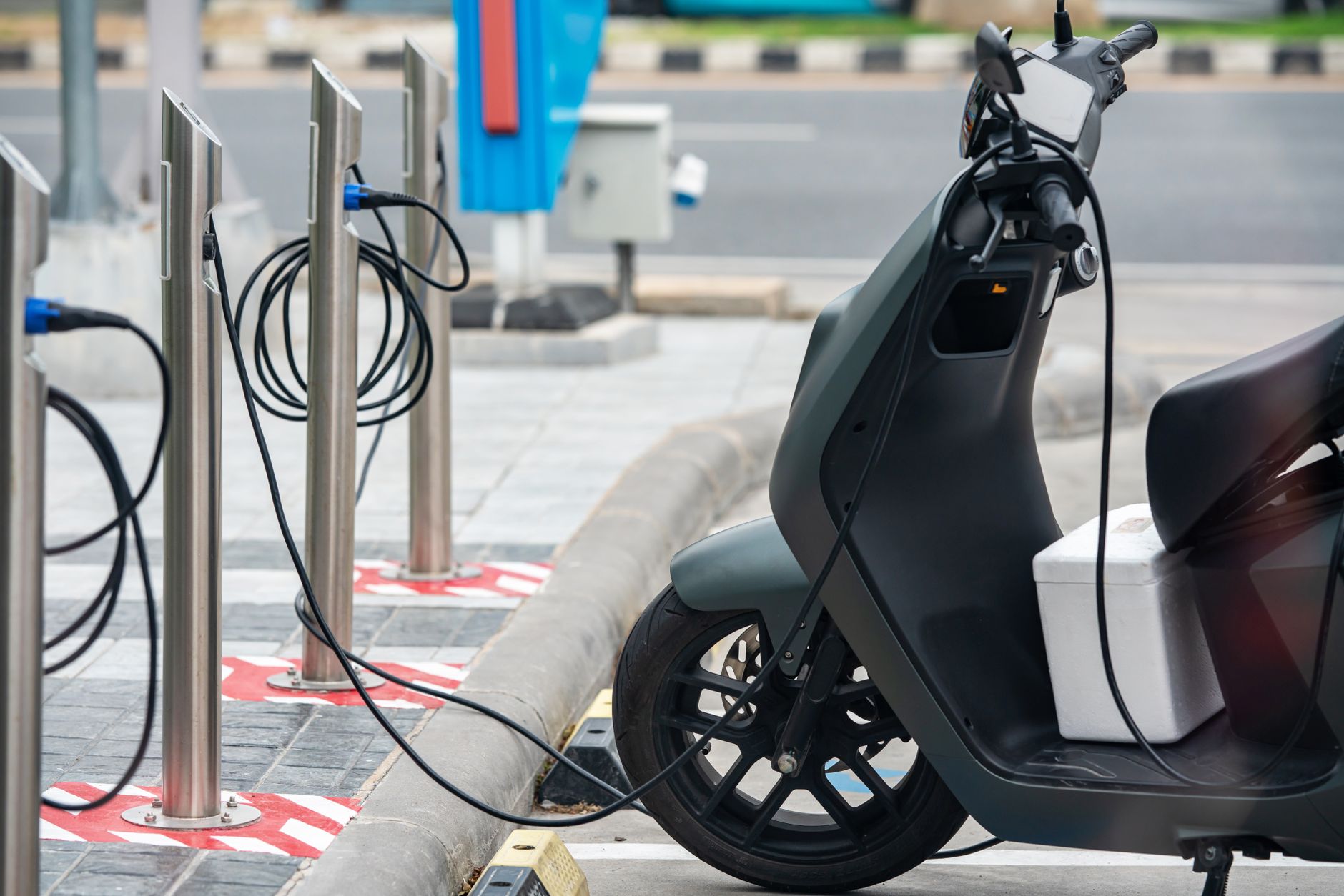
Quick Answer: Fleet microgrid charging solutions integrate on-site renewable energy with battery storage and smart controls, guaranteeing electric vehicle (EV) uptime even during grid failures while drastically cutting energy bills by mitigating peak demand charges and allowing for energy arbitrage, leading to significant ROI for fleet managers.
Picture this: a critical EV delivery is stalled because a grid outage has crippled your charging infrastructure, costing you $2,500 per delayed load and risking a major contract. Or maybe it's Tuesday, 3 PM, and your utility bill just spiked by 18% because your entire fleet plugged in simultaneously, hitting peak demand rates that fleece fleets for millions annually. For years, relying solely on the grid for your operations was the only option, but with electric fleets, that dependency has become your biggest vulnerability and an unpredictable drain on your bottom line. It's time to take control of your energy future.
The Hidden Cost of Grid Dependency: Why Your EV Fleet is Bleeding Money
As a freight professional, you understand that every minute of downtime and every unpredictable cost eats into your thin margins. For electric fleets, grid dependency isn't just about the lights staying on; it's a direct threat to your operational continuity and financial health. The biggest overlooked culprit? Demand charges.
"Utilities often charge commercial customers based on their highest 15-minute peak power draw in a billing cycle, even if that spike is momentary. This can account for 30-70% of a large fleet's monthly electricity bill," according to the Energy Information Administration (EIA) — 2023.
What most fleet managers miss is that the true cost of grid-only EV charging isn't just the kilowatt-hours consumed. It's the unpredictable spikes in demand charges, the risk of forced load shedding during grid strain, and the complete standstill when a power outage hits. We've seen fleets in California and Texas face sudden demand charge increases of up to 40% when multiple heavy-duty EV trucks charge simultaneously, translating to an extra $5,000-$8,000 per month for a medium-sized depot. This volatility makes accurate budgeting impossible and directly contributes to the uncertainty that plagues transportation directors.
2025 Fleet Microgrid Blueprint: Designing Your Autonomous Energy Hub
A fleet microgrid isn't a futuristic concept; it's a strategically deployed, self-sufficient energy system designed to power your EV charging infrastructure, seamlessly integrating solar, battery storage, and smart energy management software. The objective is clear: decouple your operations from an increasingly volatile grid and transform your energy consumption into a predictable, manageable asset.
- Assess Your Current & Future Load Profile: Don't just look at today's consumption. Project your EV fleet's growth over 5-10 years. What is your peak simultaneous charging demand? An accurate assessment, often requiring specialized modeling software, reveals the critical capacity a microgrid needs to deliver. A common mistake is underestimating future expansion, leading to expensive retrofits.
- Select Renewable Generation Sources: For most fleets, rooftop or ground-mounted solar photovoltaics (PV) are the backbone. Aim for high-efficiency panels (21%+ conversion rates) and consider factors like available space, sun exposure, and local zoning laws. In some regions, small-scale wind turbines or even waste-to-energy solutions might be viable, but solar offers the most predictable return.
- Integrate Robust Battery Energy Storage Systems (BESS): This is your buffer against peak demand and grid outages. Modern BESS, often using Lithium Iron Phosphate (LFP) technology for enhanced safety and cycle life, are crucial. Size your BESS to handle your facility's critical load for a minimum of 6-12 hours during an outage, and to absorb peak charging loads for at least 2-4 hours to shave demand charges effectively.
- Implement Advanced Microgrid Control Systems: This is the brain of your operation. It intelligently manages energy flow, prioritizes charging based on vehicle schedules, optimizes solar generation, and decides when to draw from batteries, the grid, or even sell excess power back. Look for systems with predictive analytics and remote monitoring capabilities to maximize efficiency.
- Plan for Seamless Grid Interconnection & Islanding: Your microgrid must operate safely both connected to the utility grid and in 'island mode' during an outage. This requires specific switchgear and protection relays to ensure compliance with utility standards and prevent power feedback onto a de-energized grid.
"Early adopters of fleet microgrids are seeing an average 15% reduction in their overall operational expenses within three years, primarily from avoided fuel costs and reduced grid electricity purchases," states a report by the American Transportation Research Institute (ATRI) — 2024.
Unlocking Real Savings: How Microgrids Slash EV Fleet Charging Costs by 30-50%
The financial benefits of fleet microgrid charging extend far beyond simply keeping the lights on. They fundamentally alter your energy cost structure, offering predictability and significant long-term savings. The key strategies are peak demand shaving, energy arbitrage, and resilience-as-a-service.
Peak Demand Shaving: The Immediate Bill Reducer
Your microgrid's battery storage is strategically discharged during periods of highest grid demand, typically when utility rates are at their highest and demand charges are triggered. Instead of pulling expensive power from the grid during these peak 15-minute intervals, your fleet draws from its own stored energy. This can reduce a fleet's monthly demand charges by 20-60%, depending on the local utility tariff and the effectiveness of the control system. For a fleet with 50 Class 8 EVs, this alone can translate to annual savings of $150,000-$250,000.
Energy Arbitrage: Buying Low, Storing, and Using High
With a microgrid, you're not just a consumer; you're an active participant in the energy market. Your system can be programmed to charge batteries when grid electricity is cheapest (e.g., overnight or during periods of high renewable generation) and then use that stored energy to power vehicles during more expensive periods. Some advanced systems can even sell excess stored energy back to the grid when prices are extremely high, creating an additional revenue stream. This proactive management drastically lowers your effective energy rate, often reducing it by $0.05-$0.15/kWh compared to traditional purchasing.
Incentives & Tax Credits: Capitalizing on the Microgrid Gold Rush
Federal, state, and even local utility programs are aggressively promoting microgrid development. The Inflation Reduction Act (IRA) offers a significant Investment Tax Credit (ITC) of up to 30% for eligible solar and battery storage projects, which can be direct-pay for non-taxable entities. Additionally, many states (like California, New York, and Massachusetts) offer specific grants, rebates, and low-interest loan programs for clean fleet infrastructure and resilience projects. Navigating these incentives can be complex, but failing to do so means leaving hundreds of thousands, if not millions, of dollars on the table.
As you plan for these advanced energy solutions, remember that managing your day-to-day freight operations remains paramount. Integrating cutting-edge technologies requires careful planning, but the core business of moving goods needs to remain efficient and resilient. Leveraging a digital freight marketplace can help you optimize routes and find backup capacity, ensuring that even as you transform your energy infrastructure, your loads always move. This dual approach of internal energy resilience and external operational flexibility is what truly future-proofs your fleet.
Beyond the Blackout: Ensuring 99.9% Uptime for Your Electric Fleet
Driver turnover and compliance violations are already massive headaches. Imagine adding charging infrastructure failures to the list. For fleet managers, guaranteeing uptime for electric vehicles is non-negotiable. A grid outage, even for a few hours, can derail delivery schedules, incur penalties, and severely impact customer satisfaction.
The "Island Mode" Advantage: Uninterrupted Operations
This is where the fleet microgrid truly shines. When the utility grid goes down, your microgrid seamlessly disconnects from the main grid (a process called "islanding") and continues to power your charging stations using its on-site solar generation and battery storage. This transition is often so smooth that your charging vehicles won't even register a blip. This critical feature ensures that your fleet can continue charging and dispatching, maintaining operational continuity even in the face of widespread blackouts, extreme weather events, or grid vulnerabilities due to aging infrastructure.
Prioritized Charging for Critical Routes: A Strategic Edge
Advanced microgrid control systems allow you to prioritize charging for specific vehicles or routes. If you have critical deliveries that *must* go out, the system can allocate available power to those vehicles first. This isn't just about keeping the lights on; it's about strategic resilience. During the Texas freeze in 2021, fleets without independent power sources faced multi-day shutdowns, costing millions in lost revenue and emergency re-routing. Fleets with even basic backup generators, let alone full microgrids, maintained a distinct competitive advantage, showing true operational agility.
"Energy resilience is quickly becoming a non-negotiable operational requirement for critical infrastructure, including transportation and logistics hubs. Microgrids offer a verifiable pathway to 99.99% energy availability," notes the National Renewable Energy Laboratory (NREL) — 2023.
The ability to guarantee consistent power, regardless of external factors, directly mitigates risks associated with driver dissatisfaction (due to delays), potential compliance issues from missed delivery windows, and the sheer financial hit of an idle fleet. It’s a proactive step that turns potential chaos into a competitive advantage.
Comparing Grid-Only vs. Microgrid Fleet Charging
| Criteria | Traditional Grid-Only Charging | Fleet Microgrid Charging |
|---|---|---|
| Uptime Reliability | Dependent on utility grid; vulnerable to outages | Highly resilient, provides seamless islanding during outages |
| Energy Cost Predictability | High volatility due to demand charges, peak rates, and future rate hikes | Significant cost control, peak shaving, energy arbitrage, predictable long-term costs |
| Initial Investment | Lower initial cost (charging infrastructure only) | Higher upfront cost (solar, batteries, controls, infrastructure) |
| Long-Term ROI & Savings | Minimal beyond vehicle efficiency; ongoing grid expense | Significant, often 3-7 year payback, 30-50% energy cost reduction over system life |
| Environmental Impact | Dependent on utility's energy mix; often fossil fuel-heavy | Substantially lower carbon footprint, utilizes on-site renewables |
| Scalability & Future-Proofing | Limited by grid capacity and utility upgrades; reactive | Designed for modular expansion, proactive energy management, supports future EV growth |
Key Takeaways
- Fleet microgrids are essential for guaranteeing EV uptime and protecting against grid instability, a critical factor for fleet managers transitioning to electric.
- Demand charges, often 30-70% of a large fleet's electricity bill, can be aggressively shaved by microgrids, leading to immediate and substantial cost savings.
- Proactive energy arbitrage allows fleets to buy cheaper power, store it, and use it during expensive peak hours, cutting energy costs by $0.05-$0.15/kWh.
- Federal (e.g., IRA ITC up to 30%) and state incentives significantly reduce the upfront capital expenditure for microgrid implementation, making ROI faster.
- Microgrids provide strategic energy independence, allowing for prioritized charging of critical routes even during widespread power outages.
- Ignoring microgrid solutions in 2025 means accepting continued unpredictability in fuel costs and vulnerability to grid failures that directly impact operations.
- A well-designed fleet microgrid offers a typical payback period of 3-7 years, delivering decades of predictable energy costs and enhanced operational resilience.
Frequently Asked Questions
What is fleet microgrid charging?
Fleet microgrid charging is an integrated energy system for electric vehicle depots that combines on-site renewable energy generation (like solar), battery storage, and smart energy management software to power EV chargers. It can operate independently of the main utility grid, providing energy resilience and cost control.
How much does a fleet microgrid cost to implement?
The cost of implementing a fleet microgrid varies widely based on fleet size, energy demand, and chosen components, typically ranging from $500,000 to $5 million for a medium-to-large fleet depot. However, federal and state incentives, such as the 30% Investment Tax Credit, can significantly offset these initial expenses, making the net cost much lower.
What are the primary ROI benefits of a microgrid for EV fleets?
The primary ROI benefits for EV fleets include drastically reduced energy bills (30-50% savings) through peak demand shaving and energy arbitrage, guaranteed operational uptime during grid outages, increased energy independence, and significant reductions in carbon footprint. Payback periods typically range from 3 to 7 years.
Are there government incentives available for fleet microgrid solutions?
Yes, numerous government incentives exist. Federally, the Inflation Reduction Act (IRA) offers a 30% Investment Tax Credit for solar and battery storage components. Many states also provide additional grants, rebates, and low-interest loans specifically for clean energy infrastructure and EV fleet electrification projects, making these investments more accessible.
How long does it typically take to implement a fleet microgrid?
From initial assessment to full commissioning, implementing a fleet microgrid typically takes between 12 to 24 months. This timeline includes planning, permitting, component procurement, construction, and rigorous testing to ensure seamless operation and grid interconnection compliance.
Future-Proof Your Fleet: Embrace 2025 Fleet Microgrid Charging
The era of passively accepting volatile energy costs and grid vulnerabilities for your EV fleet is over. The transportation industry demands proactive solutions, and fleet microgrid charging is exactly that. It's not just an investment in infrastructure; it's an investment in predictable operations, a healthier balance sheet, and a resilient future for your business. Stop letting grid instability dictate your uptime or arbitrary peak charges erode your margins. It's time to build your own energy independence. If you're ready to explore how reliable solutions and a robust network can help manage your evolving freight needs, take the next step. Join Loadly and connect with industry-leading resources and partners to navigate this transition effectively.