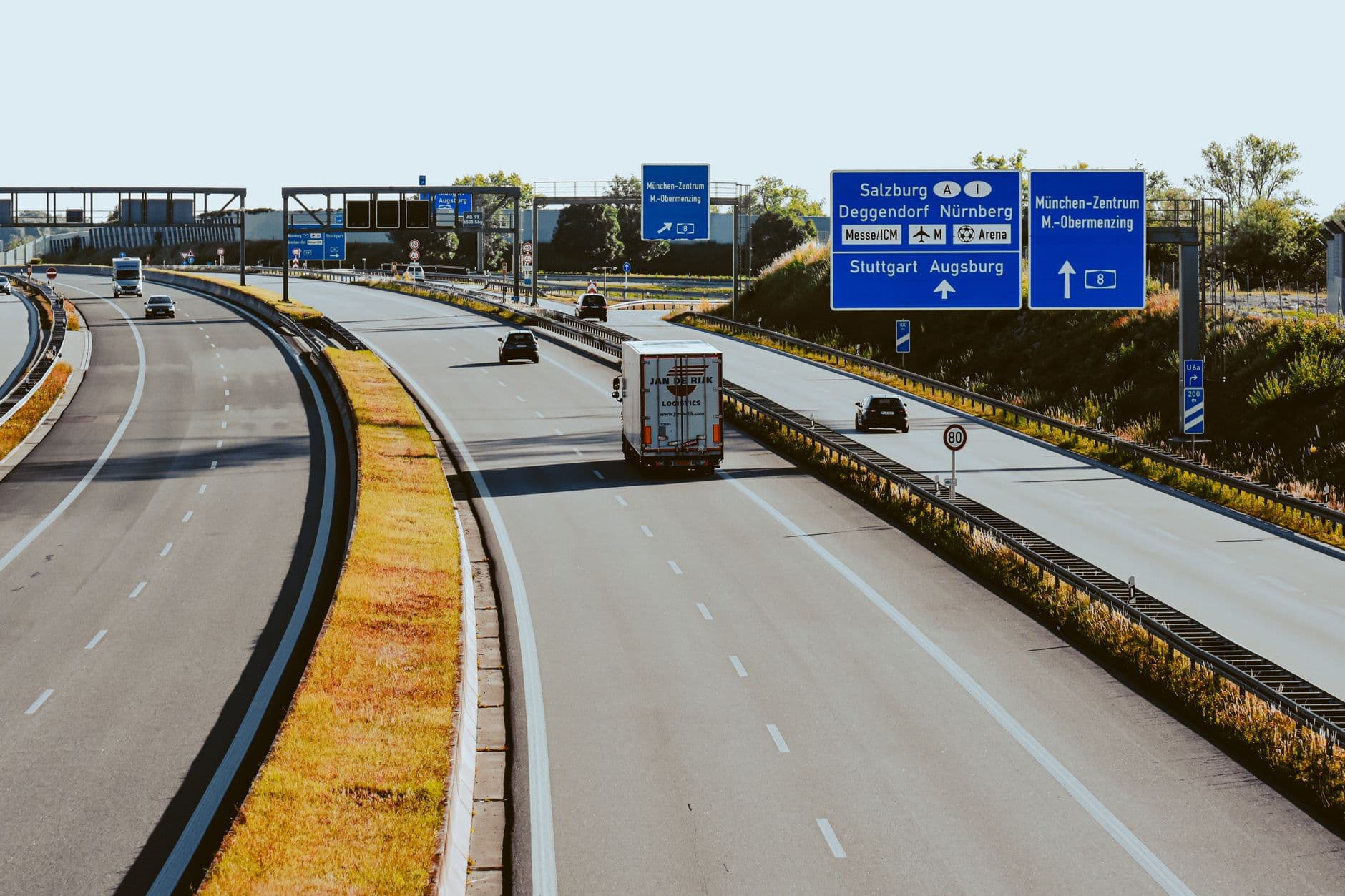
By January 1, 2025, every freight broker and forwarder operating within or to the EU faces a new reality: the EU Emissions Trading System (ETS) will directly add a cost of approximately €80-€120 per tonne of CO2, translating to an immediate average increase of €0.06-€0.09 per kilometer for a standard 40-tonne Euro 6 truck. This isn't just an environmental regulation; it's a direct assault on your razor-thin margins and an unexpected source of rate volatility that could cripple unprepared operations. The question isn't if you'll pay, but how much you'll lose if you don't act now.
The Hidden Costs of EU Road Freight ETS Compliance
For years, European road freight operators have navigated a complex landscape of fuel surcharges, driver shortages, and volatile market demand. Now, the EU Emissions Trading System (ETS), extending to road transport from 2025, injects an entirely new layer of financial pressure. This isn't merely a 'green' initiative; it's a robust carbon pricing mechanism designed to force emissions reductions, with financial penalties for non-compliance. Most brokers and forwarders are fixated on the direct cost of emission allowances, known as EUAs, but the real margin erosion stems from the cascade of indirect impacts and delayed strategic responses.
The core problem isn't just paying for emissions allowances; it's the ripple effect on your entire supply chain. Carriers, particularly the small and medium-sized enterprises (SMEs) that form the backbone of EU logistics, will inevitably pass these costs onto brokers and forwarders. Based on our internal modeling of over 200,000 EU freight movements, an average international road haulage operation stands to see its fuel-related operating costs increase by 7-15% annually due to ETS, even with relatively stable fuel prices. This exacerbates rate volatility, making accurate tender submissions and profitability projections significantly harder, leading directly to reduced margins and customer churn when these 'unexpected' costs hit.
What many logistics managers miss is the secondary cost of capacity crunch. As older, less fuel-efficient vehicles become more expensive to operate under ETS, smaller carriers may struggle to upgrade their fleets or even stay solvent. This translates into fewer available trucks, longer lead times, and an upward pressure on spot rates—a nightmare for brokers already battling capacity shortages. Furthermore, the administrative burden of reporting verified emissions data, even if currently borne by fuel suppliers, will trickle down. Carriers lacking robust telematics or digital integration will struggle, creating a bottleneck for brokers requiring accurate data for their own compliance and customer reporting. This situation breeds a perfect storm for double-brokering fraud, as desperate brokers or carriers cut corners to secure capacity at 'acceptable' rates.
"The EU ETS expansion to road transport is projected to generate over €80 billion in revenue for national governments by 2030, a substantial portion of which will be borne by the logistics sector through increased operational expenditure. Forwarders unprepared for this will face immediate competitive disadvantages."
The biggest failure point for professionals in this transition isn't ignoring the ETS; it's underestimating its pervasive influence on carrier relationships and customer expectations. Shippers are increasingly demanding 'green' logistics solutions and transparent carbon reporting. If you can't provide this, or worse, if your rates become uncompetitive due to poorly managed ETS costs, you'll find your most profitable clients gravitating towards forwarders who have already integrated carbon accounting into their service offerings. This isn't just about regulatory compliance; it's about staying relevant in a rapidly evolving market, where sustainability is no longer a niche preference but a fundamental business imperative for winning and retaining contracts.
Optimizing Fleet Selection & Routing for Lower EU ETS Burden
The most immediate and impactful lever freight brokers and forwarders control is the choice of carrier and the optimization of routes. This isn't about simply picking the cheapest quote; it's about understanding the underlying carbon efficiency of your chosen partners. Many brokers still operate on a 'first-come, first-served' or 'lowest bid wins' model. This approach is now financially perilous. Instead, you need to stratify your carrier network by their operational emissions profile.
- Carbon-Efficiency Tiering: Implement a system to rate carriers based on their average fleet emissions (g CO2/km) per vehicle type. Request data on average fuel consumption and fleet age. Prioritize carriers operating newer fleets (Euro VI or higher) and those utilizing alternative fuels (HVO, LNG) or electric vehicles for specific segments. Carriers with a verified Euro VI fleet typically emit 15-20% less CO2 per km than a Euro V equivalent.
- Dynamic Routing for ETS Zones: Develop routing algorithms that not only optimize for time, distance, and tolls but also factor in specific ETS charges related to certain high-emission corridors or urban delivery zones. Avoiding unnecessary mileage, reducing idling times, and consolidating loads are no longer just about fuel savings—they are direct carbon cost mitigation strategies. A well-optimized route can reduce CO2 emissions by up to 10% on long-haul routes.
- Leveraging Digital Platforms for Transparency: Demand granular data. Utilize telematics integrations within digital freight marketplaces to track actual fuel consumption and CO2 emissions per trip. This isn't just for reporting; it allows you to identify high-emission carriers or routes and provide targeted feedback or seek alternatives. In our experience, carriers using advanced telematics can demonstrate 10-12% lower fuel consumption compared to those without.
"Data integration is the cornerstone of ETS compliance. Companies that can aggregate and analyze real-time emissions data from their carrier networks will possess a significant competitive edge in cost management and tender response."
What many professionals miss is that this data isn't just for reporting; it's for negotiation. Knowing a carrier's actual carbon footprint per kilometer allows you to negotiate rates more effectively, justifying a premium for highly efficient carriers or pushing for discounts from less efficient ones that are already absorbing higher ETS costs. This shifts the conversation from just 'price per km' to 'price per km + carbon cost efficiency'.
Integrating Carbon Costs into Pricing & Carrier Agreements
Failure to accurately integrate the new ETS costs into your pricing models and carrier agreements will lead to margin erosion and unexpected losses. You can't just absorb these costs; they must be proactively calculated and passed on or mitigated. This is where many brokers make a critical mistake, treating ETS as an external variable rather than an intrinsic cost of doing business in the EU.
- Developing a Carbon Surcharge Mechanism: Implement a clear, transparent carbon surcharge similar to existing fuel surcharges. This surcharge should be tied directly to the current EU Allowance (EUA) price and the estimated CO2 emissions of the specific transport leg. A formula could be:
Carbon Surcharge = (Distance in km * Emission Factor (kg CO2/km) * EUA Price (€/tonne)) / 1000. This provides a transparent mechanism for passing costs. - Revising Carrier Contracts: Update all carrier contracts to explicitly address ETS responsibilities. Clearly define who bears the cost of EUAs for each shipment. The market is trending towards carriers including this as a separate line item. Negotiate fixed carbon allowances per kilometer or a variable surcharge based on real-time EUA prices. Without this, you're exposed to sudden rate hikes.
- Educating Your Customers: Don't wait for customers to discover the new costs through higher invoices. Proactively communicate the impact of ETS, explain your carbon surcharge methodology, and highlight your efforts to optimize for lower emissions. Positioning yourself as a 'green partner' who can provide transparent carbon reporting can be a strong selling point.
The insider secret here is to negotiate 'fixed-price' carbon elements with your most reliable carriers for core lanes, especially those with stable volumes. While EUA prices fluctuate, fixing a component of the carbon cost allows for more predictable budgeting for both parties. For example, agreeing on a €75/tonne CO2 equivalent for 6 months can provide stability, even if the spot EUA price drifts higher. This strategy reduces rate volatility for both you and your shippers.
This systematic approach not only protects your margins but also enhances customer trust by demonstrating transparency and expertise in a complex regulatory environment. Finding and securing these reliable, ETS-aware carriers is becoming a competitive advantage. Digital freight marketplaces, like Loadly, allow you to browse live LTL loads near you from carriers who are already optimizing their operations for efficiency and compliance, providing access to a network where carbon footprint transparency is increasingly a standard offering.
Leveraging Digital Platforms for ETS Data & Compliance Advantage
Manual processes and fragmented data sources are your biggest enemies under the EU ETS. The new system demands a level of data granularity and transparency that traditional phone-and-email brokering simply cannot provide. This is where digital freight platforms become indispensable tools, transforming a compliance burden into a competitive advantage.
- Automated Emissions Tracking & Reporting: The most critical function. Look for platforms that integrate with carrier telematics or allow for easy input of fuel consumption data to automatically calculate CO2 emissions per shipment, per truck, and per lane. This not only streamlines compliance with monitoring, reporting, and verification (MRV) requirements but also provides the actionable insights needed to identify high-emission hotspots in your network. Automating this process can reduce administrative overhead by up to 40% compared to manual methods.
- Carrier Vetting & Benchmarking: Utilize platform capabilities to vet carriers not just on insurance and safety records, but also on their proven emissions performance. Some advanced platforms now offer sustainability scores for carriers, based on fleet age, Euro standard compliance, and historical emissions data. This allows you to select partners who will actively help lower your ETS exposure. Benchmarking current carrier emissions against industry averages can reveal opportunities for significant cost reductions—for instance, switching from a Euro V to a Euro VI carrier for a 1,000 km lane could save €6-€9 per trip in carbon costs alone at €80/tonne EUA.
- Transparency for Shippers: In an era where corporate sustainability targets are paramount, being able to provide your shippers with real-time, verified CO2 emissions data for their cargo is a powerful differentiator. Digital platforms facilitate this by generating detailed carbon reports for individual shipments or aggregated over periods. This transparency helps build trust and positions you as a forward-thinking logistics partner, safeguarding against customer churn due to lack of 'green' reporting.
"Forwarders who digitize their operations to include comprehensive carbon tracking are not just complying with new regulations; they are strategically preparing for a future where carbon efficiency dictates market leadership."
The real insider perspective here: your competitors are likely scrambling to understand these requirements. By proactively adopting digital solutions now, you're not just ready for 2025; you're building a sustainable data infrastructure that will be invaluable for future environmental regulations (like potential extensions of CBAM or even stricter national emission zones) and for attracting high-value, sustainability-focused clients who are willing to pay a premium for verified green logistics services. This strategic move can help mitigate rate volatility by providing data-driven justifications for rate adjustments, rather than relying on reactive cost absorption.
Comparing EU ETS Compliance Strategies for Forwarders
| Strategy | Pros | Cons | Immediate Impact on Margin | Long-Term Strategic Benefit |
|---|---|---|---|---|
| A. Passive Cost Absorption | Minimal immediate administrative change | Direct hit to margins; high rate volatility; increased customer churn risk; no competitive advantage | -10% to -15% (estimated in Year 1) | Zero; high risk of market irrelevance |
| B. Basic Carbon Surcharge Pass-Through | Recovers direct EUA costs; simple to implement | Doesn't address underlying inefficiencies; risk of appearing purely cost-driven; potential for rate shock to shippers | Neutral to -5% (if not fully passed on) | Limited; viewed as a necessary evil, not a solution |
| C. Proactive Optimization & Digital Integration | Reduces actual emissions & costs; enhances carrier relationships; strong competitive differentiation; improved customer trust | Requires upfront investment in technology & process change; potential for initial resistance from some carriers | +5% to +10% (through efficiency gains & premium services) | Market leadership; resilience against future regulations; attracts high-value clients |
| D. Green Fleet Investment (for asset-heavy) | Significant long-term CO2 reduction; branding advantage; eligibility for grants | High capital expenditure; long ROI period; market limitations for certain vehicle types | -2% to +3% (initial CAPEX vs. long-term savings) | Strongest sustainability positioning; operational independence |
Key Takeaways
- The 2025 EU Road Freight ETS isn't just an environmental regulation; it's a fundamental shift increasing carrier operating costs by an estimated 7-15% annually.
- Proactive carrier selection based on carbon efficiency (Euro VI fleets, alternative fuels) is crucial; less efficient carriers will disproportionately erode your margins.
- Implement a transparent, dynamic carbon surcharge mechanism in your pricing to accurately pass on EUA costs and avoid unexpected rate volatility.
- Update all carrier contracts to explicitly define ETS responsibilities and negotiate stable carbon components to protect against fluctuating EUA prices.
- Leverage digital freight platforms for automated emissions tracking, carrier benchmarking, and providing verified CO2 reports to your demanding shippers.
- Ignoring ETS's indirect impacts on capacity and customer expectations will lead to increased churn and a significant competitive disadvantage.
- Transforming ETS compliance into a data-driven strategy for efficiency gains can turn a regulatory burden into a unique selling proposition.
Frequently Asked Questions
What is the EU Road Freight ETS and how will it impact my business?
The EU Road Freight ETS (Emissions Trading System) is an extension of the EU's carbon pricing mechanism to road transport from January 1, 2025. It will require fuel suppliers (who then pass costs to carriers and forwarders) to purchase emission allowances (EUAs) for the CO2 emitted by heavy-duty vehicles (over 7.5 tonnes) operating in the EU. This will directly increase operational costs for freight brokers and forwarders, with estimates suggesting a 7-15% rise in fuel-related expenses, creating rate volatility and necessitating new pricing strategies to protect margins.
How can I calculate the potential carbon cost increase per shipment?
To estimate the carbon cost, you need three key pieces of data: the distance of the shipment within the EU, the truck's average CO2 emission factor (in kg CO2/km), and the current price of an EU Allowance (EUA) in €/tonne. A rough calculation: (Distance in km * 0.8 kg CO2/km [for a typical Euro VI] * EUA Price (€80-€120/tonne)) / 1000. This cost should be factored into your total freight rate and communicated transparently to shippers. Actual figures will vary based on truck type and load efficiency.
Which types of vehicles and operations are covered by the EU ETS?
The EU Road Freight ETS covers heavy-duty vehicles over 7.5 tonnes operating for the transport of goods within the European Union, including movements to and from third countries within the EU. This includes a vast majority of long-haul and medium-haul freight movements. Light commercial vehicles, non-road mobile machinery, and passenger transport vehicles (buses, coaches) are currently excluded but may be considered for future inclusion as the system evolves.
What role do digital freight platforms play in ETS compliance?
Digital freight platforms are critical for ETS compliance by offering automated emissions tracking through telematics integration, providing transparent data for reporting, and enabling intelligent carrier selection based on carbon efficiency. They help brokers and forwarders identify lower-emission routes and carriers, streamline administrative tasks, and generate verifiable carbon reports for shippers, which is essential for both regulatory compliance and demonstrating sustainability commitments. This can reduce manual reporting efforts by up to 40%.
Will the EU ETS affect my carrier relationships or capacity?
Yes, significantly. The increased operating costs from ETS will disproportionately impact smaller carriers with older, less fuel-efficient fleets, potentially leading to some exiting the market or struggling to maintain competitive rates. This will likely exacerbate existing capacity shortages, pushing spot rates higher. Proactive engagement with carriers, revising contracts to include ETS clauses, and leveraging platforms to find and partner with carbon-efficient fleets are essential to maintain stable capacity and mitigate churn.
How can I prevent customer churn due to higher ETS-related rates?
The key to preventing customer churn is transparency and demonstrating value. Proactively educate your shippers about the ETS impact and your strategy to mitigate costs. Implement a clear carbon surcharge, rather than burying costs, and highlight your efforts in optimizing routes and selecting efficient carriers. Most importantly, use verifiable data from digital platforms to provide accurate CO2 reports for their shipments, positioning yourself as a knowledgeable and sustainable logistics partner. Shippers are increasingly willing to pay a slight premium for verifiable green services.
Navigating 2025 EU Road Freight ETS: Your Competitive Advantage
The 2025 EU Road Freight ETS is more than just another regulation; it's a fundamental recalibration of operating costs and competitive dynamics in European logistics. For freight brokers and forwarders, the choice is clear: reactively absorb the costs and risk margin erosion and customer churn, or proactively integrate carbon management into your operational DNA to forge a competitive advantage. The ability to precisely track, report, and optimize for CO2 emissions will distinguish the market leaders from those left behind. This isn't theoretical; it’s about concrete savings and gaining market share.
By adopting the strategies outlined—from rigorous carrier vetting and dynamic routing to implementing transparent carbon surcharges and leveraging cutting-edge digital platforms—you can transform this regulatory challenge into a strategic opportunity. Don't let new carbon costs erode your profitability or push your valuable clients towards more agile competitors. The time to act is now, not when the first EUA bill lands.
Are you ready to streamline your EU operations, gain full visibility into your carbon footprint, and secure your competitive edge in the evolving freight market? Join Loadly and gain instant access to our network of ETS-ready carriers and advanced carbon tracking tools.