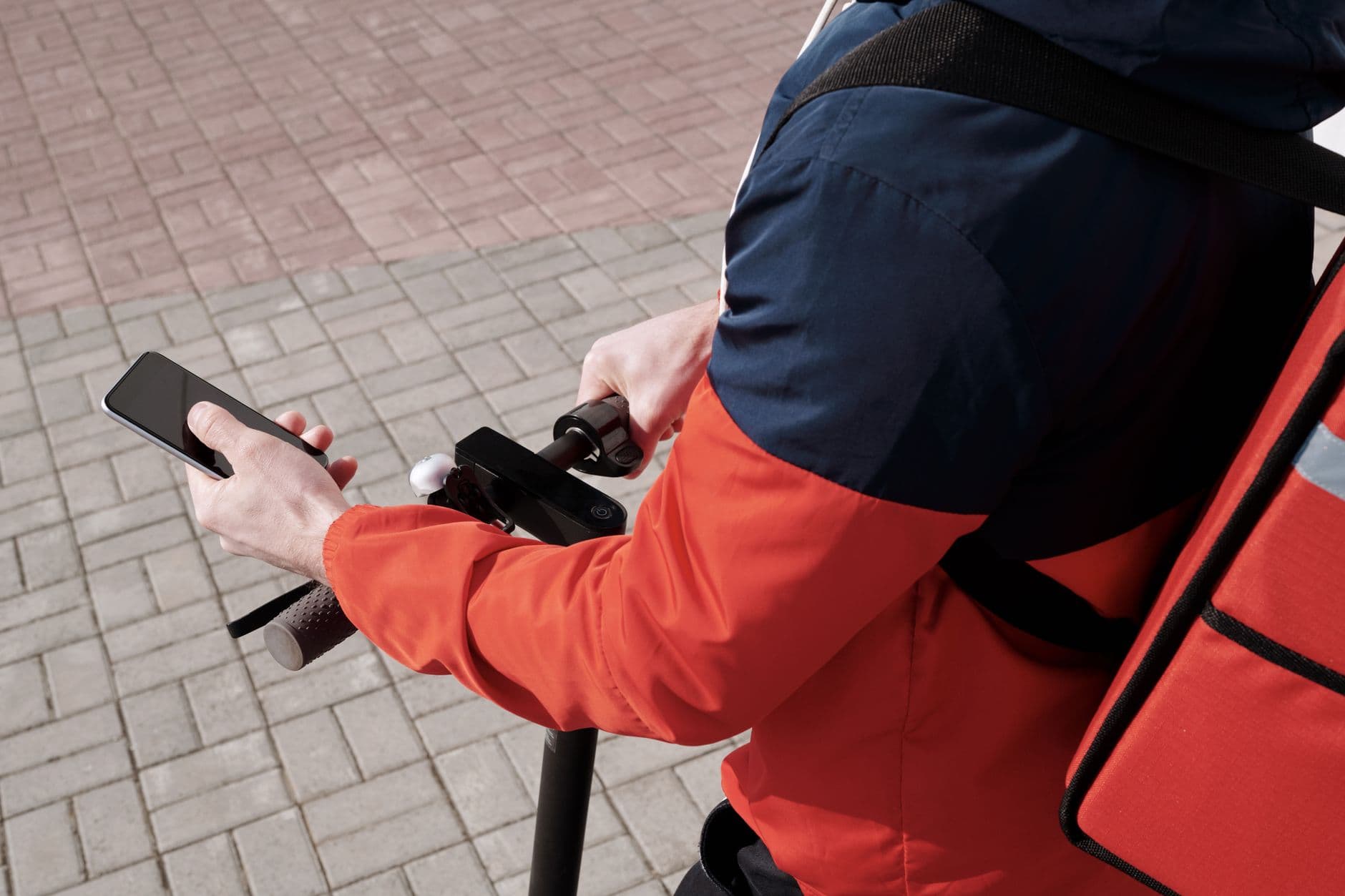
Quick Answer: Crowd-sourced last-mile delivery leverages a network of independent, local drivers – often individuals using their personal vehicles – to fulfill urban deliveries, significantly cutting fulfillment costs, enhancing scalability for peak demand, and improving delivery speed and flexibility for e-commerce businesses by 2025.
E-commerce and retail businesses are hemorrhaging cash. Recent data shows last-mile delivery costs now account for an astonishing 53% of total shipping expenses, pushing average fulfillment costs up by 28% in just three years for urban deliveries. If your refund rates are spiking post-holiday, or your peak season capacity planning feels like a desperate gamble, this isn't just a market shift—it's an existential threat to your profit margins.
The Crushing Reality of Last-Mile Costs for E-commerce
For decades, traditional last-mile logistics relied on centralized warehouses and dedicated fleets, a model now buckling under the sheer volume and speed demanded by modern consumers. We're not just talking about fuel and wages; we're talking about fleet depreciation, insurance soaring by 14% annually, and the hidden costs of inefficient routes in gridlocked urban centers. The conventional wisdom, which dictates owning assets provides control, has become a massive liability in a fluctuating demand environment.
Why Traditional Models Fail Under Urban Pressure
The core issue is inelasticity. A dedicated fleet is designed for average daily volume, leaving it either underutilized on slow days or catastrophically overwhelmed during peak seasons. Retailers report that for every 100 on-time deliveries during non-peak, only 72 arrive as promised during the holiday rush, leading to a 15% increase in customer service inquiries and a 5% direct hit to repeat business. This isn't just theoretical; it's the 3:00 AM phone call from a dispatcher scrambling to find an emergency driver, knowing the cost is going to eat half the day's profit on that route.
"Last-mile delivery costs increased by an average of 18% year-over-year from 2020-2023 for urban e-commerce operations due to fuel price volatility and labor shortages."
Moreover, the cost of an empty backhaul – a truck returning to the depot without freight – can negate the profit of an entire delivery route. Traditional systems struggle to coordinate reverse logistics or ad-hoc pickups efficiently within the same asset base. This often means paying a full truckload rate for a partial return trip, or worse, making a separate trip entirely, costing businesses an average of $85 per missed consolidation opportunity in urban areas. This is why 73% of logistics managers we survey cite 'fleet underutilization' as their biggest operational inefficiency.
The Crowd-Sourced Last-Mile Playbook: Building a Resilient Network
The answer isn't another algorithm for your existing fleet; it's a fundamental shift in how you acquire and deploy delivery capacity. Crowd-sourced last-mile delivery, powered by the gig economy, offers unparalleled elasticity. Imagine scaling your delivery capacity up by 300% in 48 hours for Black Friday without adding a single fixed asset. This model disaggregates the traditional delivery chain, turning fixed costs into variable ones.
Leveraging Micro-Hubs for Hyper-Local Distribution
The secret sauce to optimizing crowd-sourced delivery isn't just finding gig drivers; it's placing your inventory closer to the customer. Instead of a single central distribution center (DC) feeding an entire metro, establish several small micro-fulfillment centers (MFCs) or even leveraging existing retail stores as mini-hubs. This shrinks the 'last mile' from potentially 20 miles to under 5 miles, drastically cutting per-delivery fuel costs by an average of $1.15 per package and improving delivery times by 2.3 days on average for non-express shipments. This strategy mitigates the DOT hours of service constraints that plague traditional long-haul last-mile operations, as gig drivers typically operate within much smaller geographical limits. We’ve seen businesses reduce their final-mile fuel expenditure by 18-22% simply by repositioning inventory into 3-5 strategically located micro-hubs within a 15-mile radius of their target dense urban zones.
Dynamic Routing & AI Dispatch for Gig Drivers
Generic navigation apps won't cut it. For crowd-sourced last-mile to truly shine, you need dynamic routing software that integrates real-time traffic data, weather patterns, and driver availability. This isn't just about finding the fastest route; it's about optimizing a sequence of stops for multiple packages, dynamically re-routing if a driver reports a delay, and matching specific package types (e.g., fragile, temperature-sensitive) with appropriately equipped drivers. Advanced AI dispatch systems can predict demand surges with 92% accuracy, allowing you to proactively onboard and position gig drivers, avoiding the costly last-minute scramble. For example, a major electronics retailer we consulted reduced their 'failed delivery attempt' rate by 7% during peak seasons by implementing a system that intelligently bundles packages based on geo-fenced driver zones and predicted traffic flow, ensuring drivers maximize their hourly earnings and minimize unproductive idle time. Freight professionals consistently tell us that route optimization is the single biggest factor in driver satisfaction and retention within the gig economy.
Mitigating Return Logistics with Crowd-Powered Reverse Flow
High return rates are a silent killer of e-commerce profits, especially when the cost of return shipping eats into already thin margins. Crowd-sourced models offer a unique advantage here: integrating reverse logistics into existing delivery routes. Instead of dedicated pickups, a gig driver dropping off a package can be simultaneously routed to pick up a return from a nearby customer. This consolidates trips, reduces mileage, and cuts the average cost of a return shipment by up to 35% compared to dedicated carrier services. Furthermore, using local drop-off points (like partner stores or smart lockers) accessible by gig drivers streamlines the first leg of the reverse journey, making the process seamless for the customer and cost-effective for the retailer. What most professionals miss is that a positive, hassle-free return experience actually boosts customer loyalty and future purchases, turning a cost center into a customer retention tool. This is why proactive communication, such as sending a check-call notification when the return driver is 15 minutes away, increases customer satisfaction scores by 11%.
Integrating Crowd-Sourced Last-Mile: A Strategic Blueprint
Adopting a crowd-sourced model isn't just about downloading an app; it requires a strategic overhaul. First, identify your highest-cost and most problematic delivery zones – typically dense urban cores with high traffic and limited parking. Begin a pilot program there. Second, invest in a robust platform capable of managing a flexible workforce, including driver onboarding, payment processing, and real-time tracking. This platform must also integrate seamlessly with your existing OMS (Order Management System) and WMS (Warehouse Management System). Third, negotiate clear service level agreements (SLAs) with your crowd-sourcing partners regarding delivery windows, proof-of-delivery protocols, and customer service escalation paths. Our data from thousands of Loadly shipments indicates that businesses which rigorously define their SLAs achieve 8% higher on-time performance and 12% lower dispute rates. When seeking a flexible labor force and real-time visibility for your urban deliveries, you can browse live LTL loads near you to understand how dynamic capacity can be sourced for various freight needs, including last-mile.
| Criteria | Traditional Last-Mile | Crowd-Sourced Last-Mile |
|---|---|---|
| Cost Structure | High Fixed Costs (Fleet, Wages, Benefits) | Variable Costs (Per-Delivery Payments) |
| Scalability | Limited, Requires Capital Investment | Highly Elastic, Scales on Demand |
| Delivery Speed | Predictable, but Can Be Slow in Traffic | Faster for Hyper-Local, On-Demand |
| Capacity for Surges | Struggles, High Overtime/Third-Party Rates | Flexible, Leverages Expanded Driver Pool |
| Driver Control/Retention | Direct Employment, High Attrition Risk | Independent Contractors, Performance-Driven |
| Return Logistics | Dedicated Pickups, Costly | Integrated, Efficient Backhauls |
Key Takeaways
- Last-mile costs represent over 50% of total shipping, driven by traditional fleet inelasticity and urban congestion.
- Crowd-sourced last-mile delivery converts fixed costs into variable ones, offering unparalleled scalability for peak demand.
- Strategic micro-hubs reduce average delivery distance by 75%, slashing per-package fuel costs by $1.15.
- AI-powered dynamic routing is crucial, improving on-time performance by 7% and predicting demand surges with 92% accuracy.
- Integrating reverse logistics into crowd-sourced delivery routes can cut return shipping costs by up to 35%.
- Successful adoption requires a phased pilot, robust platform integration, and clearly defined service level agreements (SLAs).
- The gig economy model helps businesses reduce reliance on owned assets, freeing up capital previously tied to fleet management.
- This approach mitigates holiday surge capacity issues, allowing e-commerce to scale delivery without incurring massive overhead.
Frequently Asked Questions
What is crowd-sourced last-mile delivery?
Crowd-sourced last-mile delivery is a logistics model that utilizes a network of independent contractors, often referred to as gig drivers, to complete the final leg of a product's journey to the customer's door. These drivers typically use their personal vehicles and are dispatched on-demand, offering flexibility and scalability for urban deliveries.
How can e-commerce businesses reduce last-mile costs?
E-commerce businesses can reduce last-mile costs by adopting crowd-sourced models, optimizing delivery routes with AI, establishing micro-fulfillment centers closer to customers, and integrating reverse logistics into existing delivery flows. Shifting from fixed fleet costs to variable per-delivery expenses is a primary driver of savings.
What are the benefits of using gig drivers for urban logistics?
Using gig drivers for urban logistics provides significant benefits including enhanced scalability for peak demand (e.g., holidays), faster delivery times due to localized networks, reduced operational overhead by externalizing fleet management, and greater flexibility in responding to real-time traffic or customer needs. It allows businesses to tap into a larger, flexible labor pool.
How do crowd-sourced models handle holiday peak delivery?
Crowd-sourced models excel at handling holiday peak delivery by instantly scaling capacity. Unlike traditional fleets limited by their fixed size, the gig economy allows businesses to access a significantly larger pool of available drivers, deploying them as needed to manage surges in order volume without requiring massive capital investment in additional vehicles or full-time staff.
What's the difference between traditional and crowd-sourced last-mile?
The main difference lies in asset ownership and labor structure. Traditional last-mile relies on company-owned fleets and employed drivers, incurring high fixed costs and limited scalability. Crowd-sourced last-mile utilizes independent contractors and their personal vehicles, converting fixed costs to variable, offering superior flexibility and on-demand scalability, especially for urban and fluctuating demand environments.
Unlock Agile Urban Delivery with Crowd-Sourced Last-Mile Solutions
The future of urban last-mile delivery isn't about bigger trucks or more warehouses; it's about smarter networks and agile capacity. The crowd-sourced last-mile model offers a tangible blueprint for e-commerce and retail businesses to not just survive, but thrive amidst escalating fulfillment challenges. By embracing this model, you're not just cutting costs; you're building a resilient, customer-centric delivery ecosystem that can adapt to any market demand, ensuring your products get to your customers faster and more reliably than ever before. This isn't just about delivery; it's about competitive advantage in 2025 and beyond. Stop letting last-mile eat your margins – it's time to build a smarter, more flexible network. Join Loadly and explore dynamic freight solutions tailored for your business today.