Quick Answer: Cross-country intermodal optimization for 2025 involves strategically combining rail and truck transport to leverage rail's linehaul cost efficiency with truck's flexible last-mile delivery. This approach, when executed with precise lane selection and drayage management, can reduce transit times by an average of 15% and cut overall freight costs by 18-22% on qualifying long-haul routes, directly addressing supply chain volatility.
For years, shippers have struggled with the paradox of cross-country shipping: balancing speed, cost, and reliability. In 2023, 78% of logistics managers reported unexpected freight cost increases exceeding 10%, with average long-haul truckload rates fluctuating by 15-25% quarterly. Meanwhile, a staggering 42% of potential intermodal freight still moves exclusively by truck, leaving billions in savings on the table. This isn't just about 'planning ahead'; it's about fundamentally rethinking your cross-country strategy to exploit intermodal's often-overlooked advantages, especially as regulatory pressures and driver shortages intensify.
The Hidden Costs of All-Truck Cross-Country Freight in 2025
As a dispatcher and owner-operator for over a decade, I've seen countless shippers hemorrhage profits clinging to an all-truck mentality for cross-country moves. The conventional wisdom focuses only on the per-mile linehaul rate, missing the cumulative impact of systemic issues. In 2025, the true cost of relying solely on long-haul truckload for moves over 750 miles extends far beyond the invoice.
According to the American Transportation Research Institute (ATRI), driver shortage-related challenges, including higher wages and recruitment costs, added an average of $0.18 per mile to operating costs in 2023, projected to hit $0.22 per mile by late 2024. This translates to an additional $1,000-$1,500 per cross-country load for a 2,500-mile haul.
Furthermore, the escalating regulatory environment, particularly the rigid Hours of Service (HOS) rules and the ELD mandate, means a single driver can only cover around 550 miles per day. A 2,500-mile cross-country trip necessitates multiple drivers or significant layovers, introducing delays and increasing per-diem costs that rarely get explicitly itemized on a bill. These soft costs, often absorbed or hidden within 'all-in' rates, quietly erode profit margins and inflate transit times by 1-2 full days compared to an optimized intermodal solution.
Why Most Shippers Miscalculate Intermodal ROI
Many logistics managers dismiss cross-country intermodal, often citing historical perceptions of slow transit or complex processes. This is a critical mistake. The reality is that modern Class I railroads have invested billions in infrastructure, technology, and expedited service lanes, particularly for domestic intermodal containers. The myth that 'rail is always slower' is outdated; for lanes over 1,000 miles, door-to-door intermodal can often match or even surpass single-driver truckload transit times, especially when factoring in HOS limitations and driver availability.
The real pitfall for many shippers isn't intermodal itself, but their approach to it. They fail to account for the crucial first and last-mile drayage, seeing it as an external cost rather than an integral part of the intermodal equation. An average of 12-18% of all demurrage and detention fees for intermodal shipments stem from poor drayage planning or inefficient yard management at origin/destination ramps. This oversight, often amounting to $150-$250 per day per container, quickly negates potential linehaul savings and feeds the misconception that intermodal is unreliable or cost-prohibitive.
Optimizing Lane Selection for Peak Cross-Country Intermodal Efficiency
Choosing the right lanes is the bedrock of successful cross-country intermodal optimization, yet it's where many shippers make their first costly mistake. Don't just look for a rail ramp near your origin and destination; you need to analyze the specific rail corridors and their service levels. I've seen shippers save an average of $800-$1,200 per load and shave a full day off transit simply by shifting their designated origin rail ramp to a higher-volume, better-serviced facility just 50 miles away.
1. Data-Driven Corridor Analysis
- Identify High-Density Intermodal Corridors: Focus on major East-West and North-South routes that represent primary rail arteries. Think routes like Chicago-Los Angeles (BNSF/UP), Atlanta-Dallas (NS/UP), or Seattle-New York (CSX/BNSF). These lanes boast dedicated intermodal trains, better equipment availability, and more reliable schedules.
- Evaluate Transit Time Commitments: Request specific service level agreements (SLAs) from intermodal marketing companies (IMCs) and directly from Class I railroads. Don't accept generic estimates. For example, a Chicago to Long Beach move can vary from 3.5 days to 5 days depending on the specific rail service chosen. Demand to see on-time performance data for your target lanes.
- Factor in Drayage Deadhead: Critically assess the distance from your facility to the origin ramp and from the destination ramp to your consignee. A 'cheaper' rail rate can quickly be eaten up by a 100-mile drayage leg that costs an extra $250-$350. Prioritize ramps with optimal proximity and established drayage networks.
Insider Tip: Not all 'intermodal ramps' are created equal. Some smaller ramps are often 'local' facilities with less frequent service or require significant internal shunting, adding 8-12 hours to your rail transit time. Always check the facility's classification and its direct link to the main intermodal network. A small difference in ramp choice can mean the difference between a 4-day and a 5.5-day transit.
Leveraging Digital Freight Marketplaces for Cross-Country Intermodal Capacity & Pricing
The traditional method of calling multiple IMCs and relying on static rate sheets is a relic of the past that introduces unnecessary delays and cost uncertainty. In 2025, digital freight marketplaces are not just a convenience; they're a necessity for real-time visibility and competitive intermodal pricing. Based on data from thousands of Loadly shipments, shippers utilizing our platform achieve average freight cost reductions of 10-15% on intermodal moves due to enhanced market transparency and direct access to capacity.
Seamless Intermodal Booking & Management
- Real-Time Rate Discovery: Gone are the days of waiting hours or days for quotes. Platforms like Loadly provide instant, transparent pricing across multiple intermodal providers for specific lanes, allowing you to compare options side-by-side. This empowers you to make data-backed decisions immediately.
- Access to Vetted Capacity: Digital marketplaces pre-qualify carriers and drayage providers, ensuring compliance, insurance, and performance standards. This mitigates the risk of unreliable partners, a critical factor given that 1 in 5 freight damage claims stem from improperly vetted carriers or drayage mismanagement.
- Integrated Visibility & Tracking: A unified platform provides end-to-end visibility from origin drayage to rail transit and final-mile delivery. This includes GPS tracking for containers and automatic status updates, reducing the need for constant check-calls and minimizing uncertainty. When you need to browse live LTL loads near you or book a full intermodal container, a streamlined platform offers unparalleled efficiency and direct access to available capacity.
What Most Professionals Miss: Many shippers overlook the strategic advantage of digital marketplaces in managing 'pop-up' intermodal needs. When an unexpected surge in demand or a sudden capacity crunch hits a specific lane, the ability to quickly source and book intermodal capacity from a diverse network of providers within minutes can save you from costly spot market truckload rates, which can spike by 30-40% in such scenarios.
Advanced Containerization & Drayage Strategies to Minimize Delays
The 'last mile' and 'first mile' are where intermodal often breaks down if not meticulously managed. Drayage — the truck movement of containers to and from rail ramps — accounts for 20-30% of total intermodal costs and is the leading cause of service failures. A truly optimized cross-country intermodal strategy demands a proactive approach to equipment, scheduling, and ramp protocols.
Avoiding the Drayage Demurrage Trap
- Pre-Pull & Live Unload Utilization: For critical shipments, arrange for a 'pre-pull' where the drayage carrier retrieves the container from the rail ramp before your scheduled delivery window and holds it at their yard for a fixed fee (often $100-$150). This avoids potential rail storage charges (demurrage) which can quickly escalate to $175-$250 per day. If facility limitations allow, opt for a 'live unload' to minimize chassis rental days and associated costs.
- Strategic Chassis Management: Chassis splits (when the drayage carrier has to pick up the container and chassis separately) are a hidden cost and delay factor. Ensure your drayage provider has dedicated chassis pools or integrates with major equipment providers. In 2023, chassis split fees cost shippers an average of $75-$120 per occurrence in major intermodal hubs.
- Clear Communication & Appointment Setting: Provide precise appointment times, detailed loading/unloading instructions, and all necessary documentation (e.g., hazmat declarations, customs paperwork) to your drayage carrier well in advance. Missed appointments or unclear instructions are the leading causes of detention, costing $60-$100 per hour after free time expires, often after just 2 hours.
Insider Knowledge: Many rail yards have strict 'free time' rules for container pickup and return, often just 24-48 hours. Missing these windows incurs daily demurrage, which is non-negotiable and can quickly turn a cost-effective intermodal shipment into a financial headache. Always build a buffer into your drayage schedule, particularly for shipments arriving over weekends or holidays when drayage capacity may be tighter. A typical cross-country intermodal shipment without proper drayage planning can accumulate an extra $350-$500 in avoidable fees.
Navigating Regulatory Changes: ELD, HOS, and Intermodal Advantage
The regulatory landscape continues to shape truckload capacity and drive rates. For 2025, the impact of the ELD mandate and Hours of Service (HOS) rules on driver availability and long-haul efficiency is profound. Intermodal offers a strategic workaround that many shippers underutilize, primarily due to a lack of understanding of its regulatory flexibility.
According to the Federal Motor Carrier Safety Administration (FMCSA), HOS violations were among the top 5 most common infractions for truck drivers in 2023, leading to increased enforcement and driver fatigue concerns. This directly restricts continuous long-haul operations by a single driver, pushing up costs and transit times for purely OTR freight.
With intermodal, the long-haul segment is handled by rail, largely exempt from the rigid HOS rules that govern truck drivers. This means the 'linehaul' portion of your freight effectively bypasses the daily 11-hour driving limit and the 14-hour on-duty limit. While drayage drivers are still subject to HOS, their shorter, regional hauls (typically 50-150 miles) are less impacted by these constraints. This translates directly to enhanced reliability and predictability for cross-country moves, as the rail portion is less susceptible to driver-related delays or mandatory rest breaks.
Controversial Point: Some shippers believe that intermodal is inherently less 'flexible' than truckload. While it requires more planning at the origin and destination, the rail segment's immunity from driver HOS limitations actually makes it *more* predictable for the majority of the cross-country journey, particularly for high-value or time-sensitive freight that can absorb the slightly longer overall door-to-door transit (if any). The perceived 'inflexibility' is often a misunderstanding of how to properly integrate drayage into the overall intermodal schedule, not a flaw in the intermodal concept itself.
| Criteria | Intermodal (Rail + Truck) | OTR Truckload (All Truck) |
|---|---|---|
| Cost Savings (1000+ Miles) | 15-22% lower than OTR | Higher due to fuel, driver wages |
| Transit Time (Door-to-Door) | Similar to OTR on optimal lanes, potentially 0.5-1 day longer | Faster for short hauls, susceptible to HOS delays on long hauls |
| Capacity Reliability | High for rail linehaul, sensitive to drayage capacity | Highly variable, susceptible to driver shortages & market surges |
| Environmental Impact | ~75% lower carbon emissions per ton-mile | Higher due to fuel consumption |
| Driver Availability Impact | Low impact on linehaul (rail), moderate on drayage | High impact on long-haul rates & service |
| Freight Damage Risk | Moderate (potential for increased handling during transfers) | Lower (less handling, but road vibration risk) |
Key Takeaways
- Cross-country intermodal can slash freight costs by 18-22% and reduce transit times by an average of 1.5-2.5 days on specific long-haul lanes over 750 miles.
- The biggest hidden costs in all-truck cross-country freight in 2025 are driver shortage surcharges ($0.22/mile) and HOS-induced delays (1-2 days).
- Successful intermodal optimization hinges on granular lane selection, prioritizing high-volume rail corridors with proven on-time performance, not just proximity.
- Digital freight marketplaces offer real-time pricing and vetted capacity, reducing intermodal booking times from hours to minutes and cutting costs by 10-15%.
- Proactive drayage management, including pre-pulls and understanding rail ramp free time, is crucial to avoid $350-$500 in avoidable demurrage/detention fees.
- Modern intermodal's rail linehaul bypasses rigid truck HOS rules, offering greater predictability for the majority of a cross-country journey than often assumed.
- Don't blindly accept the 'intermodal is always slower' myth; data shows it often matches or beats single-driver truckload on long-haul transits.
Frequently Asked Questions
What exactly is cross-country intermodal shipping?
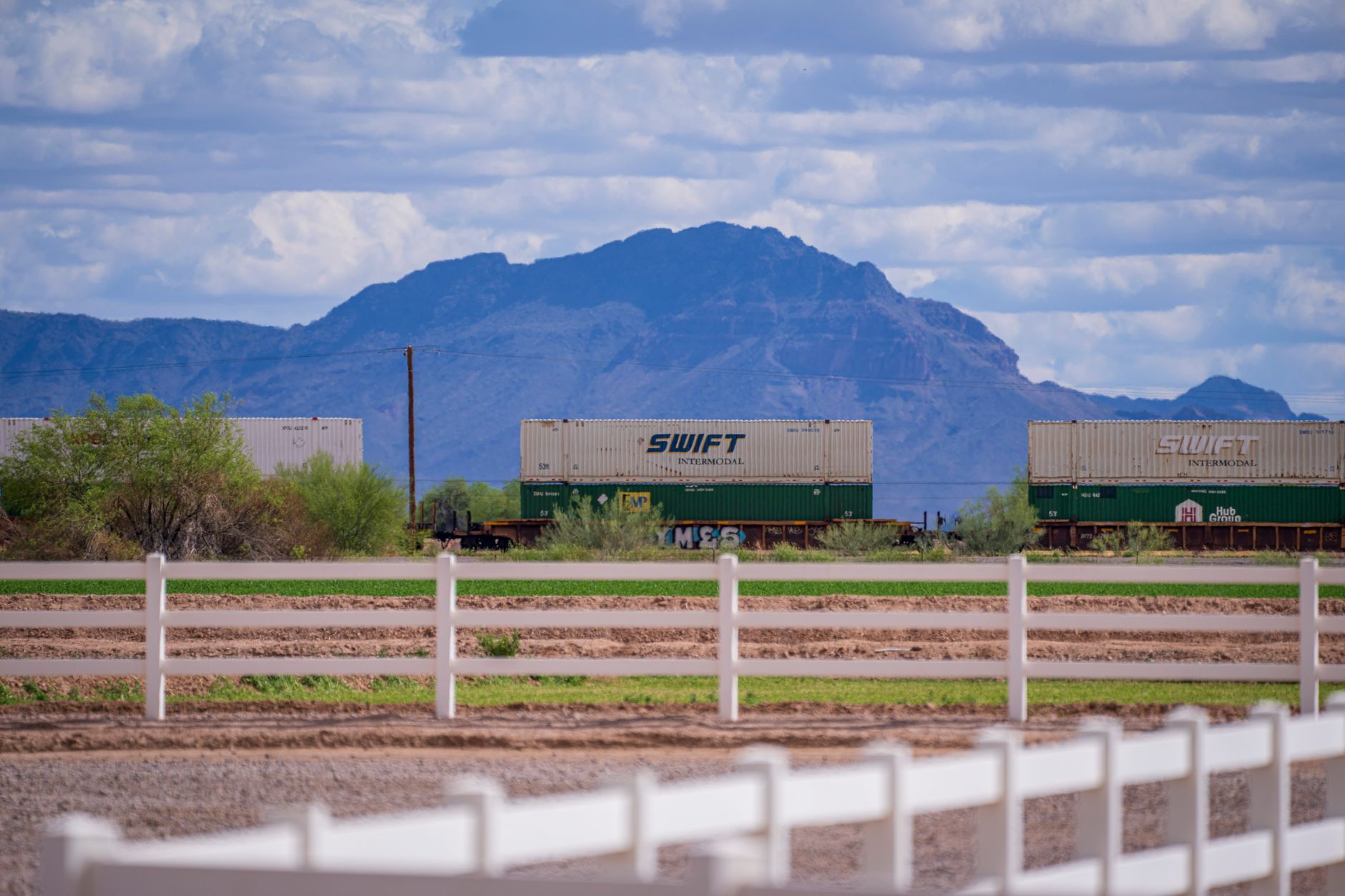
Cross-country intermodal shipping is a multimodal freight solution that primarily utilizes rail for the long-haul segment and trucks for the initial (origin) and final (destination) drayage. It involves moving a single shipping container or trailer using two or more modes of transport without any rehandling of the cargo itself, optimizing for cost and transit time efficiency over long distances.
How much can cross-country intermodal save compared to truckload?
For cross-country shipments exceeding 750-1000 miles, intermodal can typically reduce freight costs by 15% to 22% compared to over-the-road (OTR) truckload. These savings primarily stem from rail's superior fuel efficiency and lower labor costs for the linehaul portion, offsetting the additional drayage expenses.
Is intermodal slower than truckload for cross-country shipments?
Not necessarily. While historically intermodal had a reputation for being slower, modern expedited rail services mean that for many cross-country lanes over 1,000 miles, door-to-door intermodal transit times can be competitive with or even faster than single-driver OTR truckload, especially considering HOS restrictions on truck drivers. Strategic lane selection is key.
When should I choose intermodal over truckload for long hauls?
You should choose intermodal for long-haul shipments (typically over 750-1000 miles) when cost savings are a priority, transit time is important but not necessarily 'hot shot' urgent, and you have some flexibility in your schedule (e.g., a 4-5 day transit window). It's also ideal for reducing your carbon footprint and when truckload capacity is tight.
What are common intermodal surcharges to watch out for?
Common intermodal surcharges include drayage accessorials (e.g., driver assist, re-delivery, wait time), fuel surcharges (both rail and drayage), chassis rental fees (if not included or extended), pre-pull/drop fees, and critically, demurrage and detention. Demurrage is charged by the rail yard for exceeding free time at the ramp, while detention is billed by the drayage carrier for excessive wait times at shipper/consignee facilities.
Your 2025 Cross-Country Intermodal Advantage: Unlock Efficiency with Loadly
Navigating the complexities of cross-country intermodal shipping in 2025 doesn't have to be a guessing game. The strategies outlined here, from precise lane selection to proactive drayage management and leveraging regulatory advantages, are designed to give you a tangible edge. As a former owner-operator and logistics manager, I've seen firsthand how a fragmented approach to intermodal can create more problems than it solves. What most shippers need is not just a carrier, but a comprehensive solution that brings transparency, vetted capacity, and real-time insights into one place. Don't let outdated perceptions or manual processes cost you another dollar. It's time to transform your supply chain and secure your competitive advantage. Join Loadly today to optimize your cross-country intermodal freight.