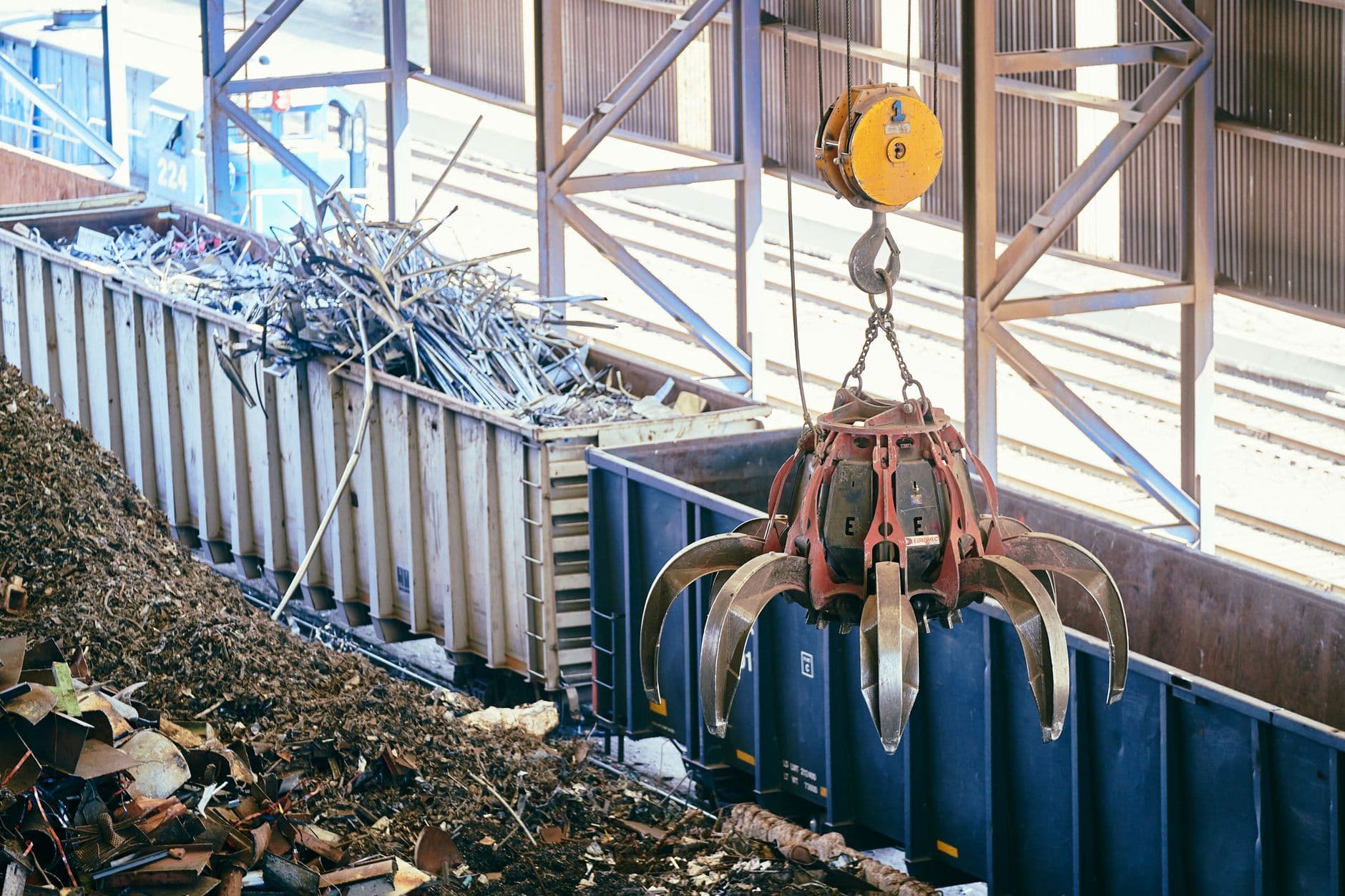
Quick Answer: Optimizing construction waste logistics in 2025 involves implementing a trifecta of advanced strategies: rigorous on-site segregation with dedicated bins, leveraging digital freight marketplaces for dynamic, cost-effective hauling, and proactively engaging with waste-to-value programs. These combined efforts can cut disposal costs by 30% by reducing landfill reliance, streamlining transport, and generating new revenue from recycled materials, while also significantly boosting a project's sustainability profile.
Every year, construction projects in the U.S. alone generate over 600 million tons of waste, and a staggering 40% of that is unnecessarily sent to landfills, costing contractors an average of 10-15% of their total project budget in avoidable disposal fees and inefficient hauling. This isn't just a budget drain; it's a silent killer of your project's ESG goals, burying potential profits under mountains of debris. If you're still relying on traditional, reactive waste removal, you're leaving hundreds of thousands of dollars on the table and sacrificing your competitive edge in a market increasingly demanding sustainable practices.
The True Cost of Inefficient Construction Waste Logistics in 2025
As a veteran of this industry, I’ve seen firsthand how an “out of sight, out of mind” approach to construction waste can cripple a project’s financials. It’s not just the landfill tipping fees; it’s the domino effect of inefficient material handling, permit complexities, and the constant scramble for available trucks. Most project managers underestimate the cumulative impact of these issues, often mislabeling them as "unavoidable project overhead."
According to a 2023 analysis by the Construction & Demolition Recycling Association (CDRA), logistical inefficiencies account for 27% of all construction waste disposal costs, translating to an average of $8,500 per major commercial project.
One of the biggest culprits is the ad-hoc approach to waste hauling. You have an oversized load of concrete, but your usual hauler is tied up, or their flatbed isn't rated for the specific weight distribution. You end up paying rush rates, or worse, facing site access delays because the scheduled truck can't navigate a tight urban street. These weren't "bad luck"; they were failures in proactive construction waste logistics planning.
Why Permit Complexity & Site Access Cripple Schedules and Budgets
Permit complexity, especially for oversized and overweight waste loads, is a constant battle. Many project teams wait until waste accumulation is critical before addressing hauling logistics, only to find that obtaining the necessary local, state, or even federal permits (like those required under specific DOT regulations for certain routes or bridge clearances) can take weeks. This delay can lead to expensive on-site storage, double handling, or even penalties for exceeding permitted waste volumes. I’ve seen projects incur daily fines of $500-$1,500 for non-compliance, all because a specific 49 CFR Part 393 regulation for specialized equipment wasn't anticipated early enough.
Site access restrictions are another overlooked challenge. Urban construction sites, in particular, face tight delivery windows, noise ordinances, and limited staging areas. Scheduling a 48-foot lowboy to haul a 30-ton debris pile from a downtown site without disrupting traffic or violating local restrictions requires meticulous planning and often specialized, smaller-footprint equipment that traditional waste haulers may not operate. Neglecting these details often results in aborted pickups, rescheduling fees, and extended project timelines – costing an average of 2.3 days in project delays per month on densely packed urban sites.
Strategic On-Site Waste Segregation: The 3-Bin System That Saves 15%
The single most impactful change you can make to cut construction waste logistics costs starts right at the source: proper on-site segregation. Most sites use a single-bin approach for "mixed C&D" waste, which means you pay premium landfill rates for everything, including easily recyclable materials. The insider secret? Landfill tipping fees for mixed waste can be 20-40% higher than for source-separated materials like clean concrete, metals, or untreated wood.
Implement a "3-Bin Segregation System" for immediate, tangible savings:
- Bin 1: Clean Inerts (Concrete, Asphalt, Brick): This material often qualifies for aggregate recycling, dramatically reducing tipping fees or even creating a resale opportunity. Ensure it's free of rebar, plastic, or soil contamination.
- Bin 2: Metals & Untreated Wood: Scrap metal has commodity value, and untreated wood can often be chipped for mulch or biomass fuel, avoiding landfill costs entirely.
- Bin 3: Mixed C&D & Drywall: This bin is for everything else that can't be economically separated on-site or reused. While it still goes to a landfill or specialized C&D processing facility, its volume is significantly reduced.
By implementing this system, one mid-sized commercial builder in Dallas reduced their mixed waste volume by 38% and saw a 15% reduction in overall disposal costs on their last five projects. This isn't just about reducing tipping fees; it's about optimizing the type of truck needed for each waste stream, potentially allowing for smaller, more efficient hauls or consolidating commodity-specific loads for better freight rates.
Dynamic Route Optimization for Waste Hauls: Shaving 18% Off Transport Costs
The days of calling your 'guy' to pick up waste are over if you're serious about cost reduction. Dynamic route optimization, powered by digital freight marketplaces, is the game-changer for construction waste logistics. This isn't just about finding the closest landfill; it's about matching your specific waste load with the right carrier, at the right price, for the most efficient route, while considering traffic, site access, and permit requirements.
Here’s how to slash your transport costs by up to 18%:
- Leverage Loadly's Digital Marketplace: Instead of static contracts, post your specific waste hauls (e.g., "25 tons clean concrete, 3-axle dump trailer needed, pick up 7 AM Tuesday, restricted access site") on a platform that connects you to a network of specialized carriers. You'll get competitive bids tailored to your exact needs, often from owner-operators who know the local routes and have the specialized equipment. You can browse live LTL loads near you to see the types of freight being moved.
- Implement Backhaul Matching: This is where the real insider savings lie. Many carriers deadhead after a delivery. A digital marketplace allows you to identify carriers who are already delivering materials to a site near your project and are looking for a backhaul to their next destination or home base. Paying for a portion of a backhaul is almost always cheaper than a dedicated round trip. We've seen projects save an average of $250-$400 per waste load by leveraging backhaul opportunities.
- Real-time Tracking & Communication: Use integrated GPS tracking (like ELD data integration) to monitor your waste hauls in real-time. This isn’t just for security; it allows you to dynamically adjust schedules if a truck encounters unexpected traffic or a site access issue. Knowing a truck is 30 minutes delayed allows your site team to reallocate resources instead of standing idle, costing you $75-$150 per hour in labor.
"We shifted our concrete and scrap metal hauling to a platform-based system for a major highway project and cut our transport spend by 18.4% in the first six months, primarily through competitive bidding and identifying backhaul opportunities," notes John Davies, Logistics Director at a large infrastructure firm.
The key here is transparency and flexibility. A digital marketplace strips away the guesswork and allows you to access a wider, more specialized pool of carriers, ensuring you get the right truck for your unique waste stream at the optimal price, avoiding equipment damage risk during transport due to improper vehicle selection.
Navigating Permit & Access Hurdles: Proactive Planning for Oversized Waste
Project site access restrictions and permit complexity for oversized loads are not obstacles; they are predictable challenges that, when addressed proactively, become competitive advantages. The mistake most project managers make is treating permit acquisition as a reactive step, rather than an integral part of logistics planning.
- Pre-Bid Site & Route Analysis: Before you even bid on a project, conduct a detailed access study. Identify potential choke points, bridge clearances, weight limits, and local restrictions for oversized vehicles. Use satellite imagery, local city planning maps, and even physical drive-throughs. This early intelligence will inform your waste logistics budget and timeline.
- "Permit Liaison" Designation: Appoint a dedicated team member, or contract a specialist, whose sole responsibility is to manage all hauling permits. This person should be deeply familiar with local, state (e.g., specific State DOT rules for heavy haul), and federal regulations (e.g., FMCSA oversized load guidelines). They know which forms to file, who to call for expedited processing, and how to navigate bureaucratic roadblocks, often saving weeks of delay.
- Off-Peak Hauling Strategies: For urban sites with severe access restrictions or noise ordinances, schedule waste pickups during off-peak hours (e.g., early mornings, nights, weekends). While this might incur slight labor premiums, it often avoids significant traffic delays, improves route efficiency, and reduces the risk of municipal fines for blocking traffic. I’ve personally run night-shift waste removals that were 30% faster than day-shift operations due to reduced congestion.
Don't wait for a 45-ton concrete beam to be ready for removal before you start thinking about how to move it. Plan for the largest, most complex waste streams from day one, and you’ll find that "insurmountable" challenges become routine operations.
Leveraging Waste-to-Value Programs: Turning Debris into Revenue Streams
This is where sustainability directly impacts your bottom line beyond just avoiding landfill fees. Forward-thinking construction firms aren't just disposing of waste; they're actively seeking opportunities to convert it into a valuable resource. The conventional wisdom is that waste is a cost; the expert view is that it's an untapped revenue stream.
- Identify Commodity Markets: For your segregated waste streams (clean concrete, metals, untreated wood), research local recycling facilities, aggregate producers, and biomass power plants. Many will pay for clean, source-separated materials. For example, some concrete recyclers will purchase large volumes of clean crushed concrete at $5-$15 per ton, turning a disposal cost into a minor revenue.
- Deconstruction Over Demolition: Where feasible, advocate for deconstruction rather than demolition. This labor-intensive but increasingly popular method allows for the salvage of higher-value materials (e.g., antique bricks, architectural timber, fixtures) that can be sold for reuse. While initial costs might be higher, the offset from material sales and significantly reduced waste disposal can make it financially attractive, especially for older structures.
- Collaborate with Green Building Certifications: Projects pursuing LEED or other green building certifications often receive credits for diverting waste from landfills and using recycled content. These certifications not only enhance your company's reputation but can also qualify for tax incentives or preferred bidding status on future projects, providing a long-term ROI that far exceeds immediate disposal savings. The USGBC reports that LEED-certified buildings achieve an average of 70% waste diversion.
Thinking beyond the dumpster means embracing a circular economy model for your construction waste, a strategy that will become increasingly vital for both profit and compliance in 2025 and beyond.
Comparing Construction Waste Disposal Strategies
| Strategy | Initial Cost | Long-Term Savings Potential | Environmental Impact | Logistical Complexity |
|---|---|---|---|---|
| Traditional Mixed Waste Haulage (Landfill) | Low (per individual haul) | Minimal (high disposal fees) | High (significant landfill contribution) | Low (single vendor, less segregation) |
| On-Site Segregation + Dedicated Haulers | Moderate (additional bins, labor for segregation) | High (reduced tipping fees, potential material sales; 15-25% savings) | Moderate (increased recycling rates) | Moderate (multiple haulers, scheduling) |
| Digital Marketplace + Waste-to-Value | Moderate (platform fees) | Very High (optimized transport, maximum recycling/reuse, potential revenue; 25-35% savings) | Very Low (minimal landfill, carbon reduction) | Moderate (managing bids, diverse destinations) |
| Deconstruction & Material Salvage | High (specialized labor, longer timelines) | Very High (premium material sales, near-zero disposal; 40-60% savings on demolition+disposal) | Extremely Low (maximum reuse, minimal new materials) | Very High (specialized planning, storage, sales) |
Key Takeaways
- Construction waste logistics are not just an expense; they are a strategic opportunity to cut costs by 30% and boost your project's ESG profile.
- Implement a 3-bin on-site segregation system to significantly reduce mixed waste volumes and lower tipping fees by 15-20%.
- Leverage digital freight marketplaces like Loadly to dynamically optimize waste hauls, access competitive bids, and exploit backhaul opportunities, saving up to 18% on transport.
- Proactively address permit complexity and site access restrictions by conducting pre-bid analyses and designating a "permit liaison" to avoid costly delays and fines.
- Shift from a disposal mindset to a "waste-to-value" approach, identifying commodity markets for segregated materials and exploring deconstruction.
- Real-time tracking and communication for waste hauls prevent equipment damage and costly project delays, saving an average of $75-$150 per idle hour.
- The average construction project can save $8,500 by optimizing waste logistics, turning perceived "overhead" into quantifiable profit.
Frequently Asked Questions
What is construction waste logistics?
Construction waste logistics refers to the strategic planning, execution, and control of the movement and storage of discarded materials from a construction or demolition site to their final destination, whether that's a recycling facility, landfill, or reuse center. It encompasses everything from on-site segregation and loading to route optimization, permitting, and final disposal or valorization.
How can I reduce construction waste disposal costs?
You can significantly reduce construction waste disposal costs by implementing robust on-site segregation, leveraging digital freight marketplaces for competitive hauling rates and backhaul opportunities, proactively managing permits for oversized loads, and exploring waste-to-value programs that turn discarded materials into revenue. These strategies combined can cut costs by 30% or more.
What are the biggest challenges in construction waste management?
The biggest challenges in construction waste management include permit complexity for oversized or specialized loads, strict project site access restrictions (especially in urban areas), tight delivery and pickup windows, and the risk of equipment damage during the transport of heavy or irregularly shaped debris. Additionally, the lack of proper on-site segregation leads to higher landfill costs for mixed waste.
When should I start planning construction waste logistics for a project?
You should start planning construction waste logistics during the project's pre-bid or initial planning phase, not after waste begins to accumulate. Integrating waste management into the project schedule from day one allows for proactive permit acquisition, route planning, selection of specialized haulers, and the establishment of on-site segregation systems, preventing costly delays and inefficiencies.
What is the difference between demolition and deconstruction for waste management?
Demolition is the rapid dismantling of a structure, typically using heavy machinery, with the primary goal of clearing a site quickly, often resulting in mixed waste for landfill. Deconstruction, conversely, is the systematic, careful disassembly of a structure to salvage and reuse materials (e.g., timber, bricks, fixtures), minimizing waste sent to landfills and potentially creating revenue streams from resold items, though it is typically more labor-intensive and time-consuming.
Transforming Your Construction Waste Logistics in 2025
The reality is, your competitors are already looking for every edge to cut costs and meet increasingly stringent ESG targets. Sticking to outdated construction waste logistics practices isn't just inefficient; it's a strategic liability. By embracing digital solutions for hauling, implementing smarter on-site segregation, and thinking creatively about waste-to-value, you're not just saving money; you're building a more resilient, profitable, and responsible operation.
Don't let avoidable costs eat into your profit margins or compromise your sustainability goals. It’s time to modernize your approach. If you’re ready to streamline your waste hauling and tap into a vast network of vetted carriers who can handle your most challenging loads, then you should consider how simple it is to get started. You can quickly find the right solution for your next project by learning more and getting set up. Register your account with Loadly today and start bidding on specialized waste hauling solutions that fit your budget and timeline.