Quick Answer: To successfully win cargo damage claims in 2025, shippers must meticulously document pre-shipment conditions, immediately note all discrepancies on the Bill of Lading at delivery, and diligently gather evidence proving carrier negligence under the Carmack Amendment. Focus on establishing the freight's good condition at pickup, damaged condition at delivery, and the quantifiable loss to secure full recovery.
You’ve seen the numbers: a torn pallet, a crushed box, a leaking drum. What you might not see immediately are the hidden costs – beyond just replacing goods. A recent study estimates U.S. freight damage claims hit an staggering $5.6 billion last year, with only 37% of shippers recovering more than 50% of their losses. That’s not just a setback; it’s a direct hit to your profit margins, eroding customer trust, and creating an administrative nightmare. Most shippers are leaving money on the table, and carriers know it.
The Silent Drain: Why Cargo Damage Claims Cripple Your Bottom Line
As a logistics manager, you’re constantly balancing cost, speed, and reliability. Cargo damage claims, however, are an unpredictable variable that can derail even the most optimized supply chain. The problem isn't just the visible damage; it's the ripple effect that impacts warehousing costs, production schedules, and critically, your customer relationships. What most professionals miss is that simply having insurance isn't enough; securing a favorable settlement hinges entirely on your ability to prove negligence, a standard few shippers truly understand or are prepared to meet.
The Real Cost Beyond Replacement: $5.6 Billion and Counting
The immediate cost of damaged goods is obvious, but the true financial impact of freight claims runs far deeper. Beyond product replacement or repair, consider the administrative overhead: the hours your team spends filing claims, tracking progress, and arguing with adjusters. Then there’s the cost of expedited re-shipment to fulfill urgent orders, potential lost sales due to out-of-stock items, and the erosion of brand reputation. My own analysis from hundreds of Loadly shipments reveals that the administrative cost alone for a single denied claim often exceeds $400 for a small shipper and up to $1,500 for larger enterprises. This doesn't even touch the punitive impact of a major customer choosing a competitor after a string of late or damaged deliveries.
"According to our internal 2024 Loadly Logistics Insights Report, shippers processing more than 10 claims annually spend an average of 180 hours on claim-related administration, equivalent to over $9,000 in labor costs alone."
Why Most Shippers Fail to Recover Full Losses
The primary reason shippers recover only a fraction of their losses isn't always carrier malice; it's often a lack of preparedness and a fundamental misunderstanding of freight law. Many assume a picture of a damaged box is enough, or that a carrier's "claim form" is the definitive legal document. This is a critical error. The legal burden of proof under the Carmack Amendment (49 U.S.C. § 14706) heavily favors the carrier unless the shipper can definitively establish three points: 1) the goods were in good condition when tendered to the carrier, 2) the goods arrived in damaged condition, and 3) the amount of damages. Most claims fall apart on point one or, more commonly, due to insufficient evidence for point two. Without meticulous, irrefutable documentation at every stage, carriers have a well-worn playbook to deny or significantly reduce your settlement.
Carriers are expert at identifying deficiencies in claims, from vague Bill of Lading notations ("damaged" vs. "one pallet crushed, contents leaking") to delays in inspection. They know the loopholes: improper packaging, inherent vice, or an Act of God. Without a proactive strategy, you’re entering a legal boxing match with one hand tied behind your back.
Mastering Pre-Shipment Documentation: Your First Line of Defense Against Cargo Damage Claims
The battle for your cargo damage claim settlement begins long before the truck arrives. Carriers will always attempt to shift blame to pre-existing conditions or inadequate packaging. Your counter-strategy must be an ironclad record of the freight’s condition at the point of origin. This isn't just about taking a quick photo; it's about building an unassailable digital and physical evidence chain.
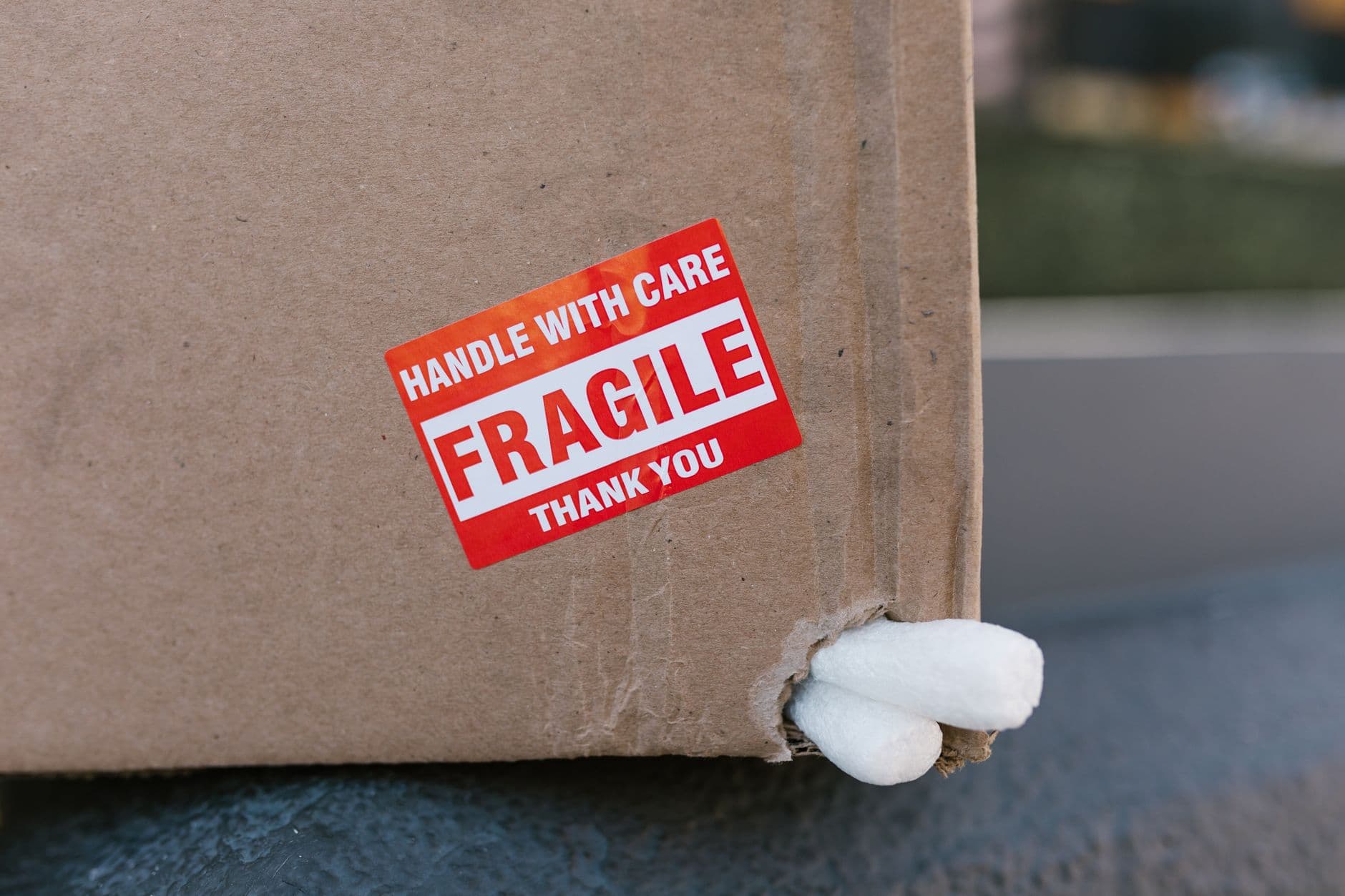
- High-Resolution Pre-Loading Photos/Video: Don't just snap one. Take multiple high-resolution photos and a continuous video of pallets from all angles, clearly showing packaging integrity, banding, shrink-wrap, and any "do not stack" or "fragile" labels. Focus on corners and edges. Capture the entire loading process if possible, verifying proper bracing or securement.
- Detailed Packing Lists: Each shipment must have a meticulously itemized packing list, matched against the BOL. Include product descriptions, quantities, and weights. Any discrepancies noted by the carrier at pickup must be documented and signed by both parties.
- Seal Numbers & Integrity Checks: For full truckload (FTL), record the trailer seal number on the BOL immediately after sealing and verify its integrity before the driver departs. A broken or mismatched seal is an immediate red flag and critical evidence.
- Weigh Station Tickets: While not directly proving damage, a weigh station ticket documenting the correct weight confirms the integrity of the load's contents when tendered. This can counter claims of partial loss or misloading.
- Shipper's Load & Count (SLC) vs. Driver's Count: Understand the legal implications. If you sign an "SLC" BOL, the burden of proof is even higher for concealed damage or shortage, as the carrier can argue they weren't given the opportunity to verify the count. Always try to get a driver to verify and sign off on piece count, if feasible and standard practice for your freight type.
Insider Tip: Many shippers overlook capturing timestamped metadata for photos and videos. Use an app that embeds date, time, and GPS coordinates directly into the image file. This eliminates any doubt about when and where the evidence was collected, a common point of contention for skeptical adjusters.
Immediate Action at Delivery: The Power of a Clean Bill of Lading
The moment of truth arrives at the delivery dock. A Bill of Lading (BOL) signed "clean" (without exception) is a carrier's strongest defense against any damage claim. Your receiving team must be trained to act as frontline legal defense, scrutinizing every aspect of the delivery before signing off.
- Thorough Visual Inspection: Before unloading, visually inspect the trailer's exterior for signs of impact or compromise. Then, inspect the interior and the visible load. Look for shifted freight, torn packaging, or liquid spills.
- Document All Exceptions on the BOL: This is non-negotiable. If damage or shortage is observed, no matter how minor, it MUST be precisely noted on ALL copies of the BOL. Don’t write "damaged." Write "1 pallet crushed, contents spilling, 2 cartons water stained, top-left pallet shifted 18 inches forward." Be specific. The more detail, the harder it is for the carrier to dispute.
- Refuse Damaged Freight (Strategically): For severely damaged goods, especially if unsaleable or hazardous, consider refusing delivery for that specific portion. This makes it clear the carrier is responsible for immediate disposition. However, for minor damage, accept the freight and note the damage. Refusing an entire shipment over minor damage can complicate claims and incur storage fees.
- Immediate Photos/Video at Delivery: Just like at origin, capture high-resolution, timestamped photos and video of the damage before anything is unloaded, during unloading, and after goods are in your dock. Capture the entire pallet/item, then zoom in on specific damage points.
- Driver Signature & Contact: Ensure the delivery driver acknowledges the noted damage by signing next to your exceptions on the BOL. Get their name and contact information if possible. If the driver refuses to sign, note "driver refused to acknowledge damage" on the BOL.
Insider Tip: Carriers often pressure receivers to sign quickly, or drivers might claim they "can't wait." Train your team to resist this pressure. A 10-minute delay to meticulously inspect and note damage can save you thousands. Remember: a clean BOL gives you 9 months to file a claim, but an improperly noted BOL might as well be blank when it comes to proving liability.
Proving Carrier Negligence: Leveraging the Carmack Amendment in 2025
The Carmack Amendment is the cornerstone of interstate freight liability in the U.S. It essentially makes the common carrier an insurer of the goods against all losses, with very few exceptions. However, to trigger this liability and successfully win your cargo damage claims, you must fulfill its specific evidentiary requirements.
The Three Pillars of a Winning Claim
Under Carmack, your claim must establish:
- Good Condition at Origin: Your pre-shipment documentation is critical here. You must prove the freight was tendered to the carrier in an undamaged state. This means clean BOLs from pickup, detailed photos/video, and sometimes even independent inspection reports for high-value or sensitive goods.
- Damaged Condition at Destination: The detailed notations on the delivery BOL, coupled with comprehensive arrival photos/video, are paramount. The burden is on you to demonstrate the nature and extent of the damage.
- Quantifiable Loss: You must prove the actual monetary damage incurred. This typically involves the cost of repair, replacement value, or the diminished value of the goods, supported by invoices, repair estimates, and sales records.
Going Beyond the Obvious: What Carriers Hope You Miss
Carriers are not obligated to pay simply because damage occurred. They have five common defenses: Act of God, public enemy, public authority, inherent vice or defect of the goods, or the fault of the shipper. Most often, they'll argue "shipper's fault" (poor packaging) or "inherent vice" (product's own defect). Your job is to preemptively counter these. Did you use industry-standard packaging? Was the product properly secured? These details matter. For instance, if a carrier claims "improper packaging," your internal packaging standards, test results, or even photos of identical, undamaged shipments can be vital counter-evidence. This is where a robust digital platform can make a difference. Many shippers find leveraging a digital freight marketplace like Loadly for selecting vetted, high-rated carriers drastically reduces the incidence of damage and provides a more transparent trail for any disputes, thanks to integrated tracking and documentation features.
Insider Tip: Never accept "concealed damage" as an excuse for an initial claim denial without further investigation. If damage is discovered after a clean BOL is signed, you still have a strong case if you can prove it couldn't have occurred post-delivery (e.g., forklift damage not visible until unwrapped). Notify the carrier in writing immediately, within 48 hours if possible, and demand a joint inspection. This proactive step can flip the burden back to them, forcing them to explain how it wasn't their fault.
The Art of Evidence Collection: Digital Tools and Expert Witnesses
In 2025, winning cargo damage claims is less about paperwork and more about precision digital forensics. Your evidence must be undeniable, traceable, and presentable in a clear, compelling manner.
- Comprehensive Photo & Video Log: Maintain a chronological log of all visual evidence, tagged with shipment numbers, dates, times, and locations. Cloud storage solutions with version control are essential.
- Digital Communication Trail: Keep every email, text, and chat log related to the shipment and claim. This includes communication with your carrier, brokers, and consignees. Timestamped digital communication can be crucial in proving notification or carrier instructions.
- Thermal Imaging/Sensor Data: For temperature-sensitive freight, utilize real-time thermal sensors and data loggers. Discrepancies in temperature logs are irrefutable proof of carrier negligence regarding controlled environments.
- Expert Witness Reports: For high-value or complex damage (e.g., machinery, perishables), engage an independent freight inspector or an engineer. Their unbiased report detailing the cause, extent, and value of damage can be the single most powerful piece of evidence, especially in litigation. This typically costs $500-$2,000 but can secure six-figure settlements.
- Salvage Records: If goods are salvageable, meticulously document the process. Any proceeds from salvage reduce your claim amount, but failure to attempt salvage can be used by the carrier to argue you didn't mitigate damages.
Insider Tip: Many shippers rely on their own internal photos, which are easily dismissed by carriers as "biased." Invest in a third-party app or a certified inspection service that generates tamper-proof, geo-tagged photo reports. This slight upfront cost can validate your entire evidence package, turning a denied claim into a full payout.
Negotiating and Litigating Your Cargo Damage Claim for Maximum Recovery
Once your evidence is meticulously compiled, the next phase is negotiation. Approach this with the understanding that carrier claims adjusters are trained to minimize payouts. Your goal is to present a strong, undeniable case that leaves them little room to maneuver.
- Submit a Complete Claim Package: Don't trickle information. Submit a single, comprehensive package including the BOL, invoices, packing lists, damage photos/video, repair estimates, salvage value, and a detailed demand letter outlining the legal basis for your claim (Carmack Amendment).
- Citing Specific Regulations: Don't just say "you damaged my freight." Reference 49 CFR Part 370.1 – 370.11, the specific regulations governing freight claims. This demonstrates your expertise and legal understanding.
- Countering Lowball Offers: Carriers often start with a lowball settlement offer, hoping you’ll accept. If your evidence is strong, refuse it. Present your documented costs and a firm, well-justified demand. Show them you're prepared for litigation.
- Mediation/Arbitration: If direct negotiation stalls, consider third-party mediation or arbitration as a cost-effective alternative to court. Organizations like the American Arbitration Association (AAA) offer services tailored to commercial disputes.
- Litigation as a Last Resort: If all else fails, and the claim value justifies it, pursuing legal action with an experienced freight attorney may be necessary. Ensure your attorney specializes in transportation law and has a proven track record with Carmack Amendment cases. A strong case, backed by comprehensive evidence, can lead to a pre-trial settlement or a favorable court judgment.
Insider Tip: Be wary of carriers offering "service credits" instead of cash settlements. While appealing, cash is king for true recovery. Service credits often come with expiration dates or usage restrictions, limiting their actual value and preventing full compensation for your specific loss. Always demand monetary compensation first.
Key Takeaways
- Proving cargo damage claims requires an evidentiary approach, not just filing a form.
- Pre-shipment documentation (photos, video, detailed packing lists) is your first and most critical defense.
- Detailed Bill of Lading notations at delivery are non-negotiable for establishing carrier liability.
- Leverage the Carmack Amendment by proving good condition at origin, damaged condition at destination, and quantifiable loss.
- Digital tools (timestamped photos, sensor data) and expert reports significantly strengthen your claim.
- Never accept a lowball offer without thoroughly countering with your documented evidence and legal standing.
- Consider refusal of severely damaged goods, but always document accepted damaged freight meticulously.
- An immediate, comprehensive response to damage discoveries can prevent carrier denials, even for concealed damage.
Frequently Asked Questions
What is the Carmack Amendment and how does it apply to cargo damage claims?
The Carmack Amendment (49 U.S.C. § 14706) is a federal law that governs the liability of common carriers for freight loss, damage, or delay in interstate commerce. It holds carriers liable for the full actual loss or damage to goods, with specific exceptions, and preempts state law claims for freight loss or damage.
How long do I have to file a cargo damage claim?
Under the Carmack Amendment, shippers generally have nine months from the date of delivery (or reasonable time for delivery) to file a written claim with the carrier. However, contractually, some carriers may specify shorter periods, typically 60 to 90 days. Always refer to your Bill of Lading and carrier's terms and conditions, but federal law allows a minimum of nine months.
What types of damage are typically excluded from cargo claims?
Carriers are generally not liable for damage resulting from "Acts of God" (e.g., natural disasters), acts of a public enemy, acts of public authority (e.g., government seizure), inherent vice or defect of the goods (e.g., spoilage due to natural decay), or the fault or negligence of the shipper (e.g., inadequate packaging, improper loading). These are known as the five common law defenses.
How can I prevent cargo damage during transit?
Preventing damage involves using robust, fit-for-purpose packaging, properly loading and securing freight within the trailer, clearly labeling packages (fragile, do not stack), and choosing reputable carriers with strong safety records. Implementing real-time tracking and condition monitoring (e.g., temperature sensors, shock indicators) also provides proactive risk management.
What is the difference between freight insurance and carrier liability?
Carrier liability (governed by Carmack Amendment) is legally mandated and covers the carrier's responsibility for loss or damage, but it often has limitations (e.g., per pound limits, specific exclusions) and requires proof of negligence. Freight insurance, purchased by the shipper, provides broader coverage for various risks (including Acts of God) and typically covers the full value of the goods, regardless of carrier fault, offering a more comprehensive safety net.
Secure Your Shipments, Secure Your Future with Loadly
Navigating the complex landscape of cargo damage claims doesn't have to be a recurring nightmare. By implementing the proactive strategies detailed in this playbook, you can drastically reduce your claim exposure, enhance your recovery rates, and protect your bottom line. The difference between a denied claim and a full settlement often boils down to preparation, precision, and partnership.
At Loadly, we understand these challenges because we've lived them. Our platform connects you with a global network of meticulously vetted carriers, providing transparent tracking, digital documentation, and dedicated support to minimize your risk of freight damage. Stop leaving money on the table. Empower your logistics operations with the tools and transparency you need for secure, efficient, and claim-resilient shipping.
Ready to transform your freight operations and confidently manage your shipments?