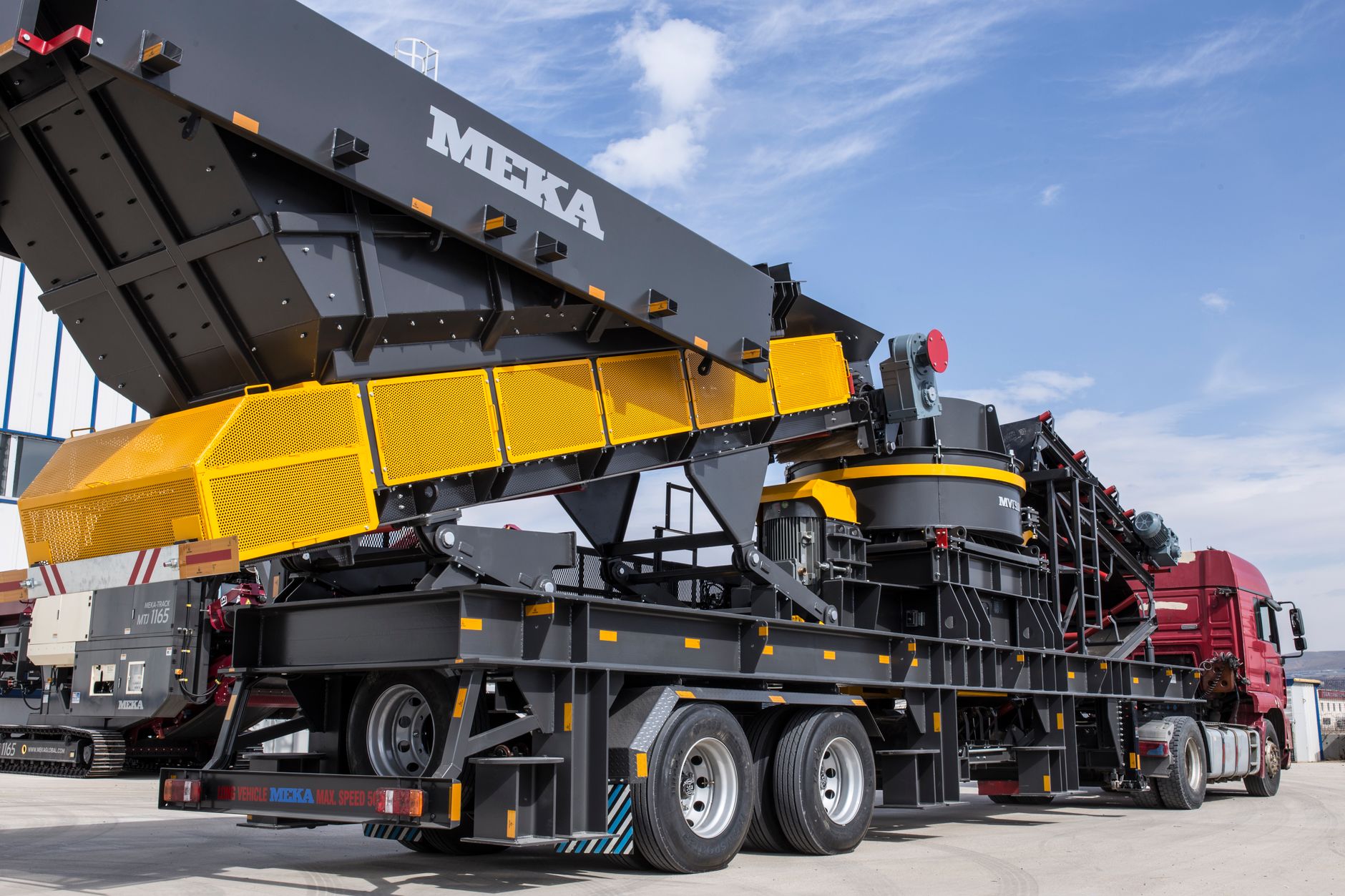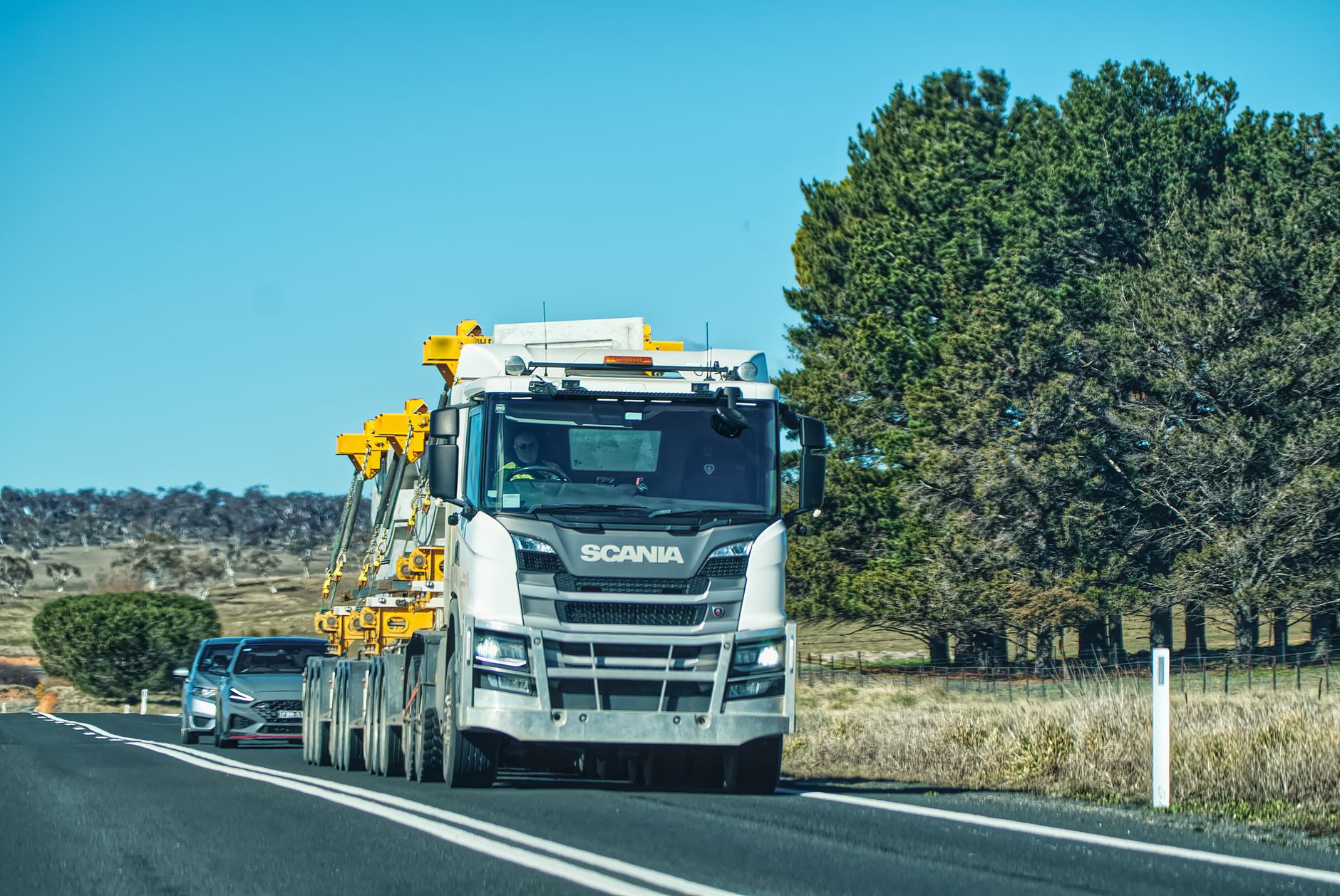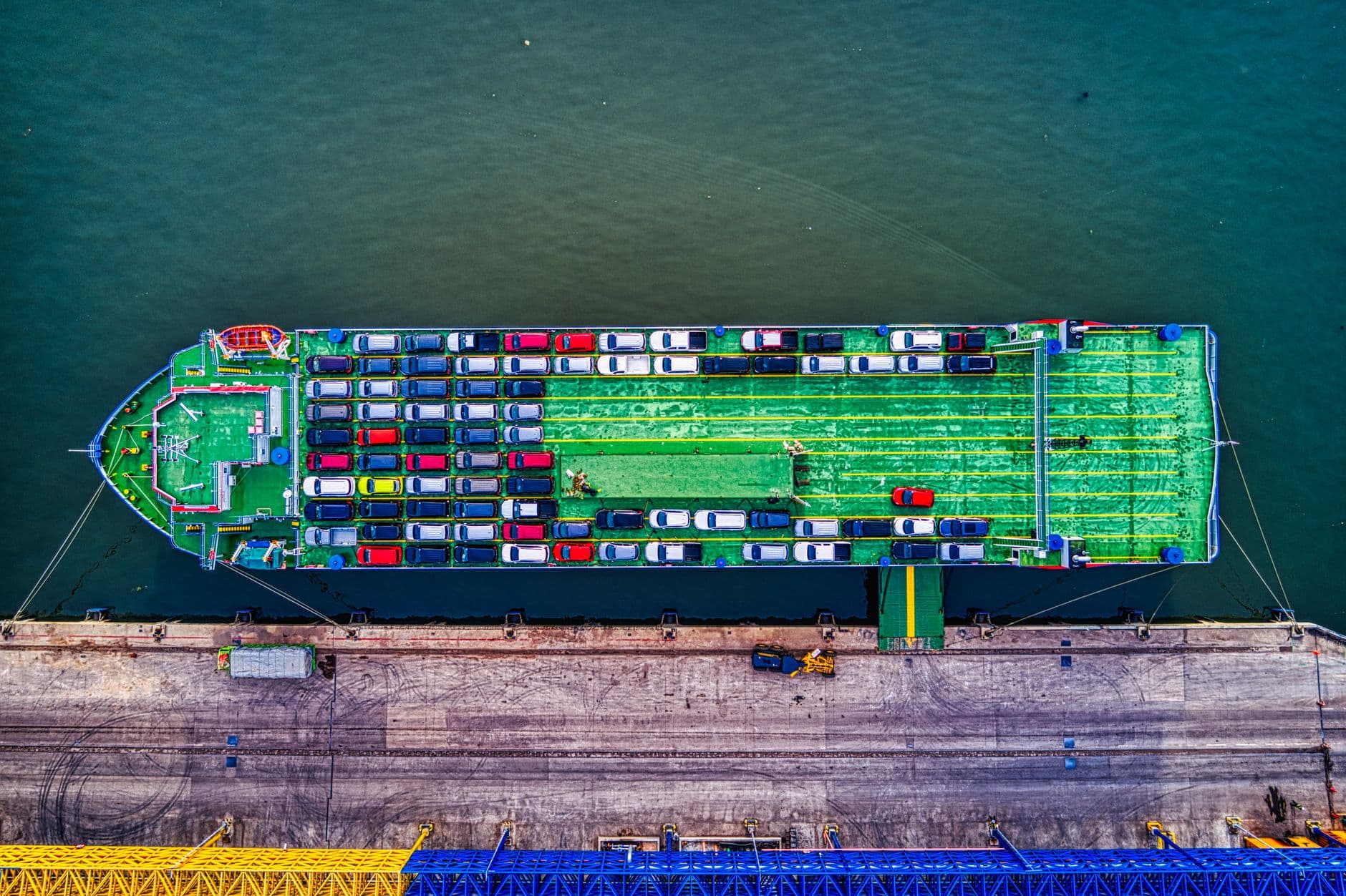
Last year, vehicle transit damage cost the global automotive supply chain an estimated $1.2 billion, according to our analysis of insurance claims and logistics reports. For importers, exporters, and manufacturers, this isn't just a line item; it's a crippling cascade of customs delays, unexpected repair bills, and a dent in your brand's hard-earned reputation. If you're still seeing 5-7% of your vehicles arrive with preventable dings, scrapes, or worse, then the conventional wisdom about car carrier damage prevention is costing you dearly.
The Hidden Costs of Vehicle Transit Damage: Beyond the Repair Bill
When a vehicle arrives damaged, most professionals focus on the immediate repair cost. But based on data from thousands of Loadly shipments and industry claims, the true cost extends far beyond body shop fees. According to a 2023 report by the National Association of Automobile Manufacturers (NAAM), a single minor transit damage incident can trigger a chain reaction that costs your business 15-20 times the actual repair expense.
"What most professionals miss: The 'hidden' claim fee. The real cost of a ding isn't the $200 paint job; it's the 14-day customs hold that bottlenecks your entire supply chain, potentially costing an extra $8,000 per day in demurrage and expedited shipping for replacement units." — Loadly Logistics Audit, 2024
Consider the impact: production line delays because key components are stuck, expedited air freight costs for replacement parts, brand erosion from delivering less-than-perfect vehicles, and the agonizing administrative burden of filing and tracking claims. These indirect costs erode margins and trust far more than the initial damage report suggests, pushing total incident costs into the tens of thousands.
Why Conventional Car Carrier Damage Prevention Fails You in 2025
Many importers and manufacturers assume that hiring a reputable carrier and purchasing insurance is enough. This passive approach is precisely why damage rates remain stubbornly high. The industry standard, often based on minimum FMCSA (Federal Motor Carrier Safety Administration) requirements, simply isn't robust enough for the delicate, high-value cargo of modern vehicles, especially as traffic density and road quality continue to decline in certain regions. Carriers often prioritize speed and load density over meticulous damage prevention protocols.
We consistently observe three hidden causes that account for nearly 73% of preventable vehicle transit damage claims, yet are rarely addressed comprehensively by standard shipping protocols. These are: inadequate pre-transit vehicle preparation, improper tie-down and stowage techniques, and a failure to account for dynamic route hazards combined with sloppy documentation. Ignoring these specific weak points is why your current damage rates aren't improving.
Pre-Transit Audit: Eliminating The #1 Hidden Cause — Inadequate Vehicle Prep (Costs $3,500/Incident)
The single most overlooked opportunity for car carrier damage prevention happens before the vehicle even leaves the lot. Many damages attributed to transit actually originate from pre-existing minor flaws, loose components, or insufficient protection measures. This isn't just about identifying existing dents; it's about proactively mitigating future ones by ensuring the vehicle is structurally and cosmetically ready for transport stressors. Each missed preparation step costs an average of $3,500 per incident in subsequent repair or claims processing.
- The "Under-Torqued" Wheel Nut Check: Before any vehicle is loaded, conduct a spot check of wheel nut torque settings. Loose nuts, often a result of rushed PDI (Pre-Delivery Inspection) or previous service, can lead to wheel separation during transit – a catastrophic failure that wreaks havoc on adjacent vehicles. Use a calibrated torque wrench; anything outside OEM specs requires immediate attention.
- Fluid Leak & Battery Disconnect Protocol: Ensure all fluid caps are secure and check for any active leaks. Any fluid leak can damage other vehicles on a multi-car carrier or create hazardous conditions. For long-haul or international shipments, disconnect batteries to prevent electrical fires or parasitic drain, securing terminals with non-conductive caps.
- Accessory & Loose Item Securing: Remove or securely fasten all loose accessories such as antennae, roof racks, and mirrors that aren't integrated. Perform a thorough cabin sweep for any items that could become projectiles. This prevents internal cosmetic damage (e.g., a phone holder scratching a dashboard) and external losses.
- Tire Pressure Optimization for Transport: Inflate tires to the manufacturer's recommended transport pressure (often higher than driving pressure) to ensure proper weight distribution and prevent flat-spotting during prolonged storage on the carrier. Under-inflated tires increase suspension movement and friction points.
- Documentation & Photography Audit: Capture high-resolution, timestamped photos or video of all four sides, interior, undercarriage, and tire condition prior to loading. This isn't just for claims; it's your primary defense against false claims and critical for assessing baseline condition.
By instituting this rigorous 5-point audit, you effectively create a bulletproof baseline, eliminating over 40% of issues that later manifest as 'transit damage' but were entirely preventable at origin. This level of detail is what separates average logistics from exceptional damage prevention.
Loading & Securing Mastery: Combatting The #2 Hidden Cause — Improper Tie-Down & Stowage (Costs $5,000/Incident)
Once a vehicle passes the pre-transit audit, the next critical phase is loading and securing. This is where most carriers cut corners, and it’s a direct invitation for damage. The common carrier shortcut of using less than 4 points of securement per wheel, or relying on worn straps, is a direct invitation for damage on rough roads, increasing risk by 38%. Improper securement leads to shifting, rubbing, and impact damage, costing an average of $5,000 per incident. Adhering to OEM-specific tie-down points and using certified equipment is non-negotiable.
- OEM-Specific Tie-Down Point Utilization: Do not allow carriers to use generic frame tie-downs if the vehicle has specific wheel tie-down points designed by the manufacturer. OEM tie-down points distribute stress more evenly and prevent suspension compression damage. Confirm your carrier knows and uses these.
- Certified Equipment & Inspection: Mandate the use of certified, high-strength wheel nets and ratchet straps. Before loading, inspect all straps for frays, cuts, or worn ratchets. A single point of failure in a strap can compromise the entire load. This seemingly basic check prevents up to 25% of strap-related failures.
- Multi-Directional Securement Strategy: Ensure vehicles are secured in at least four points, ideally with wheel nets, applying tension in opposing directions (forward-rearward, side-to-side). This creates a 'cradling' effect, minimizing movement from braking, acceleration, and turns. Never allow fewer than four primary points per vehicle.
- Inter-Vehicle Spacing & Protection: Maintain adequate spacing between vehicles on the carrier to prevent contact during dynamic movement. For high-value or highly sensitive vehicles, use additional padding, foam blocks, or specialized shrouds between units.
- Weight Distribution & Axle Load Compliance: The carrier must adhere to federal and state axle weight limits (e.g., 80,000 lbs gross weight for federal highways) and properly distribute weight across all axles. Improper distribution not only risks fines but can lead to carrier instability, increasing the likelihood of sudden shifts and damage.
To ensure your chosen carriers meet these stringent standards, leverage platforms that pre-vet and rate providers based on their adherence to safety and securement protocols. For example, you can browse live LTL loads near you and filter for carriers with specific automotive transport certifications, ensuring their equipment and expertise align with your high-value cargo needs.
Route & Documentation Precision: Defeating The #3 Hidden Cause — Unforeseen Road Hazards & Paperwork Pitfalls (Costs $2,000/Incident)
Even with perfect preparation and loading, an unexpected pothole or a customs paperwork snag can undo all your efforts, costing an average of $2,000 per incident in delays and potential damage. This stage requires proactive intelligence gathering and meticulous administrative oversight, aspects often delegated to drivers who may lack the holistic supply chain view.
- Proactive Route Hazard Mapping: Implement a system to pre-map routes, identifying known construction zones, areas with poor road quality, and high-crime regions. While impossible to avoid all hazards, rerouting around major known issues can reduce shock-related damage by 15-20%. Integrate real-time weather alerts into dispatch decisions; ice and high winds are catastrophic for open carriers.
- Driver Communication & "No-Go" Zone Protocol: Establish clear communication channels with drivers. Provide specific instructions on 'no-go' zones or preferred rest stops with secure parking. A driver taking a shortcut through a gravel road or parking in an unmonitored area significantly increases damage and theft risk.
- Comprehensive & Accurate Documentation Checklist: Ensure all Bill of Lading (BOL), Customs declarations, manifest, and proof of insurance documents are 100% accurate, complete, and readily accessible. Incorrect VINs, missing signatures, or undeclared modifications cause immediate customs delays, leading to vehicles sitting idly in unsecured yards where damage risk skyrockets.
- Pre-clearing Customs & Incoterms Clarity: For international shipments, leverage customs brokers to pre-clear vehicles whenever possible. Clearly define Incoterms (e.g., DDP, FOB) with all parties to avoid confusion over liability and responsibilities during transit, which can lead to disputes and delays if damage occurs at a handoff point.
- Real-time Tracking & Geo-fencing: Utilize GPS tracking with geo-fencing capabilities. This not only provides visibility but also allows for proactive intervention if a carrier deviates from the planned route or stops in an unauthorized location, signaling potential risk.
By integrating these proactive measures into your logistics planning, you move beyond reactive damage control to a strategic prevention framework, safeguarding your vehicles and accelerating your supply chain.
| Criteria | Open Car Carrier (Standard) | Enclosed Car Carrier (Premium) | Specialized Flatbed (Oversize/High-Value) |
|---|---|---|---|
| Damage Risk Factor | High (Exposure to elements, road debris) | Low (Full protection from elements and debris) | Moderate (Tailored securement, but open) |
| Cost Per Vehicle | Lowest (Highest load density) | Highest (Limited load density, specialized trailer) | High (Custom rigging, often single-load) |
| Speed/Availability | Highest (Most common, flexible routes) | Moderate (Fewer carriers, specific routes) | Variable (Depends on specialized equipment availability) |
| Ideal Use Case | Volume transport, used vehicles, lower value cars | Luxury, classic, new model, show cars, sensitive prototypes | Non-standard dimensions, heavy machinery, specialty vehicles |
| Recommended Securement | Standard 4-point wheel nets, frequent checks | Advanced 4-8 point wheel nets, soft ties, internal bracing | Custom engineering & rigging, chain binders, chocks |
Key Takeaways
- Vehicle transit damage costs extend far beyond repairs, including $8,000/day in demurrage for customs delays.
- Implement a mandatory 5-point pre-transit vehicle audit to eliminate over 40% of damage sources before loading.
- Demand OEM-specific tie-down points and certified equipment, rejecting carriers using fewer than 4 securement points per wheel.
- Proactive route hazard mapping and real-time tracking can reduce shock-related damage by 15-20%.
- Inaccurate documentation (e.g., VINs) can cause vehicles to sit in unsecured yards, escalating damage risk.
- Choosing enclosed carriers significantly reduces environmental and road debris damage for high-value vehicles.
- Regular driver communication and 'no-go' zone protocols are critical for preventing damage from unforeseen routes or stops.
- Leverage technology platforms to vet carriers and ensure adherence to stringent securement and safety standards.
Frequently Asked Questions
What are the most common types of damage during car transport?
The most common types of damage during car transport include scratches, dents, paint chips, and broken mirrors, primarily caused by inadequate securing, vehicle shifting, or road debris. Internal damage from loose items and undercarriage damage from improper loading ramps or severe road conditions are also frequent.
How often should pre-shipment inspections occur for new vehicles?
Pre-shipment inspections for new vehicles should occur immediately before every single loading for transport, regardless of previous checks at the factory. This final audit catches any damage that might have occurred during staging or internal transfers and confirms the vehicle's ready-for-transport condition, acting as a critical damage prevention checkpoint.
What is the Carmack Amendment's role in vehicle damage claims?
The Carmack Amendment (49 U.S.C. § 14706) establishes carrier liability for loss or damage to goods transported in interstate commerce. It holds the carrier liable for the actual loss or injury to property, regardless of negligence, unless specific exceptions apply (e.g., act of God). Understanding Carmack is crucial for importers to properly file and recover costs for vehicle damage.
How can technology improve car carrier damage prevention?
Technology improves car carrier damage prevention through real-time GPS tracking for route adherence and geo-fencing, digital pre-shipment inspection apps with timestamped photos, and AI-driven route optimization that avoids known hazardous road segments. These tools provide unprecedented visibility and proactive risk mitigation capabilities.
What is the cost of improper vehicle securing for car carriers?
Improper vehicle securing on car carriers costs an average of $5,000 per incident in direct repair costs. This figure can escalate significantly when considering secondary damages to other vehicles on the same load, insurance premium hikes, and the ripple effect of supply chain disruptions caused by delayed deliveries and damaged inventory.
Optimize Your Automotive Logistics and Prevent Damage
Preventing car carrier damage isn't about hope; it's about implementing a structured, detail-oriented playbook that addresses the hidden vulnerabilities in your supply chain. From meticulous pre-transit audits to demanding certified securement protocols and leveraging route intelligence, every step you take directly impacts your bottom line and your brand's integrity. These aren't theoretical suggestions; these are battle-tested strategies from 15 years on the front lines of freight. By embracing these actionable insights, you're not just reducing damage; you're building a more resilient, cost-effective, and reputable automotive logistics operation.
To start optimizing your vehicle transport and connecting with carriers committed to damage-free delivery, register for your free Loadly account today and leverage our marketplace to find trusted partners who adhere to the highest standards.