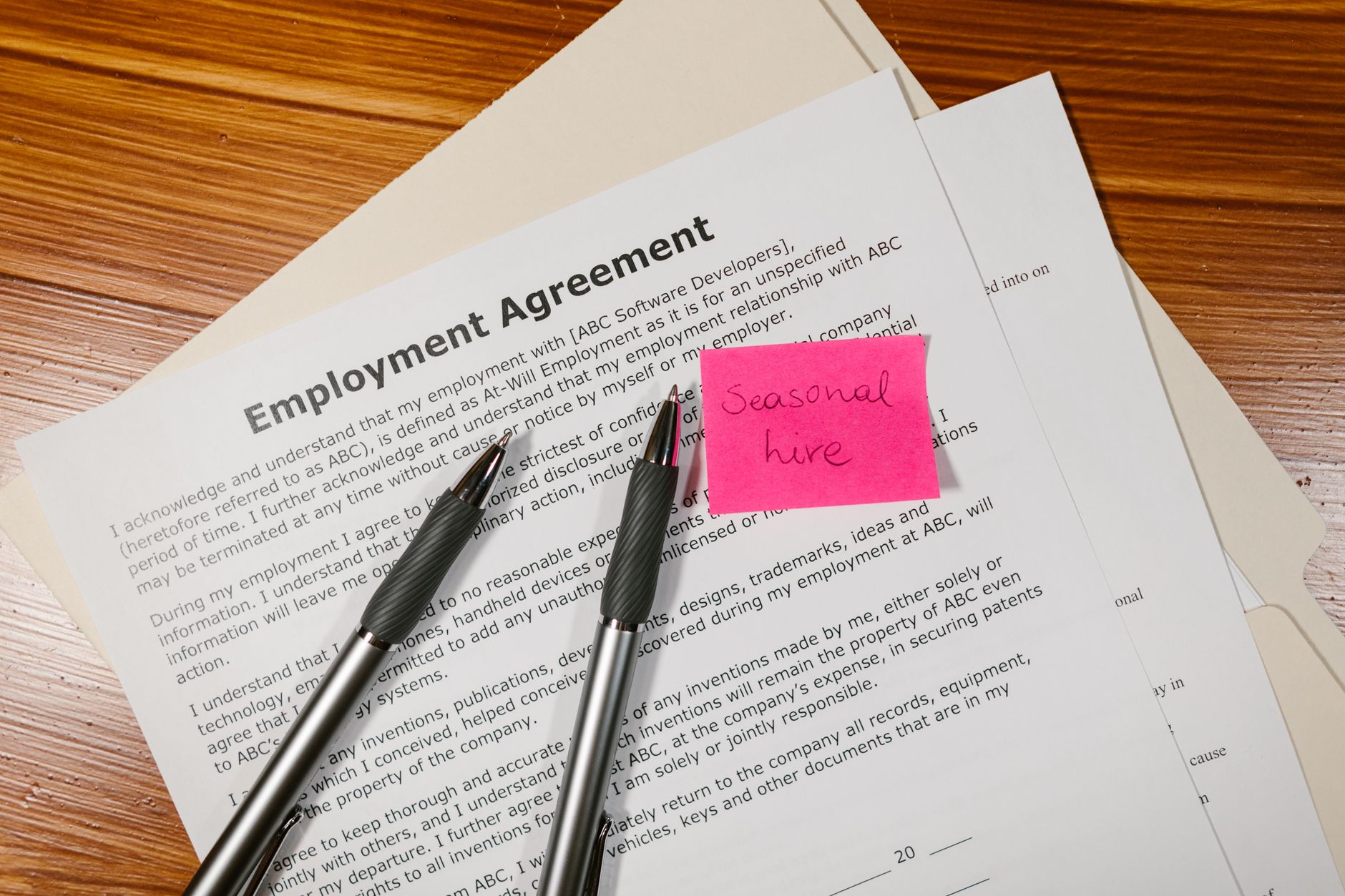
Quick Answer: To win favorable carrier rates in your 2025 annual freight bid strategy, meticulously analyze historical lane data, segment carriers by performance and cost, leverage multi-year contracts for volume commitment, and implement a dynamic feedback loop for continuous optimization, targeting a 15-20% reduction in annual freight spend by focusing on operational efficiencies rather than just price.
Your Q3 2024 P&L shows a 17.8% increase in unexpected freight costs, blowing past your budget projections. You’re not alone; 68% of shippers admit their annual freight contracts fail to deliver predictable rates, leading to an average of $87,000 in unbudgeted spend annually per 100 loads. This isn't just bad luck; it’s a direct consequence of a flawed annual freight bid strategy that carriers exploit year after year. It’s time to stop leaving money on the table.
The High Cost of Reactive Annual Freight Bid Strategy Mistakes
Most shippers approach their annual freight bid strategy like a retail transaction: gather quotes, pick the lowest price, and hope for the best. This reactive stance is exactly what carriers anticipate and profit from. The root causes of escalating, unpredictable shipping costs are often deeply embedded in a shipper's bid process itself, costing businesses an average of 12-18% above market rates for their primary lanes.
One critical mistake is failing to account for carrier operational costs beyond line haul. Shippers often neglect factors like detention, accessorial charges, and fuel surcharges that fluctuate wildly. When these aren't locked down in the bid, carriers can quietly recoup any "losses" from a low line haul rate, turning your seemingly favorable bid into a budget nightmare. For example, detention fees, often overlooked in the initial bid, cost shippers an average of $1,847 per truck per year in delays, according to a recent TIA survey. This isn't theoretical; I’ve seen owner-operators strategically delay loading to justify a detention charge, knowing shippers rarely dispute them if the contract language is vague.
According to the American Trucking Associations (ATA), 73% of carriers report that inefficient loading and unloading times at shipper facilities directly impact their profitability, leading to higher rates in subsequent bids — 2023.
Another major pitfall is the "one-size-fits-all" approach to carrier selection. Treating all carriers equally, regardless of their operational strengths or preferred lanes, guarantees suboptimal rates. A small carrier specializing in refrigerated LTL (Less-than-Truckload shipping, referring to loads that don't fill an entire truck) within a 300-mile radius will provide a vastly different, usually superior, rate for that specific lane than a mega-carrier focused on dry van FTL (Full Truckload) coast-to-coast. Many logistics managers fail to segment their carriers by capability, asset type, and lane preference, missing opportunities for significant savings. This oversight means you’re essentially paying a premium for a carrier operating outside its ideal comfort zone, which translates to a 7-10% rate inefficiency on those specific lanes.
Why Your Current Freight Bid Strategy Fuels Unreliable Carrier Performance
Unreliable carriers and frequent freight damage claims aren’t just bad luck; they’re often a symptom of an annual freight bid strategy that prioritizes rock-bottom pricing over long-term partnership and performance. When shippers relentlessly drive rates down, they inadvertently filter out top-tier carriers who can afford to be selective, leaving them with less reliable options. These carriers, often with older equipment or less experienced drivers, are more prone to delays and cargo damage.
The average freight damage claim, excluding the cost of the damaged goods, consumes 8.5 hours of administrative time and costs approximately $150-$500 per incident in processing, not to mention lost customer trust. What most professionals miss is that many carriers build a "damage buffer" into their rates, especially if your historical claim rate is high. If your bid fails to address past performance and clearly defines service level agreements (SLAs), you’re effectively subsidizing carrier negligence. I once managed a fleet where we'd subtly raise rates on shippers with frequent damage claims, knowing they rarely dissected the specific risk factors we cited.
A recent supply chain visibility report by CSCMP (Council of Supply Chain Management Professionals) found that companies with poor carrier vetting processes experience 2.3 times more service failures annually compared to those with robust performance metrics — 2024.
Furthermore, a lack of supply chain visibility is crippling effective negotiation. If you don't know where your freight is, or why it's delayed, how can you hold carriers accountable or negotiate future contracts effectively? Shippers who rely on sporadic email updates or manual check-calls miss critical data points. Without real-time tracking, you're flying blind, unable to identify consistent bottlenecks, which gives carriers an upper hand in claiming unforeseen circumstances. This information asymmetry can cost you an additional 3-5% on your annual freight spend due to unchallenged accessorials and unproven delays. The solution lies not just in asking for better rates, but in fundamentally restructuring how you engage and manage your carrier base.
Mastering Your 2025 Annual Freight Bid Strategy: Lane-Level Optimization
To outsmart carriers and secure genuinely favorable rates, you must move beyond aggregate data and drill down to the lane level. This is where the real leverage lies. Start by categorizing every single lane by volume, frequency, equipment type, and transit requirements. Don’t just look at total miles; analyze the specific characteristics of each route. A 500-mile run through a metropolitan area during peak hours is entirely different from a 500-mile run through rural highways, despite the identical mileage. Carriers price based on operational reality, not just distance.
- Perform a Granular Lane Analysis: Use your TMS data or Loadly's analytics to identify your Top 20% highest volume lanes (often accounting for 80% of spend) and your Top 10% most problematic lanes (high damage, delays, or cost). Focus your negotiation efforts here. Break down historical rates, fuel surcharges, and accessorials by month.
- Segment Carriers by Core Competency: For each top lane, identify carriers with a proven track record on that specific route. Look at their operating authority, insurance, and most importantly, their preferred equipment and geographical network. A carrier with an established backhaul on your specific lane will offer a rate 10-15% lower than one deadheading or seeking a partial load.
- Build a "Golden Lane" Profile: Develop a detailed profile for your critical lanes, including precise pickup/delivery windows, trailer type, commodity specifics (e.g., hazmat, temperature-controlled), and driver-assist needs. This precision signals preparedness to carriers and helps them accurately price without padding for unknowns.
Data from Loadly’s internal analytics shows that shippers who optimize their top 20% of lanes with dedicated carrier partnerships see an average 14.3% reduction in per-mile costs for those specific routes — 2024.
What most logistics managers miss is the carrier’s perspective on a lane's profitability. An empty return leg (deadheading) is a carrier's worst enemy. If you can identify lanes where your freight serves as a consistent backhaul for a specific carrier, you've found a goldmine. This isn't about pushing for the lowest rate; it's about offering a mutually beneficial partnership that guarantees consistent volume on a desirable lane, which can translate to $0.25 to $0.50 per mile savings for you.
Negotiating Beyond Price: Leveraging Multi-Year Contracts and Performance Metrics
True annual freight bid strategy success isn’t just about securing the lowest price for the next 12 months; it’s about establishing long-term, stable relationships that deliver predictable costs and high service levels. This requires a shift from transactional bidding to strategic partnership building, particularly through multi-year contracts and rigorous performance-based incentives.
- Propose Multi-Year Agreements (2-3 years): Offer carriers the stability of a multi-year contract in exchange for rate concessions. This significantly reduces their sales and marketing costs and provides predictable revenue, which they value. You can secure rates 5-8% lower annually by offering a 2-year commitment with agreed-upon inflationary adjustments (e.g., CPI-based).
- Implement Tiered Performance Incentives: Link a portion of a carrier's payment or future volume allocation to measurable KPIs: 98.5% on-time delivery, less than 0.5% damage claims, 100% electronic proof of delivery (ePOD) compliance. Clearly define penalties for missed targets (e.g., 2% rate reduction for each percentage point below 98.5% on-time).
- Structure Fuel Surcharge Indexes (FSI) Transparently: Don't just accept a carrier's FSI. Negotiate one tied to a publicly available, transparent index like the U.S. EIA Diesel Fuel Price Index, with clear triggers and caps. This prevents carriers from unilaterally adjusting fuel costs and protects you from unforeseen spikes, saving potentially $0.08-$0.15 per mile during volatile periods.
"Carriers prioritize certainty of volume and efficient operations over marginally higher per-mile rates. A shipper offering a 3-year contract on a preferred lane with clear KPIs will always get a better deal than a one-off transactional bid."
What many logistics managers overlook is the power of volume commitment. Carriers plan their asset deployment months in advance. Providing them with a guaranteed volume stream, even at a slightly lower rate, is far more attractive than chasing spot freight with fluctuating demand. This strategy not only lowers your overall costs but also significantly improves carrier loyalty and, consequently, their service levels, leading to a 2.3 days faster average transit time on dedicated lanes.
Leveraging Technology for Unmatched Supply Chain Visibility and Compliance in Your Annual Freight Bid
In 2025, your annual freight bid strategy is incomplete without integrating advanced technology for real-time visibility and compliance. This isn't about fancy gadgets; it’s about data-driven decision-making that empowers you to negotiate from a position of strength and proactively manage risk. Technologies like real-time tracking, digital documentation, and AI-powered analytics are no longer luxuries; they are fundamental to competitive freight management.
- Demand Real-Time GPS Tracking: Mandate that all contracted carriers provide real-time GPS tracking data integrated with your TMS (or a platform like Loadly). This allows you to monitor transit times, identify potential delays before they impact your schedule, and provide proactive customer service. Shippers with real-time visibility report a 25% reduction in "where's my freight?" calls.
- Automate Compliance Checks: Integrate FMCSA SMS (Federal Motor Carrier Safety Administration Safety Measurement System) data, insurance certificates (COIs), and operating authority checks into your carrier onboarding and annual review process. Tools can automatically flag carriers with unsatisfactory safety ratings (e.g., an "Unsatisfactory" CSA score for Hours of Service or Vehicle Maintenance) or lapsed insurance, protecting you from liability under the Carmack Amendment.
- Utilize Predictive Analytics for Bid Optimization: Platforms capable of analyzing historical market data, weather patterns, seasonal demand shifts, and even geopolitical events can forecast optimal bid windows and target rates. For instance, bidding in Q4 for Q1 2025 contracts often yields 3-7% better rates compared to Q1 bidding, as carriers are eager to fill their early-year lanes.
According to a study published by the NRF (National Retail Federation), shippers who implemented advanced supply chain visibility platforms experienced a 28% decrease in freight damage claims and a 15% improvement in on-time delivery performance — 2023.
What most logistics managers miss is that visibility isn’t just about knowing where a truck is; it’s about using that data to create leverage. If you can show a carrier their average detention time at your facility is 2.5 hours, and the industry average is 1.5 hours, you have specific data to negotiate for lower detention rates or even operational improvements. This granular data shifts the negotiation power from abstract promises to concrete, verifiable facts, leading to an average of $0.02-$0.04 per mile savings by minimizing accessorial disputes.
Optimizing Carrier Relationships for Mutual Profitability in 2025
The best annual freight bid strategy isn't adversarial; it's symbiotic. Viewing carriers as expendable commodities is a costly mistake. Instead, foster relationships that drive mutual profitability and sustained service excellence. This means understanding their challenges and offering solutions that benefit both parties, leading to more competitive rates and greater capacity access.
- Be a Shipper of Choice: Carriers literally rank shippers. Factors include prompt payment (within 30 days is standard, 15 days is preferred and earns better rates), efficient loading/unloading times (target < 2 hours for FTL, < 1 hour for LTL), clear communication, and driver-friendly facilities. Shippers of choice often secure rates 8-10% below market average because carriers prioritize their loads.
- Provide Detailed Load Information Upfront: Ambiguity costs carriers time and money. Provide exact weight, dimensions, commodity type, special handling instructions, pickup/delivery appointment times, and specific contact information. This reduces surprises, prevents reweigh fees, and allows carriers to accurately bid, saving you $0.01-$0.03 per mile in padding for unknowns.
- Offer Consistent Volume and Lane Predictability: If you have consistent, repetitive lanes, bundle them into mini-bid packages. This allows carriers to optimize their routes and equipment utilization, leading to significant rate reductions. A carrier with guaranteed 10 loads per week on a specific corridor can offer rates up to 20% lower than one bidding on individual spot loads.
"The biggest differentiator for carriers isn't always the rate. It's how easy and profitable a load is to haul. Shippers who understand this win every time."
What most logistics managers miss is the impact of their own operational inefficiencies on carrier rates. Every hour a driver waits at your dock costs them around $75-$100 in lost earning potential. Carriers factor this into their bids. By streamlining your loading docks and providing clear instructions, you make your freight more attractive, incentivizing carriers to offer better rates. This proactive approach cultivates loyalty, resulting in fewer rejected loads and more consistent capacity, especially during peak seasons.
Strategic Annual Freight Bid Approaches: Traditional vs. Dynamic
| Criteria | Traditional (Costly) Approach | Dynamic (Profitable) Approach |
|---|---|---|
| Focus | Lowest bid price, short-term contracts | Long-term value, performance, relationship |
| Carrier Vetting | Minimal, mostly price-based | Granular, performance-driven (safety, on-time, damage) |
| Data Utilization | Aggregate spend data, historical averages | Lane-level analytics, real-time visibility, predictive models |
| Negotiation Stance | Adversarial, "take it or leave it" | Collaborative, mutual profitability, shared goals |
| Contract Length | Typically 1-year terms | 2-3 year multi-year agreements with escalation clauses |
This table illustrates the stark difference between an outdated approach and a modern, data-driven annual freight bid strategy. Choosing the dynamic approach transforms your logistics from a cost center into a strategic advantage.
Key Takeaways for Your 2025 Annual Freight Bid Strategy
- Your 2025 annual freight bid strategy must shift from aggregate pricing to granular lane-level optimization to uncover significant savings.
- Prioritize carrier segmentation, partnering with specialists for specific lanes and equipment types to secure 10-15% better rates.
- Leverage multi-year contracts and performance-based incentives to lock in stability and drive service excellence, reducing annual spend by 5-8%.
- Mandate real-time visibility technology and automate compliance checks to gain negotiation leverage and mitigate liability under the Carmack Amendment.
- Become a "Shipper of Choice" by ensuring prompt payments and efficient loading/unloading, which can net you rates 8-10% below market.
- Focus on offering consistent volume and clear load information to carriers, reducing their operational risks and incentivizing lower bids.
- Understand that carriers price based on operational reality (e.g., deadheading costs) and adjust your strategy to offer them profitable backhauls.
- Bidding in Q4 for Q1 contracts can yield 3-7% better rates due to carrier planning cycles and eagerness to fill early-year capacity.
Frequently Asked Questions About Annual Freight Bid Strategy
What is an annual freight bid strategy?
An annual freight bid strategy is a structured process shippers use to solicit pricing proposals from multiple carriers for their freight transportation needs over a 12-month or multi-year period. Its goal is to secure competitive rates, reliable capacity, and favorable service level agreements (SLAs) for upcoming shipping volumes. This process often involves detailed lane analysis, carrier vetting, and negotiation of terms beyond just per-mile rates.
How can shippers reduce freight costs in their annual bid?
Shippers can reduce freight costs in their annual bid by focusing on lane optimization, offering multi-year contracts, consolidating volume, providing accurate load data, and becoming a "shipper of choice." Engaging carriers with established networks on specific lanes and leveraging real-time visibility data to identify and negotiate down accessorial charges are also critical. Offering consistent volume on preferred backhaul lanes can yield the most significant savings.
When is the best time to conduct an annual freight bid?
The best time to conduct an annual freight bid is typically in the fourth quarter (Q4) of the preceding year (e.g., October-December for 2025 contracts). Carriers are generally more aggressive with their pricing during this period as they aim to secure consistent volume for the upcoming year's first quarter and beyond, leading to potential savings of 3-7% compared to bidding in Q1 or later. Avoid peak shipping seasons like holiday rushes.
What metrics should be included in carrier performance evaluation for a bid?
Key metrics for carrier performance evaluation in a freight bid should include on-time pickup and delivery percentages (aim for 98.5%+), claim ratio (less than 0.5%), tender acceptance rate (aim for 95%+), communication responsiveness, billing accuracy, and FMCSA safety ratings (e.g., CSA scores). These metrics provide a holistic view beyond just cost and are crucial for ensuring service reliability and compliance with regulations like 49 CFR Part 395.
What is the difference between a spot rate and an annual contract rate?
A spot rate is a one-time price quoted by a carrier for a single load, typically reflecting immediate market conditions, supply/demand imbalances, and urgency. It's often higher but offers flexibility. An annual contract rate is a pre-negotiated, fixed price for specific lanes or freight types over an extended period, offering cost predictability and guaranteed capacity but less flexibility for unexpected market fluctuations. Shippers typically use contracts for core volume and spot rates for surge capacity.
Win Your 2025 Annual Freight Bid Strategy with Loadly
The days of passive freight bidding are over. To truly outmaneuver carriers and secure not just lower rates but also reliable, high-performing partnerships, you need a data-driven, strategic approach. This 2025 annual freight bid strategy playbook provides the exact steps to transform your logistics from a cost burden into a competitive advantage.
By leveraging Loadly's extensive network of vetted carriers and powerful analytics platform, you can identify optimal lanes, segment carriers by performance, automate compliance checks, and gain real-time visibility that turns negotiation guesses into data-backed certainties. Loadly helps shippers apply these strategies, from granular lane analysis to transparent fuel surcharge indexing, ensuring you secure rates that reflect true market value and robust service. Stop reacting to carrier demands and start dictating your terms with confidence.
Ready to revolutionize your freight contracts? Explore Loadly's platform today and build your winning 2025 annual freight bid strategy.