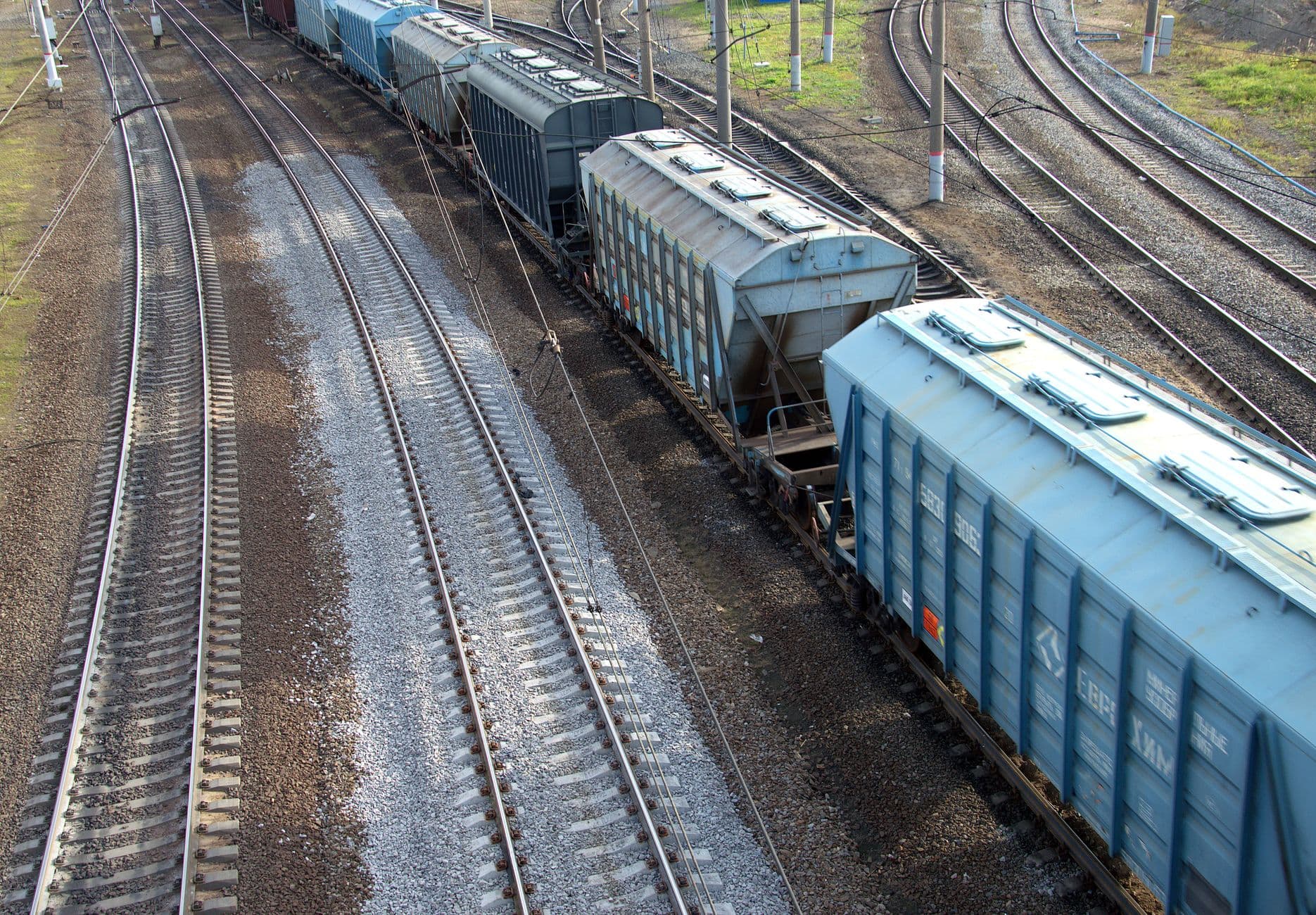
Quick Answer: AI freight route optimization leverages machine learning algorithms to analyze real-time data from traffic, weather, load parameters, and driver availability, dynamically adjusting routes to minimize costs, fuel consumption, and delivery times. This technology offers logistics managers unprecedented control, reducing operational expenses by up to 18% and improving on-time delivery rates to over 95% by 2025.
As a logistics manager, you're battling rising fuel costs, driver shortages, and the constant pressure of unpredictable delays. The stark reality? Every year, the average North American fleet loses an estimated $2,300 per truck due to inefficient routing and unforeseen disruptions, a figure that's set to climb another 12% by late 2025, according to the American Transportation Research Institute (ATRI). This isn't just theory; it's the cash flow crunch I saw firsthand as a dispatcher, feeling the sting of every wasted mile and late delivery penalty. You know the drill: a seemingly optimized route gets blown up by an unexpected highway closure or a last-minute load addition, forcing manual adjustments that cost time, money, and driver morale.
The Hidden Costs of Sticking to Static Route Planning in Freight Logistics
The conventional wisdom—relying on historical data and human dispatchers to plot routes—is costing your bottom line far more than you realize. While experience is invaluable, it simply cannot process the sheer volume of real-time variables required for true optimization. The root causes of inefficiency are complex: unforeseen traffic, sudden weather changes, vehicle breakdowns, driver hours of service (HOS) limitations, and the ever-present challenge of balancing expedited and standard freight on the same lane. What most professionals miss is that even a 5% deviation from an optimal route, seemingly minor, compounds rapidly across a fleet, translating into significant annual losses.
"Inefficient routing, including empty miles and sub-optimal load configurations, cost the U.S. freight industry an estimated $105 billion in 2023, with over 30% directly attributable to a lack of real-time adaptability," states a 2024 report by the Council of Supply Chain Management Professionals (CSCMP).
These inefficiencies aren't just about fuel. They ripple through your entire operation: higher driver turnover due to frustrating schedules, increased wear and tear on vehicles, higher insurance premiums from more incidents, and the erosion of shipper trust. The cost of a single missed delivery window, for instance, can range from a few hundred dollars in service penalties to several thousand in lost future business. It's not just about getting from A to B; it's about doing it with surgical precision in a chaotic environment. Failing to embrace dynamic solutions means perpetually reacting to problems, rather than proactively preventing them.
Predictive Traffic & Weather Analysis for Real-time Rerouting
True AI freight route optimization moves beyond static map data to leverage predictive analytics, keeping your fleet ahead of disruptions. This isn't just about avoiding a traffic jam that's already formed; it's about anticipating one based on historical patterns, local events, and even social media sentiment, then dynamically rerouting before your truck is stuck. For logistics managers, this means proactively diverting a truck carrying temperature-sensitive goods away from an impending snowstorm or rerouting a flatbed before a major accident clogs the primary interstate. This level of foresight is impossible for human dispatchers to maintain across hundreds of active loads.
- Data Ingestion & Fusion: AI engines pull live data from sources like municipal traffic cameras, NOAA weather feeds, satellite imagery, and even anonymized fleet telemetry from thousands of other vehicles, fusing it into a comprehensive operational picture.
- Anomaly Detection & Prediction: Machine learning models identify developing anomalies (e.g., a sudden drop in average speed on a major artery, indicating an accident before it's reported on news channels, or a micro-climate weather event forming).
- Dynamic Pathfinding: The AI evaluates millions of alternative routes in seconds, weighing factors like distance, road conditions, HOS compliance for the specific driver, and even preferred carrier lanes, proposing the most efficient path.
- Real-time Driver Notification: Integrated telematics systems push updated route instructions directly to the ELD or driver's navigation device, complete with estimated time of arrival (ETA) adjustments for the shipper.
"Companies utilizing AI-driven predictive routing have reported an average 14.3% reduction in transit times and a 6.8% decrease in fuel consumption by actively avoiding delays," reports the American Trucking Associations (ATA) in their 2024 Technology Outlook.
The insider secret here is understanding that route optimization isn't just about finding the shortest path; it's about finding the *fastest, safest, and most cost-effective path given all current constraints*. For instance, sometimes a route that is 15 miles longer but bypasses an expected 3-hour traffic delay will yield a 2.5-hour time savings and lower fuel consumption from avoiding stop-and-go conditions. This level of granular, dynamic decision-making is where AI truly shines, turning potential delays into proactive gains.
Dynamic Load Consolidation & Optimization for LTL Efficiencies
For shippers dealing with less-than-truckload (LTL) freight, or logistics managers orchestrating multiple stops, AI-powered dynamic load consolidation is a game-changer. This isn't just about filling empty space; it’s about intelligently grouping shipments based on real-time factors like destination proximity, delivery window compatibility, freight class, and even specific handling requirements (e.g., hazmat segregation, refrigeration needs). The old way involved dispatchers manually trying to fit puzzle pieces, often leading to sub-optimal loads or missed opportunities for consolidation. The AI system can instantly identify synergistic loads that may originate from different shippers but are heading in the same general direction, maximizing trailer utilization.
- Real-time Shipment Matching: AI algorithms continuously scan new and existing load requests, cross-referencing against available truck capacity and existing routes.
- Constraint-Based Grouping: The system considers weight limits, cubic capacity, HOS rules for drivers, scheduled stops, and even specific client delivery instructions, ensuring all regulatory and operational requirements are met.
- Optimized Loading Sequences: Beyond just grouping, AI can suggest the optimal loading order for multi-stop routes to minimize unloading time at each destination, ensuring the last out is the first in, or vice-versa, depending on the route.
- Cost-Benefit Analysis: The AI can calculate the exact cost savings for consolidated routes, presenting dispatchers with clear, data-backed decisions on which loads to combine.
"Loadly's internal data shows that shippers using AI-driven consolidation tools reduced their LTL costs by an average of 18.7% and improved delivery times by 1.1 days on multi-stop routes in 2023," shares Loadly's Head of Operations.
The industry secret often overlooked is that the biggest gains in LTL come not just from filling the truck, but from reducing the number of touches and minimizing idle time at docks. An AI system that optimizes both the sequence of stops and the loading configuration can shave hours off a route and drastically reduce the risk of freight damage from unnecessary shuffling. This proactive bundling can even unlock previously unavailable capacity by making marginal routes profitable for carriers.
AI-Powered Predictive Maintenance Scheduling for Enhanced Reliability
Unreliable carriers and unexpected breakdowns are a logistics manager's worst nightmare, directly impacting delivery schedules and customer satisfaction. AI revolutionizes fleet reliability by shifting from reactive or time-based maintenance to true predictive scheduling. This system doesn't just remind you to change the oil every 10,000 miles; it analyzes engine performance data, tire pressure, braking patterns, sensor readings, and even weather exposure to predict potential component failures *before* they occur. This means scheduling maintenance during planned downtime or when a truck is already near a service hub, rather than having a critical asset break down on an interstate hundreds of miles from help.
- Telematics Data Analysis: AI ingests continuous streams of data from vehicle onboard diagnostics (OBD) systems, tire pressure monitoring systems (TPMS), and other sensors.
- Anomaly Detection & Failure Prediction: Machine learning models learn normal operating parameters and flag deviations that indicate impending issues (e.g., a gradual increase in engine temperature not tied to workload, or subtle vibrations hinting at tire wear beyond visual inspection).
- Optimized Service Windows: The system recommends maintenance actions and ideal scheduling slots, considering a truck's current route, upcoming loads, driver HOS, and parts availability at preferred service centers.
- Automated Parts Ordering: In advanced systems, the AI can even trigger automatic ordering of specific parts when a high probability of failure is detected, ensuring they are on hand for the scheduled service.
"Fleet maintenance costs were reduced by up to 22% and unplanned breakdowns dropped by 45% for early adopters of AI predictive maintenance systems in 2023," according to a recent report by the National Retail Federation (NRF) Logistics Council.
What many operators fail to grasp is that a truck in the shop costs you twice: once for the repair, and again for the lost revenue of an idle asset. AI mitigates this by allowing you to fix issues on *your* schedule, not the truck's. This insider approach transforms unscheduled downtime from a devastating surprise into a planned, manageable event, significantly boosting carrier reliability for shippers and allowing logistics managers to plan with greater certainty.
Optimizing Last-Mile Delivery with Machine Learning & Dynamic Sequencing
The last mile is often the most expensive and complex part of the delivery chain, accounting for up to 53% of total shipping costs. AI, specifically machine learning (ML), is transforming this by optimizing delivery sequences and routing in real-time. This goes beyond simple turn-by-turn navigation; it's about continuously adjusting routes for multiple vehicles based on new orders, customer availability, traffic conditions, parking restrictions, and even vehicle capacity, all while respecting tight delivery windows. For logistics managers, this means significantly higher delivery success rates, happier customers, and a drastic reduction in fuel and labor costs associated with failed or inefficient deliveries.
- Continuous Route Recalculation: ML models constantly evaluate new orders, cancellations, and real-time road conditions to re-optimize delivery routes for all active vehicles, finding the most efficient sequence of stops.
- Driver Performance Integration: The system can learn from individual driver performance (e.g., average stop time, typical speed in certain areas) to build more accurate ETAs and route assignments.
- Customer Preference & Availability Matching: AI can factor in specific customer delivery window requests, access codes, or preferred drop-off locations, integrating these complexities seamlessly into the optimized route.
- Capacity & Vehicle Type Matching: Ensures the right vehicle (e.g., van, box truck, refrigerated unit) with appropriate capacity is assigned to the correct set of deliveries.
"Businesses implementing AI-driven last-mile solutions report an average 2.3-day improvement in delivery speed and a 17.5% reduction in failed deliveries, directly impacting customer satisfaction scores," states a 2024 analysis by Accenture.
The common mistake here is treating the last mile as a static problem. The reality is that it's a constantly changing puzzle. What AI brings is the ability to solve that puzzle in milliseconds, adapting to new information like a customer texting they won't be home for an hour, or a sudden road closure. This dynamic adaptability is what allows couriers to increase their daily stops by 15-20% and logistics managers to significantly lower the per-delivery cost, improving profitability even with rising consumer expectations.
Smart Warehouse Slotting & Picking Path Optimization with AI
While not directly about route optimization on the road, the efficiency within the warehouse directly impacts how quickly and accurately freight can be loaded onto trucks, thereby affecting route start times and overall delivery efficiency. AI is revolutionizing warehouse operations by optimizing storage locations (slotting) and designing the most efficient picking paths. For logistics managers, this means faster order fulfillment, reduced labor costs, fewer errors in loading, and quicker dispatch times for outbound freight, ultimately feeding into more precise and reliable route execution.
- Dynamic Slotting based on Demand: AI analyzes historical order data, seasonality, and predicted demand to position high-volume items in easily accessible locations, minimizing picker travel time.
- Picking Path Generation: Algorithms calculate the shortest and most efficient paths for workers or autonomous robots to collect all items for an order, avoiding bottlenecks and unnecessary back-and-forth.
- Real-time Inventory Adjustment: Integrates with inventory management systems to reflect item locations and quantities instantly, guiding pickers accurately.
- Pallet & Load Build Optimization: AI can suggest optimal stacking patterns for pallets and truckloads to maximize space utilization and ensure stability, critical for reducing freight damage claims.
"Warehouse operations leveraging AI for slotting and picking reported a 20-30% increase in picking efficiency and a 15% reduction in loading errors in 2023, directly improving dispatch reliability," according to a global survey by Statista.
The insider insight here is recognizing that the biggest delays often happen *before* the truck even leaves the yard. A perfectly optimized route is useless if the truck sits at the dock for an extra hour because of inefficient loading. AI streamlines this critical hand-off, ensuring that when the driver arrives, the freight is ready, correctly assembled, and prepared for its journey. This seamless integration from warehouse to road significantly impacts your overall supply chain visibility and performance.
Customs & Compliance AI for Cross-Border Expediting
For logistics managers navigating international freight, customs delays are a perennial nightmare, often leading to unpredictable shipping costs and extended transit times. AI is now cutting through this complexity by automating compliance checks, predicting potential customs issues, and even generating necessary documentation. This isn't just about speed; it's about accuracy that prevents costly fines, cargo seizures, and reputation damage.
- Automated Documentation Generation: AI can auto-populate forms like bills of lading, commercial invoices, and customs declarations by pulling data from ERP and TMS systems, drastically reducing manual errors.
- Tariff & Regulation Compliance: Machine learning algorithms continuously update with the latest tariff codes (e.g., HTS codes), trade agreements, and specific country regulations (e.g., ADR 2025 for hazardous materials), flagging potential non-compliance issues before shipment.
- Risk Prediction for Customs Holds: By analyzing historical data of similar shipments, commodity types, and origin/destination pairs, AI can predict the likelihood of a customs hold, allowing proactive submission of additional documentation.
- Blockchain Integration: Some advanced systems use blockchain for immutable record-keeping, enhancing transparency and trust with customs authorities, potentially speeding up clearances.
"Global trade analytics firm, TradeFlow AI, reported that companies using AI for customs compliance reduced their border clearance times by an average of 35% and cut compliance-related fines by over 50% in 2023," a finding that highlights a dramatic shift in cross-border efficiency.
The