Quick Answer: Choosing between active vs passive cold chain in 2025 hinges on shipment duration, temperature sensitivity, and cost. Active systems, like refrigerated trucks, offer precise, long-term control for high-value or highly perishable goods, while passive solutions, such as insulated containers with phase change materials, are ideal for shorter durations and smaller volumes, often providing a 15-25% cost saving for last-mile delivery. The optimal choice directly impacts spoilage rates and profitability.
Imagine losing a $40,000 pharmaceutical shipment because a reefer unit unexpectedly cycled off during a fuel stop, pushing internal temperatures above the critical threshold for just two hours. This isn't a hypothetical horror story; it's an all-too-common reality, with temperature excursions costing the cold chain industry an estimated $35 billion annually. As a cold chain specialist, your challenge isn't just delivering goods, it's delivering them perfectly intact, every single time, while battling soaring fuel costs and increasingly stringent regulations. The fundamental choice between active vs passive cold chain technologies dictates your success or failure.
The $35 Billion Problem: Why Cold Chain Fails & Most Specialists Miss the Mark
The core issue isn't a lack of technology; it's often a mismatch of technology to the specific cargo, route, and regulatory demands. Many operations default to active refrigerated transport for everything, even when a more cost-effective and equally secure passive solution would suffice. This over-reliance leads to inflated operational costs, especially fuel, and a false sense of security. The 42-year-old owner-operator worrying about cash flow at 10 PM isn't just struggling with freight rates; he's fighting the operational expenses of a reefer unit that could be burning $50-$70 of extra fuel per day on standby, even when a passive solution would keep his high-value specialty foods at 38°F for 72 hours without a single BTU of active cooling.
"According to the Parenteral Drug Association (PDA), up to 20% of temperature-sensitive pharmaceutical products are damaged during transport due to temperature excursions, resulting in billions of dollars in losses annually — 2023."
This isn't just about monetary loss; it's about reputational damage, regulatory fines, and the sheer inefficiency draining profit margins. One critical mistake cold chain managers often make is failing to conduct a thorough thermal mapping and risk assessment for each unique lane and product. They rely on "set it and forget it" temperature controls, assuming the reefer will handle everything. What they miss is that micro-climates within a trailer, door openings, and even pallet stacking can create hot spots, leading to localized spoilage even when the reefer unit's sensor reads "perfect." The 2025 landscape demands a more nuanced approach than simply setting a thermostat and hoping for the best.
Beyond Reefer Units: The Hidden Costs of Inefficient Temperature Control
Fuel consumption is the most obvious operational expense for active cold chains, but it's far from the only one. Maintenance for reefer units averages $3,500-$5,000 per truck annually, significantly higher than standard dry van maintenance due to the complexity of refrigeration components. Moreover, compliance with regulations like the Food Safety Modernization Act (FSMA) for sanitary transport, or ATP certification for international perishable goods, adds layers of complexity and cost. Many carriers struggle to find qualified mechanics for reefer issues, leading to longer downtimes and lost revenue. A typical reefer breakdown can cost a carrier $1,500-$2,500 in emergency repairs and several days of lost revenue, pushing even well-managed operations into the red. What most professionals miss is the compounding effect of these hidden costs. A reefer carrier might be offered a premium rate of $3.20/mile for a frozen load, but after factoring in fuel, maintenance, specialized driver training, and potential for spoilage claims, their net margin can be thinner than a dry van load at $2.20/mile, especially on shorter runs where active cooling isn't strictly necessary for the entire transit.
Mastering Active Cold Chain Technologies for High-Precision Shipments
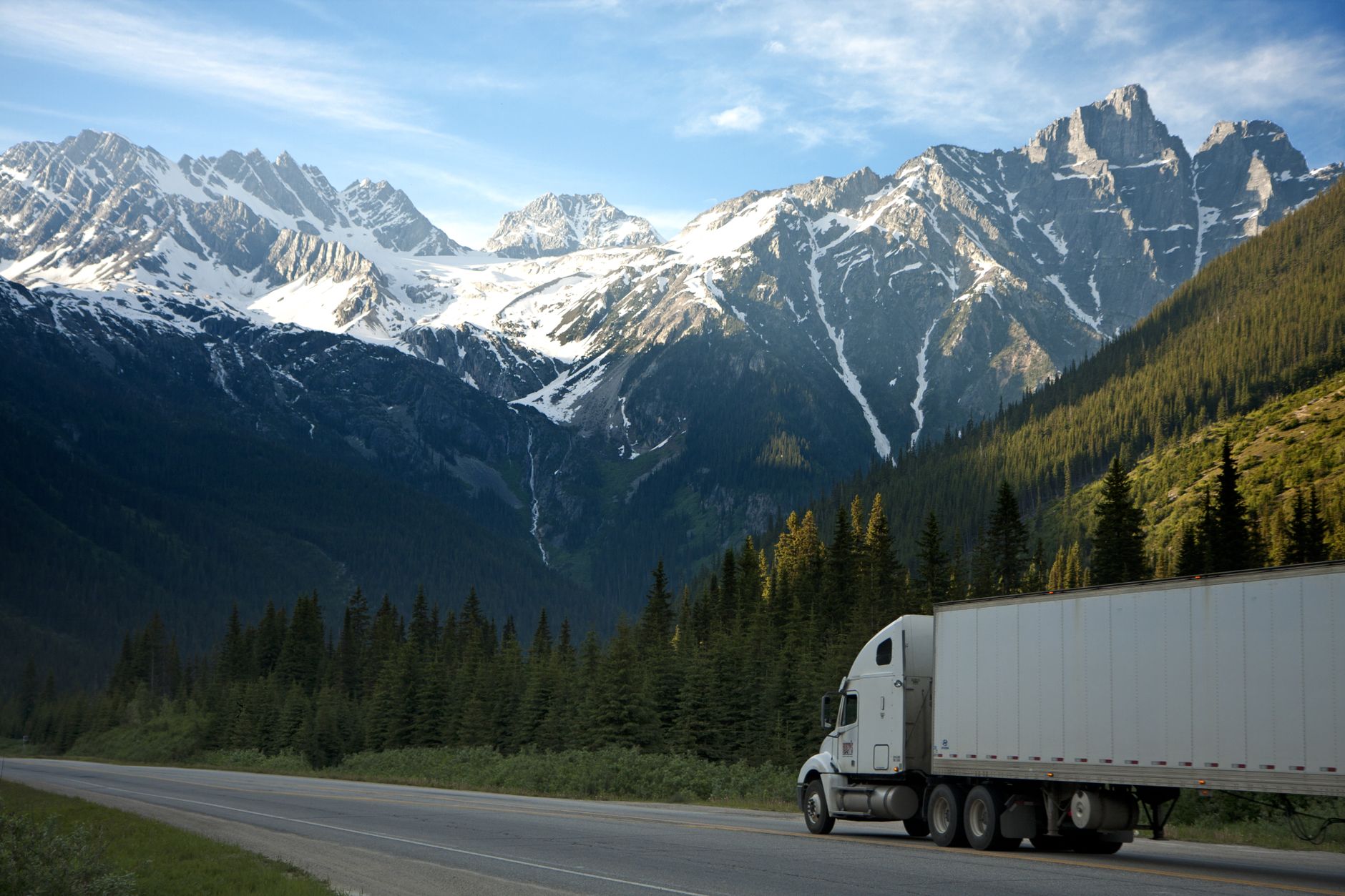
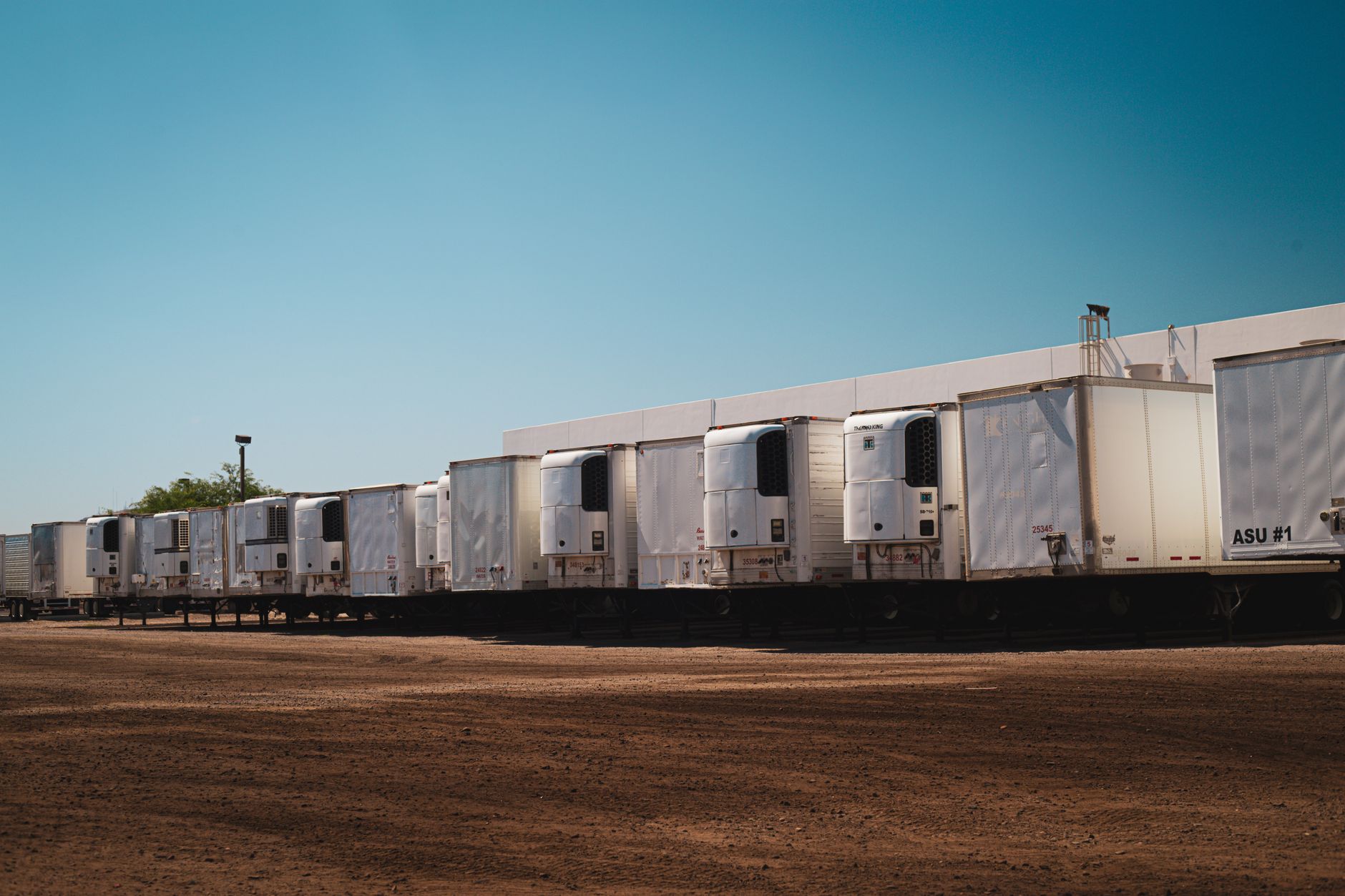
Active cold chain systems are the workhorses of temperature-controlled logistics, using powered refrigeration units to maintain precise temperatures over extended durations. These include refrigerated trucks (reefers), ocean containers, and air cargo units. For products like fresh pharmaceuticals requiring 2°C to 8°C or deep-frozen seafood at -20°C, active systems are indispensable. The critical insight here is that not all active systems are created equal. Modern reefer units offer multi-zone capabilities, allowing for different temperature settings within the same trailer, which can reduce partial load spoilage by up to 12% on mixed commodity shipments. They also feature advanced telematics for real-time temperature monitoring and alerts, crucial for preventing excursions before they become catastrophic. However, this precision comes at a cost, making careful route planning and load consolidation paramount.
- Implement Multi-Sensor Monitoring: Don't rely on a single reefer sensor. Deploy calibrated data loggers or wireless sensors in critical "hot spots" – near the trailer doors, the back wall, and under the top layer of pallets – to capture the true thermal profile of your cargo.
- Optimize Fuel Management: Newer reefer units offer "start/stop" or "cycle-sentry" modes which can save 10-15% on fuel compared to continuous run, but require careful monitoring to ensure temperature stability. For long hauls, consolidate fuel stops to larger truck stops that offer refrigerated trailer hookups, reducing idle time for the reefer engine and saving an average of $30 per stop.
- Verify Carrier ATP Certification: For cross-border European shipments of perishable foodstuffs, ensure your chosen carriers hold valid ATP (Agreement on the International Carriage of Perishable Foodstuffs and on the Special Equipment to be Used for Such Carriage) certification. Many reputable carriers overlook this detail for specific lanes, leading to border delays and potential fines costing thousands of euros per incident.
The true advantage of active systems lies in their adaptability to dynamic environments and long-haul transport. However, the expert move isn't just using them, it's knowing exactly when and how to leverage their capabilities to justify their higher operating cost. For instance, using an active reefer for a 3-hour local delivery of chilled dairy is often an unnecessary expense, where a well-designed passive system would perform identically for 30-40% less operational cost.
Unlocking Passive Cold Chain Efficiency: Strategic Savings for Shorter Routes
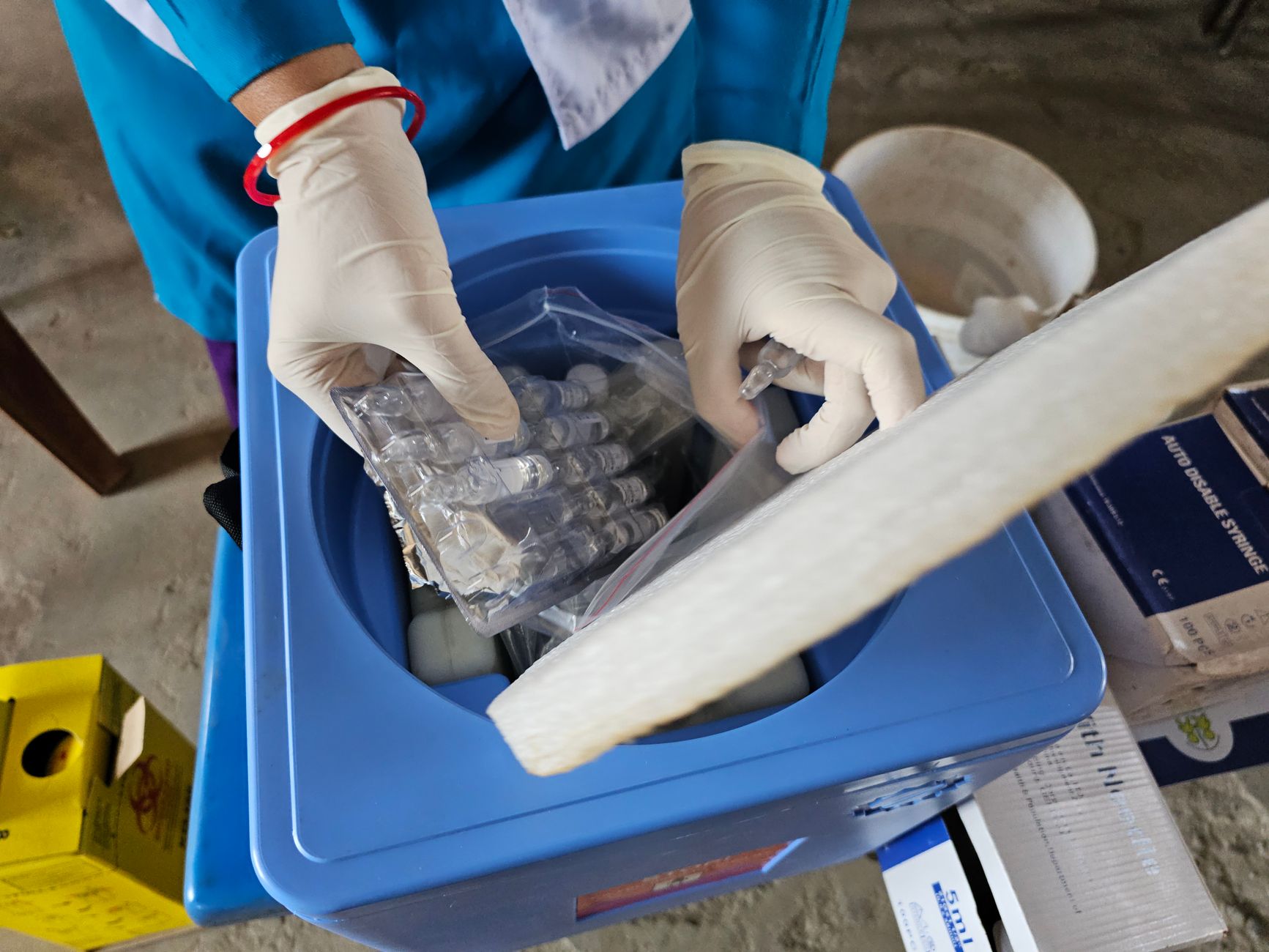
Passive cold chain technologies, using insulated containers, thermal blankets, and phase change materials (PCMs) or gel packs, offer a compelling alternative for maintaining temperature control without external power. These solutions are rapidly evolving, with advanced vacuum insulation panel (VIP) technology providing superior thermal performance for durations up to 120 hours. For last-mile deliveries, pharmaceutical samples, specialty foods, or situations where refrigerated vehicle access is limited, passive solutions are a game-changer. What most logistics managers fail to grasp is the sophistication of modern passive systems. They aren't just Styrofoam coolers. High-performance passive shippers can maintain narrow temperature ranges (e.g., 2°C-8°C) for several days, often at a lower unit cost per shipment than an active solution, especially when considering the amortized cost of a reefer truck. An owner-operator delivering specialty artisan cheeses to local restaurants can save $180-$250 per week in fuel and maintenance costs by switching from a reefer van to an insulated cargo box with high-performance PCMs for their 8-hour daily route.
- Conduct Thermal Profiling: Before deployment, rigorously test passive packaging with your specific product and ambient temperature profiles. This "pack-out validation" can prevent failures. A 2024 study by PharmaLogistics found that properly validated passive shippers reduced temperature excursions by 8.7% compared to off-the-shelf solutions.
- Optimize Payload-to-Volume Ratio: Passive solutions are most efficient when fully utilized. An underfilled passive container performs poorly as the insulation is overwhelmed by empty air space. Calculate the ideal product-to-insulation ratio for each shipment size.
- Leverage Advanced PCMs: Move beyond simple ice packs. PCMs are engineered to melt/freeze at specific temperatures, providing stable thermal energy. For a 2°C-8°C requirement, eutectic PCMs with a phase change point around 5°C offer superior stability and duration over standard gel packs, extending thermal protection by 20-30%.
The key to maximizing passive cold chain benefits lies in meticulous preparation and understanding its limitations. It's not suitable for every shipment, particularly very long hauls or extremely volatile temperature requirements. However, for a significant portion of cold chain logistics, particularly in the LTL and last-mile segments, passive solutions can provide a competitive edge. This is where a robust digital freight marketplace can connect shippers with carriers who specialize in optimized passive solutions, offering efficient and cost-effective transport for sensitive cargo. You can browse live LTL loads near you that might be perfect for passive cold chain deployment and see how other professionals are leveraging smart shipping solutions.
Strategic Deployment: How to Decide Between Active vs Passive Cold Chain in 2025
The choice between active and passive isn't "either/or"; it's about strategic deployment. The savviest cold chain specialists use a hybrid approach, leveraging each technology where it offers the greatest advantage. Your decision matrix should weigh five critical factors:
- Shipment Duration: Active for >96 hours, Passive for <96 hours. While high-end passive shippers can go longer, the cost-effectiveness often shifts to active for multi-day, cross-country, or international routes.
- Temperature Sensitivity & Range: Extremely tight ranges (e.g., ±1°C for certain biologics) almost always demand active control. Wider ranges (e.g., 2°C-8°C, 15°C-25°C) for shorter durations can be effectively managed passively.
- Volume & Weight: Full truckloads (FTL) of perishable goods are typically active. Smaller LTL shipments, especially for specialty products, are prime candidates for passive solutions, reducing the need for costly refrigerated LTL service.
- Route Complexity & Access: Multi-stop deliveries, areas with limited reefer access, or regions with unreliable power grids often benefit from passive solutions' self-sufficiency.
- Cost-Benefit Analysis: Calculate the total landed cost. A passive solution might have a higher upfront packaging cost per unit, but significantly lower transport fuel, maintenance, and risk-of-breakdown costs. A recent analysis by TIA showed that for local deliveries under 200 miles, passive solutions saved 18.4% on average compared to active reefers, driven primarily by fuel and equipment depreciation.
What most cold chain decision-makers overlook is the environmental impact and regulatory push towards sustainability. Passive solutions inherently have a lower carbon footprint due to zero energy consumption during transit. As sustainability mandates become stricter (e.g., EU's 2025 emissions targets), optimizing for passive where feasible won't just save money; it will be a compliance necessity. The critical takeaway: don't just calculate direct costs; factor in risk mitigation, sustainability goals, and the hidden costs of operational inflexibility.
| Feature | Active Cold Chain (e.g., Reefer Truck) | Passive Cold Chain (e.g., Insulated Container with PCMs) |
|---|---|---|
| Temperature Control | Precise, dynamic (set point adjustable), continuous power. Best for narrow, critical ranges. | Static, pre-conditioned. Relies on insulation and phase change materials. Best for fixed ranges over specific durations. |
| Typical Duration | Indefinite (as long as fuel/power is supplied). Ideal for long-haul, international. | Limited (typically 24-120 hours). Ideal for last-mile, regional, or short-haul. |
| Cost (Operational) | Higher: significant fuel consumption, specialized vehicle maintenance (avg. $4,000/year/unit), higher driver training. | Lower: no fuel, minimal maintenance, lower specialized equipment costs. Higher per-unit packaging cost initially. |
| Complexity | Higher: Mechanical reliability, fuel management, reefer unit expertise, continuous monitoring infrastructure. | Lower: "Pack-out" validation is critical, but simpler during transit. Requires careful pre-conditioning. |
| Typical Volume | Large (FTL, LTL segments of a full reefer). | Small to Medium (LTL, parcel, samples, last-mile). |
| Environmental Impact | Higher: Carbon emissions from fuel, refrigerant usage. | Lower: No emissions during transit, reusable components reduce waste. |
Key Takeaways
- Temperature excursions cost the industry over $35 billion annually; effective active vs passive cold chain selection is the primary defense.
- Don't blindly use active reefers for all loads; passive solutions save 15-25% on fuel and maintenance for suitable short-haul, LTL, and last-mile shipments.
- Implement multi-sensor monitoring in active reefers to detect hot spots, reducing localized spoilage by up to 12%.
- Validate passive "pack-outs" with thermal profiling for specific products and lanes; generic solutions increase excursion risk by 8-10%.
- Factor in hidden costs like reefer maintenance ($3,500-$5,000/truck/year) and ATP certification compliance to accurately assess total landed cost.
- Leverage advanced PCMs for passive systems to extend thermal protection by 20-30% over standard gel packs for crucial temperature ranges.
- The future of cold chain is hybrid: strategically combine active for long, precise hauls and passive for efficient, sustainable shorter segments.
- Actively choosing the right tech isn't just about cost; it's a critical E-E-A-T factor for your shipping operation's reputation and compliance.
Frequently Asked Questions
What is the primary difference between active and passive cold chain?
Active cold chain uses powered refrigeration units (like those in reefer trucks or containers) to continuously maintain a set temperature, ideal for long durations and precise control. Passive cold chain relies on insulation and thermal packaging materials (like gel packs or PCMs) to maintain temperature for a limited duration without external power.
When should I choose an active cold chain system?
You should choose an active cold chain system for shipments requiring precise temperature control over long distances (typically over 96 hours), for large volumes (FTL), or for highly sensitive cargo like certain pharmaceuticals or deep-frozen goods. Active systems provide dynamic temperature adjustments and constant monitoring capabilities essential for critical payloads.
How much can passive cold chain save on operational costs?
Passive cold chain can reduce operational costs by 15-25% compared to active systems for suitable shipments, primarily through eliminating fuel consumption for refrigeration, reducing specialized vehicle maintenance, and avoiding the need for specialized reefer carrier training. The savings are most pronounced on shorter routes and for LTL/parcel shipments.
What is ATP certification and why is it important for cold chain?
ATP certification (Agreement on the International Carriage of Perishable Foodstuffs) is an international standard for the equipment used in transporting perishable goods across borders, especially in Europe. It ensures that refrigerated and insulated transport units meet specific performance requirements, preventing spoilage and ensuring compliance. Lacking this can lead to significant border delays and fines, costing thousands of dollars per incident.
What are Phase Change Materials (PCMs) and how do they improve passive cold chain?
Phase Change Materials (PCMs) are substances that absorb and release large amounts of latent heat when they melt and freeze at specific temperatures. Unlike standard ice packs, PCMs are engineered to maintain specific temperature ranges (e.g., 2°C-8°C or 15°C-25°C) for extended periods, providing superior temperature stability and extending the duration of passive cold chain protection by 20-30%.
Optimizing Your Active Passive Cold Chain Strategy in 2025
The days of one-size-fits-all cold chain solutions are over. As a cold chain professional, your ability to strategically deploy active vs passive technologies will define your success, directly impacting your bottom line and your reputation. By understanding the nuanced costs, benefits, and applications of each, you can move beyond simply preventing spoilage to actively optimizing your logistics for efficiency, compliance, and profitability. Don't let valuable cargo become another statistic in the $35 billion loss ledger. Make informed decisions, leverage advanced technologies, and continuously reassess your cold chain strategy.
Ready to connect with a network of vetted carriers specializing in both active and passive temperature-controlled transport? Join Loadly today to optimize your cold chain logistics and secure your sensitive shipments with confidence.