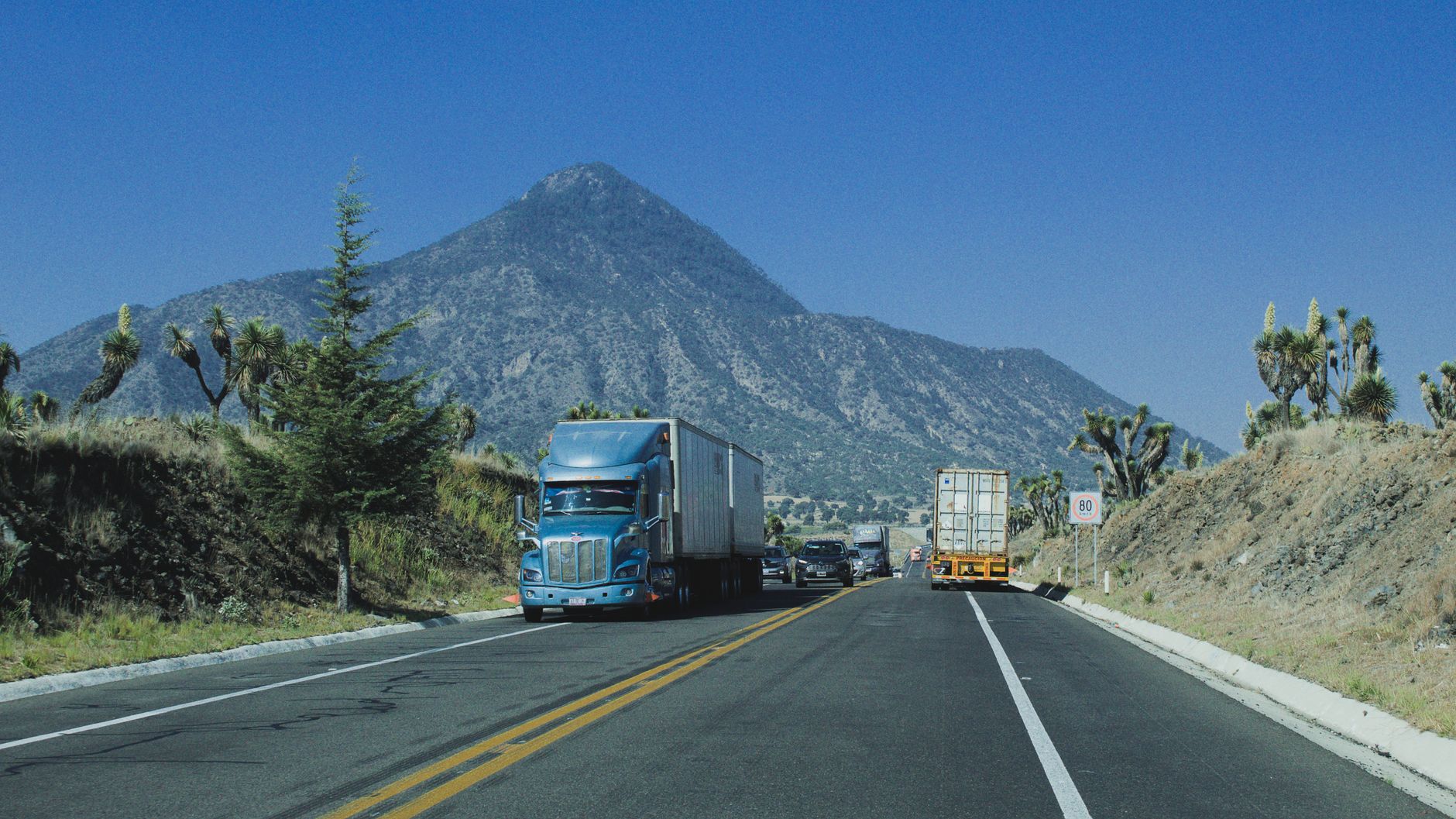
Quick Answer: The 2025 FTL capacity crunch will be driven by increasing operating costs for carriers, stricter regulatory enforcement, and a persistent driver shortage. Shippers can secure loads by diversifying their carrier base, prioritizing long-term contracts, leveraging digital freight marketplaces for real-time rates, and optimizing load efficiency to reduce detention.
Imagine staring at a Q3 projection showing your average full truckload spot rates spiking 22% overnight, wiping out a quarter’s worth of margin. This isn’t a hypothetical scare tactic; it’s the very real threat looming for freight shippers and logistics managers as we approach what I predict will be the tightest FTL capacity market we’ve seen in years, making the notorious 2020-2021 crunch look like a mild hiccup.
Why 2025's FTL Capacity Crunch Will Be Unprecedented
The conventional wisdom often blames "driver shortage" or "peak season." While true, those are just symptoms. The real problem brewing for 2025 stems from a perfect storm of compounding regulatory pressures, soaring operational costs, and an accelerating exodus of smaller carriers. We’re not talking about a cyclical downturn; this is a structural shift, and if you’re not prepared, your supply chain will pay the price.
“The American Trucking Associations (ATA) projects that the industry will need to hire nearly 900,000 new drivers over the next decade to keep up with demand, indicating a systemic capacity challenge beyond short-term market fluctuations.”
What most professionals miss is the ripple effect of seemingly minor policy changes. For instance, the FMCSA’s enhanced focus on the Compliance, Safety, Accountability (CSA) program, particularly around Hours of Service (HOS) violations, is leading to a purge of marginal drivers and carriers. This isn't just about fines; it's about insurance premiums. A poor CSA score can instantly bump a carrier’s annual insurance premium by $5,000 to $15,000, forcing smaller, less capitalized operators out of business or off the most lucrative lanes.
The Hidden Costs Driving Carriers Out of Business
The cost of keeping a truck on the road is skyrocketing, squeezing carrier margins to their breaking point. This directly translates to tighter capacity as fewer trucks compete for loads.
- Insurance Premiums: Post-pandemic, average commercial truck insurance premiums have jumped 35-50% for many small and mid-sized carriers, with some seeing 70% increases if they’ve had even minor claims. This isn't sustainable for owner-operators who typically budget $12,000-$18,000 annually for insurance.
- Equipment Costs: A new Class 8 truck now averages $180,000-$220,000, up from $150,000 just three years ago. Financing rates are also higher, making fleet upgrades a significant barrier, especially for fleets under 20 trucks.
- Driver Wages: While good for drivers, rising wages, particularly for experienced long-haul drivers, are increasing operating expenses for carriers by an average of 8-12% annually, according to numerous industry surveys.
- Maintenance & Fuel: Parts availability and labor shortages continue to drive up maintenance costs by roughly 15-20% year-over-year. Fuel, despite recent fluctuations, remains a volatile and significant expense, representing up to 30% of a carrier's per-mile operating cost.
These factors combine to create an environment where the most reliable, compliant carriers have fewer trucks available, and the less reliable ones are increasingly forced off the road. The result? A dwindling pool of trusted partners for your freight.
Optimize Your Carrier Network: The Proactive Partnership Playbook
In a tight market, carrier relationships aren't a luxury; they're your primary leverage. Most shippers treat carriers as interchangeable vendors, but the savvy ones understand that a dedicated, preferred carrier network ensures capacity even when spot rates are through the roof. This isn't about showering them with gifts; it's about being the shipper they want to work with.
“Carriers are 2.3 times more likely to prioritize loads from shippers who offer consistent freight volume and demonstrate efficient loading/unloading processes.”
- Streamline Detention and Turnaround Times: The single biggest complaint from carriers is excessive detention. A truck sitting idle for 4 hours costs a carrier approximately $250-$300 in lost revenue. Aim for a maximum 2-hour turn time at your facilities. Implement a "Detention Scorecard": track every minute a driver spends on your dock from gate-in to gate-out. Share this data, identify bottlenecks, and invest in process improvements. Even reducing average detention by 30 minutes can make your facility a preferred stop.
- Offer Consistent, Predictable Freight: Carriers thrive on predictability. Instead of a one-off spot load, offer dedicated lanes or consistent weekly volumes. Even if it's slightly below market on an individual lane, the guaranteed volume across a network is more appealing. Establish a "Core Carrier Program" where 70% of your volume is committed to a select group of carriers who consistently meet your KPIs.
- Improve Payment Terms: While 30-day payment terms are standard, carriers incur immediate costs (fuel, wages, tolls). Consider offering 15-day payment terms for preferred partners, or even 7-day terms for an additional 0.5-1% discount. This cash flow injection is a huge incentive, particularly for smaller, asset-based carriers who often operate on razor-thin margins.
- Provide Transparent & Accurate Load Information: Nothing frustrates a driver more than arriving to find the load details are incorrect (wrong weight, dimensions, pickup time). Implement a "Load Readiness Checklist" to ensure all necessary documentation, equipment, and access are confirmed 24 hours prior to pickup. This builds trust and reduces wasted time for both parties.
By becoming a "Shipper of Choice," you move from being a transaction to being a trusted partner. This loyalty is invaluable when capacity tightens.
Leveraging Digital Freight Marketplaces for Optimized FTL Capacity
In a volatile market, relying solely on traditional brokerage relationships can leave you exposed. Digital freight marketplaces don't just provide quotes; they offer unparalleled transparency, real-time access to capacity, and a strategic advantage in securing FTL capacity quickly and efficiently. This isn't about cutting out brokers; it's about expanding your reach and making data-driven decisions.
“Shippers using digital freight platforms reported a 14.7% improvement in on-time delivery rates and an average 8% reduction in administrative costs related to load booking.”
- Access a Broader Carrier Pool: Traditional methods often limit you to a handful of known carriers or brokers. Digital marketplaces instantly connect you with thousands of vetted, compliant carriers, including smaller regional players often overlooked but eager for steady freight. This diversification is crucial for mitigating the impact of an FTL capacity crunch.
- Gain Real-Time Pricing & Capacity Visibility: Instead of waiting for manual quotes, you can instantly see available trucks and competitive bids. This real-time market data empowers you to make smarter decisions and react quickly to market shifts. You can often see which lanes have available capacity and adjust your shipping strategies accordingly. For instance, if you regularly ship from Dallas to Chicago, and notice a consistent capacity shortage on Wednesdays, you might shift pickups to Tuesdays or Thursdays when more trucks are available, potentially saving 5-7% on that lane.
- Automate & Streamline Booking: Manual email and phone calls are inefficient. Digital platforms allow for instant booking, automated documentation, and electronic tracking. This reduces administrative overhead by up to 2.3 hours per load, freeing up your logistics team to focus on strategic tasks rather than clerical work. You can browse available FTL loads and compare carrier bids instantly on the Loadly marketplace, making procurement faster and more transparent.
- Data-Driven Performance Tracking: These platforms provide invaluable data on carrier performance, including on-time pickup/delivery, tender acceptance, and damage rates. This allows you to continuously evaluate and refine your carrier network, ensuring you're working with the most reliable partners. Use this data to identify carriers with 98%+ on-time performance on specific lanes and prioritize them.
Embracing a digital freight marketplace isn't just about finding a cheaper rate; it's about gaining control and agility in an increasingly unpredictable market.
Strategic Contract Freight: Your 2025 Shield Against Spot Market Volatility
Relying solely on the spot market for FTL loads in 2025 is like playing Russian roulette with your budget. When capacity tightens, spot rates can explode, turning predictable shipping costs into unpredictable financial drains. The smart play is to strategically secure a significant portion of your volume through contract freight, providing a crucial buffer against market volatility.
“During periods of tight capacity, shippers with 60% or more of their freight under contract typically experience 15-20% less rate fluctuation compared to those relying predominantly on the spot market.”
- Define Your Core Lanes & Volumes: Start by analyzing your historical shipping data. Identify your top 10-15 core lanes by volume and frequency. These are the lanes you absolutely need covered reliably. Target securing 60-70% of this volume through annual or multi-year contracts. The remaining 30-40% can be managed through mini-bids or the spot market, offering flexibility without risking your entire supply chain.
- Conduct Strategic RFPs, Not Just Rate Shopping: Your Request for Proposal (RFP) shouldn't just be about the lowest per-mile rate. Include critical factors like on-time performance guarantees (e.g., 98.5% on-time pickup/delivery), cargo insurance levels ($100,000 minimum, with options for higher value loads), and specific communication protocols (e.g., hourly check-calls on sensitive loads). Award contracts not just on price, but on a holistic value score that weighs performance and reliability heavily.
- Implement Escalator/De-escalator Clauses: Protect both parties from extreme market shifts. Incorporate fuel surcharge matrices linked to national averages (like EIA fuel prices). Consider clauses that allow for minor rate adjustments (e.g., +/- 3% annually) based on a mutually agreed-upon market index, preventing mid-contract renegotiations or service disruptions. This builds long-term trust.
- Establish Performance-Based Incentives & Penalties: Introduce bonuses for exceeding KPIs (e.g., 1% bonus for 99%+ on-time delivery for a quarter) and clear penalties for consistent underperformance (e.g., fine for uncommunicated late pickups, leading to eventual volume reduction). This holds carriers accountable and ensures your service levels are maintained even when the market is strained.
Contract freight, when managed strategically, becomes your bedrock in a shaky FTL market, allowing you to budget more accurately and ensure critical shipments move without disruption.
Boost Supply Chain Visibility & Resilience with Advanced Telematics
The days of merely "knowing where your truck is" are over. True supply chain visibility in 2025 means leveraging advanced telematics to predict issues before they arise, mitigate delays, and provide proactive updates. This isn't just about peace of mind; it's about preventing costly disruptions, reducing damage claims, and improving customer satisfaction, ultimately saving your operation thousands annually.
“Companies that implemented comprehensive real-time visibility solutions reported a 10-15% reduction in freight damage claims and a 5-7% decrease in overall logistics costs due to optimized routing and proactive problem-solving.”
- Integrate ELD Data with Your TMS: Mandated Electronic Logging Devices (ELDs) provide a wealth of data beyond HOS compliance. Integrate this data directly into your Transportation Management System (TMS). This allows you to see real-time driver availability, predict arrival times with greater accuracy (e.g., factoring in remaining drive time, breaks), and dynamically re-route if delays become unavoidable. This can prevent a 4-hour delay from turning into an 18-hour delay due to HOS violations.
- Implement IoT Sensors for Cargo Monitoring: For high-value or sensitive freight, standard GPS tracking isn't enough. Deploy Internet of Things (IoT) sensors within the cargo itself. These sensors can monitor temperature, humidity, shock (for damage prevention), and even light exposure (to detect unauthorized openings). Receiving an alert that a refrigerated load’s temperature is rising allows for immediate intervention, potentially saving a $50,000+ claim before the freight is compromised.
- Utilize Predictive Analytics for Route Optimization: Move beyond static route planning. Leverage AI-powered predictive analytics that integrate real-time traffic, weather patterns, historical delivery data, and even port congestion reports. This allows for dynamic route adjustments that can shave hours off transit times and avoid known bottlenecks. For example, knowing a specific highway segment experiences 20% slower speeds on Tuesday mornings due to recurring construction can lead to an alternative route, saving 45 minutes of transit time per trip.
- Establish Proactive Communication Protocols: Visibility data is useless if not acted upon. Automate alerts to relevant stakeholders (customer service, consignee, sales team) when specific events occur – a truck running 30 minutes behind schedule, an unexpected stop, or a temperature deviation. This enables your team to proactively inform customers, manage expectations, and offer solutions before they even realize there's a problem, turning potential complaints into demonstrations of exceptional service.
By embracing advanced telematics, you transform your logistics operations from reactive firefighting to proactive management, making your supply chain a competitive advantage rather average than a constant source of stress.
| Strategy | Traditional Approach | 2025 Playbook Approach | Benefit in Capacity Crunch |
|---|---|---|---|
| Carrier Selection | Lowest spot rate, ad-hoc | Core carrier program, holistic value score (price, performance, loyalty) | Guaranteed capacity on key lanes, lower rate volatility |
| Payment Terms | Net 30-45 days | Net 7-15 days for preferred partners, 0.5-1% early payment incentive | Attracts and retains top-performing smaller carriers |
| Market Data | Broker quotes, anecdotal | Digital marketplace real-time bids, historical performance analytics | Transparent pricing, broader capacity access, data-driven decisions |
| Shipment Tracking | Check calls, basic GPS | Integrated ELD/TMS, IoT sensors, predictive analytics | Proactive issue resolution, reduced damage claims, improved ETA accuracy |
| Load Planning | Static routes, reactive to delays | Dynamic route optimization, detention scorecards, HOS-aware scheduling | Reduced detention costs, optimized transit times, better carrier relations |
Key Takeaways
- The 2025 FTL capacity crunch is a structural, not cyclical, issue driven by rising carrier operating costs and regulatory pressures.
- Prioritize becoming a "Shipper of Choice" by optimizing detention times (aim for <2 hours) and offering predictable freight.
- Leverage digital freight marketplaces like Loadly to expand your carrier network and gain real-time pricing transparency.
- Secure 60-70% of your core lane volume through strategic annual contracts, not just spot bids, to stabilize costs.
- Integrate ELD data and IoT sensors with your TMS for predictive visibility and proactive problem-solving.
- Shorten payment terms (e.g., Net 15) for preferred carriers to gain a competitive edge in securing capacity.
- Implement performance-based incentives and penalties in your carrier agreements to ensure consistent service levels.
Frequently Asked Questions
What are the primary drivers of the 2025 FTL capacity crunch?
The primary drivers include escalating carrier operating costs (insurance, equipment, maintenance), increased regulatory enforcement (FMCSA CSA, HOS), a persistent aging driver workforce, and the exit of smaller, less capitalized trucking companies unable to absorb these rising expenses.
How does detention time impact FTL capacity and rates?
Excessive detention time directly reduces a truck's utilization and a driver's available HOS, costing carriers an estimated $250-$300 per day for every 4 hours of delay. Shippers with high detention times often face higher rates or difficulty securing capacity, as carriers prioritize more efficient facilities.
What role can digital freight marketplaces play in securing FTL loads during a crunch?
Digital freight marketplaces like Loadly connect shippers to a wider network of vetted carriers, offer real-time pricing and capacity visibility, and streamline the booking process. This allows shippers to diversify their carrier base, react quickly to market shifts, and make data-driven decisions for securing capacity efficiently.
Should shippers prioritize contract or spot freight in a tight FTL market?
In a tight FTL market, shippers should prioritize a strategic blend, with 60-70% of core volume under annual contract to stabilize rates and ensure guaranteed capacity. The remaining 30-40% can be managed through the spot market or mini-bids for flexibility, but relying solely on spot is risky and costly.
How can advanced telematics improve supply chain resilience for FTL shipments?
Advanced telematics, including integrated ELD data, IoT cargo sensors, and predictive analytics, provide real-time visibility and enable proactive problem-solving. This helps predict and mitigate delays, prevent cargo damage, optimize routes, and allows for proactive communication with customers, enhancing overall supply chain resilience and reducing costs.
Your 2025 FTL Capacity Crunch Playbook: Act Now for Stability
The writing is on the wall: 2025 won't just be "another tight year" for FTL capacity; it will be a crucible for shippers who fail to adapt. The tactics that worked in softer markets – chasing the lowest spot rate, treating carriers as commodities – will leave you with unpredictable costs, unmet deadlines, and strained relationships. My 15 years on the road, in the broker's office, and managing logistics have shown me one undeniable truth: proactive preparation, powered by real data and genuine partnerships, always wins.
You need more than just a quick fix; you need a strategic partner that simplifies the complex world of freight. This is where Loadly comes in. Our platform provides the real-time capacity, transparent pricing, and robust carrier network you need to execute the playbook we've just laid out. It’s time to stop reacting to the market and start shaping your supply chain's future. Join the thousands of shippers who are already navigating market volatility with confidence. Don't wait until the crunch hits; secure your future, today. You can register for a Loadly account and start optimizing your FTL strategy right now.