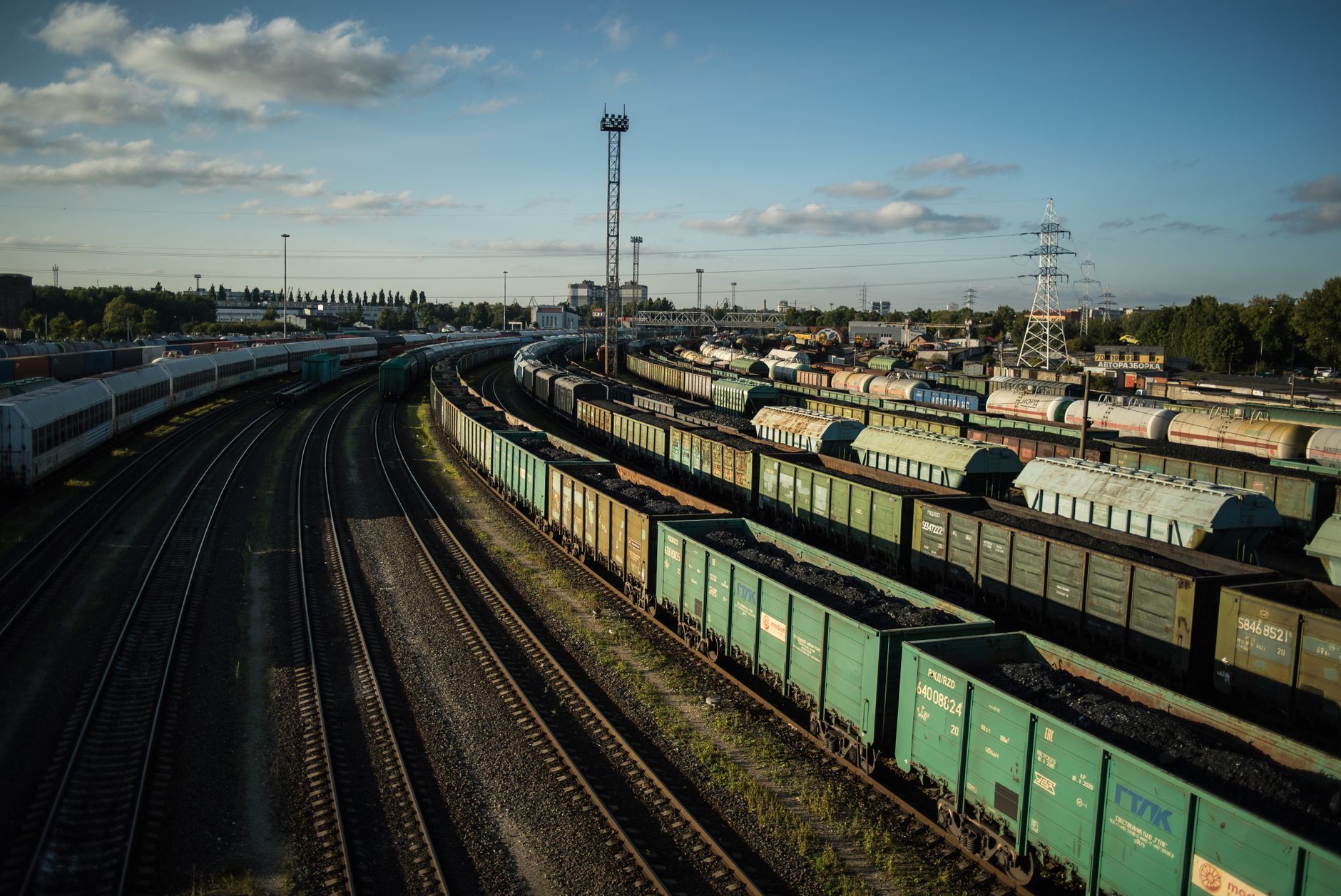
Quick Answer: Digital dock scheduling software in 2025 is essential for warehouse and distribution managers looking to mitigate rising driver detention costs and operational inefficiencies. By centralizing appointment booking, optimizing dock door utilization, and providing real-time visibility, these platforms can reduce average driver wait times by 25% or more, transforming congestion into streamlined workflows and significantly cutting labor expenses.
As a warehouse manager, you're battling an invisible enemy: driver wait times. It's not just a nuisance; it's a rapidly escalating cost. Last year alone, the average driver wait time at facilities like yours surprisingly spiked by 15% across North America, translating into an extra 45 minutes of unproductive time per visit. This isn't just about frustrated drivers; it's about your bottom line, your labor costs, and your facility's reputation in a highly competitive supply chain.
The Escalating Crisis: Why Driver Wait Times Are Killing Your Warehouse Margins
For too long, manual dock scheduling — phone calls, spreadsheets, and whiteboard scribbles — has been accepted as the norm. But the reality in 2025 is that this outdated approach is a catastrophic drain on resources. We're not talking about minor inconveniences; we're talking about direct financial losses and systemic operational failures that most managers only see the symptoms of, not the root cause.
"According to a recent American Trucking Associations (ATA) report, driver detention time, defined as any time a driver spends waiting beyond the first two hours at a facility, costs the trucking industry an estimated $1.3 billion annually. A significant portion of this is directly attributable to inefficient dock scheduling."
As someone who's spent years on both sides of the dock, I can tell you that a 15% increase in average wait times isn't just a statistical blip; it's a stark indicator of worsening systemic issues. For a typical distribution center handling 150 trucks a day, that 45-minute average increase translates to 112.5 hours of wasted productivity daily for your carriers. That cost inevitably gets passed back to you in higher rates or worse service.
The Unseen Costs: Beyond Just Driver Frustration
The immediate pain of a driver stuck at your gate for hours is obvious, but the real costs run far deeper into your operations. Consider these direct impacts:
- Rising Carrier Charges: Carriers levy detention fees, typically $50-$100 per hour after the first two hours. If 30% of your daily loads incur just two hours of detention, that’s an extra $3,000 to $6,000 per day you’re paying out, or $780,000 to $1.56 million annually. Many carriers, especially owner-operators, simply blacklist facilities known for excessive wait times, limiting your access to reliable capacity.
- Labor Inefficiency: Your internal warehouse staff isn't exempt. When trucks arrive off-schedule, dock workers are either idle, scrambling to adjust, or paid overtime for unexpected surges. This reactive approach can inflate your labor costs by 10-15% in peak periods, directly due to poor scheduling.
- Inventory Backlogs & Rush Fees: Delayed unloading means delayed inventory processing. This can lead to critical stockouts, missed production deadlines, or the need for expedited (and expensive) inbound freight to compensate. The average cost of a stockout is estimated at $10,000 per hour for many retail operations.
- Safety and Compliance Risks: Exhausted drivers waiting for hours are more prone to Hours of Service (HOS) violations or accidents. Facilities with long wait times often see higher rates of driver fatigue-related incidents, leading to potential fines and increased liability.
What most professionals miss is the ripple effect. One delayed truck often pushes back two or three subsequent appointments, creating a domino effect that can paralyze your entire yard for a shift. It's a solvable problem, but it requires moving beyond the "that's just how it is" mentality.
Implementing Digital Dock Scheduling: Your Blueprint for a 25% Reduction in Wait Times
The path to significant wait time reduction starts with a well-implemented digital dock scheduling system. This isn't just about moving your paper calendar online; it's about leveraging automation and real-time data to create a synchronized, predictable flow for your inbound and outbound logistics.
"Companies that have adopted advanced digital dock scheduling platforms report an average 28% improvement in dock utilization and a 35% reduction in detention fees within the first year of implementation."
Step 1: Audit Your Current Dock Operations & Identify Bottlenecks
Before you even look at software, you must understand your current state. Most managers have a general idea of where the delays are, but few have specific, data-backed insights. This initial audit is critical.
- Time-Study Every Process: Track every touchpoint for 50-100 consecutive trucks. From gate entry to check-in, dock assignment, actual unloading/loading, paperwork, and gate exit. Use a stopwatch. Identify average times for each step.
- Map Your Peak Hours: Don't just rely on historical manifest data. Observe your docks. When do the "waves" of trucks hit? Are you consistently understaffed during these windows, or is it a lack of available doors?
- Interview Your Drivers & Dock Staff: They are on the front lines. Ask specific questions: "What's the longest you've waited for a dock?", "What's the most common reason for delays?", "What could we do differently to speed things up?" You'll uncover crucial "tribal knowledge" that formal data often misses.
- Quantify Bottlenecks: If a specific dock door is consistently slower, why? Is it equipment failure, staffing issues, or complex load requirements? Attach a real cost to each bottleneck. For example, if Gate 3 is 30 minutes slower on average than other gates, and you move 10 trucks through it daily, that’s 5 hours of lost productivity per day at that single door.
Insider Insight: Many warehouses focus solely on average wait times. The real killer is the *variance*. If 20% of your trucks consistently wait 4+ hours, that's where your reputation and detention costs explode. Your audit should highlight these outliers.
Choosing the Right Digital Dock Scheduling Software for Optimal ROI
Not all digital dock scheduling solutions are created equal. For a warehouse manager, the goal isn't just to buy software; it's to invest in a platform that integrates seamlessly, provides actionable insights, and genuinely reduces your operational headaches. Look for these critical features.
- Real-time Visibility & Communication: Your system must provide a unified dashboard showing all upcoming and active appointments. Look for features like automated SMS/email alerts for carriers on status changes, delays, or gate assignments. This drastically cuts down on check calls and gives carriers predictable updates, reducing their stress and your staff's interruptions.
- Dynamic Slot Optimization: A good system does more than just book slots; it optimizes them. Can it suggest optimal arrival times based on current dock availability, specific load requirements (e.g., hazmat, reefer), and even staff availability? Advanced systems use AI to dynamically adjust schedules, minimizing idle time for both trucks and dock workers.
- Carrier Self-Service Portal: Empower carriers to book, view, and modify appointments 24/7. This reduces administrative burden on your team by up to 40% and shifts accountability to the carrier for accurate bookings. Ensure the portal is intuitive and mobile-friendly; drivers won't use a clunky system.
- Integration Capabilities: Your dock scheduling software must talk to your Warehouse Management System (WMS), Transportation Management System (TMS), and potentially your Yard Management System (YMS). Seamless data flow prevents manual entry errors and ensures that what happens at the dock is reflected accurately in your inventory and shipping records.
- Reporting & Analytics: This is where you measure your 25% reduction. The software should provide robust reports on average wait times, detention costs, dock utilization rates, carrier compliance, and historical performance. Use these metrics to continuously identify areas for improvement and prove ROI.
Controversial Point: Many vendors overpromise on AI-driven optimization without delivering a truly intuitive user experience. Prioritize ease of use for *both* your staff and the carriers first. A complex, feature-rich system that nobody uses properly will deliver zero ROI.
Advanced Strategies: Beyond Basic Scheduling to True Yard Efficiency
To truly unlock a 25% reduction in wait times and beyond, you need to think beyond just scheduling. Integrating your digital dock scheduling with broader yard management principles is the next frontier for distribution managers.
Leveraging Predictive Analytics for Proactive Problem Solving
Modern digital dock scheduling platforms incorporate predictive analytics. This means the system doesn't just react to bookings; it learns from historical data – weather patterns, holiday spikes, specific carrier performance – to anticipate potential delays before they occur. For example, if a carrier habitually arrives 30 minutes late on Fridays, the system can automatically suggest an earlier slot or flag their booking for closer monitoring.
"A case study of a major automotive parts distributor found that by integrating predictive analytics into their dock scheduling, they reduced unexpected delays by 18% and improved outbound load accuracy by 7% over six months."
This allows your team to proactively adjust staffing, pre-stage inventory, or even reroute traffic within the yard. It shifts your operations from reactive firefighting to strategic planning. This also creates a positive feedback loop: better planning leads to shorter wait times, which encourages more carriers to book accurately.
Implementing a Staging and De-Staging Strategy
The "insider knowledge" here is understanding that a dock door is your bottleneck, not your yard. Effective staging areas, managed through your dock scheduling software, can significantly reduce pressure on your doors. Instead of having trucks queue at the dock, direct them to designated staging spots upon arrival. Your system should then notify the driver (via mobile app) exactly when a dock is clear and ready for them.
- Reduced Congestion: Prevents bottlenecks at the gate and around the docks, improving safety.
- Optimized Flow: Allows you to "call" trucks to specific doors in the optimal sequence, regardless of their arrival order.
- Pre-Arrival Checks: Use staging time for pre-unloading inspections or paperwork verification, further accelerating dock turnarounds.
By implementing a robust staging strategy, even facilities with constrained dock space can simulate more available capacity by optimizing the *flow* into and out of those doors. This can, in fact, reduce a 4-hour "wait" to an efficient 2-hour "hold" in a designated, safe area, with actual dock time remaining the same but driver perception and overall efficiency dramatically improving.
Digital Dock Scheduling Software: Key Features Comparison
Choosing the right digital dock scheduling system requires evaluating specific capabilities against your operational needs. Here's a comparison of key features that differentiate leading solutions:
| Feature Category | Basic System (Entry-Level) | Mid-Tier System (Enhanced) | Advanced System (Integrated) |
|---|---|---|---|
| Core Scheduling | Manual booking, limited visibility, simple slot allocation. | Carrier self-service portal, email notifications, basic slot rules. | Dynamic slot optimization, AI-driven suggestions, real-time alerts. |
| Visibility & Communication | Basic dashboard, no external communication. | Web portal for carriers, automated email/SMS status updates. | GPS tracking integration, geofencing alerts, driver mobile app, two-way messaging. |
| Integration | Standalone, manual data transfer. | Basic API for WMS/TMS integration (limited data fields). | Seamless, real-time API integration with WMS, TMS, YMS, ERP. |
| Analytics & Reporting | Basic logs, manual report generation. | Standard reports (wait times, dock utilization), customizable views. | Predictive analytics, root cause analysis, custom dashboards, trend forecasting. | Yard Management | None. | Limited staging area management, gate check-in. | Full yard visibility, automated gate entry/exit, trailer tracking, spotter integration. |
Your goal should be to match the system's capabilities with your pain points. If carrier communication is your biggest issue, a mid-tier system's self-service portal is a strong starting point. If you're struggling with complex, variable demand, the predictive analytics of an advanced system will offer the most significant ROI.
Key Takeaways
- Average driver wait times increased by 15% last year, costing facilities millions annually in detention fees and operational inefficiency.
- Manual dock scheduling creates a ripple effect of costs, including increased carrier charges (up to $100/hour), inflated labor expenses (10-15%), and inventory disruptions.
- Conduct a detailed operational audit, including time-studies and staff/driver interviews, to identify specific bottlenecks and quantify their financial impact before implementing software.
- Prioritize digital dock scheduling software with real-time visibility, dynamic slot optimization, carrier self-service, seamless integration, and robust analytics.
- Focus on features that offer immediate value to both your operations team and the drivers, like mobile apps and automated communication, over complex but unused AI.
- Integrate dock scheduling with yard management strategies, like predictive analytics and a dedicated staging area, to unlock greater efficiency and proactively manage flow.
- A 25% reduction in driver wait times is achievable through strategic implementation, leading to direct savings in detention costs and improved facility reputation.
- The true "insider fix" is not just scheduling but managing the *variance* in your operations and optimizing the entire yard flow, not just the dock doors.
Frequently Asked Questions
What is digital dock scheduling software?
Digital dock scheduling software is a platform that centralizes and automates the process of booking and managing appointments for trucks arriving at and departing from warehouse loading docks. It replaces manual methods like phone calls and spreadsheets, offering real-time visibility, optimized slot allocation, and improved communication between warehouses and carriers.
How much does digital dock scheduling software cost?
The cost of digital dock scheduling software varies widely, ranging from approximately $200 to $2,000 per month for subscription-based models, depending on features, number of users, and facility size. Enterprise solutions with extensive integrations and custom development can cost upwards of $10,000 per month or involve significant upfront implementation fees.
When should a warehouse implement a digital dock scheduling system?
A warehouse should implement a digital dock scheduling system if it consistently experiences driver detention fees, dock congestion, high operational labor costs due to unpredictable truck arrivals, or frequent carrier complaints about wait times. Typically, facilities handling more than 20-30 trucks per day will see a strong ROI from such a system.
What are the key benefits of using a digital dock scheduling system?
The key benefits include reduced driver wait times (often by 25% or more), lower detention fees, improved dock utilization, enhanced operational efficiency, better labor planning, increased carrier satisfaction, and access to valuable data for continuous improvement. It transforms reactive operations into proactive, data-driven logistics.
What is the difference between dock scheduling and yard management?
Dock scheduling primarily focuses on managing the precise timing and sequence of trucks at the loading/unloading docks. Yard management is a broader concept that encompasses the entire lifecycle of a trailer within a facility's yard, from gate entry to parking, movement between spots, and eventual departure, including dock scheduling as a component. A fully integrated system offers the greatest efficiency.
Elevate Your Operations with Advanced Digital Dock Scheduling
The rising tide of driver wait times isn't just an industry trend; it's a direct threat to your profitability and operational fluidity. As a warehouse manager, you have the power to reverse this trend. Implementing a strategic digital dock scheduling system, backed by a thorough understanding of your unique bottlenecks and a commitment to leveraging data, isn't just an upgrade — it's a competitive imperative. You're not just cutting wait times; you're building a more reliable, cost-effective, and driver-friendly operation.
Loadly understands these challenges because we live them with you. Our platform integrates seamlessly with advanced dock scheduling tools, giving you the real-time visibility and control needed to transform your yard from a bottleneck into a finely tuned engine. Discover how Loadly can help you connect with reliable carriers who appreciate efficient operations, further reducing your wait times and boosting your bottom line.
Learn more about how Loadly optimizes your freight logistics today.