What is Multi-Modal Shipping?
Multi-modal shipping is a sophisticated approach to logistics that involves using two or more different modes of transport, such as road, rail, and sea, to move goods from their origin to their final destination. The key differentiator is that a single contract covers the entire journey, even though different carriers or modes are utilized. This comprehensive strategy is designed to leverage the unique advantages of each transport method, creating a more efficient, cost-effective, and often more environmentally friendly supply chain.
The Power of Combination: Road, Rail, and Sea
Understanding how each mode contributes to the overall multi-modal strategy is crucial for optimizing your logistics operations. Each transport method plays a vital role in moving goods efficiently across varying distances and terrains.
Road Transport: The First and Last Mile Connector
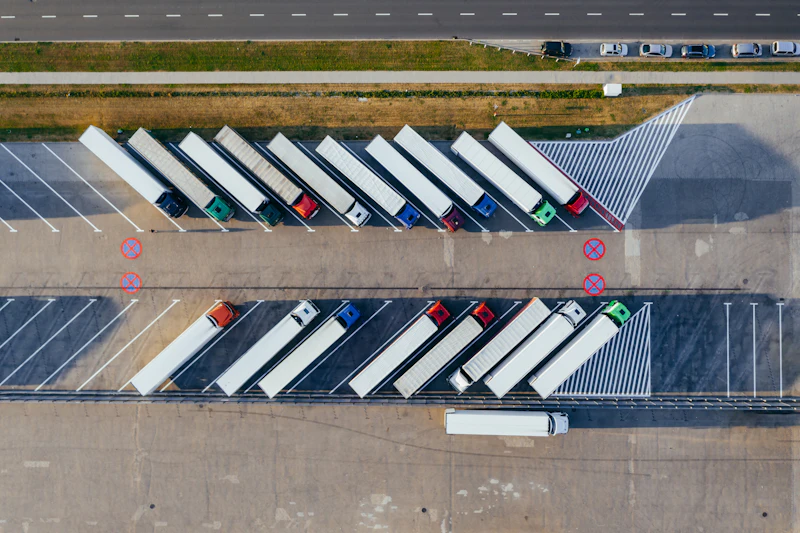
Road transport, primarily using trucks, offers unparalleled flexibility and directness. It's indispensable for the "first mile" collection from the sender and the "last mile" delivery to the recipient, especially when other transport hubs are involved. Its door-to-door capability ensures that goods can reach virtually any location, making it a critical component for bridging gaps between railheads, ports, and warehouses.
Rail Transport: The Backbone for Bulk and Long Distances
For moving large volumes of goods over long distances, rail transport often emerges as the most economical and environmentally sound choice. Trains can carry significantly more freight than trucks, reducing fuel consumption per ton-mile and contributing to lower carbon emissions. Rail transport provides a reliable and cost-effective solution for inter-city or inter-region movements, forming the backbone of many multi-modal routes.
Sea Transport: Global Reach for High Volumes
When it comes to international trade and shipping massive quantities across oceans, sea transport via cargo ships is unmatched. It offers the lowest cost per unit for high-volume, long-distance international shipments. Ports serve as crucial transshipment points, connecting sea routes with road and rail networks to facilitate global supply chains. Containerization has further revolutionized sea transport, making the transfer of goods between modes seamless and secure.
Key Benefits of Adopting Multi-Modal Solutions
Implementing a multi-modal shipping strategy brings a multitude of advantages that can significantly impact your business's bottom line and operational efficiency.
- Cost Efficiency: By selecting the most economical mode for each segment of the journey, businesses can significantly reduce overall transportation costs, especially for long-haul and international shipments.
- Reduced Environmental Impact: Utilizing rail and sea for long distances minimizes the carbon footprint compared to solely relying on road transport, aligning with growing sustainability goals.
- Enhanced Flexibility & Reliability: Multi-modal solutions offer backup options and allow for adaptability in case of disruptions in one transport mode. This diversified approach can lead to more consistent delivery times.
- Global Reach: Combining sea, rail, and road allows businesses to tap into global markets and reach remote destinations that would be inaccessible with a single mode of transport.
- Increased Capacity: Leveraging the high capacity of rail and sea for bulk movements frees up road transport for more flexible, smaller deliveries, optimizing overall logistical flow.
Optimizing Your Multi-Modal Strategy
To successfully implement multi-modal shipping, strategic planning and advanced logistics management are essential. Businesses should focus on selecting reliable logistics partners, utilizing advanced tracking and visibility technologies, and optimizing routes for each leg of the journey. Effective communication and robust risk management strategies are also crucial to ensure smooth operations and minimize potential delays.
Embracing multi-modal shipping is more than just combining different transport methods; it's about creating a smarter, more resilient, and sustainable supply chain. By strategically integrating road, rail, and sea transport, businesses can unlock new levels of efficiency, reduce costs, and enhance their global competitive edge in today's dynamic logistics landscape.