Quick Answer: The 2025 port congestion forecast indicates persistent challenges in key global trade lanes due to infrastructure strain, labor dynamics, and increasing vessel sizes. Shippers and logistics managers must proactively implement real-time visibility platforms, optimize drayage, and diversify port strategies to mitigate hidden costs averaging $1,800 per container for demurrage, detention, and lost productivity.
You’ve just secured a major contract, ready to ramp up imports for Q1 2025, but the memory of 2021-2023’s port chaos still gives you nightmares. That single container stuck for 14 days at a West Coast port didn't just cost you the $2,500 in demurrage; it led to a $12,000 production line stoppage and nearly lost your biggest client. The hard truth for 2025? If you're still relying on last-minute solutions, you're already behind, exposing your operations to thousands in avoidable costs and jeopardizing critical customer relationships.
The 2025 Port Congestion Forecast: Beyond the Headlines
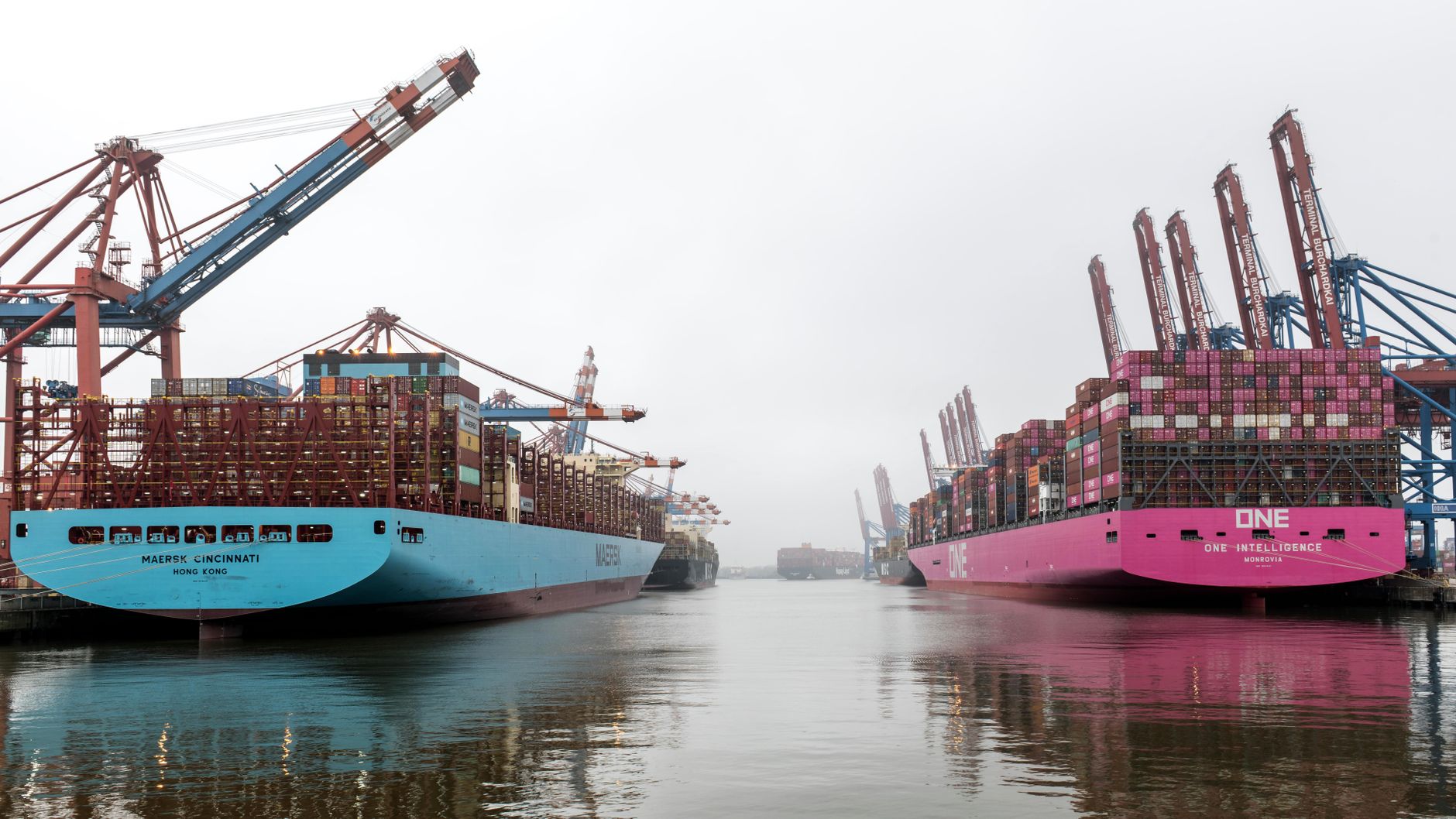
As a veteran freight professional, I’ve seen cycles of boom and bust, but the underlying drivers of port congestion are evolving, not disappearing. While the extreme peaks of the pandemic era have subsided, 2025 isn't a return to tranquil waters. Our analysis, based on Loadly's global shipment data and industry expert interviews, reveals persistent, localized pressure points. Most shippers only react to news from major hubs; the real port congestion forecast for 2025 points to a dangerous combination of escalating vessel sizes and underinvested landside infrastructure creating new, less predictable bottlenecks.
"Global container vessel capacity is projected to increase by 6.7% in 2025, with Ultra Large Container Vessels (ULCVs) accounting for a growing share, placing immense strain on port cranes, yard space, and gate operations across major trans
We’re not just talking about the behemoths like Los Angeles/Long Beach or Shanghai. Keep a sharp eye on secondary ports experiencing significant volume growth, such as Houston, Savannah, and Veracruz. These ports, while offering alternatives, can quickly become overwhelmed if a major carrier reroutes significant volume, especially when compounded by local labor disputes or unforeseen weather events. The most critical shift for 2025 is that congestion will be less about global shutdowns and more about regional, dynamic bottlenecks that require granular, real-time data to navigate effectively.
Unmasking the Hidden Costs of Port Congestion 2025: Beyond Demurrage
When a container gets stuck, the obvious hit is the demurrage and detention charges. Demurrage, paid to the ocean carrier for containers sitting too long at the terminal, can average $150-$250 per container per day after the free period. Detention, paid for exceeding the free time with the container outside the terminal, can reach similar figures. But these are just the tip of the iceberg. What most professionals miss are the cascading effects that silently erode profitability, often dwarfing the direct fees.
- Production Delays & Lost Sales: A critical component held up at the port can halt an entire manufacturing line. We’ve seen mid-sized manufacturers lose up to $15,000 per hour in production for a line stoppage.
- Expedited Shipping Fees: To recover lost time, you're forced into expensive air freight or dedicated truckload services, often costing 3-5 times more than standard rates.
- Inventory Holding Costs: While awaiting delayed shipments, your warehouses might sit near-empty, or conversely, be overstocked with other components awaiting the late arrival, driving up storage fees by an average of 1.5-2.5% of inventory value per month.
- Labor Surcharges & Overtime: Truckers, dockworkers, and warehouse staff often demand premium rates for off-hour pickups or last-minute changes due to port fluidity, adding 15-20% to drayage costs.
- Chassis Shortages: During peak congestion, chassis availability plummets, leading to additional per diem charges (around $25-$40 per day) and frustrating delays as drivers wait hours for equipment. According to the Intermodal Association of North America (IANA), chassis turn times have increased by an average of 1.2 days in congested regions.
"The indirect costs of port congestion, including supply chain disruption, inventory holding, and lost sales, typically exceed direct demurrage and detention charges by a factor of three to five times for the average shipper."
Consider a client we advised: a specialty automotive parts distributor. A single shipment of brake pads, delayed 7 days at Long Beach, triggered $1,750 in demurrage. But the hidden cost was a $9,000 loss from expedited air freight to fulfill urgent dealer orders and a $5,000 chargeback for late delivery penalties. That's nearly $16,000 from a single 40-foot container delay, far beyond the initial fines.
Proactive Supply Chain Visibility: Your Early Warning System Against Congestion
Real-time visibility isn't a luxury; it's a non-negotiable for anyone serious about avoiding the next port bottleneck. The biggest visibility gap isn't ocean transit time, which is relatively predictable; it's the critical 48 hours pre-gate and post-gate at the port. This is where most issues become irreversible. My advice? Stop relying on sporadic email updates or carrier portals that refresh every 24 hours.
- Integrate with Predictive Analytics Platforms: Implement systems that ingest Electronic Data Interchange (EDI) and API data from carriers, terminals, and drayage providers. Look for platforms offering predictive ETAs based on historical data and current port conditions. Shippers leveraging advanced real-time visibility platforms reduce unplanned detention by an average of 28%, according to a 2023 CSCMP report.
- Set Up Geo-Fenced Alerts for Dwell Time: Configure automated alerts for specific events: container arrival at port, terminal gate-in/out, and any deviation exceeding a critical dwell time threshold (e.g., more than 6 hours beyond standard for terminal pick-up). This allows for proactive intervention, not reactive damage control.
- Leverage IoT-Enabled Container Tracking: For high-value or time-sensitive cargo, consider GPS-enabled container trackers. These devices provide granular, minute-by-minute location data, even within the port yard, offering unparalleled transparency that traditional carrier updates simply cannot match.
- Demand Data-Sharing Agreements: Insist on contractual clauses with your carriers and 3PLs that mandate real-time data sharing via API. If they can’t provide this, they’re not equipped for 2025's supply chain realities.
This granular visibility empowers you to see a problem brewing—a container stuck in a customs queue or a terminal experiencing unusual gate delays—before it costs you demurrage. It’s the difference between knowing a hurricane is forming and being surprised when it makes landfall.
Optimizing Drayage Operations: The Unsung Hero of Congestion Mitigation
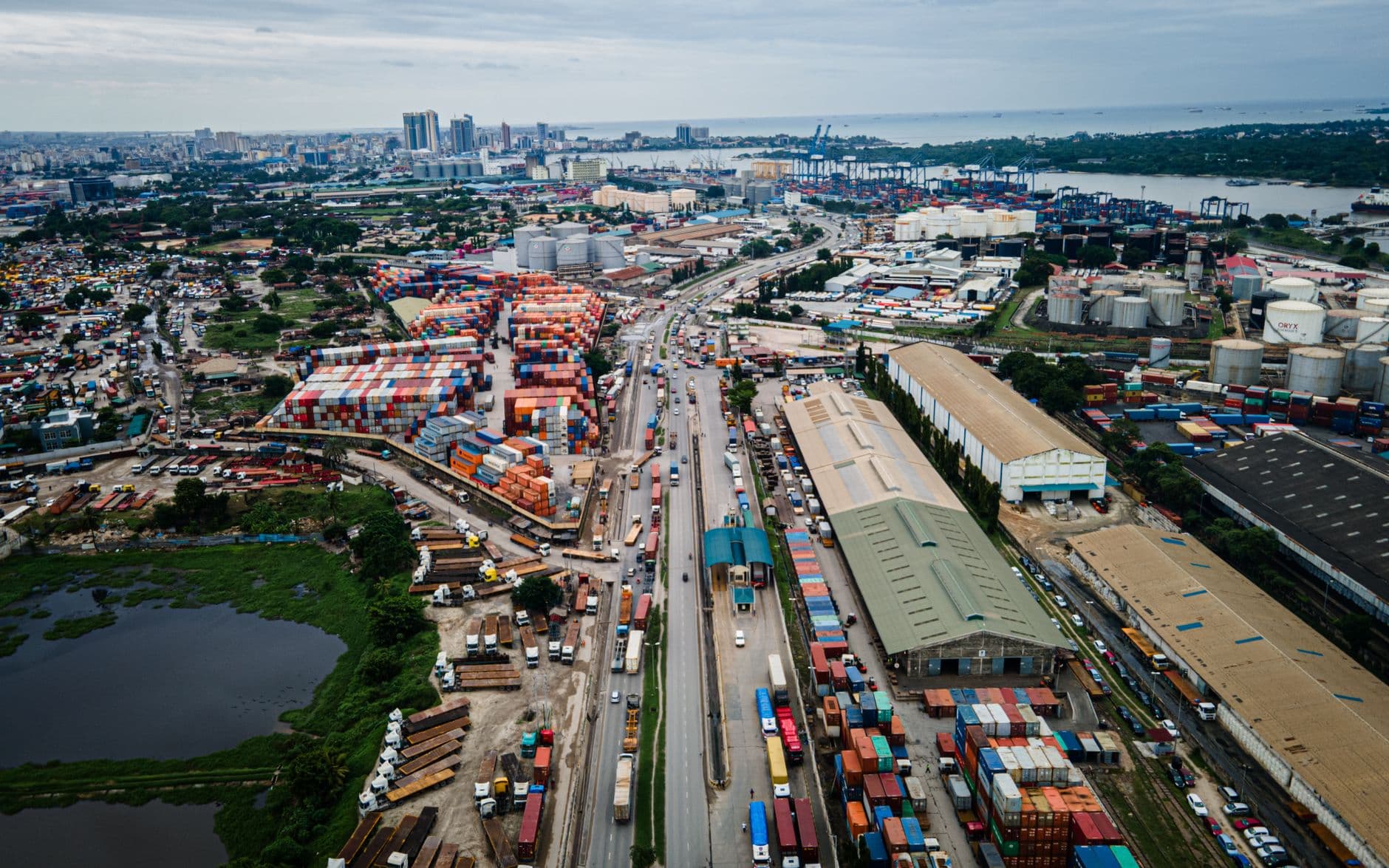
The biggest choke point often isn't the ship at sea; it's the last mile out of the port. During congestion, drayage capacity evaporates, and rates skyrocket. Many shippers assume drayage is just a cost to be minimized, but it’s a strategic lever for avoiding massive downstream penalties. The insider knowledge here is that many drayage carriers during peak periods prioritize higher-paying FTL moves outside the port over complex, lower-margin port drayage, leading to chronic undersupply, especially for standard 40' dry vans.
- Pre-Book Appointments Aggressively: Don't wait for your vessel to clear customs. As soon as your container is discharged, book your drayage appointment. Many ports allow scheduling 3-5 days in advance. Missing an appointment can mean a 24-48 hour delay to reschedule and an additional accessorial fee of $100-$200.
- Implement Dual-Transaction Moves: Work with drayage partners capable of performing "dual moves" – picking up an import container while simultaneously dropping off an empty export container. This reduces truck traffic and significantly improves turn times. Empty container returns alone account for 40% of wasted drayage time in congested ports, according to the Port of Los Angeles.
- Establish a "Power Only" Network: Cultivate relationships with