Quick Answer: Mastering pop-up retail logistics requires an agile, tech-driven supply chain focused on pre-positioning inventory, optimizing last-mile delivery with dynamic routing, and leveraging demand forecasting to mitigate high fulfillment costs and delivery delays. Implementing real-time visibility tools and flexible warehousing allows pop-ups to achieve up to 20% higher operational efficiency than traditional models.
Imagine your holiday pop-up, a meticulously curated space, but 30% of your key inventory is stuck in a regional depot because a carrier couldn't guarantee surge capacity. This isn't a hypothetical; it's a cold reality for countless e-commerce and retail brands, costing them an estimated $47 billion annually in lost sales and refunds due to preventable logistics failures in seasonal windows. The conventional wisdom for pop-ups — just-in-time everything — is often a recipe for late deliveries and spiraling costs. You need a playbook that lets your temporary storefronts punch above their weight, turning logistical challenges into a surprising competitive edge.
The Hidden Costs of Pop-Up Retail Logistics Failures
The allure of pop-up retail is low overhead and rapid market entry, but beneath the surface lies a logistical minefield. Most brands underestimate the true cost of inadequate supply chain planning, especially concerning seasonal and event-driven sales. We're not talking about just missed sales; we're talking about direct profit erosion. For example, a single delayed delivery that leads to a customer refund and a negative review can cost a brand 3-5 times the product's value when you factor in customer acquisition costs and brand damage. The biggest culprit is a failure to adapt traditional logistics models to the inherent volatility and short lead times of temporary retail.
According to the National Retail Federation (NRF), holiday retail sales are projected to grow between 3.5% and 4.5% in 2024, but 68% of retailers cite supply chain disruptions as their primary concern impacting profitability — 2024.
The industry's conventional wisdom often suggests running lean, relying on minimal inventory and frequent, small replenishments. While this works for permanent fixtures, for pop-ups, it often leads to stockouts during peak hours and expensive expedited shipping. The real problem isn't just managing inventory, it's managing the flow of inventory through an inherently unstable network. Without a pre-emptive strategy for surge capacity and dynamic routing, even minor disruptions can cascade into significant losses, making what looked like a profitable venture turn red fast.
Beyond Guesswork: Why Most Pop-Up Inventory Strategies Fail
The common approach to pop-up inventory — often a best guess based on limited historical data or wishful thinking — directly fuels high fulfillment costs and delivery delays. Most e-commerce and retail businesses apply their standard inventory models, designed for predictable, long-term store performance, to the entirely different beast of pop-up retail. This results in either massive overstocking that ties up capital and incurs storage fees for unsold goods, or critical understocking that leads to lost sales and customer disappointment. The core failure point is often a misunderstanding of localized demand spikes and the true lead times required for specialized pop-up replenishment.
Another major blind spot is returns management. Pop-ups, particularly those tied to events or holiday seasons, can experience return rates up to 30% higher than permanent stores due to impulse purchases or gift returns. Without a pre-defined reverse logistics plan, these returns become a costly mess, often requiring manual processing, expensive re-shipping to central warehouses, or even outright write-offs. This is where experienced freight professionals understand that logistics isn’t just about getting goods to the customer, but also efficiently getting them back.
A study by the Council of Supply Chain Management Professionals (CSCMP) found that reverse logistics costs can account for 0.5% to 5% of total revenue, with pop-up models often trending towards the higher end — 2023.
The solution isn't simply more inventory or faster shipping; it's about intelligent, adaptive planning that treats each pop-up as a unique micro-supply chain. It means thinking like an owner-operator who plans their route not just for the destination, but for every potential weigh station, fuel stop, and unexpected road closure. It's about building in resilience, not just efficiency, from day one.
1. Optimize Inventory Pre-Positioning for Reduced Pop-Up Fulfillment Costs
The biggest lever you have against crippling fulfillment costs for pop-ups is intelligent inventory pre-positioning. Don't wait for demand; anticipate it and move product strategically closer to the point of sale before the pop-up even opens. This isn't about guesswork; it's about using localized demographic data and past event performance to place a core safety stock within a 50-mile radius of your pop-up location. The industry secret here: leverage underutilized storage-in-transit or micro-warehousing solutions that are often cheaper than full-service 3PLs for short durations.
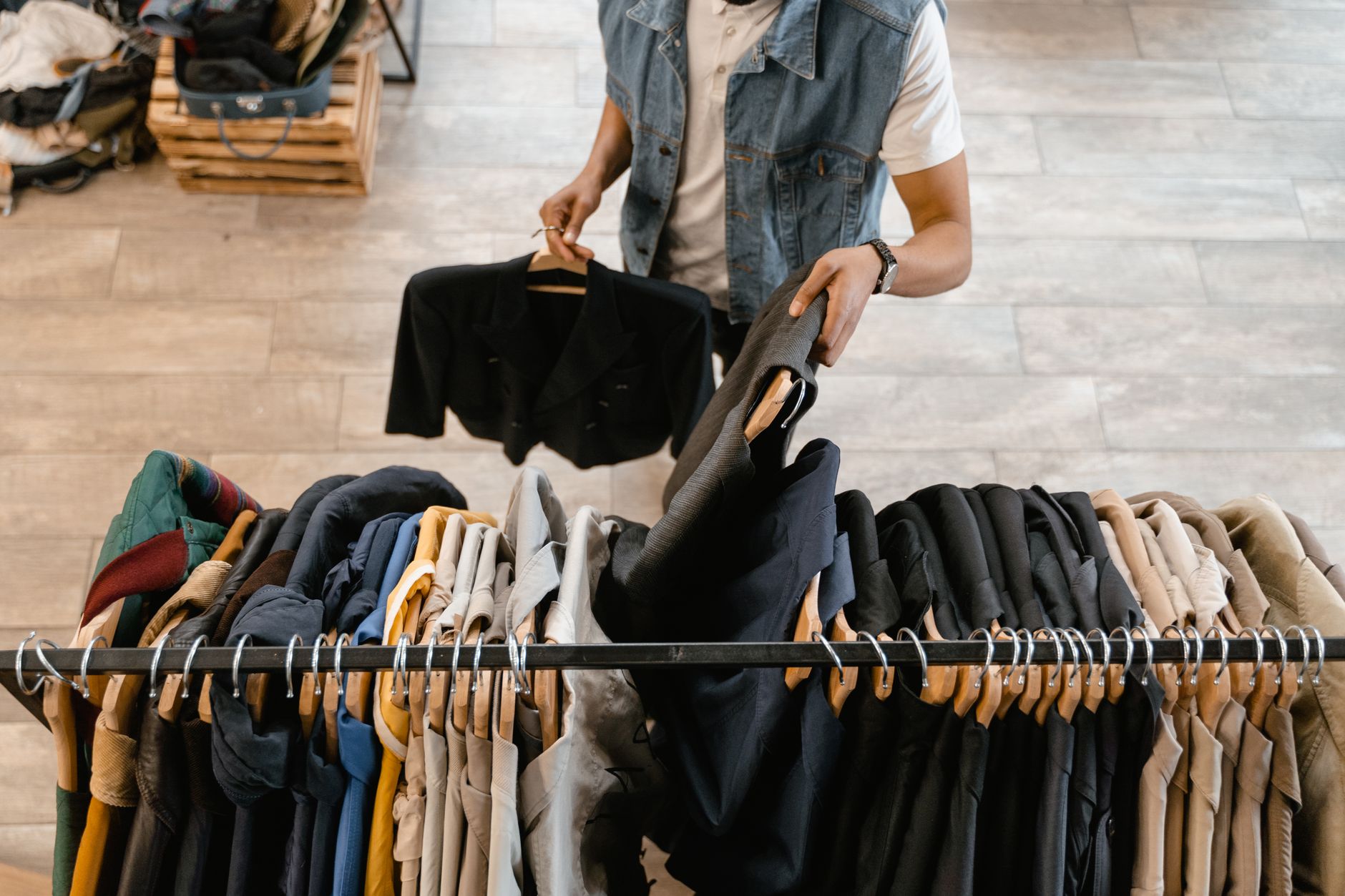
- Analyze Micro-Market Demand: Don't just look at national trends. Use postcode-level sales data from previous events, local demographics (age, income, lifestyle), and even local social media buzz to predict specific product demand. For a fashion pop-up in a metropolitan area, focus on the top 20% of SKUs that historically generate 80% of revenue in similar settings. This granular analysis can cut initial inventory overstocking by up to 12%.
- Engage Flexible Storage Options Early: Before securing your pop-up space, identify local short-term storage units, cross-dock facilities, or even smaller 3PLs that offer temporary warehousing. Negotiate rates for month-to-month contracts rather than annual terms. This flexibility can shave 20-30% off traditional warehousing costs for your temporary needs. A veteran broker knows that carriers often have empty trailer space they're looking to utilize for backhauls or short-term storage near major event venues.
- Establish a Core Safety Stock: Determine a base level of "must-have" inventory (your top 20% SKUs) that can cover the first 3-5 days of peak sales without replenishment. This buffer should be stored locally. This allows you to respond to initial demand surges without incurring expensive last-minute expedited freight. Aim to have 70% of your initial pop-up inventory pre-positioned in this manner.
- Implement Dynamic Replenishment Triggers: Set up real-time sales tracking linked to automated replenishment alerts. Once a specific SKU drops below a 2-day supply, the system should automatically flag it for a local top-up from your pre-positioned stock. This proactive approach prevents stockouts and reduces the need for costly emergency shipments, cutting last-mile expediting fees by an average of $150 per incident.
This strategy minimizes the risk of product delays while dramatically reducing the cost per unit of getting products onto your shelves. It's the difference between reacting to a fire and preventing it with smart zoning.
2. Leverage Dynamic Last-Mile Delivery for Peak Season Pop-Up Efficiency
The "last mile" is where most pop-up logistics unravel, especially during high-volume seasons. Traditional fixed-route delivery models are simply too rigid for the unpredictable nature of temporary retail, leading to significant delays and inflated costs. The solution is dynamic last-mile delivery, utilizing technology to adapt routes and carrier selection in real-time. This isn't just about speed; it's about precision and cost-effectiveness under pressure. One often-missed fact: local independent couriers, often overlooked by larger retailers, can offer 24/7 flexibility and direct communication that national carriers can’t match for critical, time-sensitive pop-up replenishments.
- Integrate Real-Time Visibility Platforms: Adopt a robust TMS (Transportation Management System) or a digital freight marketplace that provides real-time GPS tracking for all last-mile deliveries. This isn't just a "nice to have"; it's a non-negotiable. Knowing precisely where your replenishment is at any given moment allows you to communicate accurate arrival times to your pop-up staff and customers, reducing customer frustration by over 40%. This transparency also allows for immediate intervention if a deviation occurs.
- Cultivate a Network of Local On-Demand Carriers: Don't rely solely on your primary LTL or parcel carrier for urgent pop-up needs. Build relationships with local hot-shot drivers, dedicated couriers, and even crowdsourced delivery services. These local partners can often provide same-day or even "within-hours" delivery for critical stockouts at a fraction of the cost of traditional expedited freight, especially for loads under 500 lbs. Many digital freight marketplaces offer tools to quickly browse and book these types of local, on-demand carriers, often revealing available capacity for a specific route within minutes.
- Implement Dynamic Route Optimization: For pop-ups requiring multiple daily replenishments, use software that can dynamically adjust delivery routes based on real-time traffic, delivery priorities, and carrier availability. This can cut delivery times by 15-20% and fuel costs by 5-10%. It's the difference between a pre-programmed GPS and a dispatcher making live adjustments for unexpected gridlock.
- Pre-Book Dedicated Event Logistics Partners: For major events or long-running seasonal pop-ups, consider contracting a dedicated event logistics specialist. These niche providers understand the unique demands of temporary venues, often offering on-site support, specialized equipment, and expedited setup/teardown services. While seemingly more expensive upfront, they can reduce overall operational headaches and emergency costs by up to 25%, ensuring your pop-up runs smoothly from opening to close.
By treating your last-mile as a dynamic, responsive network, you transform a common pop-up pain point into a competitive advantage, ensuring products are always where they need to be, precisely when they're needed.
3. Strategize Reverse Logistics for Reduced Pop-Up Return Rates
Returns are often the forgotten stepchild of pop-up retail logistics, yet they can decimate your margins. High return rates for pop-ups, sometimes reaching 35-40% for apparel and electronics, require a dedicated, proactive reverse logistics strategy. Most companies wait for returns to pile up, then ship them back to a central DC at immense cost. The expert approach is to treat returns as an opportunity for rapid re-commerce or local liquidation, minimizing transportation and handling expenses.
- Implement On-Site or Localized Return Processing: Whenever feasible, allow customers to return items directly at the pop-up location or a nearby designated drop-off point. Empower pop-up staff with a streamlined returns process, including immediate refunds/exchanges. This drastically improves customer experience and allows for instant quality checks. If an item is undamaged and saleable, it can be immediately restocked. This simple step can reduce return processing costs by $5-10 per item by eliminating unnecessary transit.
- Categorize Returns for Immediate Action: Don't treat all returns equally. Implement a quick sorting protocol:
- A-Grade (Resaleable): Immediately re-tag and restock for on-site sale.
- B-Grade (Minor Imperfection): Offer "open box" discounts directly at the pop-up or to local liquidators.
- C-Grade (Damaged/Defective): Consolidate for bulk return to supplier or local recycling.
- Negotiate Favorable Return-to-Vendor (RTV) Terms: Before opening, establish clear RTV agreements with your suppliers, especially for high-value or high-return-rate items. This could include direct drop-shipping labels, pre-negotiated freight rates for consolidated returns, or even local pickup by the supplier's own logistics. A seasoned logistics manager knows that RTV agreements should be part of the initial vendor contract, not an afterthought.
- Leverage Consolidated Backhauls: Instead of individual parcel shipments for returns, consolidate all returns from a pop-up and ship them back via an LTL or even full truckload carrier (FTL) that is already making a delivery in your region. Many carriers offer discounted rates for backhaul freight, turning an otherwise empty return trip into a revenue opportunity. This can reduce return shipping costs by 30-50% compared to sending individual packages.
By proactively managing reverse logistics, you turn a potential profit drain into a strategic operation that enhances customer loyalty and protects your bottom line, proving that a truly agile supply chain considers the entire product lifecycle.
4. Master Holiday Surge Capacity: Prevent Delivery Delays with Network Redundancy
The holiday season and major events represent peak revenue opportunities but also the greatest logistical challenges, primarily due to unprecedented demand for freight capacity. Delivery delays during these periods aren't just an inconvenience; they directly translate to abandoned carts, lost sales, and customer churn. The common mistake is to rely on a single carrier or a static capacity plan. Instead, successful pop-ups build network redundancy and utilize predictive analytics to secure capacity before the crunch.
- Forecast Demand with Granular Precision: Don't just estimate overall holiday sales. Break down forecasts by SKU, pop-up location, and even time of day where possible. Use AI-driven predictive analytics tools that incorporate historical sales, promotional calendars, weather patterns, and local event schedules. For example, knowing a major concert is happening near your pop-up can indicate a 20-30% spike in traffic and sales for certain items. This precision allows you to pre-book appropriate carrier capacity, avoiding last-minute surcharges.
- Diversify Your Carrier Portfolio: Never put all your eggs in one basket. Maintain relationships with at least three primary carriers (e.g., one national LTL, one regional LTL, one specialized courier network) and a roster of secondary, on-demand providers. During peak season, national carriers often prioritize established high-volume shippers. Having alternatives ensures you always have capacity, even if it means paying a slight premium. This strategy can reduce critical delivery failures by up to 60%.
- Pre-Book Dedicated Peak Season Capacity: For your most critical pop-ups or highest-volume periods, don't wait until November to secure freight. Work with your top carriers 3-6 months in advance to reserve dedicated truck space or even full truckloads (FTL) for specific routes during peak weeks. While this may require a commitment, it locks in rates and guarantees capacity, preventing the nightmare of being unable to move inventory.
- Implement a "Go/No-Go" Contingency Plan: For every pop-up, develop a clear contingency plan for logistical disruptions. What happens if a carrier misses a pickup? Who is the backup? What is the maximum acceptable delay before activating an emergency hot-shot service? Having these protocols in place, along with pre-approved budgets for expediting, can save your entire pop-up operation. Remember, even with perfect planning, unexpected events occur; the goal is to minimize their impact. I’ve seen owner-operators make hundreds of extra dollars on last-minute “rescue” loads during the holidays because a shipper didn't have a backup plan.
Building redundancy into your logistics network is akin to having multiple escape routes in a crowded building; it's non-negotiable for safety and success during high-stakes periods. This proactive approach transforms the chaos of peak demand into a controlled, manageable flow, allowing your pop-up to thrive.
Key Takeaways
- Pre-positioning 70% of initial pop-up inventory within 50 miles of the location can reduce last-mile fulfillment costs by up to 20%.
- Leverage underutilized short-term storage or storage-in-transit solutions to save 20-30% on traditional pop-up warehousing fees.
- Implement real-time visibility and dynamic route optimization to cut last-mile delivery times by 15-20% and fuel costs by 5-10%.
- Cultivate a network of local, on-demand carriers to handle critical stockouts, saving an average of $150 per expedited incident.
- Establish on-site or localized return processing and categorize returns to boost salvage value by up to 15% and reduce processing costs by $5-10 per item.
- Diversify your carrier portfolio and pre-book peak season capacity 3-6 months in advance to reduce critical delivery failures by up to 60% during surges.
- For every pop-up, create a "Go/No-Go" contingency plan for logistical disruptions, including backup carriers and pre-approved expediting budgets.
- Proactive reverse logistics planning, including consolidated backhauls, can reduce return shipping costs by 30-50% compared to individual parcels.
Frequently Asked Questions
What is pop-up retail logistics?
Pop-up retail logistics refers to the specialized supply chain management practices required for temporary retail establishments, such as seasonal stores, event booths, or short-term brand activations. It involves agile inventory management, flexible warehousing, dynamic last-mile delivery, and efficient reverse logistics to handle the unique challenges of limited operating times and unpredictable demand spikes.
How can pop-up stores reduce high fulfillment costs?
Pop-up stores can significantly reduce fulfillment costs by pre-positioning core inventory close to the pop-up location using short-term storage, leveraging local on-demand carriers for replenishments, and implementing real-time sales data to trigger precise, smaller top-ups rather than large, infrequent shipments. This strategy minimizes expensive expedited freight and reduces the labor associated with managing stockouts.
What are common causes of delivery delays for seasonal sales?
Common causes of delivery delays for seasonal sales include insufficient carrier capacity during peak periods, inadequate demand forecasting leading to unexpected stockouts, reliance on single-carrier strategies, and a lack of real-time visibility into shipment status. Without a diverse carrier network and proactive capacity booking, even minor disruptions can cascade into significant delays, impacting sales and customer satisfaction.
How can pop-up retailers manage high return rates effectively?
To effectively manage high return rates, pop-up retailers should implement on-site or localized return processing, immediately categorizing returned items for resale, liquidation, or disposal. Negotiating clear Return-to-Vendor (RTV) agreements with suppliers and using consolidated backhauls for shipping unsaleable items back to a central facility or vendor can dramatically reduce transportation and processing costs.
When should I start planning logistics for a holiday pop-up?
You should start planning logistics for a holiday pop-up at least 3-6 months in advance. This lead time allows for accurate demand forecasting, negotiation of flexible storage solutions, diversification of carrier contracts, and crucially, pre-booking dedicated freight capacity during peak seasons. Proactive planning is essential to avoid last-minute surcharges and guarantee reliable service when demand surges.
What's the difference between traditional and agile pop-up logistics?
Traditional logistics for pop-ups often involves adapting standard supply chain models, which are typically designed for predictable, long-term operations, leading to rigidity and high costs. Agile pop-up logistics, in contrast, specifically focuses on flexibility, real-time adaptation, multi-modal solutions, and pre-emptive planning for short, high-intensity sales windows, prioritizing responsiveness and cost-efficiency over scale.
Your Agile Pop-Up Retail Logistics Edge
The success of your next pop-up doesn't hinge on luck or simply finding the cheapest carrier. It relies on a meticulously planned, agile logistics strategy that anticipates problems before they occur and leverages real-time solutions. By implementing the specific strategies outlined—from pre-positioning inventory to dynamically managing last-mile deliveries and streamlining returns—you not only mitigate the common pain points of high costs and delays but actually create a competitive advantage. Imagine the confidence of knowing your inventory flow is robust, your deliveries are on schedule, and your returns are handled efficiently, freeing you to focus on the customer experience and sales. This isn't just about moving boxes; it's about building a reputation for reliability and efficiency that permanent stores struggle to match.