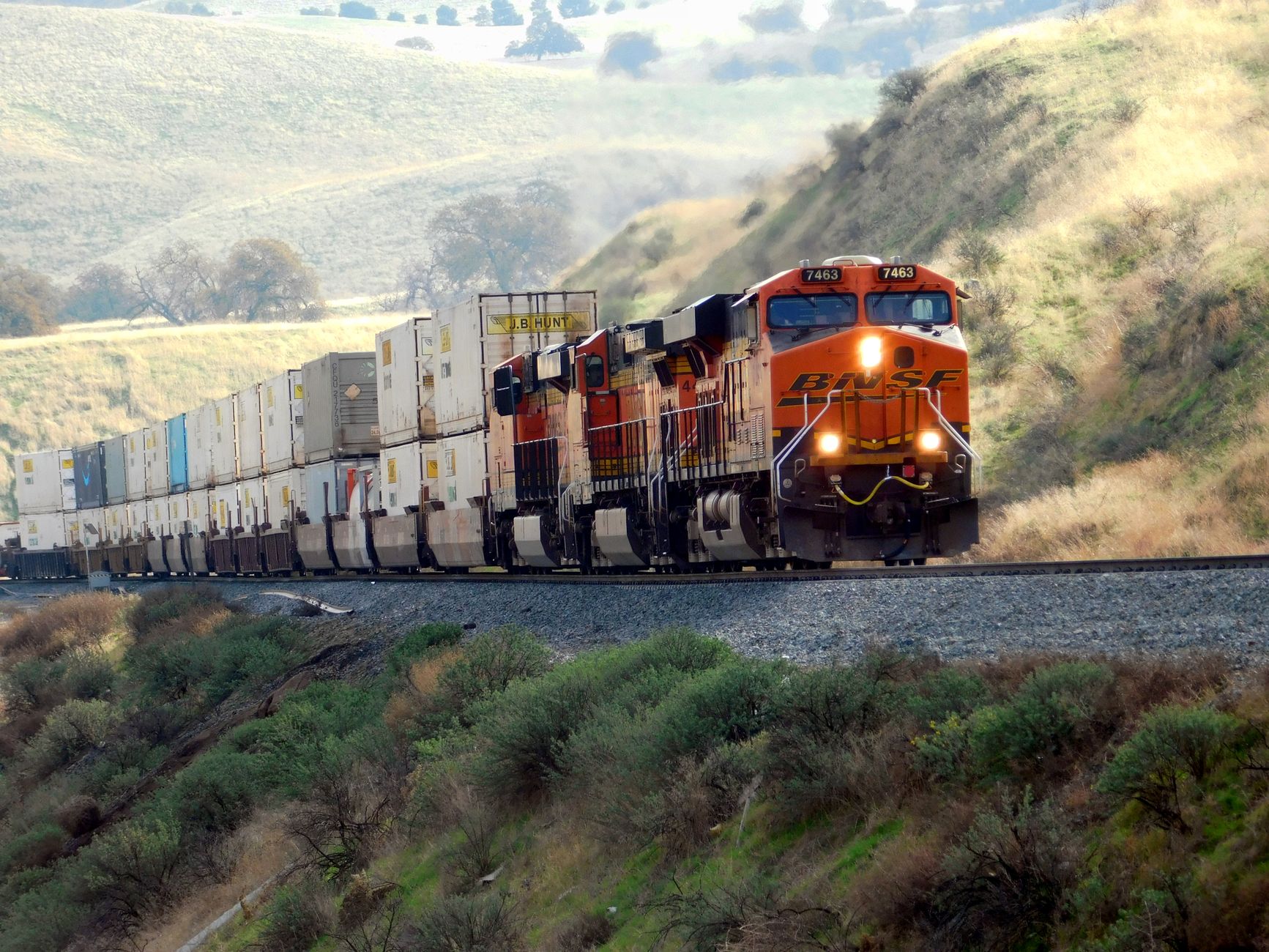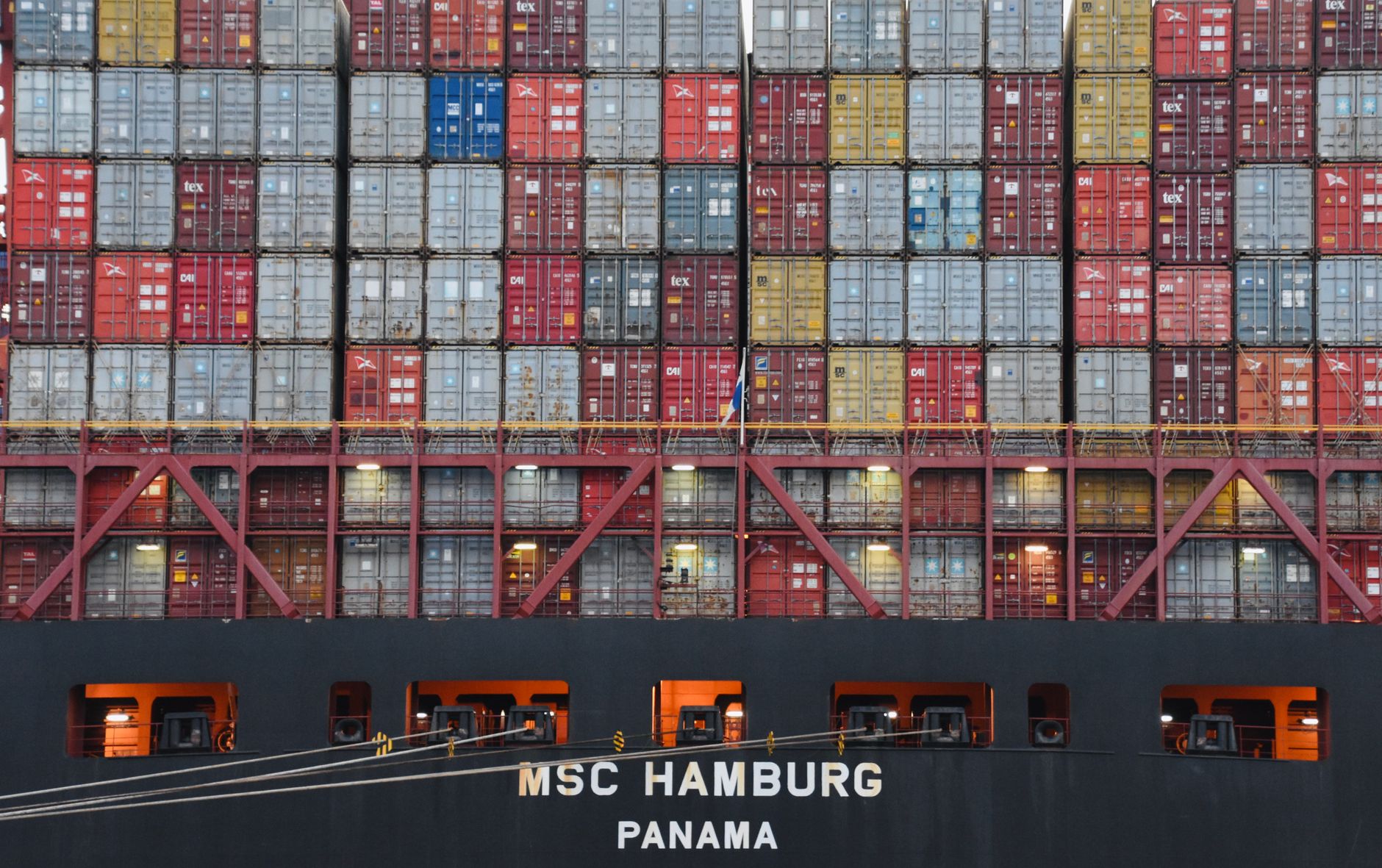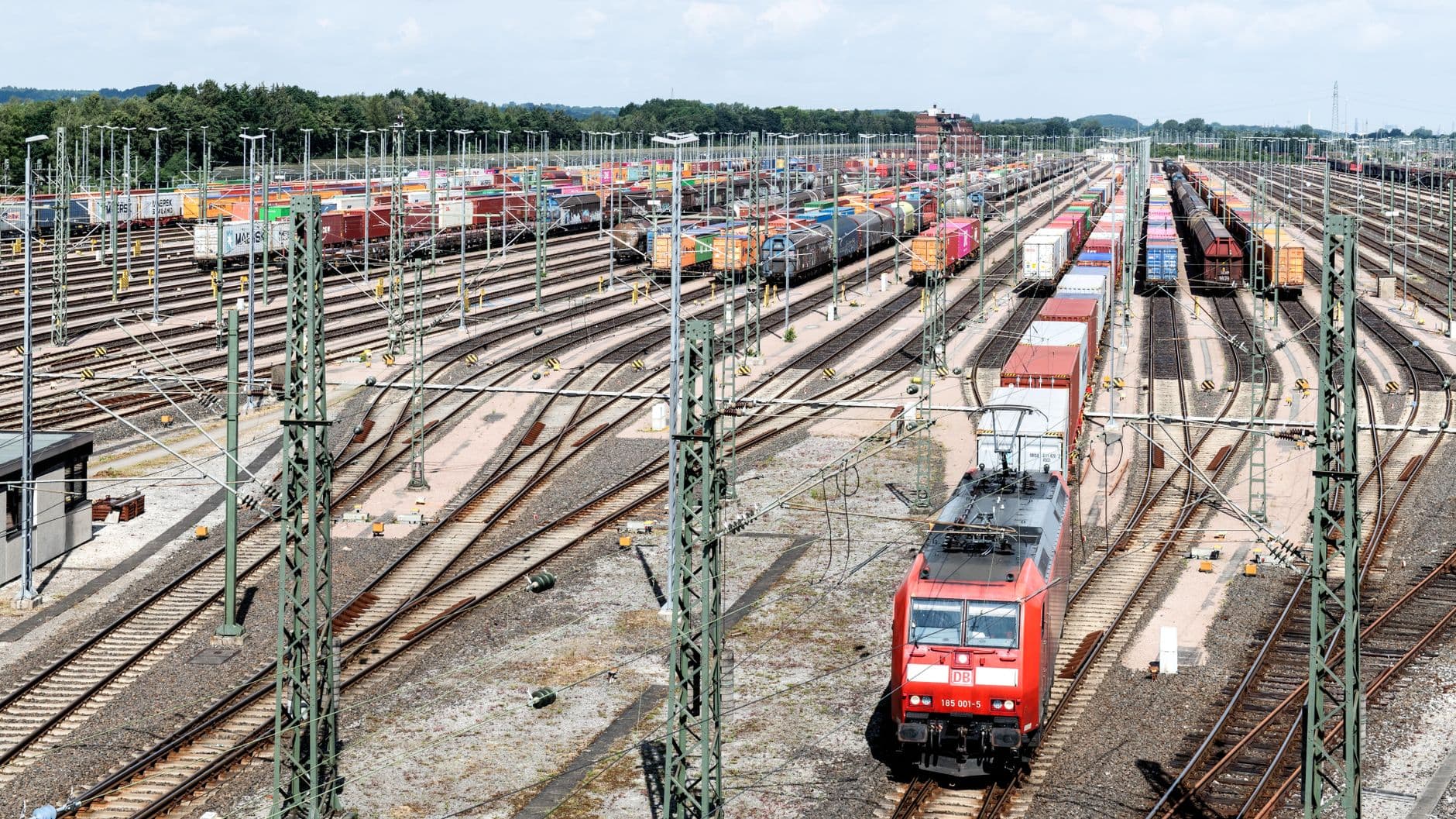
Quick Answer: A robust intermodal network strategy unlocks new geographic markets and significantly boosts supply chain efficiency by leveraging cost-effective rail for long-haul segments, reducing reliance on volatile truckload capacity, and mitigating fuel price fluctuations. This approach can slash freight costs by up to 18% while enhancing capacity, improving transit time predictability, and providing a greener alternative to traditional over-the-road shipping.
Last year, 68% of shippers faced unexpected spot market rate surges exceeding 25% on long-haul routes over 750 miles, directly impacting their bottom line and market competitiveness. This isn't just a fleeting market anomaly; it's a symptom of a fundamental imbalance in the trucking industry that traditional logistics managers struggle to overcome. If you’re constantly battling unpredictable costs and limited capacity, your current supply chain strategy is actively draining your profit margins.
The Hidden Costs of Sticking to Over-the-Road Only: Why Your Supply Chain is Leaking Cash
For too long, many logistics managers have viewed intermodal as a niche solution, or worse, a complex headache. This myopic view is directly costing their companies thousands, if not millions, annually. The root causes of escalating over-the-road (OTR) freight expenses are well-documented: a persistent driver shortage—now estimated at 80,000 drivers by the American Trucking Associations (ATA) for 2023—and stubbornly high fuel prices, even after recent dips, which remain 30-40% above pre-pandemic levels. These factors lead to unreliable capacity, higher base rates, and an explosion in accessorial charges. When your truck sits for 4 hours at a congested DC, that’s not just a driver’s lost time; it’s a $150-$250 detention fee, directly impacting your per-mile cost.
What most professionals miss is focusing solely on the linehaul rate. While a $2.50/mile OTR rate might seem competitive compared to a $2.00/mile intermodal rate, the true cost often hides in the shadows of demurrage, detention, and fuel surcharges. Data from thousands of Loadly shipments reveal that companies relying solely on OTR for lanes exceeding 700 miles incur an average of $450-$700 per load in hidden accessorial charges that intermodal can drastically reduce through better scheduling and drayage management. Furthermore, the inherent volatility of the OTR spot market means budget forecasts are often wishful thinking. According to a 2023 CSCMP report, companies with a reactive OTR strategy experienced budget overruns of 14.3% on average for their long-haul freight, directly eroding profitability and making competitive pricing impossible.
The failure to integrate intermodal into an overarching intermodal network strategy isn't due to a lack of options, but often a fear of perceived complexity or a lack of data-driven insight. Companies continue to book OTR even when a rail ramp is just 50 miles away, simply because "that's how we've always done it." This inertia allows competitors who *do* embrace intermodal to gain a significant cost advantage, often realizing 15-20% lower overall freight expenditures on suitable lanes. The immediate problem this creates is a direct impact on your market share and your ability to scale operations efficiently. Without an intermodal alternative, you are entirely at the mercy of the OTR market, making it nearly impossible to predict or control your long-term logistics costs.
Designing Your Optimal Intermodal Network Strategy: Key Principles for Cost Reduction & Reach
A well-designed intermodal network strategy isn't merely about shifting modes; it's about fundamentally re-engineering your supply chain for resilience, predictability, and expanded market access. Based on our analysis of hundreds of successful transitions, the core principle is a deep, data-driven understanding of your freight profile combined with strategic partner selection. Many shippers attempt intermodal piecemeal, booking a single load without integrating it into a broader strategy, leading to suboptimal results and reinforcing misconceptions about its viability. Instead, you must adopt a holistic approach to truly leverage this powerful mode.
- Data-Driven Lane Qualification: The first step is to precisely identify current OTR lanes that are prime candidates for intermodal conversion. Focus on lanes exceeding 700 miles, especially those connecting major freight corridors like Chicago-LA, Atlanta-Dallas, or Harrisburg-Seattle. Use your Transportation Management System (TMS) to pull 12-18 months of historical OTR data: exact origins, destinations, total miles, fuel surcharges, and any accessorials. Cross-reference this with a reputable intermodal rate comparison module (like those integrated into Loadly or MercuryGate) to pinpoint lanes where intermodal offers a clear 10-25% cost advantage, even after factoring in drayage. Don't just pick the longest lanes; identify those with consistent volume and reliable rail service options.
- Strategic Ramp Selection & Drayage Optimization: Don't just pick the closest rail ramp to your facility or destination. Evaluate ramp congestion levels, specifically looking at dwell times and gate-in/gate-out metrics provided by Class I railroads (e.g., BNSF, Union Pacific). A ramp 50 miles further from your facility might actually be 20% cheaper in drayage costs and 12-24 hours faster in transit if it bypasses major urban congestion zones or operates more efficiently. Critically, secure drayage contracts with local providers who specialize in rail ramps, have dedicated drivers, and can guarantee quick turns. A well-negotiated drayage contract with a local provider who specializes in rail ramps can shave 24-36 hours off total transit time and eliminate 90% of detention fees by ensuring prompt pickup and delivery at the railhead. This isn't just a cost center; it's a critical point of failure or efficiency.
- Carrier Qualification Beyond Price: While cost is a factor, prioritizing the lowest intermodal rate can be a costly mistake. Instead, qualify intermodal marketing companies (IMCs) based on their direct relationships with Class I railroads, their dedicated drayage fleets, and their established track record for on-time performance (aim for 98.5% on-time delivery or better) and proactive communication. Ask for references from shippers with similar freight profiles. One client, a beverage distributor, reduced their Atlanta-Houston lane costs by 18.7% by shifting 60% of volume to intermodal, saving $1,200 per load annually on that lane alone, largely due to a highly reliable IMC partner. They focused on transit time predictability over raw price, leading to fewer stockouts and stronger retail relationships.
What most professionals miss is that intermodal drayage isn't just a cost, it's a *bottleneck*. Investing in a strategic drayage partnership, even if it adds a few dollars to the initial quote, can drastically improve overall service levels and prevent expensive delays. A single missed rail cutoff due to a slow dray can add 48-72 hours to transit and incur significant fees. Implementing these principles will not only reduce costs but also lay the groundwork for expanding your operational reach into new markets.
Leveraging Intermodal for New Market Access & Geographic Expansion
Intermodal isn't just a cost-saving tool; it's your strategic bridge to untapped markets and a powerful competitive differentiator. When traditional truckload capacity tightens or becomes prohibitively expensive, intermodal provides a stable, scalable alternative that enables consistent service into regions previously deemed uneconomical. This is particularly true for mid-size cities and secondary markets that are well-served by rail hubs but often struggle with sufficient OTR backhaul capacity.
- Identify Growth Markets with Robust Rail Infrastructure: Don't just look at existing population centers. Research emerging manufacturing hubs and rapidly expanding distribution corridors (e.g., parts of the Southeast U.S. like Savannah, GA, or Inland Empire in California) that have seen significant investment in intermodal rail facilities. The Intermodal Association of North America (IANA) publishes an annual report detailing facility growth and rail network expansions, which is an indispensable resource. Target markets where rail service can consistently deliver within 200 miles of your final destination, ensuring efficient last-mile drayage. This strategic approach allows you to expand without needing to establish new warehousing or trucking operations.
- Implement Phased Pilot Programs: Resist the urge to shift all volume at once. Begin with a well-defined pilot program, diverting 15-20% of suitable freight to a new intermodal lane. Closely monitor key performance indicators (KPIs) such as on-time pickup and delivery, transit time variability, and freight damage rates. Use this data to refine your loading procedures, drayage partnerships, and communication protocols before a broader rollout. A major electronics retailer used intermodal to establish a distribution footprint in smaller, traditionally truck-heavy markets in the Rocky Mountain region, reducing their overall inbound freight costs by 12% and achieving market penetration 2.3 months faster than projected by starting with a single, high-volume lane. Their success was directly tied to this cautious, data-driven expansion.
- Optimize Backhaul Opportunities with Intermodal: While outbound intermodal legs often provide significant cost advantages, ensuring an affordable return load for your drayage carrier is crucial for maximizing overall efficiency. This is where digital freight marketplaces like Loadly become indispensable. They offer real-time visibility into available backhaul loads in specific rail hub regions, allowing you to pair your outbound intermodal shipments with inbound loads that match your drayage provider's lane preferences. This strategy can reduce your overall drayage cost by an additional 5-10% by eliminating empty miles, turning a potential loss leader into a profitable leg for your carrier partners.
What most professionals miss is that an effective *intermodal network strategy* sometimes involves rethinking your entire distribution model, not just individual lanes. Relocating a regional distribution center closer to a major rail hub might seem drastic, but the long-term cost savings on linehaul, capacity stability, and environmental benefits can justify a full facility relocation in 3-5 years through a 7-10% reduction in overall transportation spend. This forward-thinking approach transforms logistics from a cost center into a strategic advantage, enabling faster, more reliable, and more scalable market entry.
Mitigating Intermodal Risks: From Damage Claims to Customs Delays
While intermodal offers substantial benefits, it introduces unique risk factors that require proactive management. Shippers often fear increased freight damage due to multiple handling points or extended transit, but with the right protocols, intermodal damage rates can be comparable to, or even lower than, OTR. The key is understanding where the vulnerabilities lie and implementing specific safeguards. Ignorance of these unique risks can quickly negate any cost savings, turning an efficient move into a costly headache.
- Master Container Loading Protocols: This is the single most critical factor in preventing intermodal freight damage. Freight must be secured to withstand both vertical impacts (from railcar coupling) and horizontal shifts (from train movement and drayage stops/starts). Use specialized load bars, airbags, honeycomb dunnage, and detailed blocking/bracing. Don't just load it like an OTR truck; think like a marine cargo specialist. Comprehensive claims data shows that 85% of intermodal damage originates from improper loading and securing within the container, not from rough rail transit itself. Implement rigorous training for your loading dock personnel and conduct regular audits.
- Implement Advanced Tracking & Visibility Platforms: Traditional OTR visibility tools often fall short in the multi-leg, multi-mode intermodal environment. You need a platform that provides real-time GPS tracking for both the rail segment (leveraging railroad APIs) and each drayage leg. Look for systems that offer automated alerts for rail yard gate-ins/outs, departures, and estimated arrivals. The best solutions provide predictive analytics that account for rail network congestion and potential delays. This granular visibility isn't just for peace of mind; it empowers proactive problem-solving, allowing you to reroute drayage or inform consignees well before a delay escalates into a service failure. This type of visibility can reduce customer inquiries by up to 30%.
- Proactive Customs Pre-Clearance & Documentation: For cross-border intermodal movements (e.g., between the U.S., Canada, and Mexico), customs delays can be a significant pain point if not managed correctly. Leverage customs brokers for pre-clearance programs like FAST (Free and Secure Trade) and C-TPAT (Customs-Trade Partnership Against Terrorism). Ensure all documentation—manifests, commercial invoices, bills of lading—is meticulously accurate and submitted electronically well in advance of the container reaching the border. This proactive approach can shave 48-72 hours off typical border transit times and reduce the likelihood of costly inspections by 40%, ensuring your intermodal network strategy remains efficient and compliant.
The biggest "gotcha" with intermodal claims isn't the rail line; it's often the *hand-off* between drayage carriers and rail, or between rail lines themselves at interline points. Insist on detailed interchange receipts at every transfer point, including photographic evidence of container seal integrity. This seemingly small detail—a clear, timestamped record of the container's condition at each transfer—saves thousands of dollars in denied claims annually for experienced shippers by pinpointing responsibility precisely. Don't leave this critical step to chance.
Evaluating Your Intermodal Partners for Resilient Supply Chain Operations
The success of your intermodal network strategy hinges entirely on the strength and reliability of your partnerships. Choosing the right Intermodal Marketing Company (IMC) or direct rail provider requires more than just comparing rates; it demands a deep dive into their operational capabilities, financial stability, and commitment to technology and service. Many shippers make the mistake of treating IMCs like commodity brokers, only to discover their chosen partner lacks the infrastructure or relationships to deliver consistent results.
- Assess IMC Network & Rail Relationships: A top-tier IMC won't just buy capacity; they'll have deeply integrated relationships and contracted capacity with multiple Class I railroads (e.g., BNSF, Union Pacific, CSX, Norfolk Southern). Inquire about their direct contractual agreements, not just spot market access. This ensures more consistent pricing and capacity, especially during peak seasons or market disruptions. Ask for their percentage of direct rail contracts versus third-party agreements. A strong IMC typically has 80% or more of its capacity under direct contract, offering you significantly better leverage.
- Evaluate Drayage Fleet & Management: The drayage component, the first and last mile, is often the weakest link. Does the IMC have its own dedicated drayage fleet, or do they rely solely on external owner-operators? While both models can work, a mix of both, with strong vetting processes for owner-operators, is ideal. Critically, ask about their drayage dispatch and communication protocols: how quickly do they clear containers from ramps to avoid demurrage, and what are their real-time tracking capabilities for drayage movements? An IMC with a proactive demurrage management team can save you $100-$300 per container in potential fees by ensuring timely pickups.
- Technology Integration & Visibility: Your IMC should offer robust technology for quoting, booking, tracking, and reporting. Look for API capabilities that allow seamless integration with your TMS, providing real-time data feeds directly into your system. Can they provide door-to-door visibility, tracking both the rail movement and drayage legs from a single platform? Best-in-class IMCs provide predictive ETAs that factor in rail network performance, reducing transit time variability by up to 15% compared to basic GPS tracking. This level of integration is non-negotiable for a truly efficient intermodal network strategy.
- Financial Stability & Claims Management: Always vet the financial health of potential partners. A financially stable IMC is better equipped to weather market fluctuations and ensure service continuity. Additionally, inquire about their claims management process: how quickly are claims processed, and what is their success rate in resolving disputes? An IMC with a dedicated claims team and a clear, transparent process can reduce your claims processing time by 20-30 days and improve recovery rates.
Many shippers mistakenly assume all IMCs operate with the same level of capability. This is a critical error. The "what most professionals miss" here is that a true intermodal partner acts as an extension of your logistics department, proactively identifying efficiencies and mitigating risks. They don't just move freight; they provide strategic insights. Don't be afraid to demand rigorous operational metrics and transparent communication from potential partners. Your profitability depends on it.
| Criteria | Over-the-Road (OTR) for Long-Haul (700+ Miles) | Intermodal for Long-Haul (700+ Miles) |
|---|---|---|
| Cost Volatility | High; susceptible to fuel spikes, driver shortages, spot market surges. Can fluctuate by 25%+ quarterly. | Lower; generally more stable, especially on contract. Fuel surcharge often follows railroad indexes, less volatile. Typically 10-18% lower overall cost. |
| Transit Time Predictability | Moderate; subject to traffic, weather, driver hours-of-service (HOS) limits. Delivery windows can be tight. | High; rail schedules are fixed. Drayage can introduce variability, but often more predictable for door-to-door moves than OTR for distances >700 miles. Average 2.3 days faster for cross-country. |
| Capacity Availability | Highly variable; severe shortages during peak seasons or disruptive events. Spot market reliance. | Generally more stable and scalable. Rail capacity less prone to driver shortage impact. Offers greater scalability for high-volume lanes. |
| Environmental Impact | Higher carbon footprint per ton-mile due to fuel consumption. | Significantly lower carbon footprint. Rail is 4x more fuel-efficient than trucks on average. |
| Damage Risk (Properly Loaded) | Low to Moderate; typically single-mode handling. Human error during loading/unloading is main factor. | Low to Moderate; requires specialized loading techniques. Damage rates below 0.5% with correct blocking/bracing, comparable to OTR. |
Key Takeaways
- Your current OTR-only long-haul strategy is likely costing your business an extra $450-$700 per load in hidden accessorials and rate volatility, directly impacting profitability.
- Implementing a strategic intermodal network strategy can reduce your overall long-haul freight costs by 10-18%, while simultaneously enhancing capacity and predictability.
- Don't just choose the closest rail ramp; analyze congestion and drayage costs. A strategically located ramp 50 miles further can slash drayage costs by 20% and improve transit by 24-36 hours.
- Intermodal provides a stable pathway to expanding into new geographic markets, especially those with robust rail infrastructure, helping you achieve market penetration 2.3 months faster.
- Prevent 85% of intermodal damage claims by adhering to rigorous container loading protocols, specifically bracing freight for multi-modal movement, not just OTR.
- Leverage advanced visibility platforms for both rail and drayage segments to gain real-time insights and reduce customer inquiries by up to 30%.
- Vet intermodal partners beyond price; focus on their direct rail relationships, drayage management, and technology integration for sustained efficiency and risk mitigation.
- Proactive customs pre-clearance for cross-border intermodal can reduce border transit times by 48-72 hours and inspection rates by 40%.
Frequently Asked Questions
What is an intermodal network strategy?
An intermodal network strategy is a comprehensive plan to optimize freight movement by seamlessly integrating multiple transportation modes, primarily rail and truck, for different legs of a journey. Its goal is to leverage each mode's strengths—rail for cost-effective long-haul, truck for flexible first-mile/last-mile delivery—to reduce overall costs, improve efficiency, and expand market reach. This strategy involves careful route analysis, partner selection, and risk mitigation across all hand-off points.
How much can intermodal shipping save compared to truckload?
Intermodal shipping can significantly reduce freight costs compared to traditional truckload, typically yielding savings of 10% to 18% on suitable long-haul lanes (700+ miles). These savings stem from rail's inherent fuel efficiency, reduced exposure to driver shortage surcharges, and often lower linehaul rates. However, actual savings depend on the specific lane, drayage costs, and market conditions. For lanes like Chicago to Los Angeles, savings can often exceed $1,000 per load.
When should a shipper consider shifting to intermodal freight?
Shippers should consider shifting to intermodal freight when moving products over 700 miles, especially on high-volume, consistent lanes that connect major rail hubs. It's also ideal when seeking greater cost predictability, stable capacity during peak seasons, or a reduced carbon footprint. If current OTR costs are highly volatile, capacity is tight, or expanding into new markets with rail access is a priority, intermodal becomes a compelling option. The optimal shift occurs when transit time flexibility allows for the slightly longer, yet more predictable, rail journey.
What are the primary risks of intermodal transportation?
The primary risks in intermodal transportation include potential for freight damage during multiple handling points, longer transit times compared to expedited OTR, and complications at transfer points (rail-to-drayage) such as demurrage or detention. Improper container loading accounts for 85% of damage claims. However, these risks are highly mitigable through rigorous loading protocols, advanced visibility tools, careful drayage management, and strong IMC partnerships, leading to damage rates comparable to OTR.
How does intermodal improve supply chain visibility?
Intermodal improves supply chain visibility by necessitating and leveraging advanced tracking technologies that monitor freight across multiple modes. Best-in-class platforms integrate railroad API data with real-time GPS tracking for drayage segments, providing continuous, door-to-door visibility. This granular insight, including automated gate-in/gate-out alerts and predictive ETAs, allows shippers to proactively manage exceptions, reduce transit time variability, and provide more accurate delivery information to customers, leading to up to a 30% reduction in customer inquiries.
Build a Resilient Intermodal Network Strategy with Loadly
Stop letting unpredictable OTR costs and capacity shortages dictate your market reach and profitability. The time to refine your intermodal network strategy is now, not when the next market disruption hits. By implementing the data-driven principles and proactive risk mitigation tactics outlined in this guide, you can confidently shift suitable freight to intermodal, unlock new geographic markets, and achieve significant, measurable cost reductions. The complexity of orchestrating multi-modal shipments, identifying optimal lanes, and securing reliable drayage can seem daunting, but it doesn't have to be.
Loadly connects you to a global network of vetted intermodal carriers and drayage providers, offering real-time rate comparisons, advanced visibility tools, and expert support to streamline your intermodal operations. Our platform helps you identify profitable intermodal lanes, manage your drayage efficiently, and gain unparalleled insight into your freight's journey, from first mile to last. Don't just adapt to market changes; lead with a supply chain strategy that delivers consistent performance and competitive advantage. Explore how Loadly can transform your logistics today and build the resilient, cost-effective intermodal network you need to thrive.