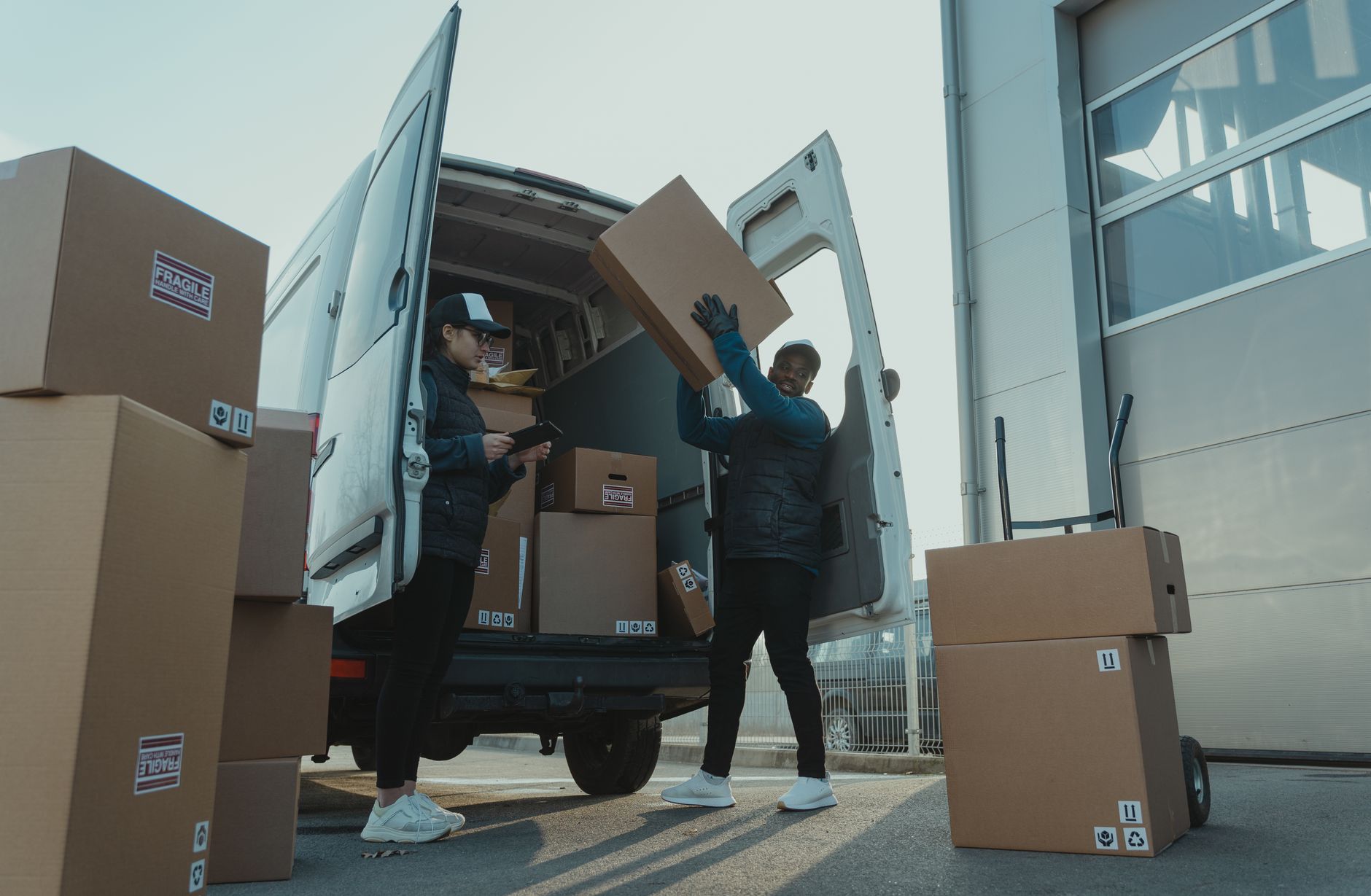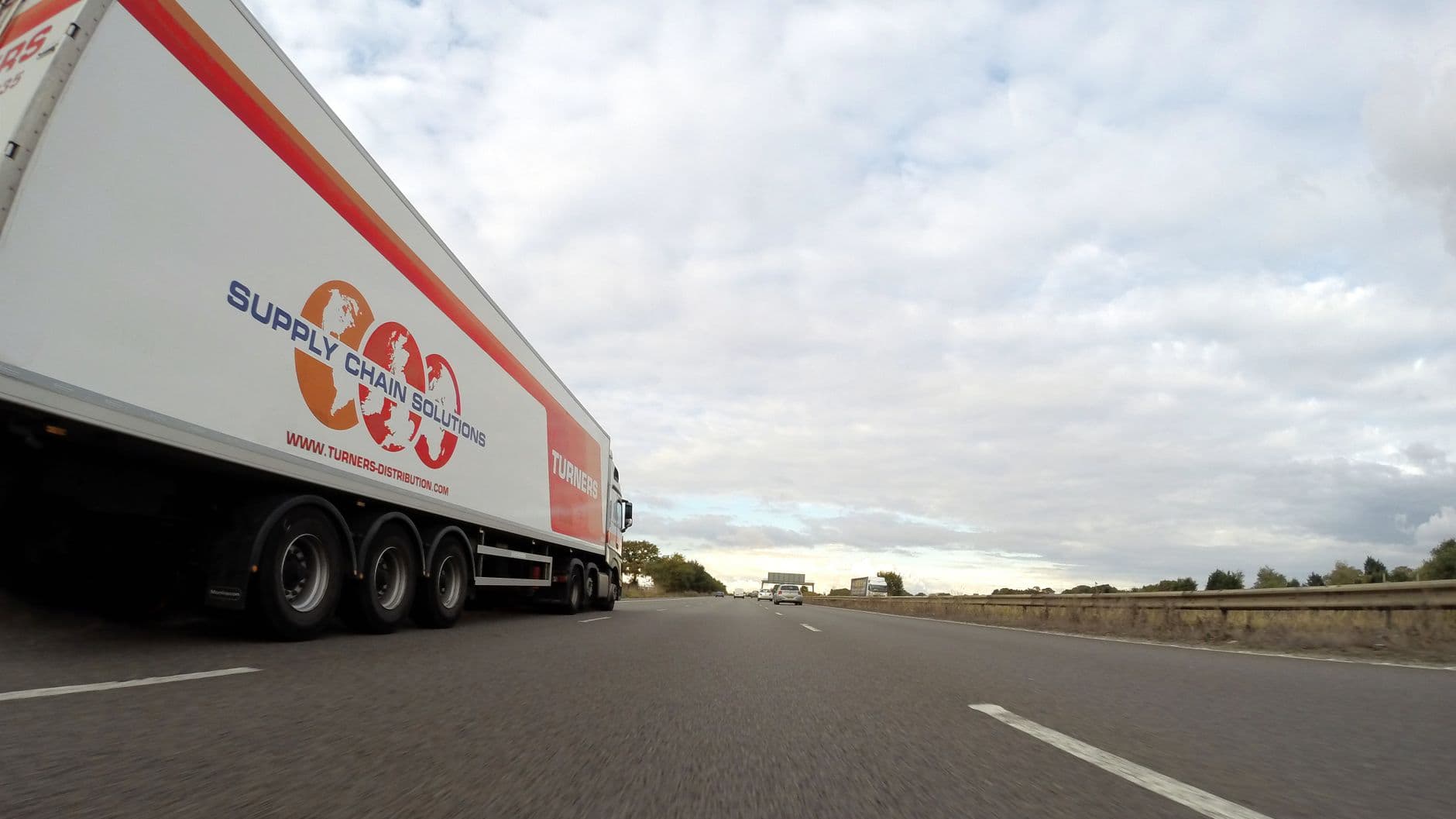
Quick Answer: Optimizing an FMCG distribution network in 2025 demands hyper-efficient route planning, real-time demand forecasting, and strategic backhaul utilization. Focus on dynamic load consolidation, leveraging digital freight marketplaces like Loadly for carrier access, and implementing predictive maintenance to reduce costly disruptions, aiming for a 15-20% reduction in empty miles and a 5-7% decrease in total logistics costs.
Last week, a major FMCG distributor lost $8,500 on a single route because an unexpected demand surge meant expedited LTL, while another truck returned 400 miles empty from a scheduled delivery. This isn't an anomaly; it's the daily reality for countless Retail & FMCG Distribution Managers grappling with a sector defined by razor-thin margins and unpredictable demand. The truth is, your current FMCG distribution network is likely hemorrhaging cash through inefficiencies you might not even recognize.
The Silent Drain: Why Current FMCG Distribution Networks Bleed Cash
The conventional wisdom about FMCG distribution often focuses squarely on outbound efficiency, overlooking the insidious costs eating away at your bottom line. We've seen firsthand how a singular focus on "on-time delivery" can inadvertently drive up expenses through empty return miles, escalating fuel surcharges, and the quiet attrition of quality drivers. This isn't just about rising prices; it's about a systemic failure to adapt to a hyper-dynamic market.
Consider the average empty return mile: a truck burns fuel, accrues maintenance wear, and pays driver wages, all while generating zero revenue. For many FMCG fleets, empty return miles hover around 18-22%, translating into an avoidable cost of roughly $1.84 per mile when factoring in fuel, maintenance, and driver time. For a fleet of 50 trucks averaging 100,000 miles annually, that's potentially $1.84 million wasted per year, simply driving air. This doesn't even account for the opportunity cost of not having that truck actively generating revenue.
According to a 2024 supply chain report by the Council of Supply Chain Management Professionals (CSCMP), "Logistics costs for FMCG sectors often exceed 10% of revenue, with empty miles and inefficient routing accounting for 25-30% of total transportation spend."
The ripple effect extends to driver retention. When routes are poorly planned or consistently send drivers on empty backhauls, it leads to frustration and burnout, exacerbating the already severe driver shortage. High driver turnover costs can reach $12,000 per driver annually, an expense few distribution managers adequately quantify when evaluating network performance. Most managers focus on line-haul rates, missing that empty backhaul is where 30% of their potential profit vanishes.
The Hidden Trap of Legacy Logistics: Supply Chain Fragility in FMCG
Many FMCG distribution networks are built on static routing models and historical data, making them inherently fragile in the face of today's demand volatility. What worked five years ago – fixed routes, scheduled deliveries, and predictable replenishment cycles – now creates bottlenecks, necessitates expensive expedited shipments, and leaves significant value on the table. This isn't theoretical; it's the difference between thriving and merely surviving.
The reliance on manual planning or outdated software means that by the time a demand shift is recognized, the capacity to respond cost-effectively has often passed. This often results in managers paying 15-20% more for spot market freight than for contracted rates, purely to cover unforeseen spikes. Furthermore, the industry-wide struggle with Hours of Service (HOS) regulations (49 CFR Part 395) means that even minor delays can cascade into significant schedule disruptions, driver violations, and costly fines. A 1% improvement in fill rate can slash per-unit transport costs by 0.75%, yet many still prioritize simply getting product out, rather than optimizing every cubic foot and every mile.
Step 1: Implementing Dynamic Routing & Load Consolidation for FMCG
Static routes are profit killers in the fast-paced FMCG sector. The idea that a truck should follow the same path day after day, regardless of real-time demand or backhaul opportunities, is a costly relic. True optimization means fluid, intelligent route planning that adapts to conditions faster than your competitors can react. This isn't just about saving fuel; it's about maximizing asset utilization and turning every mile into a revenue-generating opportunity.
- Adopt AI-Driven Route Optimization Platforms: Move beyond simple shortest-path algorithms. Invest in solutions that integrate real-time traffic, weather, HOS constraints, and dynamic order volumes to create optimal routes on the fly. These systems can predict delays, re-route efficiently, and even suggest opportunistic LTL consolidations, often reducing fuel consumption by 8-12% and cutting route planning time by up to 40%.
- Prioritize LTL Consolidation with a Purpose: Don't just look for any LTL opportunity; seek out "perfect loads." This means strategically combining smaller shipments for multiple recipients within a tight geographic radius or along an existing route, ensuring maximum trailer utilization. This often requires breaking down conventional routes and thinking about freight movement more like a network mesh than a linear path.
- Utilize Digital Freight Marketplaces for Opportunistic Backhaul: Integrate your dispatch system with platforms like Loadly. This allows you to instantly search for and bid on available loads that perfectly align with your trucks' return journeys or even partially filled outbound legs. The goal is to eliminate deadhead miles by turning potential losses into profit centers. Companies using dynamic routing reduce fuel consumption by 8-12%.
Insider Insight: Don't just fill trucks; aim for 'perfect loads' where every pallet adds profitability, not just volume. This often means breaking down conventional routes and embracing temporary deviations that, while seemingly inefficient on paper, yield significantly higher net margins. A 15-mile detour for a profitable backhaul often makes more sense than 200 empty miles.
Step 2: Predictive Analytics for Demand Volatility & Inventory Optimization
In FMCG, yesterday's sales figures are often a poor predictor of tomorrow's demand. Relying solely on historical data is like driving with your eyes in the rearview mirror – you're guaranteed to miss what's coming. Mastering demand volatility requires a shift from reactive to proactive, leveraging data science to anticipate needs before they become urgent, costly problems.
- Integrate Point-of-Sale (POS) Data with Logistics Systems: Break down data silos. Your logistics planning shouldn't operate independently of retail sales. Real-time POS data, combined with promotional calendars and regional events, provides the granular insights needed to predict localized demand surges or slumps, allowing for pre-emptive stock movements.
- Leverage Machine Learning (ML) for SKU-Level Demand Prediction: Standard forecasting models often fall short at the SKU level, particularly for promotional items or seasonal goods. Implement ML algorithms that can analyze complex patterns, identify correlations between disparate data points (e.g., local weather, social media trends, competitor promotions), and provide highly accurate predictions. This can cut safety stock by 15% and reduce expedited shipping costs by 20%.
- Implement Flexible Warehousing & Cross-Docking Strategies: Don't commit to fixed inventory levels across your entire network. Use predictive analytics to identify 'hot spots' and dynamically allocate inventory. Cross-docking facilities, strategically positioned, can act as agile hubs for rapid consolidation and onward distribution, minimizing storage time and reducing the risk of obsolescence.
Insider Insight: The biggest mistake isn't inaccurate forecasting, it's not trusting the data when it contradicts your gut feel. I've seen managers overstock 'just in case' only to pay for dead inventory turns and warehousing costs. When the AI tells you demand for Product X is dipping in Region Y despite a holiday, investigate it, but don't automatically override it based on a hunch from last year. The models are learning, and so should you.
Step 3: Mastering Backhaul & Empty Mile Reduction with Digital Freight
The most persistent and costly inefficiency in FMCG distribution is the empty return mile. It's not an unavoidable cost of doing business; it's a colossal missed revenue opportunity. Every mile a truck drives without cargo is a mile where you're actively losing money on fuel, driver wages, and equipment depreciation. The goal for 2025 isn't just to reduce empty miles, but to systematically eliminate them by transforming every return journey into a profitable leg.
- Mandate Backhaul Sourcing Metrics: Make backhaul utilization a core KPI for your logistics team, not an afterthought. Set ambitious targets, such as reducing empty return miles to below 5% for your core fleet. This shifts the mindset from simply "getting back" to "getting back profitably." Regularly review and reward teams for achieving these metrics.
- Integrate with Digital Freight Marketplaces (DFMs): Platforms like Loadly are specifically designed to connect available trucks with available loads in real-time, often within minutes. By integrating your TMS with a DFM, your dispatchers can proactively search for, bid on, and secure backhauls that align perfectly with your truck's location, destination, and capacity. Carriers using platforms like Loadly report a 25-35% reduction in empty miles compared to traditional brokers.
- Implement Strategic Cross-Docking for Backhaul Consolidation: Instead of sending a truck back to its origin empty from a single drop-off point, use strategically located cross-docking facilities as temporary hubs. These facilities allow for the rapid consolidation of multiple smaller backhaul loads into a full truckload, maximizing the profitability of the return journey. This also enables you to pick up loads that might not perfectly match your final origin but bring you closer to another profitable opportunity.
Insider Insight: Most think backhaul is just about finding any load. The real win is finding a profitable backhaul that complements your network, even if it means a slight deviation. A marginal profit from a well-matched load, even one that requires an extra 20 miles, is infinitely better than 300 empty miles costing you thousands. Don't be afraid to think opportunistically about route extensions when the revenue justifies it.
Step 4: Driver-Centric Strategies to Mitigate HOS & Retention Challenges
The driver shortage is a perennial problem, but for FMCG distribution, it's an existential threat to network reliability. HOS regulations (49 CFR Part 395) are non-negotiable, and exceeding them leads to fines, shutdowns, and severe reputational damage. An optimized network isn't just about trucks and routes; it's fundamentally about empowering and retaining your most valuable asset: your drivers. Ignoring their well-being directly impacts your ability to scale and deliver on time.
- Optimize Routes for HOS Compliance, Not Just Speed: Your routing software must rigorously account for HOS rules, including mandated breaks and maximum driving windows, and factor them into every route plan. This means building in buffer time and identifying legal, safe rest stops proactively. Using ELD data to predict nearing HOS limits can inform real-time re-routing decisions or load handovers, preventing violations before they occur.
- Provide Quality Truck Stop Amenities & Partnerships: Invest in driver comfort and convenience. Partner with truck stop chains to offer preferred parking, meal vouchers, or loyalty programs. Ensuring drivers have access to clean facilities, hot meals, and safe overnight parking directly impacts their satisfaction and reduces stress, leading to better compliance and fewer incidents.
- Implement Performance-Based Incentives for Efficiency & Safety: Beyond base pay, reward drivers who consistently meet route efficiency targets, maintain excellent safety records, and contribute to high backhaul utilization. This creates a vested interest in the network's overall performance. This isn't just about monetary bonuses; it could be preferred routes, newer equipment, or more predictable home time.
Insider Insight: What most managers miss is that good drivers don't just want pay; they want predictability. Consistent, well-planned routes that get them home on time are often worth more than a few extra cents per mile. A driver who knows they’ll be home for their kid's soccer game is a driver who will go the extra mile for you. Build that trust, and your retention numbers will dramatically improve.
Step 5: Proactive Maintenance & Fleet Modernization for FMCG Reliability
Unexpected breakdowns are among the most costly disruptions in FMCG distribution, leading to missed delivery windows, spoilage, expedited freight charges, and dissatisfied customers. Traditional preventative maintenance, while necessary, is no longer sufficient. The move to 2025 demands a shift towards predictive maintenance, leveraging technology to anticipate failures before they occur and keep your fleet running at peak efficiency.
- Implement Telematics with Real-Time Diagnostics: Equip your entire fleet with advanced telematics systems that not only track location but also monitor engine performance, tire pressure, fluid levels, and other critical health indicators in real-time. This data feeds into a central system that flags anomalies, indicating potential issues before they escalate into full-blown failures.
- Schedule Maintenance Based on Predictive Models, Not Just Miles: Move beyond rigid mileage-based service schedules. Use the diagnostic data from your telematics to create dynamic maintenance schedules. If a sensor indicates excessive wear on a specific component, schedule its replacement proactively, rather than waiting for a failure. Predictive maintenance can reduce unplanned downtime by up to 70% and extend asset lifespan significantly.
- Invest Strategically in Fuel-Efficient & Sustainable Vehicles: Modernize your fleet with vehicles designed for optimal fuel efficiency and reduced emissions. While the upfront cost may be higher, the long-term savings in fuel (which can account for 30-40% of operating costs) and reduced environmental footprint can be substantial. Explore electric or hybrid options for shorter, urban routes where charging infrastructure permits.
Insider Insight: Waiting for a check engine light to come on is a rookie mistake that costs millions annually. Modern sensors can tell you a turbocharger is going to fail in 500 miles, not that it already has. That foresight saves $3,000 in emergency repairs and avoids a $1,500 detention fee because you can schedule the repair during a planned downtime, not during a critical delivery. Embrace the data; it’s your best mechanic.
Key Takeaways
- Dynamic routing and AI-driven optimization can reduce fuel costs by 8-12% and cut planning time by 40%.
- Leverage real-time POS data and machine learning to cut safety stock by 15% and reduce expedited shipping costs by 20%.
- Prioritize backhaul by integrating with digital freight marketplaces to reduce empty miles by 25-35%.
- HOS-compliant, driver-centric routing improves retention and can save over $12,000 per driver annually in turnover costs.
- Predictive maintenance, powered by telematics, reduces unplanned downtime by up to 70% and avoids costly emergency repairs.
- Don't just fill trucks; aim for "perfect loads" that maximize profitability per mile, even if it means non-traditional routes.
- Trust the data from advanced analytics over gut feelings when making critical inventory and routing decisions.
- Make backhaul utilization a core KPI for your logistics team, aiming for less than 5% empty return miles.
Frequently Asked Questions
What is a 'perfect load' in FMCG logistics?
A "perfect load" refers to optimizing a truck's capacity not just by volume or weight, but by maximizing the revenue and profitability generated per mile. It involves strategically combining shipments to fill a truck completely, often through LTL consolidation or finding profitable backhauls, ensuring every cubic foot contributes to the bottom line rather than just reducing empty space. This contrasts with simply filling a truck, which might still involve low-margin or unprofitable freight.
How much can I save by reducing empty miles in my FMCG distribution network?
Reducing empty miles significantly impacts profitability. For an average FMCG fleet, empty return miles cost approximately $1.84 per mile, factoring in fuel, maintenance, and driver time. A 20-25% reduction in empty miles, achievable through digital freight marketplaces and dynamic planning, can save a typical 50-truck fleet over $1 million annually, directly converting lost operational costs into net profit.
What role do digital freight marketplaces like Loadly play in FMCG distribution?
Digital freight marketplaces like Loadly connect FMCG shippers with a vast network of carriers in real-time, streamlining the process of finding capacity for outbound loads and, critically, securing profitable backhauls. They provide transparency in pricing, allow for dynamic bidding, and can reduce empty miles by 25-35%, giving distribution managers instant access to a wider pool of vetted carriers to optimize every leg of their network.
When should an FMCG distributor consider multi-echelon network design?
An FMCG distributor should consider a multi-echelon network design when facing high demand volatility, expanding geographic reach, or managing a diverse product portfolio with varying shelf lives. This approach involves strategically placing inventory across multiple tiers (e.g., central DCs, regional hubs, local cross-docks) to optimize inventory holding costs, reduce lead times, and enhance responsiveness to localized demand fluctuations, improving speed to market and reducing last-mile costs.
What's the difference between static and dynamic routing in FMCG?
Static routing relies on pre-determined, fixed paths and schedules, often based on historical data, regardless of real-time conditions. Dynamic routing, conversely, uses AI and real-time data (traffic, weather, HOS, order volumes) to continuously optimize routes on the fly, making adjustments as conditions change. For FMCG, dynamic routing is crucial for adapting to demand volatility, minimizing delays, and seizing opportunistic backhauls, leading to significant cost savings and improved service levels.
How does predictive maintenance differ from preventative maintenance for an FMCG fleet?
Preventative maintenance follows a fixed schedule (e.g., oil changes every 10,000 miles) to avoid future issues. Predictive maintenance uses telematics and sensor data to monitor vehicle components in real-time, identifying patterns and anomalies that indicate an impending failure before it occurs. For an FMCG fleet, this means repairs are scheduled precisely when needed, reducing unplanned downtime by up to 70%, cutting emergency repair costs by thousands, and ensuring perishable goods reach destinations without critical delays.
Revolutionize Your FMCG Distribution Network with Loadly
The complexities of FMCG distribution in 2025 demand more than just incremental improvements; they require a complete overhaul of how you perceive and manage your logistics. By embracing dynamic routing, predictive analytics, strategic backhaul, driver-centric policies, and proactive maintenance, you're not just cutting costs – you're building a resilient, agile network capable of navigating any market challenge. This isn't theoretical advice; these are the strategies that veteran operators are implementing right now to outpace their competition. And if you're looking for the tools to execute these strategies, particularly for finding profitable backhauls and reliable capacity, a platform like Loadly can be a game-changer. It’s the digital backbone that connects you to thousands of vetted carriers, enabling real-time optimization and turning those empty miles into revenue. Take control of your network's future today.