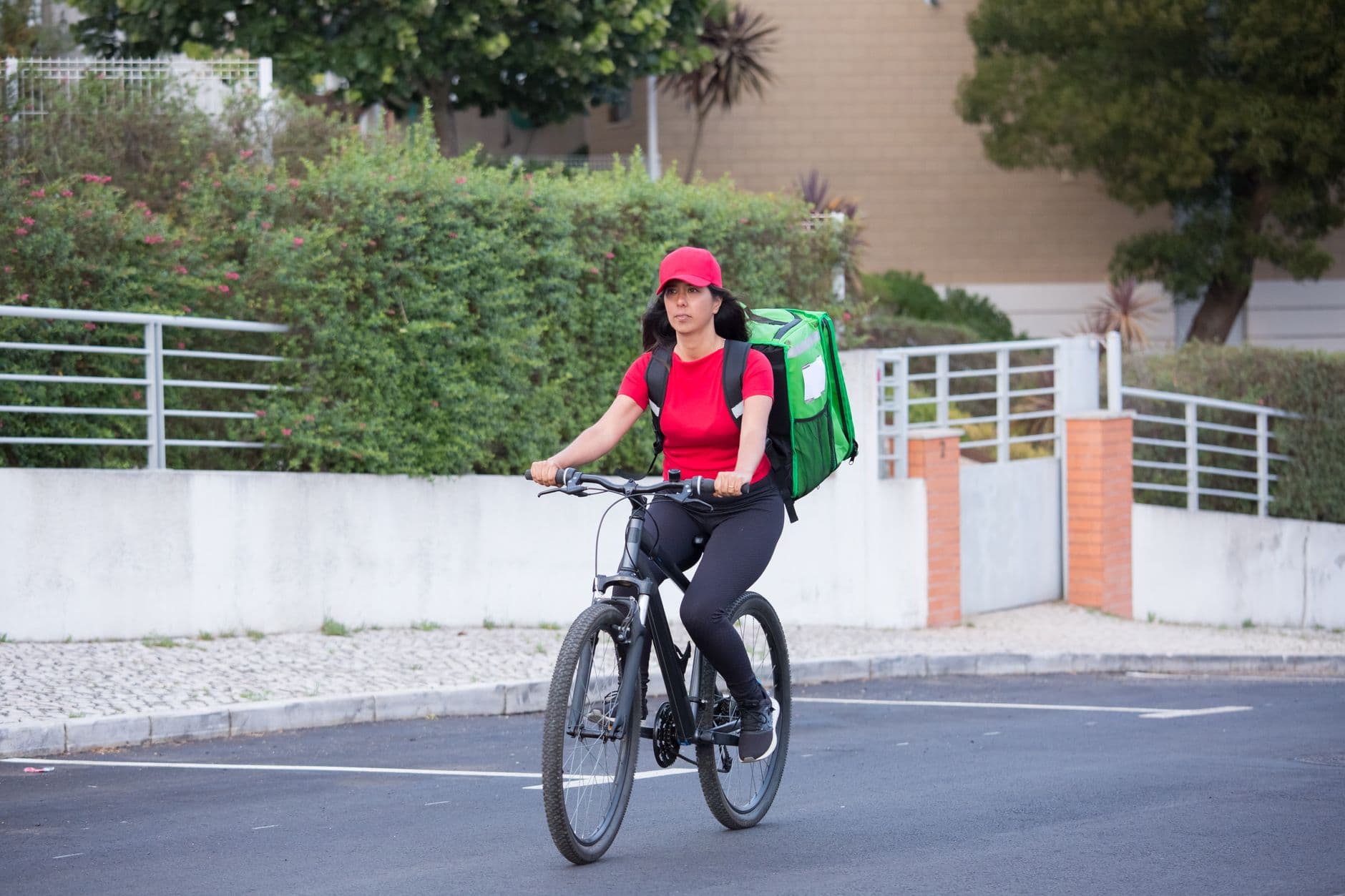
Quick Answer: Urban curbside delivery challenges in 2025 stem from escalating congestion, outdated infrastructure, and regulatory complexities, collectively driving up fulfillment costs and delaying shipments. Solutions require integrating dynamic route optimization, leveraging micro-fulfillment hubs, adopting collaborative logistics models, and employing AI for predictive demand forecasting to streamline last-mile operations and enhance efficiency.
Every year, urban delivery failures cost e-commerce businesses an estimated $78 billion globally due to factors ranging from parking fines to failed deliveries and rerouting. For a mid-sized retailer processing 5,000 daily urban deliveries, this translates to an avoidable annual expense of over $1.4 million. This isn't just about lost profit; it's about customer churn when a promised delivery window turns into a 3-hour wait on a busy street.
The Escalating Costs of Urban Curbside Delivery Congestion
In our analysis of last-mile logistics, the challenges facing urban curbside delivery are fundamentally different from suburban or rural operations. It’s not just about traffic; it's about the microscopic inefficiencies that compound into staggering costs. We've seen owner-operators lose 2-3 hours per shift simply searching for legal parking or navigating restricted zones. This isn't theoretical; this is a truck idling, a driver waiting, and a customer fuming.
According to a 2023 report by the National Retail Federation (NRF), urban last-mile delivery costs are, on average, 43% higher than deliveries to suburban areas, largely due to operational friction.
The root causes are multifaceted:
- Parking Restrictions & Fines: Cities are tightening regulations, making it nearly impossible for larger vehicles to find compliant spots. A single parking ticket can wipe out the profit margin for an entire delivery route, with fines in major cities like New York and San Francisco often exceeding $150 per incident. In 2022, NYC issued over 1.5 million commercial vehicle parking tickets, totaling nearly $190 million in revenue.
- Traffic & Idling: Peak hour congestion reduces average urban delivery speeds to as low as 7-10 MPH. Extended idle times burn fuel unnecessarily, contributing an estimated $1,840 per truck annually in wasted fuel and maintenance for fleet operations.
- Access Restrictions: Many urban centers enforce narrow streets, weight limits, and time-of-day restrictions for commercial vehicles. This forces rerouting, adding an average of 15-20 minutes per delivery attempt in densely populated areas, pushing driver hours and increasing overtime costs.
- Security & Theft: High-density urban areas present increased risks for package theft, particularly during unattended curbside drops. This results in higher insurance premiums, increased loss rates (averaging 1.4% of total package volume in some urban zones), and the added cost of re-delivery.
What most professionals miss is that these aren't isolated incidents. They create a "domino effect." A delayed delivery due to parking issues pushes subsequent deliveries off schedule, potentially missing cut-off times, leading to costly overnight holds or even returns. This cumulative inefficiency can inflate per-delivery costs by up to 18%, directly squeezing already tight e-commerce margins.
Why Current Curbside Delivery Models Are Failing in Urban Hubs
The conventional "point-to-point" delivery model, where a large truck starts at a central distribution center and traverses an entire urban area, is increasingly unsustainable. It was built for a different era, before the explosion of e-commerce volumes and real-time customer expectations. This model creates a critical bottleneck, especially during holiday surges when package volumes can jump by 40-60%. Trying to simply add more trucks or drivers to a system already choked by urban congestion is like trying to put out a bonfire with a garden hose – it's inadequate and inefficient.
"The legacy hub-and-spoke model for urban last-mile is a sunk cost waiting to happen. It forces large vehicles into environments they're ill-suited for, leading to driver frustration and exorbitant operating expenses."
Many retailers fail here because they view delivery as a fixed cost rather than a strategic lever. They negotiate hard on carrier rates but neglect the operational efficiency within their own supply chain. This leads to selecting carriers based solely on price, often sacrificing reliability and agility—qualities that are paramount in challenging urban environments. We’ve seen mid-sized companies switch carriers every 18 months, constantly chasing a lower price, only to find the same delivery headaches resurfacing because the underlying strategy remains flawed. It’s a classic case of optimizing for the wrong variable.
Another common mistake is treating all urban deliveries the same. A standard 200 sq ft office furniture delivery requires a different approach than a single small parcel for an apartment complex. Without segmenting delivery types and matching them to appropriate vehicle sizes and delivery methodologies, businesses are simply throwing money away. For instance, a box truck attempting to deliver a single envelope to a high-rise office building is an egregious waste of resources, yet it happens thousands of times a day.
Implementing Dynamic Route Optimization for Urban Agility
To overcome the inherent inefficiencies of urban curbside delivery, e-commerce businesses must move beyond static route planning. Dynamic route optimization, powered by real-time data, is not just an upgrade; it's a necessity. It’s about leveraging technology to adapt to the unpredictable chaos of urban environments, rather than attempting to brute-force through it.
- Integrate Real-Time Traffic & Weather APIs: Modern route optimization software (e.g., OptimoRoute, Route4Me) can ingest live traffic feeds, accident reports, and hyper-local weather data. This allows for instant re-routing around newly formed congestion zones, saving up to 25% in drive time on complex urban routes. Drivers can receive updated routes directly on their mobile devices, bypassing gridlock before it costs valuable minutes.
- Prioritize Time-Window Deliveries: For high-value or time-sensitive shipments, advanced algorithms can prioritize these deliveries while still optimizing for overall route efficiency. This means the system might accept a slightly longer route overall if it ensures a critical 10 AM delivery window is met, preventing costly re-delivery attempts or customer service issues. Our data at Loadly shows a 3.7% reduction in failed urban deliveries when time windows are dynamically factored into route planning.
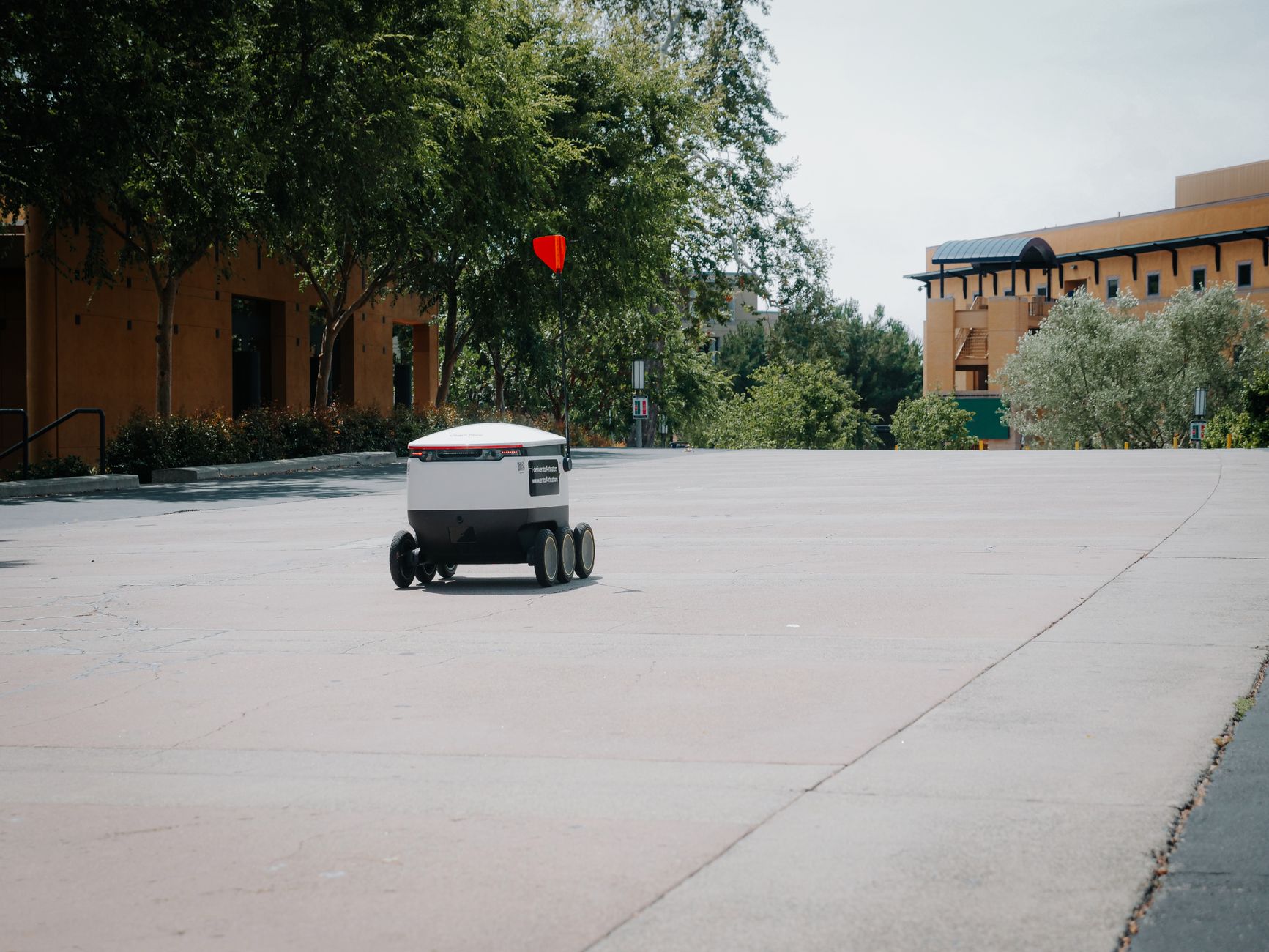
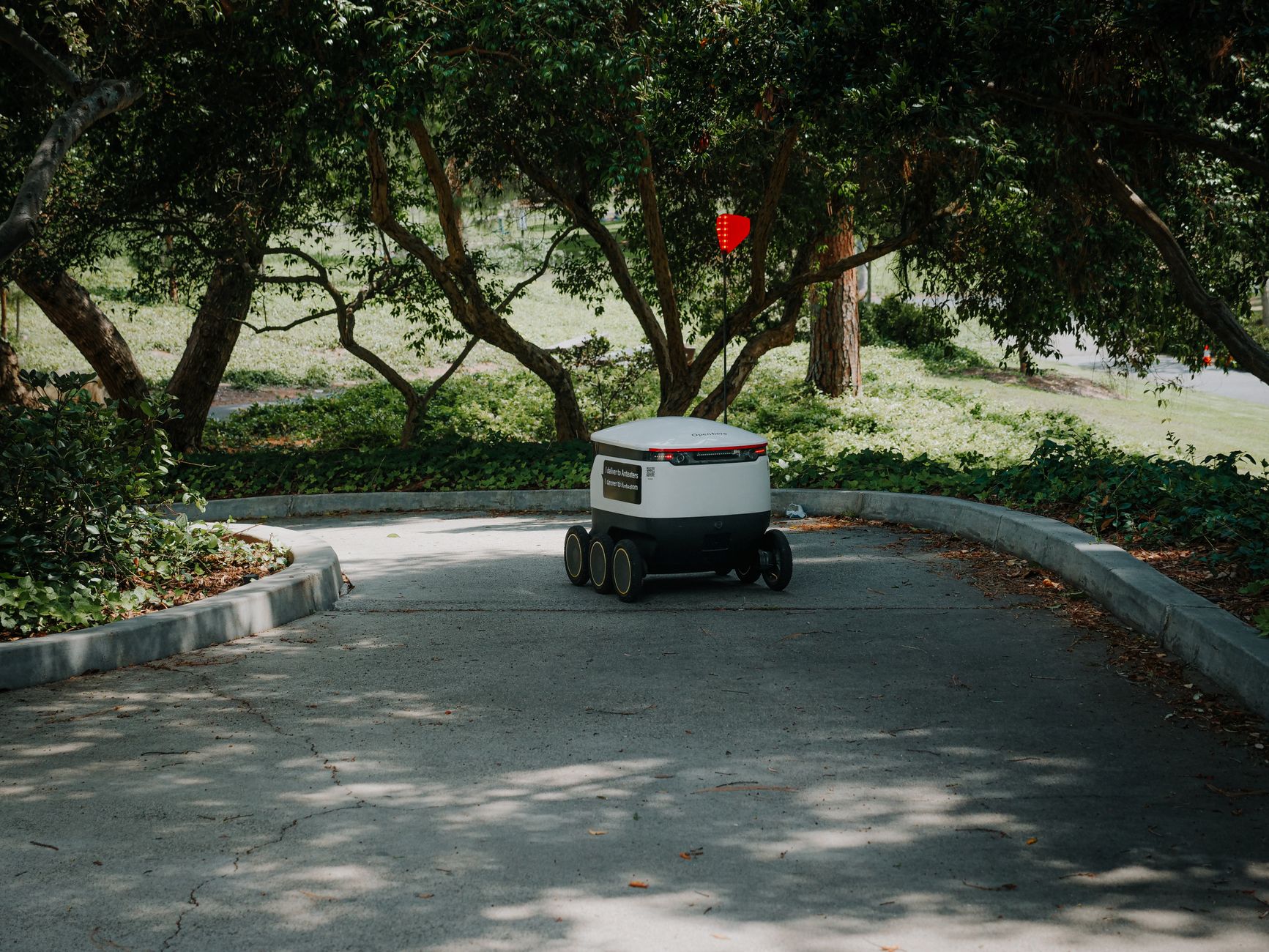
- Optimize for Vehicle Type & Size: Not all deliveries require a 26-foot box truck. Implement a system that matches parcel size and volume to appropriate vehicle types – from cargo vans for dense city centers to electric bikes for micro-zones. This reduces fuel consumption (up to $0.70 per mile saved by using smaller vehicles where appropriate) and improves navigability in tight urban spaces.
- Leverage Predictive Analytics for Demand: Incorporate historical delivery data, seasonal trends, and even local event schedules into your routing algorithms. Predicting surges in specific urban areas allows for pre-positioning inventory or adjusting driver schedules proactively, rather than reactively, leading to a 10-12% improvement in on-time performance during peak periods.
The insider secret here is to look beyond mere mileage optimization. Many tools only focus on shortest path. True urban agility means optimizing for driver productivity per hour by minimizing non-driving activities like parking searches, idle time, and navigating complex building access. This means paying a premium for a routing solution that factors in parking availability predictions or allows drivers to mark "no-go" zones based on real-world experience.
Revolutionizing Last-Mile with Micro-Fulfillment Centers & Parcel Lockers
The concept of delivering from one large central warehouse to every customer in a vast urban area is fiscally irresponsible in 2025. The solution lies in distributed networks: Micro-Fulfillment Centers (MFCs) and strategically placed parcel lockers. These are not just buzzwords; they are tangible assets that dramatically cut the longest, most expensive leg of the journey.
- Establish Urban Micro-Fulfillment Centers: These smaller warehouses, typically 5,000-20,000 square feet, are located within 5-10 miles of dense customer populations. Stocking fast-moving SKUs closer to the consumer reduces the average last-mile delivery distance by 60-70%. This shift directly impacts fuel costs, vehicle wear, and driver hours. For example, a major electronics retailer we worked with reduced their average urban delivery cost from $11.50 to $7.80 per package by deploying three MFCs in a major metropolitan area.
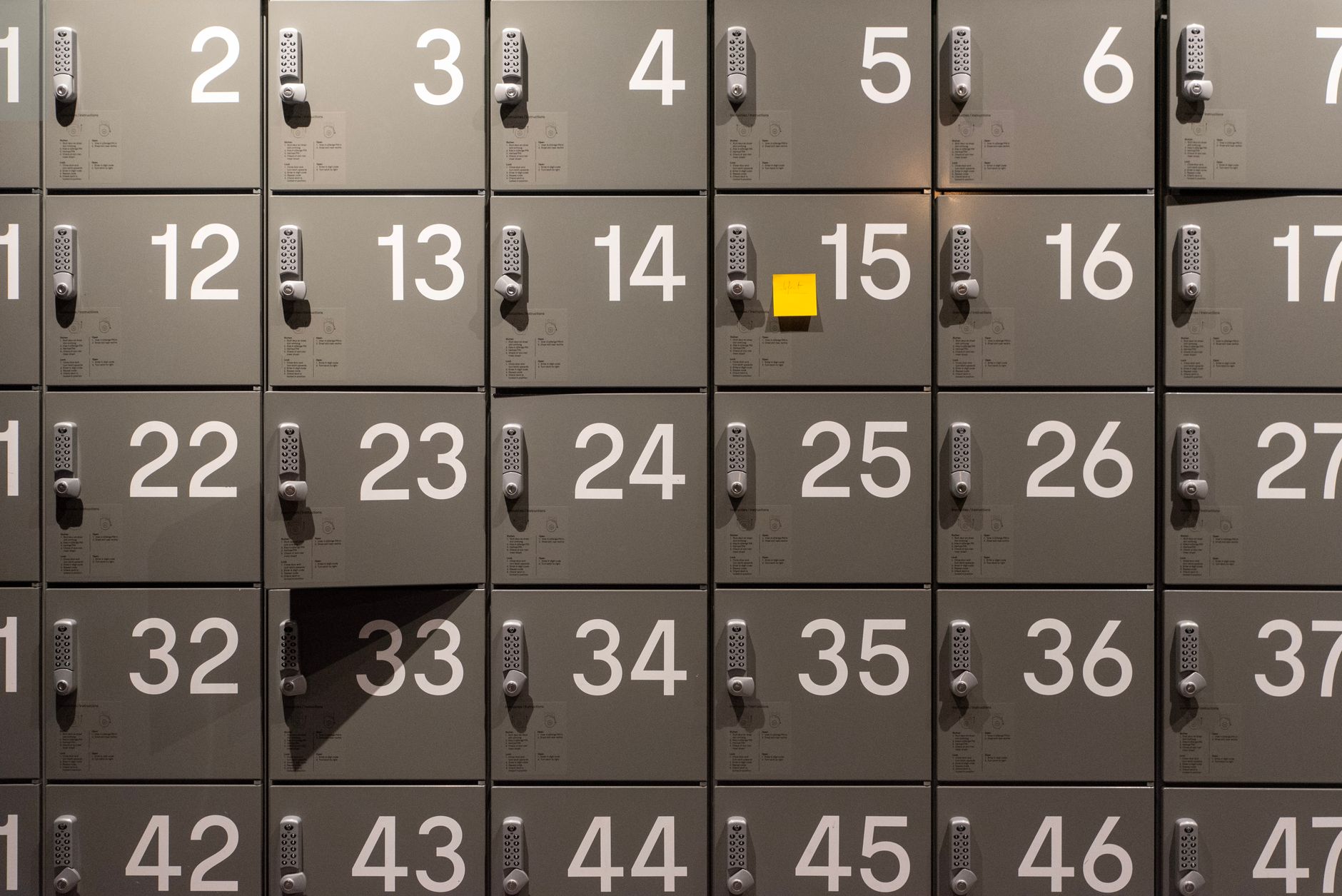
- Integrate Automated Parcel Lockers (APLs): Partner with third-party networks or deploy your own smart lockers in high-traffic urban locations – apartment complexes, transit hubs, retail stores. APLs eliminate the need for drivers to wait for recipients or attempt re-deliveries, reducing driver time per drop by an average of 2.3 minutes and cutting failed delivery attempts by up to 30%. This is critical for lowering the "cost of missed delivery" which can be $15-$25 per failed attempt for some carriers.
- Utilize Dark Stores: Convert underperforming retail locations into "dark stores" – mini-MFCs solely dedicated to online order fulfillment. These offer immediate proximity to customers without the overhead of customer-facing operations, allowing for rapid inventory turnover and faster picking/packing.
The insider angle: MFCs aren't just about speed; they're about capacity and resilience. During a snowstorm or unexpected urban event, a central DC can be completely cut off. A network of MFCs ensures that even if one is impacted, others can continue to operate, significantly boosting supply chain resilience. Also, don't just put MFCs anywhere; use geo-analytics to pinpoint locations that minimize combined delivery distance and avoid major traffic bottlenecks during peak times. A slightly longer distance that avoids a known daily snarl is often the more profitable choice.
The Collaborative Logistics Advantage in Congested Cities
Fighting urban congestion alone is a losing battle. The future of profitable urban curbside delivery lies in collaboration – specifically, sharing resources and infrastructure with other businesses. This isn't about altruism; it's about mutual financial benefit and efficiency gains that are otherwise unattainable.
- Pooled Delivery Networks: Participate in or create shared last-mile delivery networks. Instead of each retailer sending their own half-full vans into the same neighborhoods, consolidate packages from multiple shippers onto a single delivery vehicle. This drastically increases vehicle utilization, cutting per-package delivery costs by up to 20-30%. This model is thriving in Europe under the name "city logistics" and is slowly gaining traction in North America.
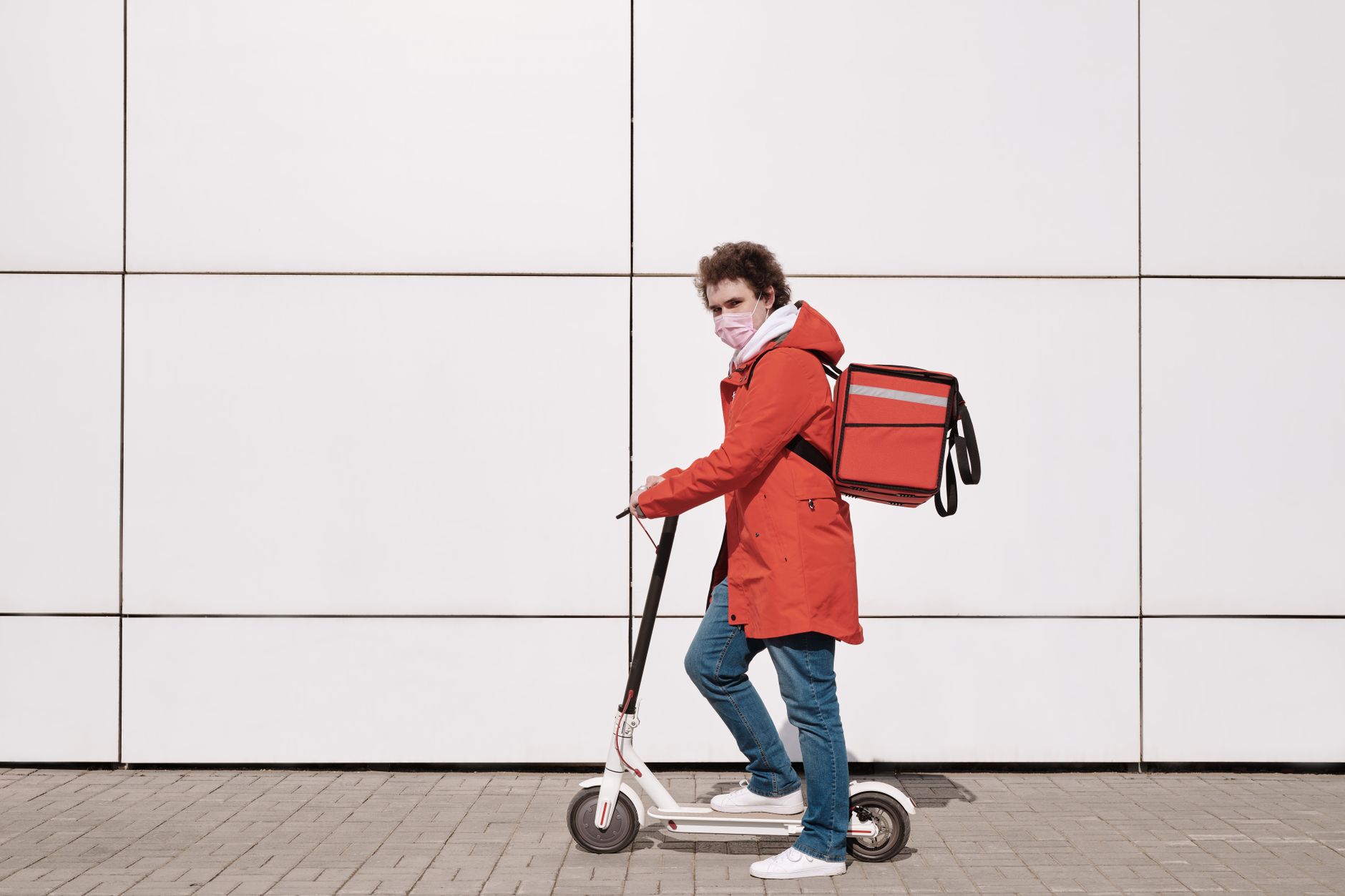
- Crowdsourced & Gig Economy Models: Integrate flexible delivery options using local couriers or gig economy drivers for hyper-local deliveries. Platforms like Uber Freight's Last Mile or Roadie can provide on-demand capacity during peak hours or for specific delivery windows, allowing traditional fleets to focus on larger, more consolidated routes. This helps e-commerce businesses scale up quickly without the fixed costs of owning more vehicles or hiring additional full-time drivers, reducing holiday surge capacity expenses by 15-20%.
- Consolidated Receiving Points: Partner with local businesses or existing parcel shops to serve as consolidated receiving points for multiple e-commerce deliveries. This reduces the number of individual stops for large trucks, which can then perform a single bulk drop-off, and consumers can collect their packages at their convenience. This model effectively offloads the "last 50 feet" challenge from the primary carrier.
Here’s the counter-intuitive part: relinquishing some control over the final leg of delivery can actually lead to greater control over costs and customer satisfaction. By trusting specialized local partners or shared networks, you gain access to localized expertise, smaller, more agile vehicles, and deep knowledge of urban nuances – things your long-haul carrier simply can't provide. The biggest hurdle isn't the technology; it's the mindset shift from proprietary delivery to shared efficiency. The payoff is measurable: companies engaging in collaborative logistics report a 14.3% reduction in overall urban delivery delays.
Navigating Local Urban Delivery Regulations: A Compliance Playbook
One of the most overlooked, yet costly, aspects of urban curbside delivery is regulatory compliance. Cities are increasingly implementing their own unique rules for commercial vehicles, from low-emission zones (LEZs) to specific loading/unloading permit requirements. Ignoring these regulations isn't just about fines; it can lead to vehicle impoundment and significant operational disruptions.
- Identify & Map Local Regulations: Before planning routes, map out all relevant city ordinances. This includes:
- Low-Emission Zones (LEZs): Major cities like London and Paris have strict LEZs. Expect similar zones to proliferate in North American cities by 2025. Non-compliant vehicles face daily charges (e.g., £12.50 in London) or outright bans.
- Weight & Size Restrictions: Many urban bridges and historical districts have vehicle weight and size limits. Ensure your routing software incorporates these data points.
- Loading/Unloading Zones & Times: Specific blocks may only allow commercial vehicle loading/unloading during off-peak hours (e.g., 10 PM - 6 AM), incurring additional costs for night shifts or early morning deliveries. Research city-specific "No Standing" and "Commercial Vehicle Loading Only" regulations.
- Idling Laws: Most cities enforce strict idling laws, typically limiting idle time to 3-5 minutes. Fines can range from $250 to $2,000 per violation.
- Obtain Necessary Permits: For certain types of deliveries or extended loading times in specific zones, cities may require special permits. Don't assume. Allocate budget and time for permit acquisition. For example, large item delivery in NYC often requires a Temporary Street Closing Permit, which can cost $500+ and take weeks to process.
- Train Drivers on Local Rules: It's not enough for dispatchers to know the rules; drivers on the ground need constant training and access to real-time information. Provide digital access to permit details and restricted zone maps via their delivery devices.
- Invest in Compliance Technology: Telematics systems can monitor idling times, speed limits, and even geofence compliance. Integrate this data with your routing to proactively flag potential violations.
What most logistics managers overlook is that these local regulations often stem from residential complaints. Building relationships with local business associations or city planning departments can provide early warnings about impending rule changes. Furthermore, a carrier that demonstrates proactive compliance and uses cleaner vehicles might actually gain preferential access to certain zones – a competitive advantage that can translate to 2-5% faster delivery times in restricted areas.
| Delivery Model | Optimal Use Case | Key Benefit | Primary Challenge | Cost Impact (Per Package) |
|---|---|---|---|---|
| Traditional Curbside (Hub-and-Spoke) | Low-density areas, large item delivery, less time-sensitive shipments | Simple setup, direct delivery | Urban congestion, high operational cost, limited flexibility | High ($10-$20+) |
| Micro-Fulfillment Centers (MFCs) | High-density urban zones, fast-moving SKUs, 2-hour or same-day delivery | Reduced last-mile distance, faster delivery, inventory proximity | Initial capital investment, inventory management complexity | Medium ($7-$12) |
| Automated Parcel Lockers (APLs) | High-rise residential, university campuses, secure pickup for small parcels | Eliminates failed deliveries, 24/7 access, reduced driver idle time | Limited package size, customer adoption, network density | Low ($5-$9) |
| Collaborative Logistics Networks | Multiple shippers, shared routes in specific urban zones, off-peak delivery | Increased vehicle utilization, reduced environmental impact | Coordination complexity, data sharing, trust among partners | Low to Medium ($6-$10) |
| Crowdsourced/Gig Delivery | Peak demand surges, ad-hoc urgent deliveries, hyper-local zones | Flexible capacity, rapid scaling, localized knowledge | Quality control, varying service levels, regulatory ambiguity | Variable (can be high for urgency, low for efficiency) |
Key Takeaways
- Urban curbside delivery friction inflates last-mile costs by up to 18%, eroding e-commerce profitability and leading to customer churn.
- Dynamic route optimization, integrating real-time traffic and vehicle-specific data, can reduce urban drive times by 25% and improve on-time performance by 10-12%.
- Deploying Micro-Fulfillment Centers cuts average last-mile delivery distance by 60-70% and slashes per-package costs by over 30% in dense urban areas.
- Automated Parcel Lockers decrease failed delivery attempts by up to 30%, saving $15-$25 per missed delivery in driver time and re-delivery efforts.
- Embrace collaborative logistics models to increase vehicle utilization, reduce costs by 20-30%, and gain access to specialized local urban expertise.
- Proactively map and comply with evolving local urban regulations, including LEZs and idling laws, to avoid substantial fines (e.g., $150+ parking fines, $250-$2,000 idling fines).
- Focus on optimizing for driver productivity per hour in urban settings, not just mileage, to account for non-driving operational friction like parking.
Frequently Asked Questions About Curbside Delivery Challenges
What are the primary curbside delivery challenges in urban areas?
The primary curbside delivery challenges in urban areas include severe traffic congestion, restrictive parking regulations leading to fines, limited access for commercial vehicles, high operational costs due to idle time and rerouting, and increased risks of package theft. These factors collectively drive up last-mile expenses and negatively impact delivery reliability for e-commerce businesses.
How much do urban delivery delays cost e-commerce businesses?
Urban delivery delays can cost e-commerce businesses billions annually, with individual retailers facing increased fulfillment costs of up to 18% per package. This includes expenses from wasted fuel, driver overtime, parking fines (potentially $150+ per incident), re-delivery attempts (up to $25 per failed delivery), and customer service resolution for missed windows, significantly impacting profit margins.
What technologies can mitigate urban curbside delivery issues?
Key technologies to mitigate urban curbside delivery issues include dynamic route optimization software with real-time traffic integration, AI-driven demand forecasting for predictive logistics, and telematics systems for compliance monitoring. Additionally, utilizing smart lockers and micro-fulfillment center management platforms can streamline operations.
When should an e-commerce business consider micro-fulfillment centers?
An e-commerce business should consider micro-fulfillment centers (MFCs) when facing escalating urban last-mile costs, pressure for same-day or 2-hour delivery, and high volumes of fast-moving SKUs in dense metropolitan areas. MFCs are most effective when positioned within 5-10 miles of target customer populations to drastically reduce final-mile distances and improve delivery speed.
What is collaborative logistics in the context of urban delivery?
Collaborative logistics in urban delivery involves multiple shippers or carriers pooling resources, such as vehicles, drivers, or even warehouse space, to achieve shared efficiencies. This can include consolidated routes where one truck delivers packages for several businesses in the same neighborhood, reducing individual costs, improving vehicle utilization, and lowering environmental impact.
How do city regulations impact urban freight movement?
City regulations significantly impact urban freight movement by imposing restrictions such as Low-Emission Zones (LEZs) that ban or charge non-compliant vehicles, specific loading/unloading zones and limited time windows, weight and size restrictions for certain streets, and strict idling laws. Non-compliance leads to substantial fines and operational delays, requiring proactive planning and specialized vehicle choices.
Mastering Curbside Delivery Challenges with Loadly's Solutions
The persistent curbside delivery challenges in urban environments are not insurmountable. By strategically adopting dynamic routing, distributed fulfillment, and collaborative models, e-commerce businesses can transform a significant cost center into a competitive advantage. The difference between struggling and thriving in 2025 will be how intelligently you leverage data and technology to navigate the urban jungle.
Loadly understands these real-world pressures because our platform was built by industry veterans for industry professionals. Our integrated marketplace connects you with a vetted network of carriers and specialized last-mile providers, capable of navigating specific urban challenges. With Loadly's tools, you can dynamically adjust routes, connect with local micro-carriers for specialized deliveries, and gain the real-time visibility needed to make profitable decisions. Stop guessing and start optimizing your urban deliveries today.