Quick Answer: To cut container drayage detention and demurrage by 50%, proactively manage documentation for 48-hour customs clearance, implement precision drayage scheduling, optimize chassis utilization with drop-and-hook methods, and strategically vet carriers for port efficiency. These steps, combined with real-time visibility, are critical for navigating congested ports and avoiding exorbitant penalties.
Last year, the port of Long Beach alone collected over $340 million in demurrage and detention fees, with 70% of those charges deemed avoidable by industry experts. If you're an importer or exporter, those aren't just abstract numbers – they're direct hits to your bottom line, often wiping out profit margins on an entire container. As someone who’s been on every side of this industry, from dispatcher to owner-operator, I’ve seen firsthand how these fees compound. The good news? You can significantly reduce them, often by 50% or more, with the right strategies and a proactive approach.
The Silent Killer: Unpacking Drayage Detention & Demurrage Costs
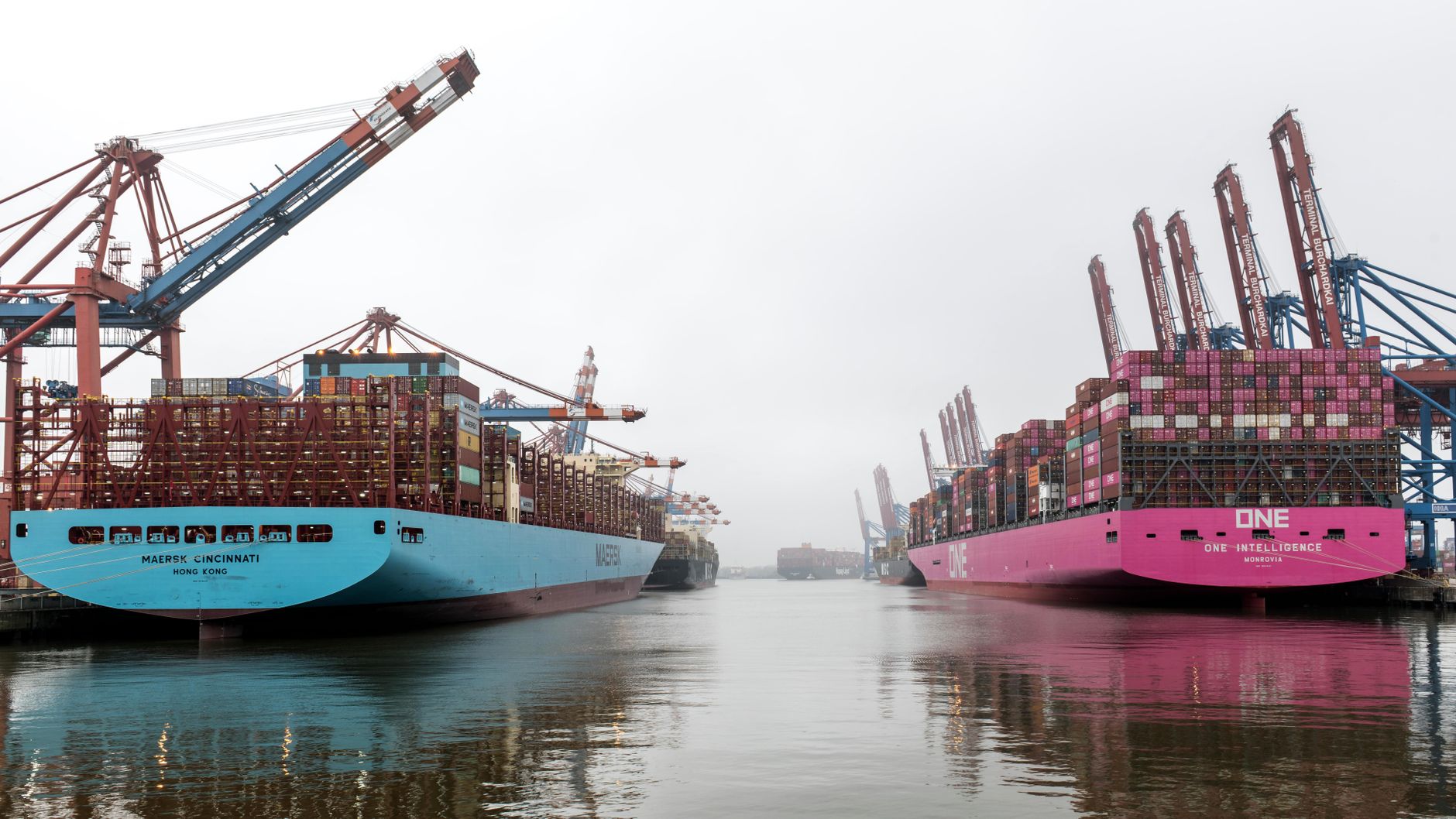
The term container drayage refers to the specialized transportation of cargo containers over short distances, typically from a port or rail terminal to a warehouse or distribution center. This critical "first mile" or "last mile" segment is where countless supply chains bleed money through avoidable charges: demurrage (fees for exceeding free time inside the port/terminal) and detention (fees for exceeding free time with the container/chassis outside the port). Most companies struggle because they react to these charges instead of preventing them.
The root causes are multifaceted: chronic port congestion, pervasive chassis shortages, unforeseen customs delays, and surprisingly often, internal documentation errors or simply a reactive approach to scheduling. While a few days of free time are typically provided (e.g., 2-5 days for demurrage, 1-2 hours for live detention), after that, rates escalate dramatically. We're talking $150-$250 per day for demurrage and $75-$150 per day for detention, easily reaching thousands of dollars per container. Many organizations fail here because they view drayage as a commodity, not a strategic operational lever. They chase the lowest price per mile, ignoring the true cost of delays.
According to the Federal Maritime Commission (FMC), in 2023, shippers paid an estimated $1.8 billion in detention and demurrage charges globally, a 28% increase from the previous year — 2022.
What most professionals miss: the "last mile" isn't just delivering the container to your facility; it’s the last 50 feet getting the loaded container off the chassis in a busy warehouse. If your receiving team isn't ready, or your facility is backed up, you're accruing detention. It's not just the port that charges you, it's your own operational inefficiencies.
Beyond the Invoice: The Hidden Impact of Port Delays
The direct fees for detention and demurrage are just the tip of the iceberg. The indirect costs spiral into significant supply chain disruptions. A container stuck at the port means production lines halt waiting for critical components, product launches are delayed, and customer satisfaction plummets. I've seen a 2-day delay on a critical part push a manufacturer's assembly line out of sequence, costing them $5,000-$10,000 in lost production and expedited air freight for replacement parts. The ripple effect can be devastating, especially for companies operating with just-in-time inventory models.
Confusion around Incoterms (International Commercial Terms) often exacerbates these hidden costs. Shippers frequently default to Ex Works (EXW) or Free On Board (FOB) without fully grasping the port-side cost implications, handing control—and risk—to unknown entities or inadvertently accepting responsibility for charges they could have avoided. These hidden costs, combined with a reactive logistics strategy, are why most companies struggle to contain drayage expenses.
Pre-emptive Documentation: Your 48-Hour Customs Clearance Blueprint
From my experience, 80% of customs delays are preventable if you move from reactive scrambling to proactive execution. Your goal should be to ensure your container is ready for release 48 hours BEFORE the vessel even docks. Here’s how:
- Audit Documentation 7 Days Out: Do not wait until the vessel is 24 hours away. Verify your Bill of Lading, Commercial Invoice, Packing List, and any required permits (e.g., FDA, EPA, CITES) a full week before the estimated vessel arrival. Missing or incorrect Harmonized System (HS) codes are a common culprit, leading to immediate 3-day holds.
- Leverage Automated Broker Interface (ABI) Filings: Your customs broker can file through ABI up to 5 days before vessel arrival, not just on the day it docks. Push them to do this. Early submission flags potential issues well in advance, giving you time to correct them without incurring port fees.
- Pre-Pay Duty & Taxes: Do not wait for the customs broker's invoice after clearance. Pre-authorizing payments or having funds readily available for duties and taxes can shave a full day off the clearance process. This requires a dedicated internal finance process, but the savings are substantial.
- Dedicated Point of Contact: Appoint one specific person internally to manage all communication with your customs broker and drayage carrier. This eliminates communication lag and ensures critical information isn't lost in email chains, reducing response times by an average of 35% compared to a fragmented approach.
A study by the Port of Virginia found that containers with pre-filed and pre-paid duties cleared customs 1.7 days faster on average, directly reducing the window for demurrage charges.
Insider Tip: Your customs broker is incentivized to process quickly, but their hands are tied if you send documents last minute. Build a strong, proactive relationship with your broker – they are your front-line defense against port fees. Pay them promptly, and they'll prioritize your shipments.
Precision Scheduling & Drayage Carrier Vetting: The 3-Hour Turnaround Goal
Most shippers treat drayage as an afterthought, often calling for a truck only after the container is cleared and ready. This reactive approach costs thousands. Your objective is to achieve a 3-hour turnaround from container availability to pick-up. Here’s how to set your operation up for success:
- Implement "First Available" Appointments: At congested ports, don't insist on a specific, preferred time slot if it means missing your free days. Prioritize securing the earliest possible pick-up appointment. A small inconvenience in scheduling is far cheaper than a day of demurrage.
- Pre-Advise Drayage Carrier Immediately: As soon as the vessel departs its origin port, send your drayage carrier all shipment details – vessel name, voyage number, estimated arrival, container number, and terminal. This gives them 7-10 days to plan resources, pre-book appointments, and anticipate potential issues. Waiting until the vessel docks is a guaranteed path to delays.
- Demand Live ETA Tracking: Partner with carriers (or use platforms like Loadly) that provide real-time GPS tracking for your drayage moves. This isn't just for visibility; it's a vital operational tool. Real-time ETAs allow you to adjust warehouse staff, inform customers, and prepare your receiving docks precisely, minimizing live unload detention.
- Vetting Criteria Beyond Price: When selecting a drayage carrier, look beyond their rate per mile. Audit their port access credentials (many drivers are restricted from certain terminals), equipment ownership (do they own their chassis?), and driver pool size. A carrier with 10 trucks and 20 drivers offers significantly more flexibility and resilience to congestion than one with 15 trucks and 15 drivers, despite potentially higher initial rates.
Carriers using advanced scheduling systems reduce their average port dwell time by 2.3 hours per move, equating to an additional 0.5 loads per driver per week, which translates to better service and lower risk for shippers.
Insider Tip: Drivers on dedicated runs with pre-cleared appointments often earn 15-20% more per hour than those waiting in general queues for reactive loads. They prefer these runs. By being organized, you become a "shipper of choice," attracting better, more reliable drayage capacity.
Chassis Management & Drop-and-Hook Optimization: Shaving Hours, Not Minutes
Chassis availability is consistently a top-three cause of drayage delays, yet many shippers overlook it until they're slapped with a "dry run" fee or detention. Managing chassis proactively is crucial for efficiency.
- Pre-book Chassis: Especially at perennially congested ports like Los Angeles/Long Beach, if possible, secure a private or co-op chassis prior to vessel arrival. Relying solely on the port’s general chassis pool is a gamble that often leads to delays.
- Understand Chassis Pools: Know whether your port uses an Intermodal Chassis Pool (ICP) or if carriers primarily use private chassis. This dictates availability, pick-up locations, and potential costs. For instance, some ports require drivers to drive miles out of their way to pick up a chassis from an off-dock facility.
- Optimize Drop-and-Hook Operations: If your volume and facility allow, negotiate drop-and-hook agreements with your drayage carrier. This setup means the carrier drops a loaded container with an empty chassis, picks up a previously unloaded container, and leaves another empty chassis. This eliminates 80% of live unload detention time, as drivers are not waiting for your facility to unload.
- Real-time Empty Return Management: Coordinate with your drayage carrier to return empty containers as quickly as possible. Every day an empty container sits in your yard accrues per diem charges from the steamship line. An efficient return strategy prevents these escalating costs.
The average detention charge for live unloading is $125/hour after the first two hours. Implementing drop-and-hook setups can cut this to near zero, saving upwards of $250 per container in detention fees.
Insider Tip: Port terminals prioritize moves that free up their land. An empty chassis sitting takes up valuable space. By being consistently quick with empty returns, your drayage carrier develops a better relationship with the terminal, potentially leading to smoother operations and faster turn times for your future imports.
Incoterms Clarity & Port Storage Escalations: Preventing Fee Surprises
The biggest "gotcha" for many importers comes from misunderstanding Incoterms and their direct link to port storage (often mistakenly lumped with demurrage). Demurrage is for the container from the ocean carrier; port storage (or wharfage, rent) is for the terminal space, and these accumulate independently.
- Review Incoterms Per Shipment: Do not just use a default Incoterm. For shipments destined for highly congested ports, consider using Cost and Freight (CFR) or Cost, Insurance and Freight (CIF). This pushes the responsibility for the main carriage to the seller, but be meticulously clear on who pays destination port charges, including port storage and demurrage. Avoid EXW unless you have absolute confidence in your ability to manage all aspects.
- Understand Port Storage Tariffs: Obtain and review the specific port terminal's tariff schedule. These documents detail the free time, daily charges, and escalation tiers for port storage. These rates can be even higher than demurrage charges and often kick in faster.
- Dedicated Escalation Contacts: Beyond general customer service lines, ensure you have direct contact information for the local operations or escalation teams at the steamship line and the terminal. When a container is stuck, waiting 24 hours for a response from a call center is too long.
- Familiarize with Dispute Resolution Process: The FMC has an interpretive rule on detention & demurrage for unfair practices. Familiarize yourself with these guidelines. If you believe charges are unjust due to factors outside your control (e.g., terminal operating hours, chassis unavailability caused by the carrier), you have grounds to dispute them.
In 2023, 18% of all demurrage disputes filed with the FMC cited unclear Incoterms or lack of communication as contributing factors, highlighting a critical area for improvement.
Insider Tip: Steamship lines often offer 1-2 'free' days. After that, rates skyrocket. It's not about fairness, it's about making space. Negotiate extended free time *before* the contract is signed if you know you'll be consistently shipping to a high-volume, congested port. This seemingly small detail can save you thousands over the year.
| Criteria | Budget-Focused Carrier | Premium Drayage Partner | Loadly Partner (Optimized) |
|---|---|---|---|
| Price Per Mile | Low, often with hidden surcharges | Moderate-High, more transparent | Competitive, transparent, dynamic pricing |
| Port Access Credentials | Limited, longer gate times | Direct, pre-approved access | Extensive, diverse network for optimal access |
| Chassis Ownership | Mostly relies on pooled/rented chassis | Higher proportion of owned/dedicated chassis | Access to carriers with diverse chassis solutions |
| Real-time Tracking | Basic updates, often manual | Advanced GPS with limited integration | Integrated real-time GPS & digital updates |
| Communication Protocol | Email/phone, reactive | Proactive, dedicated contacts | Digital platform for instant updates & communication |
Key Takeaways
- Proactive documentation review 7 days prior to vessel arrival saves 1-2 days on customs clearance and prevents costly holds.
- Implement "First Available" port appointments and pre-advise drayage carriers immediately to ensure faster pick-ups and turn times.
- Optimize chassis utilization through pre-booking and prioritizing drop-and-hook operations to eliminate up to 80% of live unload detention charges.
- Vet drayage carriers beyond just price, focusing on port access, equipment ownership, and driver pool size for 20% faster port-to-door efficiency.
- Leverage Incoterms like CFR/CIF strategically to manage port-side risk and clearly define responsibilities for destination charges.
- Familiarize yourself with FMC guidelines and terminal tariffs to effectively dispute unfair demurrage and port storage charges.
- Utilize digital platforms for real-time visibility and communication, transforming reactive drayage management into a proactive cost-saving strategy.
Frequently Asked Questions
What is container drayage?
Quick Answer: Container drayage is the specialized transport of cargo containers over short distances, typically from a port or rail terminal to a warehouse or distribution center, or vice-versa.
It's the critical "first mile" or "last mile" segment of international shipping, ensuring containers move efficiently from larger transport modes to their final local destination. Without efficient drayage, global supply chains can experience significant bottlenecks and increased costs.
How can I avoid demurrage fees in congested ports?
Quick Answer: To avoid demurrage, ensure all documentation is pre-cleared, schedule drayage immediately upon vessel departure, and coordinate container pick-up and empty return within the free time allotted by the ocean carrier.
Proactive communication with your customs broker and drayage provider, coupled with real-time tracking, are essential. Consider pre-booking chassis and optimizing for drop-and-hook deliveries where possible to minimize container dwell time at the port.
What is the difference between detention and demurrage?
Quick Answer: Demurrage refers to charges for using the ocean carrier's container beyond the free time inside the port or terminal, while detention refers to charges for using the carrier's container (and sometimes chassis) outside the port, usually at the shipper's or consignee's facility, beyond the agreed free time.
Essentially, demurrage is a port-side charge for storing the container, whereas detention is a charge for holding the equipment (container and/or chassis) for too long during loading or unloading away from the port, often incurring per-hour fees after initial free periods.
What impact do Incoterms have on drayage costs?
Quick Answer: Incoterms define who is responsible for costs and risks at various stages of shipping, directly impacting who pays for drayage, detention, and demurrage.
For instance, under EXW, the buyer is responsible for almost all costs from the seller's door, including drayage and any associated port charges. Under DDP, the seller handles everything. Misunderstood Incoterms can lead to unexpected charges and disputes, especially concerning port-side delays and the allocation of penalty fees.
How does port congestion affect container drayage rates?
Quick Answer: Port congestion significantly inflates container drayage rates by increasing driver wait times, reducing daily turns, and often leading to specific surcharges for carriers.
When trucks are stuck in port queues for hours, carriers lose money on demurrage fees and missed opportunities, forcing them to increase base rates and add congestion surcharges to cover operational inefficiencies and compensate drivers for lost productivity. This can add 15-30% to drayage costs during peak congestion periods.
Can technology help reduce drayage detention?
Quick Answer: Yes, technology is crucial for reducing drayage detention by providing real-time visibility, automating communication, and optimizing scheduling across the drayage process.
Platforms like Loadly offer GPS tracking, digital document management, and direct communication channels with carriers, enabling proactive management of pick-ups and deliveries. This minimizes driver wait times at facilities and facilitates faster empty container returns, directly combating costly detention charges and improving overall efficiency.
Unlock Faster Container Drayage with Loadly
The complexities of container drayage don't have to be a black hole for your budget. By implementing the proactive strategies outlined in this checklist, you're not just saving money – you're reclaiming control over your supply chain and ensuring your goods move with the speed and predictability your business demands.
Imagine having real-time visibility into every container move, instantly identifying potential delays, and seamlessly communicating with trusted carriers who understand the urgency of port operations. Loadly connects you with a vetted network of drayage carriers equipped with the tools and expertise to execute on these strategies, offering transparent pricing and the real-time insights needed to keep your freight moving and your costs down.
Ready to transform your container drayage? Discover smarter solutions for your next shipment on Loadly today.