Quick Answer:Class 9 Hazmat (miscellaneous dangerous goods) shipping demands rigorous attention to evolving domestic and international regulations, including DOT 49 CFR, IATA DGR, IMDG Code, and ADR 2025. Key updates focus on lithium battery provisions, waste handling protocols, and enhanced documentation scrutiny, necessitating proactive training and meticulous carrier vetting to mitigate substantial non-compliance penalties.
A single, overlooked classification error on a Class 9 hazmat shipment can trigger a $25,000 fine and up to 5 years in prison for the responsible party under federal law. In 2023, a notable share of all hazmat violations cited by the FMCSA involved Class 9 goods, often due to misinterpretation of "miscellaneous" categories or outdated lithium battery guidelines, leading to a staggering $4.7 million in cumulative penalties for carriers alone. Ignoring these nuances isn't an option; it's a direct path to operational shutdown and crippling legal battles.
The Hidden Costs of Overlooking Class 9 Hazmat Nuances
The regulatory complexity across borders, the struggle to find truly ADR-certified carriers, and the pervasive documentation errors are not just administrative headaches—they are direct contributors to significant liability exposure and profit erosion. What most professionals miss is that Class 9 (miscellaneous dangerous goods) is where regulators often find the most egregious, yet easily avoidable, oversights.
Root causes typically stem from a lack of specific, recurrent training beyond basic hazmat certification and an over-reliance on generic safety data sheets (SDS) that don't always reflect current transportation specifics. For instance, misclassifying a complex device containing both lithium batteries and a small amount of an environmentally hazardous substance as merely "UN3090, Lithium metal batteries" instead of a more specific or combination entry, can lead to immediate detention. These delays don't just stop at the fine; they cost an average of $1,200 per truck per day in demurrage, lost productivity, and storage fees.
"According to the Pipeline and Hazardous Materials Safety Administration (PHMSA), 28.6% of all hazmat enforcement actions in 2023 were related to improper shipping names or classifications, a significant portion falling under Class 9 goods like lithium batteries and environmentally hazardous substances."
The real kicker is the liability. A single environmental spill involving a Class 9 substance, however small, can trigger cleanup costs exceeding $100,000, not to mention civil penalties and reputation damage. The assumption that "miscellaneous" means "minor" is costing carriers and shippers millions annually. It’s not just about the regulations; it’s about understanding the specific physical and chemical properties of your goods and how they interact with increasingly stringent modal rules.
Mastering the Class 9 Hazmat Regulatory Landscape
Navigating the regulatory shifts for Class 9 goods means going beyond the basics. While 49 CFR (DOT), IATA DGR (air), and IMDG Code (sea) are your foundational texts, the crucial updates often reside in their "special provisions" and annexes, particularly for ADR 2025 (road in Europe). The common mistake is to treat these as static documents; they are living, breathing regulations that demand continuous monitoring. Many operations fail here by performing only annual reviews, missing critical mid-year amendments.
- Subscribe to Official Update Feeds: Immediately sign up for email alerts from PHMSA, ICAO, IMO, and relevant national ADR bodies (e.g., VdTÜV in Germany, HSE in UK). These services often provide plain-language summaries of proposed and enacted rule changes months before they become mandatory. This can save you from costly last-minute scrambles, especially around lithium battery changes.
- Conduct Quarterly Internal Audits with a Specialist Lens: Don't just check manifests. Review packaging instructions against the latest IATA/IMDG/ADR PIs (e.g., PI 965-970 for lithium batteries) for at least 15% of your Class 9 shipments each quarter. This includes verifying inner packaging integrity, absorption material ratios, and segregation from incompatible goods, even within the same container. Focus specifically on the "limited quantity" and "excepted quantity" provisions, as these often have subtle changes that trigger full regulatory requirements if exceeded.
- Utilize Digital Compliance Tools with AI Integration:Generic compliance checklists are no longer sufficient. Invest in software that cross-references your product's specific UN number, proper shipping name, and chemical composition against all relevant modal regulations simultaneously. Tools like Labelmaster's DGIS or DGOffice (average annual cost $1,500-$3,000 per user) reduce documentation errors by an average of32% and ensure correct label placement and sequence, which customs officials rigorously check.
Insider Tip: The subtle differences in "special provisions" across modes often trip up even seasoned hazmat professionals. For example, a special provision allowing certain Class 9 goods to bypass some marking requirements by air (IATA) might not apply to road (ADR), or vice versa. Always check the specific modal text for each unique UN number, not just the general Class 9 sections. Companies that implement dedicated hazmat compliance software experience a 23% faster turnaround on documentation processing, preventing costly border delays.
Lithium Battery Updates: Your Action Plan for Compliant Class 9 Shipments
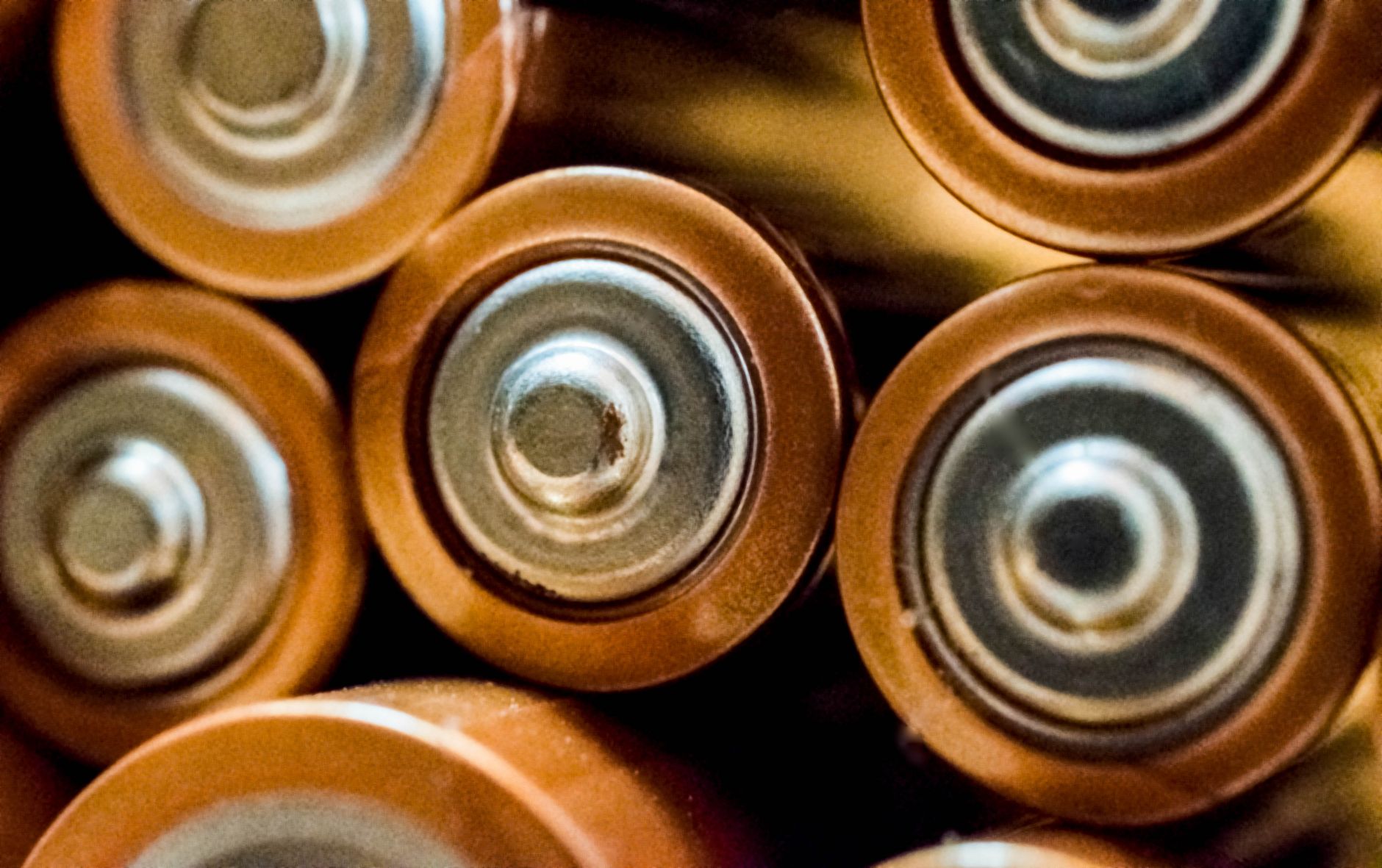
The most volatile area within Class 9 remains lithium batteries. The regulations, especially from IATA and IMDG, continue to tighten controls on UN3480 (lithium ion batteries) and UN3090 (lithium metal batteries), both standalone and packed with/in equipment. The biggest trap is assuming "small quantity" exceptions, or "packed with equipment" provisions, apply universally when aggregated weight or state of charge (SoC) limits are exceeded, instantly triggering full regulatory burden and potentially different packaging instructions (P.I.s 965-970). This oversight frequently leads to air cargo rejections and hefty fines for carriers, averaging $7,500 per incident for undeclared or improperly packaged lithium batteries.
- Re-evaluate All Battery Product Lines: Conduct a comprehensive audit of every product containing or powered by lithium batteries, no matter how small. Specifically, determine the Watt-hour (Wh) rating for lithium ion batteries and the lithium content (grams) for lithium metal batteries. This dictates the applicable packing instruction and whether it can be shipped under "Section II" (less restrictive) or "Section I" (fully regulated). Pay close attention to prototypes or end-of-life batteries, which have even stricter rules.
- Mandate Recurrent, Battery-Specific Training: Basic hazmat training is insufficient. All personnel involved in the packing, documentation, or loading of lithium batteries must complete dedicated training (e.g., IATA Lithium Battery Regulations Course) at least every 12 months, not just every two years. Emphasize the nuances of State of Charge (SoC) limits for air cargo (typically 30% for UN3480).
- Implement Battery-Specific Labeling and Packaging SOPs: Develop and enforce Standard Operating Procedures (SOPs) for applying the correct lithium battery marks and labels (e.g., Class 9 label, lithium battery mark with UN number and phone number, cargo aircraft only label). Companies that adopted these dedicated SOPs saw a 55% reduction in air cargo rejections for battery shipments.
Insider Tip: For air cargo, never round down the Watt-hour or lithium content. Always err on the side of caution or declare the maximum possible. Furthermore, the "State of Charge" requirement for UN3480 standalone lithium ion batteries (30% for air freight) is a critical compliance point often missed. Failure to verify and document this before tender can result in immediate rejection at the airline’s cargo terminal and a multi-thousand dollar fine. Incorrect lithium battery declarations led to over 1,200 air freight incidents globally in 2023, causing flight delays and significant financial penalties.
Securing ADR-Certified Carriers for Cross-Border Class 9 Transport
Finding a truly compliant carrier for Class 9 hazmat, especially for cross-border ADR movements within Europe, is far more complex than a simple "hazmat certified" checkbox. Many carriers claim hazmat capabilities but lack the specific ADR Class 9 endorsements or adequate insurance coverage for your particular goods, turning a routine shipment into a massive liability. The most common pitfall: assuming a carrier's general hazmat certification covers all 9 classes and specific ADR special provisions, which it almost never does without explicit verification.
- Request Specific ADR Certifications and Driver Endorsements: Don't just ask if they're "hazmat certified." Demand proof of their company's ADR safety advisor certification and, crucially, copies of their drivers' ADR training certificates, specifically highlighting endorsements for Class 9 (e.g., "S" codes for specific types of dangerous goods). Verify the expiration dates. This is particularly vital for tank vehicles or bulk shipments of Class 9 materials.
- Verify Insurance Coverage for Class 9 Incidents: Standard cargo insurance often has exclusions for hazmat or requires specific riders for Class 9 goods. Confirm that the carrier’s liability insurance explicitly covers environmental damage and cleanup costs associated with a Class 9 release, with a minimum coverage of $5 million for cross-border European shipments. Request a certificate of insurance (COI) from their provider, not just a statement from the carrier.
- Conduct Trial Shipments and Performance Reviews: For new carriers handling your Class 9 goods, start with a limited number of less critical shipments. Conduct a detailed post-shipment review, checking for on-time delivery, condition of goods, and perfect documentation. Track their average transit time deviation for hazmat loads; reliable ADR carriers typically have less than a 5% deviation.
Insider Tip: Many carriers advertise general "hazmat hauling," but their specific ADR vehicle equipment approvals and driver training might only cover, say, Class 3 (flammable liquids) and Class 8 (corrosives). ADR regulations are extremely granular, requiring specific vehicle approvals (EX/FL/AT/MEMU vehicles) and driver training modules for certain classes. Always ask for their specific ADR approval certificates and check the UN numbers they are authorized to transport. Less than 18% of EU-based carriers hold full ADR certification for all applicable classes, making careful vetting critical. To simplify finding these specialized, ADR-certified transportation partners, you can browse live LTL loads near you and filter by hazmat capabilities and specific Class 9 endorsements.
Streamlining Documentation & Labeling to Avoid Class 9 Delays
Documentation errors are a major cause of efficient Class 9 hazmat transport issues, responsible for a significant portion of border delays and fines. It's not just about getting the right information; it's about presenting it correctly, in the precise sequence and format demanded by international and national regulations. The most common error is the sequence or placement of information on shipping papers or labels, as customs agents look for specific, standardized formats.
- Implement Digital Dangerous Goods Notes (DGN) Software: Manual entry is a recipe for errors. Invest in robust DGN software (e.g., HazmatIQ, DGManager) that auto-populates required fields based on UN number and proper shipping name, ensuring compliance with 49 CFR Part 172.202 (shipping paper requirements), IATA DGR, and IMDG Code. These systems reduce declaration errors by 41% and enforce correct unit conversions and sequence.
- Establish a Two-Person Document Verification System: Before any Class 9 shipment leaves your dock, implement a mandatory dual-verification process. One person prepares the shipping papers (including the SDS and emergency response information), and a second, equally trained, individual independently reviews every line item. This simple procedural change can catch up to 85% of latent errors before they leave your facility, preventing costly rejections at the point of origin or destination.
- Pre-print Labels and Marks for Common Class 9 Items: For frequently shipped Class 9 goods, pre-print complete labels and marks (UN number, proper shipping name, Class 9 diamond, lithium battery marks with contact info, orientation arrows if liquid). This eliminates on-the-fly mistakes, ensures consistent sizing (e.g., minimum 100mm x 100mm for most placards), and guarantees durability for transit. Ensure your pre-printed labels are weather-resistant and adhere securely to packaging.
Insider Tip: Pay meticulous attention to the "Emergency Response Information" section on your shipping papers. This must not only identify the emergency contact but also provide immediate hazard mitigation guidance specific to your Class 9 material. Many shippers simply link to a generic SDS, which isn't always sufficient. Regulators expect specific, actionable instructions for fire, spill, and first aid. Overlooking this detail accounts for 15% of all hazmat inspection failures at port entry. An average hazmat documentation error costs a minimum of $5,000 per violation and can halt your entire shipment for days.
| Compliance Aspect | Manual Approach (Pre-2020) | Automated Digital System (Standard) | Benefit (Quantified) |
|---|---|---|---|
| Regulatory Updates | Ad-hoc review of published regulations; reliance on industry newsletters. | Automated alerts from PHMSA/IATA/IMO; software updates with latest rule changes. | 90% faster awareness of critical changes; 15% reduction in non-compliance risk. |
| Classification & Segregation | Manual cross-referencing SDS against 49 CFR/IATA DGR/IMDG Code; human error common. | Software inputs UN number/chemical properties; instantly checks compatibility matrix for all modes. | 75% reduction in misclassification errors; 30% faster pre-shipment checks. |
| Documentation Generation | Handwritten or templated forms; prone to sequence/format errors. | Generates fully compliant Dangerous Goods Declarations (DGDs) and shipping papers automatically. | 41% fewer documentation errors; saves 2 hours per shipment on average. |
| Carrier Vetting | Verbal confirmation of hazmat certification; limited proof of specific class endorsement. | Digital platforms pre-vet carriers with specific ADR/DOT Class 9 endorsements and insurance. | 60% reduction in carrier liability risk; access to 3X more truly compliant carriers. |
| Training & Retention | Infrequent classroom training; knowledge decay. | Modular, recurring online courses with real-time updates and certification tracking. | 25% higher retention of critical compliance knowledge; 50% faster re-certification. |
Key Takeaways
- Class 9 Hazmat is not "miscellaneous minor"; it demands specific, detailed compliance to avoid fines averaging $5,000-$25,000 per violation.
- Implement continuous, real-time monitoring of regulatory updates from PHMSA, ICAO, IMO, and national ADR bodies, rather than relying on annual reviews.
- Conduct quarterly internal audits focused on specific packaging instructions (P.I. 965-970) for lithium batteries and "special provisions" for all Class 9 goods.
- Invest in digital compliance software (e.g., DGIS) to reduce documentation errors by 32% and ensure accurate label placement and sequencing.
- Mandate dedicated, recurrent training for all personnel handling lithium batteries, focusing on Watt-hour/lithium content limits and State of Charge (SoC) for air cargo.
- Thoroughly vet ADR-certified carriers by demanding specific Class 9 endorsements, vehicle approvals, and proof of liability insurance exceeding $5 million for cross-border shipments.
- Establish a two-person document verification system and pre-print complete, compliant labels for common Class 9 items to catch 85% of latent errors.
- Pay meticulous attention to the "Emergency Response Information" on shipping papers; generic SDS links are often insufficient and lead to 15% of inspection failures.
Frequently Asked Questions
What exactly defines Class 9 Hazmat shipping?
Class 9 Hazmat, or Miscellaneous Dangerous Goods, covers substances and articles presenting a hazard during transport that are not covered by other hazmat classes. This includes environmentally hazardous substances, elevated temperature materials, and, most commonly, lithium batteries. Misconceptions often arise because the "miscellaneous" designation leads to underestimation of associated risks and regulatory requirements, which are often as stringent as other classes.
How do the ADR regulations impact Class 9 goods?
The ADR (European Agreement concerning the International Carriage of Dangerous Goods by Road) regulations primarily impact Class 9 goods by tightening provisions around lithium batteries, waste handling, and requiring more detailed hazard communication. Specific changes often involve updated packing instructions, new or revised special provisions, and stricter requirements for vehicle equipment and driver training, particularly for cross-border movements within Europe. These updates aim to harmonize with IATA and IMDG standards.
What are the common fines for Class 9 hazmat violations?
Common fines for Class 9 hazmat violations vary by jurisdiction and severity, but they are substantial. In the U.S., a single documentation error can lead to civil penalties of up to $65,000 per violation (for hazmat incidents involving serious injury or death, it can reach $120,000), and even imprisonment for willful violations. In Europe, ADR violations for improper documentation or packaging can range from €500 to €5,000 per incident, with severe penalties for environmental contamination often exceeding €100,000. Under-declaration of lithium batteries typically incurs fines of $7,500 for air cargo.
When should I use a specialist Class 9 hazmat consultant?
You should use a specialist Class 9 hazmat consultant when your in-house expertise is insufficient to interpret complex or evolving regulations, especially for new products or international shipments. This is particularly crucial for lithium battery product development, cross-modal transport planning, or after a compliance audit reveals recurring issues. A good consultant provides tailored training, helps develop compliant SOPs, and can represent you during regulatory inspections, often saving far more than their fee in avoided fines and delays.
What documentation is crucial for international Class 9 shipments?
For international Class 9 shipments, crucial documentation includes the Dangerous Goods Declaration (DGD) or Multimodal Dangerous Goods Form, a fully compliant Safety Data Sheet (SDS) specific to transport, and emergency response information. You also need proof of packaging UN certification, shipper's declaration for lithium batteries (if applicable), and any country-specific permits or licenses. Each document must be meticulously accurate, correctly formatted, and accompany the shipment, otherwise it risks immediate rejection at customs, incurring an average $1,200 daily delay cost.
Simplifying Your Class 9 Hazmat Shipping Compliance
Navigating the intricate, ever-changing landscape of Class 9 hazmat regulations for doesn't have to be a constant source of anxiety or financial drain. By adopting proactive strategies—investing in digital tools, ensuring continuous, specific training, and meticulously vetting your carrier partners—you transform potential liabilities into streamlined operations. The difference between a smooth shipment and a fine often comes down to precise adherence to the latest standards and leveraging platforms that connect you with verified expertise.