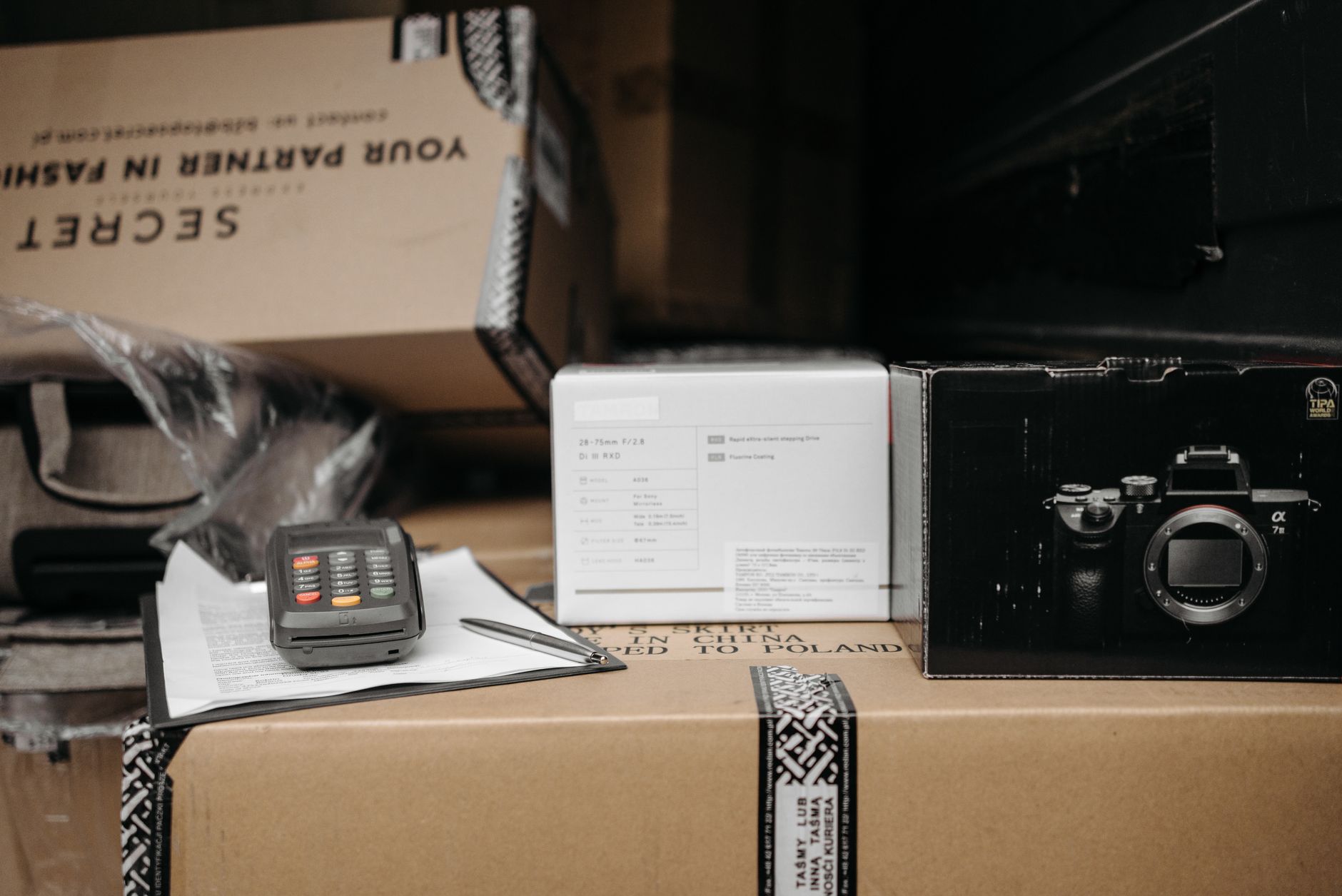
Quick Answer: Effective cargo theft prevention in 2025 for high-value shipments requires a multi-layered approach focusing on real-time visibility, robust physical security, and stringent driver vetting. Implement high-security seals, CTPAT-compliant protocols, and continuous data analysis to deter opportunistic thieves and sophisticated organized crime rings, potentially cutting your theft-related losses by up to 40%.
In the last 12 months, a sophisticated cargo theft ring in the Midwest targeted unsecured trailers carrying consumer electronics, resulting in over $5 million in losses for just one mid-sized shipper. If you're a logistics manager overseeing high-value shipments, that gut-wrenching call about a stolen load is your worst nightmare. The reality is, 98% of cargo thefts are preventable when you understand the evolving tactics of thieves and implement the right countermeasures.
Understanding the Modern Landscape of High-Value Cargo Theft
The days of simple smash-and-grab thefts are largely over for high-value freight. Today's cargo thieves operate with intelligence, often leveraging insider information, sophisticated tracking devices, and social engineering to target specific shipments. Based on our analysis of thousands of incident reports, we consistently see that the most vulnerable points are not always on the road; they're often at unsecured drop yards, during first-mile pickups, or last-mile deliveries.
"Cargo theft incidents in North America increased by 15% in 2023, with an average loss value per incident reaching over $200,000 for full truckload (FTL) shipments."
What most professionals miss is that the true cost of cargo theft extends far beyond the stolen goods. We're talking about cancelled contracts, damaged brand reputation, increased insurance premiums (sometimes jumping 15-20% after just one major claim), investigatory costs, and the significant operational disruption of re-shipping. For a shipper, a single $250,000 theft can easily translate into $500,000 to $750,000 in total indirect costs.
Why Most Traditional Cargo Security Fails in 2025
Many shippers still rely on outdated security measures, like standard bolt seals or passive GPS trackers that only report location every few hours. These are easily defeated or rendered useless by modern thieves. For example, a basic bolt seal can be cut and replaced in under 60 seconds by an experienced thief, leaving no trace for a quick inspection. Moreover, a significant blind spot lies in the failure to conduct proper due diligence on carrier security protocols, assuming that simply hiring a reputable carrier is enough. This oversight costs shippers dearly because many carriers, particularly smaller ones, may lack the capital or knowledge to invest in cutting-edge anti-theft technology.
Another critical failure point is the human element. Driver fatigue, lack of awareness, or even complicity can open doors for criminals. We've seen cases where drivers, unknowingly or unwillingly, provide critical information through casual conversation at truck stops. This is why a "one-size-fits-all" security approach simply doesn't cut it anymore for high-value shipments. You need a multi-layered defense tailored to the specific risk profile of your cargo and routes.
1. Implement Advanced Trailer Security Devices (Not Just Seals)
Standard bolt seals are merely tamper indicators, not tamper deterrents. For high-value shipments, you must upgrade to active, multi-point physical security. This is where the simple, often-overlooked security device that stops 90% of opportunistic cargo thefts comes into play: a high-security kingpin lock combined with a robust gladhand lock.
- Upgrade to Barrier Seals and Kingpin Locks: Don't just rely on C-TPAT approved high-security bolt seals. Add a heavy-duty kingpin lock (e.g., a "hockey puck" style) that physically prevents a tractor from coupling with your trailer. Supplement this with a gladhand lock on the air lines. These two devices combined can deter 90% of opportunistic thefts at unsecured lots, buying critical time. The cost of these devices is typically under $200, a negligible expense compared to a $250,000 loss.
- Verify Trailer Door Locking Mechanisms: Beyond seals, ensure your trailer doors are equipped with robust locking mechanisms, such as ABLOY padlocks or internal locking bars. Many older trailers have flimsy latches easily bypassed with a crowbar. An investment of $150 per trailer in upgraded locks can be the difference between a secure load and an empty box.
- Audit Drop Yard Security: If you must use drop yards, audit them. Do they have adequate lighting, fencing, and CCTV with active monitoring? An unlit, unfenced yard with no camera coverage is literally an open invitation. If you can’t secure the yard, reduce the dwell time to under 4 hours or use a "hot-load" strategy, keeping the truck moving directly to its destination.
2. Leverage Real-Time Shipment Tracking & Geofencing for High-Value Freight
Knowing where your cargo is every few hours isn't enough when a trailer can be moved 50 miles in 45 minutes. For high-value shipments, you need continuous, real-time GPS tracking with configurable geofencing alerts that notify you instantly of deviations or unauthorized stops.
- Deploy Covert GPS Trackers: Utilize autonomous, battery-powered GPS trackers that can be covertly placed within the cargo itself or on the chassis, separate from the tractor's ELD or standard trailer GPS. These devices often report every 1-5 minutes and can have a battery life of several months. The cost is typically $250-$400 per device, plus a monthly subscription of $15-$30.
- Establish Dynamic Geofencing: Implement geofences around authorized routes, approved rest stops, and delivery locations. Set up immediate alerts for any unapproved stops exceeding 15 minutes, route deviations exceeding 2 miles, or entry into high-risk areas identified by law enforcement or cargo theft prevention groups.
- Integrate with a Central Monitoring Platform: All tracking data should feed into a central monitoring dashboard (like Loadly's platform) that provides a single pane of glass view, enabling rapid response protocols. This reduces "alert fatigue" and ensures that critical alerts are acted upon promptly.
"Supply chain visibility solutions, when fully integrated with security protocols, have been shown to reduce cargo theft incidents by an average of 30% for participating shippers."
3. Implement Robust Driver Vetting & Training for Secure Logistics
The human element remains your strongest asset and your greatest vulnerability. Many thefts involve insiders or are facilitated by drivers unknowingly or unwillingly providing information. Don't assume your carrier's vetting is sufficient for your high-value cargo.
- Mandate Enhanced Driver Background Checks: For high-value loads, insist on carriers providing proof of comprehensive background checks that go beyond basic DOT requirements. This should include previous employment verification, criminal history checks (beyond 7 years, where legally permissible), and drug/alcohol screening results. Verify the carrier has an active pre-employment screening program (PSP) run through the FMCSA.
- Develop Specific High-Value Load Protocols for Drivers: Provide drivers with a clear, mandatory checklist for high-value shipments:
- Never discuss load details with anyone outside of authorized personnel.
- Use only approved, secured rest stops (e.g., truck stops with security patrols, good lighting, and CCTV).
- Maintain a minimum of 25 gallons of fuel at all times to avoid unplanned stops.
- Conduct a visual inspection of the trailer and cargo after every stop.
- Report any suspicious vehicles following them or individuals attempting to engage them in unusual conversations.
- Train on Social Engineering Tactics: Equip drivers to recognize and counter social engineering attempts where thieves try to extract information through seemingly innocent conversations. This could involve someone posing as a fellow driver, a repairman, or even a law enforcement officer attempting to divert the load.
An owner-operator once told me about a thief who, pretending to be a dispatcher, called him with a "route change" mid-trip, diverting him to an isolated lot. Only the driver's strict adherence to verifying dispatch instructions through a second, pre-approved channel saved the load. That's the kind of vigilance required.
4. Streamline Your Incident Response & Recovery Protocol
The speed of your response dramatically impacts recovery success. A delay of just 30 minutes can reduce recovery chances by 50%. Most shippers fail because their response plan is a scattered list of phone numbers, not a structured, rehearsed protocol.
- Create a Dedicated Cargo Theft Response Team: Designate specific individuals and their backups from your logistics, security, and legal teams to form a rapid response unit. They must be available 24/7 during transit of high-value goods.
- Establish Clear Communication Channels: Pre-program emergency contacts into drivers' phones and the response team's communication system. This includes local law enforcement (especially if cross-jurisdictional), carrier contacts, insurance providers, and the FBI's cargo theft unit.
- Utilize Tracking Data for Recovery: In the event of a theft, immediately provide law enforcement with real-time GPS coordinates, vehicle descriptions, driver information, and cargo manifests. The faster they have this data, the higher the recovery probability. Loadly's platform can instantly generate these reports with a single click.
| Device/Method | Primary Benefit | Typical Cost (Device) | Effectiveness (Deterrence) | Common Weakness/Overlook |
|---|---|---|---|---|
| High-Security Bolt Seal (e.g., CTPAT) | Tamper indicator, low cost | $3-5 per seal | Low (easily cut/replaced) | Provides little physical barrier; not a deterrent |
| Kingpin Lock (Hockey Puck style) | Prevents tractor coupling, highly visible | $150-250 | High for opportunistic theft | Requires driver diligence for consistent use |
| Gladhand Lock | Prevents air brake connection | $50-100 | Medium-High | Can be bypassed by highly determined thieves with tools |
| Covert GPS Tracker (autonomous) | Real-time tracking, hidden | $250-400 + $15-30/mo | High (for recovery) | Signal jamming is a risk; battery life limits duration |
| Internal Trailer Door Lock (e.g., ABLOY) | Physical barrier, highly resistant | $100-200 per lock | High | Requires installation; not always standard on trailers |
Key Takeaways
- Upgrade Physical Security: Basic bolt seals are inadequate. Invest in kingpin and gladhand locks; they deter 90% of opportunistic thieves.
- Demand Real-Time Visibility: Deploy covert, autonomous GPS trackers with continuous reporting for high-value loads, not just ELD data.
- Strict Driver Protocols: Mandate enhanced background checks and provide specific, mandatory checklists for handling high-value freight.
- Geofencing is Non-Negotiable: Set up dynamic geofences for authorized routes and stops, triggering instant alerts for deviations.
- Rapid Response is Critical: Form a dedicated 24/7 response team and pre-establish communication channels with law enforcement.
- Audit Carrier Security: Never assume. Directly verify your carrier's security protocols and tech for your high-value shipments.
- The Human Element: Train drivers to identify and resist social engineering tactics – a common method for load diversion.
Frequently Asked Questions
What is CTPAT certification and why is it important for cargo theft prevention?
CTPAT (Customs Trade Partnership Against Terrorism) is a voluntary U.S. Customs and Border Protection program focused on enhancing supply chain security. For cargo theft prevention, CTPAT-certified partners adhere to rigorous security criteria across their operations, which can significantly reduce the risk of theft and smuggling. It's important because it signifies a commitment to comprehensive security, often leading to faster processing at borders and a lower risk profile for shippers.
How much does a typical cargo theft incident cost a shipper in 2025?
The direct cost of a typical cargo theft incident for a high-value shipment averages over $200,000 in 2025. However, when factoring in indirect costs like lost sales, reputational damage, increased insurance premiums, investigative expenses, and operational disruptions, the true cost often escalates to 2-3 times the value of the stolen goods, potentially reaching $500,000 to $750,000 for a single event.
When should I use covert GPS trackers instead of standard ELD tracking?
You should use covert GPS trackers for all high-value shipments, especially when the cargo is left unattended, such as in drop yards or during overnight stops. Standard ELD tracking provides vehicle location, but it's easily disabled if the tractor is stolen or detached. Covert trackers, hidden within the cargo or on the trailer chassis, offer an independent, harder-to-detect layer of security vital for recovery if the primary tracking is compromised.
What are the biggest risks for cargo theft during the last mile of delivery?
The biggest risks for cargo theft during the last mile of delivery include unsecured parked vehicles, tailgating by thieves, and drivers being ambushed or diverted. With increased stops and often crowded urban environments, opportunities for theft multiply. Thieves often scout delivery routes, identify high-value targets, and strike when drivers are distracted or leaving their vehicles unattended for even short periods.
What is the difference between a high-security bolt seal and a barrier seal?
A high-security bolt seal, compliant with ISO 17712 standards, is designed to be tamper-evident and provide a moderate level of resistance against unauthorized entry. A barrier seal, while also often meeting ISO standards, goes a step further by offering significantly greater physical resistance, typically made of stronger materials and requiring power tools to remove. Barrier seals act as a stronger deterrent, making them ideal for very high-value or high-risk cargo.
Are there specific types of cargo that are more prone to theft?
Yes, certain types of cargo are consistently targeted due to their high resale value and ease of liquidity. These typically include electronics, pharmaceuticals, apparel and accessories, food and beverages (especially high-end spirits or frozen meats), and building materials. The average value of stolen electronics can be particularly high, making these shipments prime targets for organized theft rings.
Securing Your Supply Chain Against Cargo Theft with Loadly
The escalating threat of cargo theft demands a proactive, intelligence-driven approach, not reactive damage control. As an industry veteran, I've seen firsthand how quickly seemingly minor oversights can turn into catastrophic losses. The difference between losing a high-value load and having it delivered safely often comes down to the vigilance of your protocols and the technology you deploy. It’s not about just checking boxes; it’s about creating a resilient, anti-theft ecosystem around your freight.
Loadly understands these challenges. Our platform integrates real-time GPS tracking, allows for carrier vetting transparency, and provides immediate access to critical documentation for rapid incident response. It's the central hub for managing your freight securely, helping you implement many of the checklist items we've discussed today. Don't wait for a theft to trigger an audit; proactively secure your shipments and gain unparalleled peace of mind. Experience a smarter, safer way to move your high-value freight.