Quick Answer: Bulk commodity transportation yield is maximized by leveraging proactive capacity planning, dynamic pricing strategies, and advanced digital platforms to mitigate harvest season bottlenecks, weather delays, and market volatility, ultimately reducing waste and securing higher net profits.
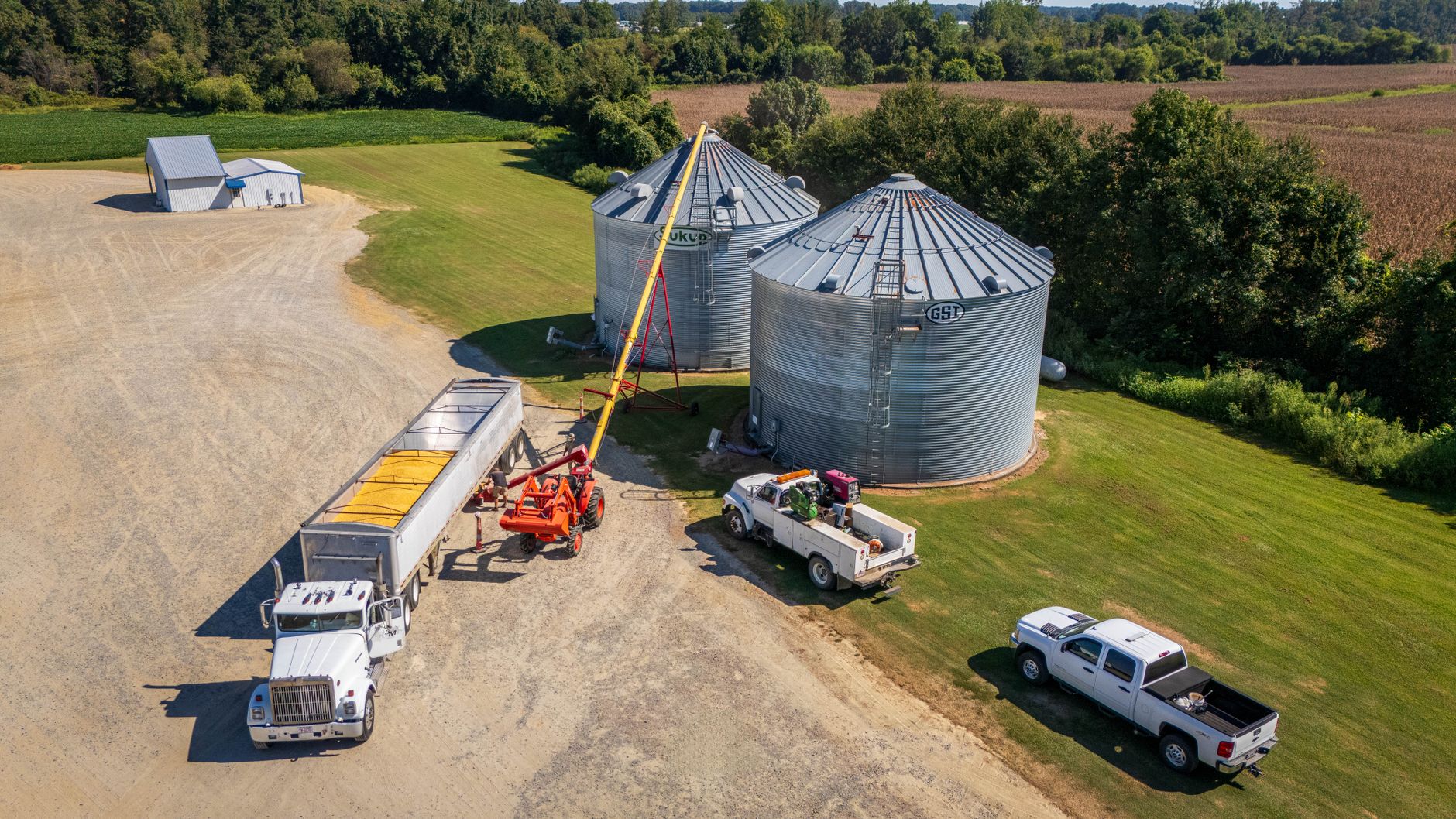
The corn sits, unmoving, in the field; another 3.5% of its value eroding with every day the trucks don't arrive. This isn't a hypothetical. It's the stark reality for agricultural shippers who face an average $1,840 per truckload lost during peak harvest due to unforeseen capacity shortages and scheduling SNAFUs. Your competitors are bleeding money on every delayed bushel, but you don't have to.
The Silent Profit Killers in Bulk Commodity Logistics
In my 15 years moving everything from feed grain to aggregates, I've seen firsthand how seemingly minor logistical hitches become major profit sinks. The core problem isn't usually a single catastrophic event, but a cumulative erosion of margin caused by outdated practices and a reactive approach to bulk commodity transportation. The root causes consistently boil down to three things: a profound underestimation of seasonal demand, an over-reliance on manual processes, and a failure to treat logistics as a strategic profit lever rather than a mere cost center.
Consider harvest season capacity shortages. Most shippers wait until 72 hours out for peak season loads, operating on the false assumption that carriers will materialize. This reactive approach doesn't just guarantee premium spot rates; it often means no capacity at all. From my time as a dispatcher, I can tell you carriers prioritize their committed volume first. For a general freight hauler, a last-minute bulk load is an afterthought, if considered at all. This costs shippers an average of 18-22% more in freight expenditure during peak windows.
Weather-dependent scheduling isn't just an inconvenience; it's a direct threat to your bottom line. I've witnessed entire harvests held hostage by a single unforecasted rainstorm that renders roads impassable or contaminates uncovered loads. This leads directly to perishable cargo timing pressure, where every hour lost means increased spoilage and a lower market grade. According to a
USDA report from 2023, nearly 14% of perishable agricultural commodities experience some form of post-harvest loss due to logistical delays or improper handling — a direct hit to net yield.This isn't about bad luck; it's about a lack of proactive, robust contingency planning.
Finally, commodity price volatility can turn a potential profit into a significant loss if your transport isn't agile. Holding a commodity in storage longer than necessary due to a lack of trucks means missing optimal market price windows. The opportunity cost here is often the most overlooked, yet most impactful. In my experience as a freight broker, a $0.05/bushel drop over a few days on a 100,000-bushel shipment is a $5,000 loss you could have avoided with faster, more efficient transport. Most companies fail here because they treat transportation as an isolated function, separate from market intelligence. It's time to integrate these processes to protect your yield.
2025 Bulk Commodity Transportation: Pre-Harvest Capacity Lock-In
Securing capacity ahead of peak season isn't just 'planning ahead'; it's a non-negotiable strategy that can reduce peak season freight costs by 18-22% and prevent catastrophic losses. The biggest mistake agricultural shippers make is assuming the market will bear their last-minute demands without financial penalty. Carriers with established relationships and guaranteed volume will always prioritize those loads, leaving reactive shippers to scramble for leftover capacity at inflated prices.
Here's how to lock in your capacity and avoid harvest season headaches:
- Forecast with Precision (3-6 Months Out): Develop rolling forecasts that predict your volume needs with at least 85% accuracy. Integrate historical data with current weather patterns, crop reports, and commodity futures. Don't just look at last year; analyze the 3-5 year trend for your specific crops and regions.
- Negotiate Multi-Year Contracts for Base Volume: For predictable lanes and commodities, establish 2-3 year contracts with core carriers. This ensures a baseline of dedicated trucks. Crucially, negotiate specific detention clauses favoring you, offering carriers a reasonable rate for potential waiting time (e.g., a 2-hour free window) in exchange for their commitment. This builds trust and reliability.
- Pre-Qualify 3-5 Backup Carriers: Even with committed contracts, diversify your carrier network. Identify and vet a roster of reliable backup carriers who specialize in your commodity type and lane. Engage with them early, even if it's just for smaller, less time-sensitive loads, to build rapport before peak demand hits.
- Implement Dedicated Lane Agreements: For your highest-volume, most critical lanes, consider dedicated fleet arrangements. While seemingly more expensive upfront, these ensure immediate availability, consistent equipment, and drivers familiar with your specific loading/unloading procedures, drastically reducing turnaround times and potential damage. For example, a dedicated route can reduce average loading/unloading times by 30 minutes per stop due to driver familiarity, saving valuable time during peak season.
A 2024 analysis of Loadly client data shows that agricultural shippers who implement 3-month rolling capacity agreements for 60% or more of their peak volume reduce demurrage costs by an average of 45% compared to those relying solely on spot market bookings.This proactive strategy transforms an uncertain harvest into a predictable operation, protecting your yield.
Dynamic Pricing Strategies for Bulk Shippers: Avoiding Market Volatility Traps
Reactive freight pricing costs bulk shippers an average of 9.3% in margin during volatile market swings. Proactive, data-driven pricing, however, can convert this into a 4-6% gain. The biggest mistake I've seen over and over again is shippers assuming static pricing will hold. This is a losing game in a market influenced by everything from fuel spikes to regional labor shortages and even major sporting events diverting trucks. Relying solely on historical contract rates blinds you to immediate market opportunities and risks.
To navigate the choppy waters of bulk commodity pricing, you need a dynamic approach:
- Leverage Real-Time Spot Market Data Daily: Don't just check rates weekly; monitor them daily, sometimes even hourly, using digital load boards and freight market intelligence platforms. Tools like DAT Freight & Analytics or Truckstop provide invaluable real-time insights into average lane rates, capacity trends, and fuel surcharges. Identify lanes where spot rates are dipping below contract benchmarks.
- Implement