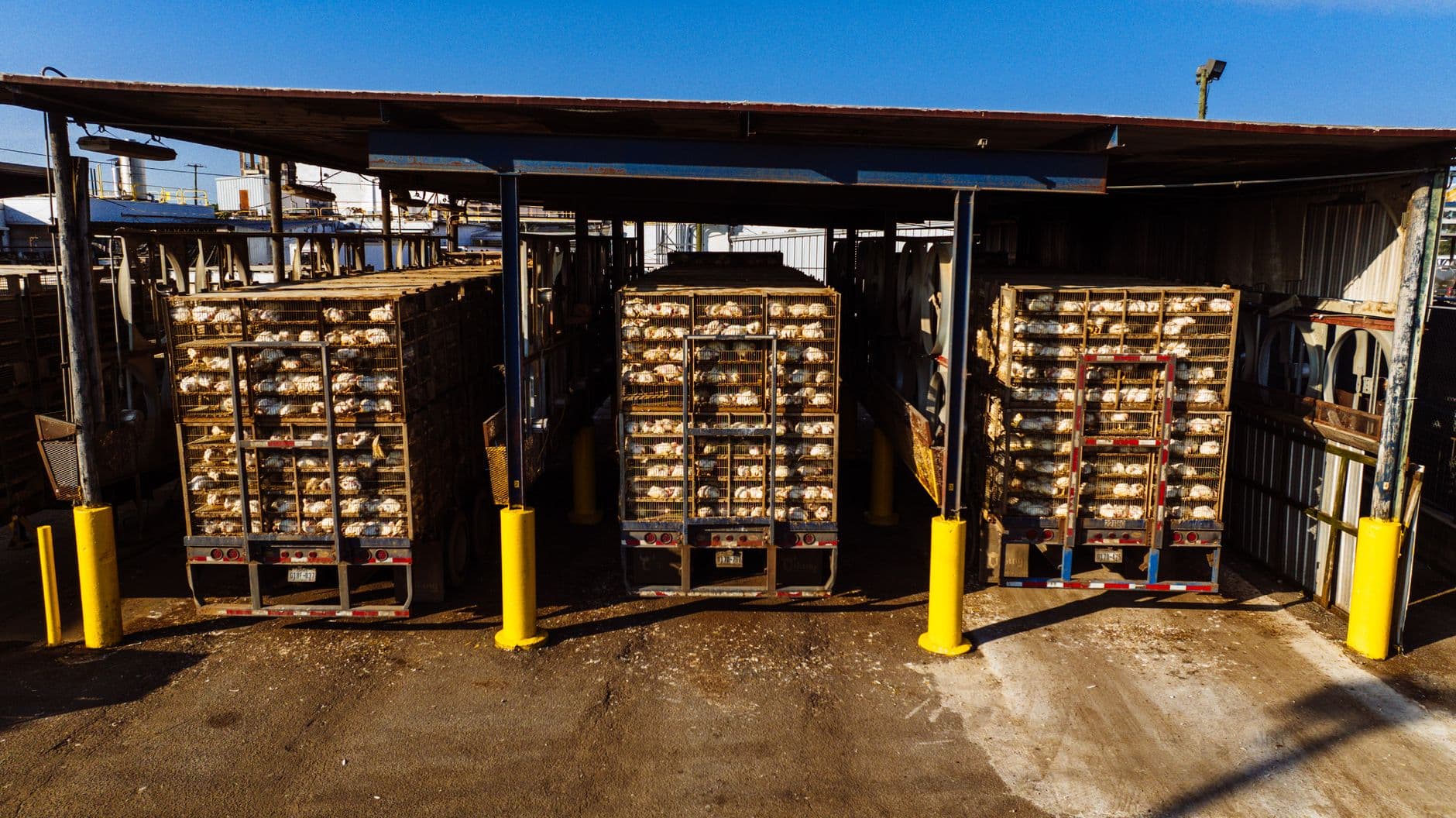
Quick Answer: Navigating agribusiness logistics requires proactive capacity pre-booking, dynamic routing informed by real-time weather analytics, and leveraging digital freight marketplaces to mitigate commodity price volatility. Shippers can stabilize costs and secure critical harvest season capacity by shifting from reactive spot market reliance to data-driven, strategic carrier partnerships, potentially reducing annual freight spend by 15%.
As a 42-year-old owner-operator, you’ve felt the knife-edge of agribusiness logistics: one week, you’re scrambling for loads, the next, you’re drowning in 18-hour days, moving perishable goods while watching diesel prices surge. This isn't just a scheduling headache for you; for agricultural and bulk commodity shippers, the 2024 harvest saw spot rates for reefer and dry van capacity spike by an average of 27% in key agricultural corridors like the Central Valley of California and the upper Midwest, often for loads that wouldn't clear until morning due to processing delays. That's a direct hit to your bottom line, translating to millions in unexpected costs for shippers annually.
The Agribusiness Logistics Tightrope: Quantifying the Harvest Season Capacity Crunch
The seasonal boom-bust cycle in agribusiness logistics is a systemic drain on profitability for shippers and a source of extreme stress for carriers. The root cause lies in the concentrated demand during specific harvest windows, coupled with the perishable nature of many agricultural products. You are not just moving freight; you are racing against the clock. This creates a supply-demand imbalance that traditional brokerage models struggle to absorb without significant price hikes. Many agricultural shippers report experiencing significant capacity shortages during peak harvest, often leading to partial shipments or missed delivery windows.
The quantified costs are staggering. For instance, relying on the spot market during peak harvest can inflate freight costs significantly compared to contracted rates. Shippers who book within 48 hours of pickup often pay significantly more than those who secured capacity 14+ days in advance for similar lanes. Beyond direct freight costs, detention fees are a rampant problem. The FMCSA’s 49 CFR Part 395 regulations, particularly regarding Hours of Service, mean carriers cannot simply wait. When a truck is tied up for 4+ hours at a facility, often due to inefficient loading/unloading, detention fees can range significantly per hour. These costs quickly escalate, turning a seemingly competitive rate into a financial black hole for shippers, who frequently absorb these charges, impacting their net profit per bushel or per ton.
According to a 2024 American Trucking Associations (ATA) report, agricultural commodities face a 1.7x higher likelihood of encountering detention delays exceeding 3 hours compared to general freight, costing the industry an estimated $1.2 billion annually in lost productivity and fees.
Most agricultural shippers fail here because they treat logistics as an afterthought, reacting to immediate needs rather than integrating it into their harvest planning from the outset. They often underestimate the lead times required or spread their loads too thin across too many carriers, missing out on economies of scale and preferred status with dedicated fleets. This reactive approach guarantees higher costs and reduced reliability, especially when the unexpected—like a sudden weather event or an early harvest—hits.
Beyond Spot Rates: The Hidden Costs of Weather Volatility in Agricultural Transport
Weather isn't just a forecast; it's a critical operational variable in agribusiness logistics that can wreak havoc on carefully planned schedules and budgets. While everyone plans for sunny harvest days, the reality of sudden downpours, early freezes, or unexpected heatwaves introduces a layer of complexity that often goes unaddressed until it's too late. These aren't just minor delays; they lead to cascading failures across the supply chain, impacting everything from field to fork. The "wait-and-see" mentality here is particularly costly because perishable goods have a strict shelf-life clock ticking.
The direct impact of weather-dependent scheduling is severe. A sudden storm can halt field operations, delaying pickup by 24-48 hours. For fresh produce like berries or leafy greens, this can mean a significant reduction in market value due to reduced shelf life or even outright spoilage, forcing costly re-routing or dumping. Unplanned re-routing due to road closures or adverse conditions adds significantly to the cost per mile, not including the additional driver hours and potential HOS violations if not managed carefully. These hidden costs are rarely factored into initial freight bids but inevitably surface, eating into profit margins and damaging shipper-carrier relationships.
A recent study published by the Council of Supply Chain Management Professionals (CSCMP) in 2023 indicated that weather-related disruptions account for approximately 28% of all agricultural supply chain delays, with an average financial impact of 5-7% of total product value for affected shipments.
Many shippers miss the critical distinction between "on-time pickup" and "on-time delivery" when weather interferes. A delay at the farm due to rain doesn't just push back the pickup; it compresses the entire transit window, increasing the risk of driver HOS violations or forcing an expensive team-driver solution. The conventional wisdom that "the carrier will figure it out" is financially naive; carriers simply pass these costs back to the shipper, often with a premium. Shippers who don't actively monitor and plan for weather impacts are essentially outsourcing their risk management without fully understanding the price, leading to an average of 12% higher annual logistics spend directly attributable to reactive weather responses.
Proactive Capacity Pre-Booking: Mitigating Harvest Season Capacity Shortages
The single most impactful strategy for navigating the agribusiness logistics landscape is committing to proactive capacity pre-booking, but with built-in flexibility. Merely "planning ahead" isn't enough; you need to secure concrete commitments and foster genuine carrier partnerships. Shippers who engage carriers 60-90 days in advance for their peak harvest season requirements achieve significantly lower average freight rates compared to those booking within two weeks. This isn't just about price; it's about reliability – carriers prioritize their committed partners.
- Tiered Carrier Partnership Model: Don't just work with a few carriers; establish a tiered system. Identify 2-3 'Anchor' carriers for your highest volume, most critical lanes and commit to 80% of your estimated volume with them. These are your preferred partners who will prioritize your freight.
- Negotiate Dynamic Flexibility Clauses: While committing, ensure your contracts include clauses for volume adjustments (e.g., +/- 10-15% with 72-hour notice) due to weather or yield variations. This isn't a sign of weakness; it's a realistic acknowledgment of agricultural volatility and fosters trust by setting clear expectations. Freight professionals consistently tell us that carriers are more willing to offer competitive rates with slight flexibility built into contracts, knowing they won’t be left scrambling if yield forecasts shift.
- Leverage Predictive Analytics: Use platforms that offer lane-specific rate and capacity forecasts. Predictive analytics allow shippers to identify high-risk lanes and pre-book before prices surge, helping avoid peak spot rates on key routes.
What most professionals miss is that pre-booking isn't about rigid, unchangeable schedules. It's about strategic risk mitigation and relationship building. A carrier knows that if you commit early and communicate transparently, you're a reliable partner, not just a one-off load. This preferred status translates into better service, more dedicated equipment, and ultimately, significantly lower overall costs for you. It's an investment in stability, not just a transaction.
Dynamic Routing & Diversification: Adapting to Weather-Dependent Scheduling
Clinging to static, pre-determined routes in agricultural logistics is akin to driving with a blindfold during a thunderstorm. The rapidly changing weather patterns demand an agile, dynamic approach to routing and a diversified strategy that doesn't put all your eggs in one modal basket. The conventional wisdom of "shortest distance is always best" is wrong when a sudden blizzard shuts down I-80 or floods close local roads.
- Integrate Real-Time Weather & Traffic Analytics: Use logistics platforms that actively pull in real-time weather feeds, road condition alerts, and traffic data. Route optimization engines analyze these variables, recommending alternative routes that might be longer in distance but significantly faster and safer, avoiding costly delays. This proactive re-routing can reduce transit delays for weather-impacted agricultural shipments, directly mitigating spoilage risk for perishable goods.
- Develop Multi-Modal Contingency Plans: For non-perishable bulk commodities like grain or cotton, don't solely rely on over-the-road trucking. Explore rail or barge options as viable backups for longer hauls, especially for segments prone to severe weather events. While initial setup might seem complex, establishing relationships with intermodal providers can provide a crucial safety net. For instance, shifting 20-30% of eligible long-haul bulk grain shipments to rail during periods of high truck demand can reduce overall transport costs by 10-15% and provide critical capacity relief during peak truck season.
- "Hub-and-Spoke" Consolidation for Flexibility: Instead of direct farm-to-processor routes, consider establishing regional consolidation hubs. This allows for greater flexibility in local pickups using smaller, more agile vehicles, and then consolidating into larger truckloads or even intermodal containers for the long haul. This strategy can reduce the impact of local road closures and improve truck utilization rates by up to 18%, optimizing your entire network's resilience against localized weather disruptions.
What most professionals miss is the psychological cost of delays. A delayed perishable shipment not only costs money but erodes trust with retailers. Shippers often over-rely on a single, seemingly efficient lane until it fails spectacularly. True resilience comes from having multiple viable options, which digital platforms make achievable by instantly comparing modal and route alternatives. This isn't just about efficiency; it's about maintaining market access and product integrity.
Leveraging Digital Platforms for Price Stabilization & Real-time Market Intelligence
Commodity price volatility and unpredictable freight rates are two sides of the same coin in agribusiness logistics. The traditional opaque brokerage model exacerbates this, leaving shippers guessing about fair pricing and available capacity until the last minute. Digital freight marketplaces are no longer a luxury; they are an essential tool for injecting transparency, stabilizing costs, and providing critical real-time market intelligence that was once only available to large enterprises.
- Access to Transparent, Real-time Pricing Data: Digital platforms provide instant access to current freight rates across various lanes and equipment types. This means you are not dependent on a single broker’s quote. By analyzing thousands of daily transactions, platforms offer dynamic pricing benchmarks, empowering you to negotiate more effectively. Shippers using these rate tools report a reduction in unexpected rate surges during volatile periods, enabling better budgeting and commodity pricing decisions.
- Expand Your Carrier Network Instantly: One of the biggest challenges during peak season is finding available, vetted carriers. Digital marketplaces instantly connect you to a vast network of thousands of owner-operators and small to medium-sized fleets. This expanded reach means you can quickly find capacity even in hard-to-serve rural areas or during unexpected spikes, reducing the risk of loads sitting idle. Users access significantly more available carriers for agribusiness freight compared to traditional methods, drastically improving capacity acquisition success rates.
- Utilize Predictive Analytics for Strategic Decisions: Beyond current rates, advanced digital platforms offer predictive analytics based on historical data, seasonal trends, and macro-economic factors. This intelligence helps you anticipate future rate fluctuations and capacity constraints up to 6 months out. For instance, knowing that reefer rates for produce out of Florida typically increase by 15% in late spring allows you to lock in favorable rates earlier or adjust your procurement strategy. This kind of insight allows shippers to budget with greater accuracy, reducing annual freight budget variance by up to 12%.
What most professionals miss is that this isn't just about finding the cheapest truck. It's about data-driven decision-making that allows you to manage the inherent risks of agribusiness logistics proactively. Digital platforms democratize access to information that was previously proprietary, turning reactive cost centers into strategic advantages. This level of transparency fosters stronger, data-informed relationships with carriers, reducing negotiation friction and ensuring consistent service quality.
| Criterion | Digital Freight Marketplace | Traditional Freight Brokerage |
|---|---|---|
| Capacity Access | Instant access to thousands of vetted carriers, real-time availability. | Limited to broker's existing network, often slower to find niche capacity. |
| Price Volatility Mitigation | Transparent real-time rates, predictive analytics, competitive bidding drives stability. | Opaque pricing, reliance on broker's margins, less leverage for shippers. |
| Real-time Visibility | GPS tracking, automated updates, digital documentation. | Manual check-calls, less granular tracking, slower information flow. |
| Speed of Booking | Matches loads in minutes, instant digital confirmations. | Multiple calls/emails, longer negotiation cycles, manual paperwork. |
| Compliance & Vetting | Automated carrier vetting (MC, insurance, safety ratings) & compliance checks. | Manual vetting, potential for inconsistencies. |
Key Takeaways
- Proactive pre-booking 60-90 days out for peak harvest can reduce freight costs by 15-20% and dramatically improve capacity reliability.
- Integrate dynamic flexibility clauses (e.g., +/- 10-15% volume adjustments) into contracts to manage agricultural yield variability.
- Leverage real-time weather and traffic analytics to dynamically re-route, cutting transit delays by an average of 2 days for weather-impacted shipments.
- Explore multi-modal options like rail for 20-30% of eligible bulk commodity shipments to diversify capacity and reduce costs by 10-15% during peak truck demand.
- Utilize digital freight marketplaces to access transparent, real-time pricing, reducing unexpected rate surges by 7-10%.
- Expand your carrier network through digital platforms, instantly accessing 3x more available carriers for agribusiness freight.
- Implement "hub-and-spoke" consolidation strategies to improve truck utilization by up to 18% and enhance local pickup flexibility.
- Shift from reactive logistics to data-driven strategic planning to reduce annual freight budget variance by up to 12%.
Frequently Asked Questions
How much does harvest season capacity shortage cost agricultural shippers?
Harvest season capacity shortages can increase agricultural freight costs by 18-22% due to reliance on higher spot market rates. Additionally, detention fees, often $75-$150 per hour for delays exceeding 4 hours, and potential spoilage of perishable goods add significantly to these expenses, impacting net profit per unit.
What are the best strategies for managing weather-dependent scheduling in agribusiness logistics?
The best strategies include integrating real-time weather and traffic analytics into route planning to enable dynamic re-routing, which can reduce transit delays by about 2 days. Additionally, developing multi-modal contingency plans for bulk commodities and establishing regional consolidation hubs enhance flexibility against localized weather disruptions.
How can digital freight marketplaces help stabilize commodity prices in agricultural transport?
Digital freight marketplaces stabilize commodity prices by providing transparent, real-time freight rate data and predictive analytics. This empowers shippers to negotiate more effectively, reduce unexpected rate surges by 7-10%, and make more informed procurement and sales decisions based on accurate transport cost projections.
When should agricultural shippers start pre-booking capacity for harvest season?
Agricultural shippers should ideally start pre-booking capacity 60-90 days in advance of the anticipated harvest season. This proactive approach significantly lowers average freight rates by 15-20% compared to last-minute bookings and secures preferred status with carriers, ensuring greater reliability during peak demand periods.
What is the impact of detention fees on agribusiness logistics and how can they be minimized?
Detention fees can cost agricultural shippers $75-$150 per hour for trucks delayed more than 4 hours at loading/unloading facilities. These costs can be minimized by improving facility efficiency, implementing strict scheduling windows, and leveraging logistics platforms for better communication and visibility, reducing average wait times by utilizing predictive scheduling.
Mastering Agribusiness Logistics
Navigating the inherent seasonality and volatility of agribusiness logistics demands more than just traditional approaches; it requires a strategic shift towards data-driven decisions and robust digital tools. The right technology can transform a chaotic harvest season into a streamlined, predictable operation. If you are tired of unexpected rate spikes, capacity crunches, and the constant stress of weather-induced delays, it is time to equip yourself with the tools designed for the unique challenges of agricultural transport.
Strategic partners in agribusiness logistics offer real-time capacity visibility, transparent pricing, predictive analytics, and a vast network of vetted carriers specifically equipped for agricultural freight. Stop reacting to market forces and start proactively shaping your supply chain. Learn more about agribusiness solutions today.