Understanding Cross-Docking in Retail
In the fast-paced world of modern retail, efficiency and speed are paramount. Customers expect rapid delivery and constant availability, pushing supply chains to their limits. This is where cross-docking emerges as a game-changer. At its core, cross-docking is a logistics strategy where incoming products from a supplier or manufacturing plant are directly transferred to outbound vehicles, trucks, or rail cars, with little or no intermediary storage. Essentially, goods don't linger in a warehouse; they arrive and depart almost immediately.
The Mechanics of a Cross-Docking Operation
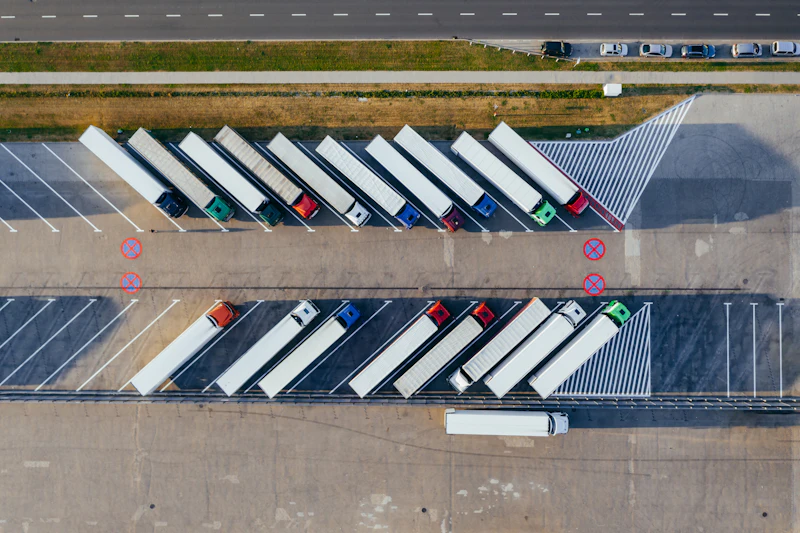
Imagine a distribution center (DC) that acts less like a storage facility and more like a high-speed transit hub. Products arrive on inbound docks, are quickly sorted, consolidated with other shipments, and moved to outbound docks for immediate loading onto trucks destined for retail stores or customers. This process significantly reduces the need for extensive warehousing space, inventory handling, and associated costs. The key is precise coordination and real-time information sharing to ensure that inbound and outbound logistics are perfectly synchronized.
Key Benefits for Modern Retailers
The advantages of implementing cross-docking in a retail distribution network are substantial and multi-faceted:
- Reduced Inventory Holding Costs: By minimizing storage time, retailers save on warehousing space, labor for stocking and retrieval, and the capital tied up in inventory.
- Faster Product Delivery: Goods spend less time in the supply chain, leading to quicker replenishment of store shelves and faster fulfillment of online orders, directly improving customer satisfaction.
- Decreased Risk of Damage and Obsolescence: Less handling and shorter storage periods mean fewer opportunities for products to be damaged or become outdated.
- Improved Supply Chain Efficiency: Cross-docking streamlines the flow of goods, leading to a more agile and responsive supply chain capable of adapting to market demands more quickly.
- Lower Transportation Costs: By consolidating smaller shipments into full truckloads, retailers can achieve economies of scale in transportation, reducing per-unit shipping costs.
Types of Cross-Docking Relevant to Retail
Cross-docking isn't a one-size-fits-all solution; various types cater to different supply chain needs:
- Manufacturing Cross-Docking: This involves receiving incoming materials and components and immediately staging them for manufacturing assembly. While not directly retail, it ensures a steady flow for products that will eventually be sold.
- Distributor Cross-Docking: Here, a distributor consolidates products from various manufacturers into mixed-product pallets for specific customer orders, often for multiple retail outlets.
- Transportation Cross-Docking: This type combines shipments from various carriers or shipping methods into full truckloads to achieve better economies of scale.
- Retail Cross-Docking: Specifically for retail, this involves receiving products from various vendors, sorting them, and directly transferring them to outbound trucks headed for individual stores or regional distribution hubs, bypassing long-term storage. This is particularly effective for high-volume, fast-moving consumer goods.
Cross-Docking's Impact on the Future of Retail Logistics
As e-commerce continues its rapid growth and consumer expectations for speed and convenience intensify, the role of cross-docking will only become more critical. It enables retailers to maintain lean inventories, reduce operational overheads, and respond with unprecedented agility to market changes. Implementing an effective cross-docking strategy requires robust IT systems for real-time tracking, efficient layout design of the cross-dock facility, and well-trained staff. For retailers aiming to optimize their distribution networks and gain a competitive edge, embracing cross-docking is not just an option, but a strategic imperative.